Robert Orrison – författare
Visar alla böcker från författaren Robert Orrison. Handla med fri frakt och snabb leverans.
6 produkter
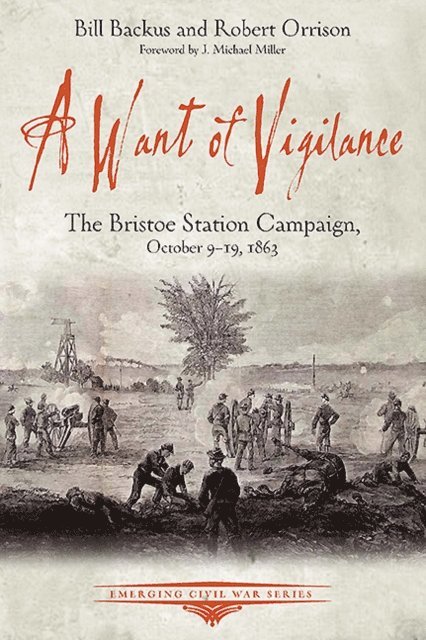
Want of Vigilance
The Bristoe Station Campaign, October 9–19, 1863
Av Robert Orrison, Bill Backus
E-bok, 2015
158 kr
Lägg i varukorg
Part of the Emerging Civil War Series, this history covers a crucial clash between the Blue and the Gray that impacted future Union tactics and victories. The months after the Battle of Gettysburg were anything but quiet—filled with skirmishes and cavalry clashes. Nonetheless, Union commander Maj. …
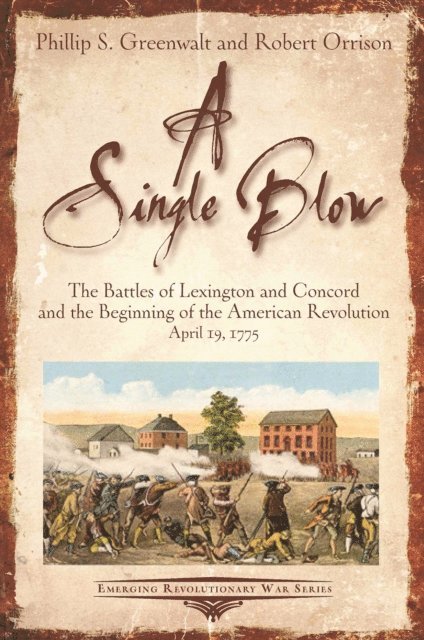
Single Blow
The Battles of Lexington and Concord and the Beginning of the American Revolution April 19, 1775
Av Robert Orrison, Phillip S. Greenwalt
E-bok, 2017
177 kr
Lägg i varukorg
A concise history of the "shot heard round the world"—and the dramatic day that began America''s war for independence. Includes maps and photos. When shots were fired at Lexington and Concord on a spring day in 1775, few, if any, fully grasped the impact they would ultimately have on the world. …
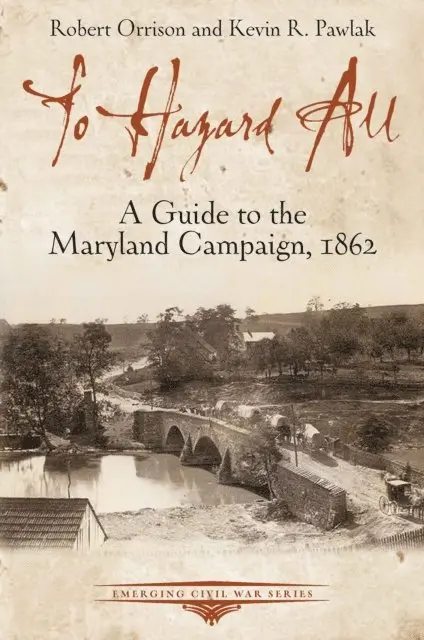
To Hazard All
A Guide to the Maryland Campaign, 1862
Av Kevin Pawlak, Robert Orrison
E-bok, 2018
221 kr
Lägg i varukorg
Experience the history of the Maryland Campaign with this Civil War chronicle and guide featuring battlefield information and day-trip itineraries.In the summer of 1862, the world watched anxiously as Confederate armies advanced across a thousand-mile front. Reacting to the Army of Northern …
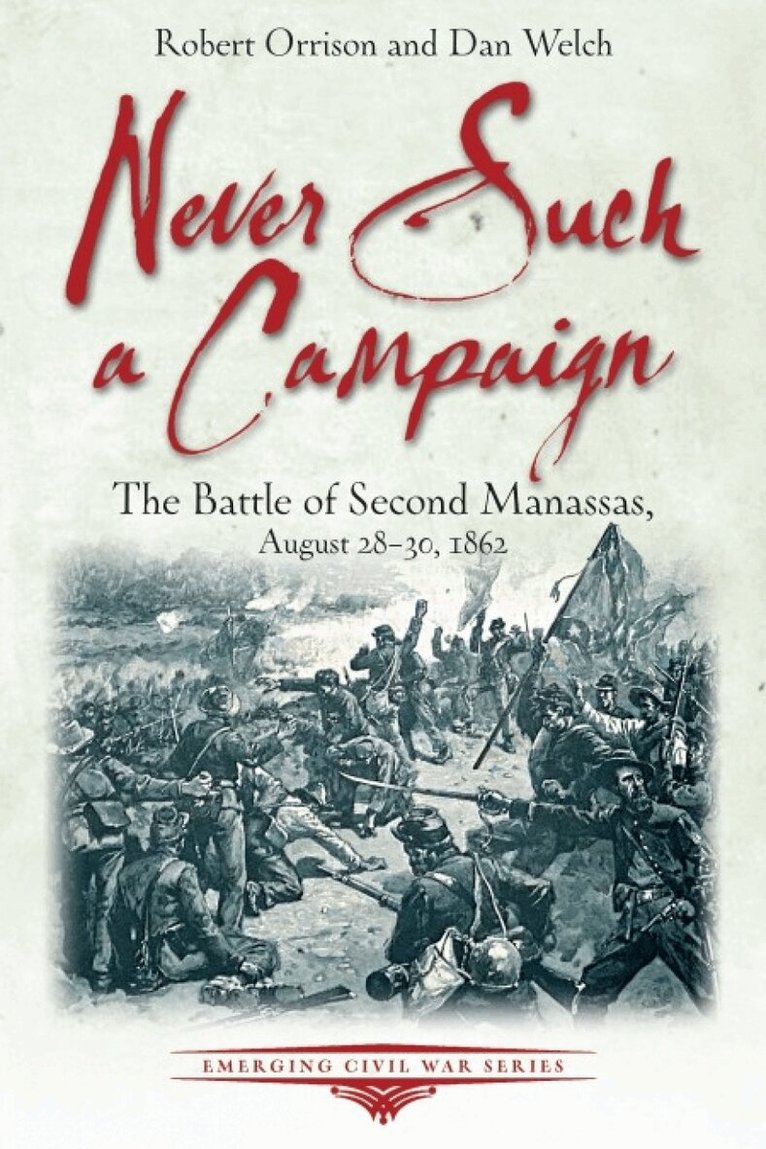
Never Such a Campaign
The Battle of Second Manassas, August 28-August 30, 1862
Häftad, 2024
232 kr
Lägg i varukorg
July, 1862. General Robert E. Lee, now in command of the Confederate Army of Northern Virginia, had driven back the massive Federal Army of the Potomac from the very gates of the Confederate capital. Richmond was safe – at least for the moment. But soon, new threats emerged against Lee’s army and …
All That Can Be Expected
The Battle of Camden and the British High Tide in the South, August 16, 1780
Av Mark Wilcox, Robert Orrison
E-bok, 2023
216 kr
Lägg i varukorg
A history and analysis of the 1780 South Carolina battle that marked the turning point for Great Britain in the American Revolutionary War. "An impressive work of collaborative historical research by historians Robert Orrison and Mark Wilcox, this is the newest title in the simply outstanding …
All That Can Be Expected
The Battle of Camden and the British High Tide in the South, August 16, 1780
Av Robert Orrison, Mark Wilcox
Häftad, 2024
168 kr
Tillfälligt slut
“They have done all that can be expected of them; we are outnumbered and outflanked,” so described Lt. Col. Benjamin Ford of the desperate situation for his Marylanders at Camden on August 16, 1780. The battle of Camden is considered by many historians as the high tide of Great Britain’s prospects …