Marko Grdešic – författare
Visar alla böcker från författaren Marko Grdešic. Handla med fri frakt och snabb leverans.
2 produkter
2 produkter
1 026 kr
Skickas inom 7-10 vardagar
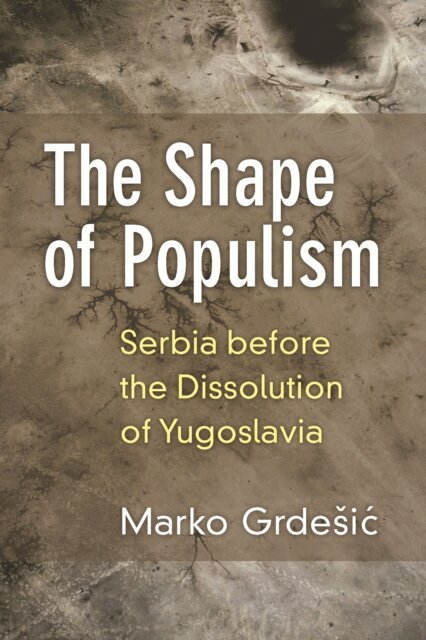
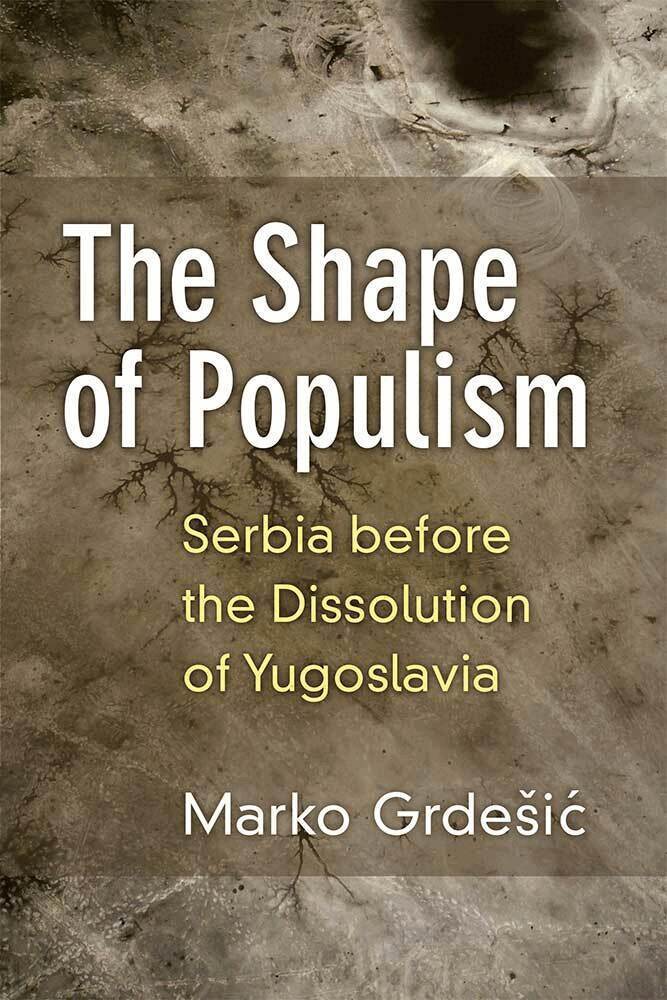
The Shape of Populism examines socialist Serbia, then part of Yugoslavia, which in the late 1980s witnessed popular mobilization and an emergence of a populist discourse that both constructed and celebrated “the people.” Author Marko Grdešić uses quantitative and qualitative analyses to show how “the people” emerge in the public sphere. This book examines over 300 protests and analyzes them in conjunction with elite events such as party sessions. It examines over 1,600 letters-to-the-editor and political cartoons to reveal the populist construction of “the people.” Grdešić also relies on interviews with participants in populist rallies in the late 1980s to examine the long-term legacies of populism.
2 176 kr
Skickas inom 10-15 vardagar
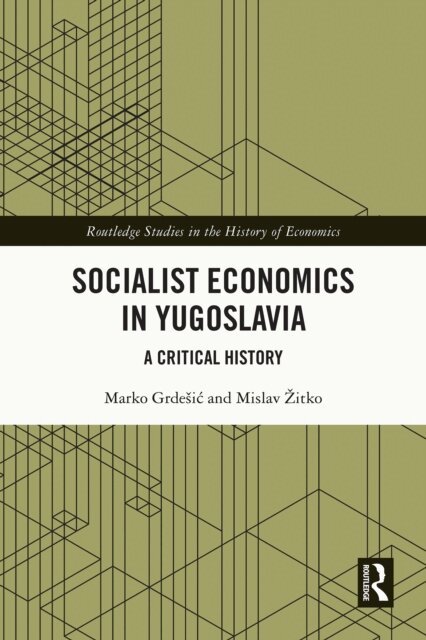
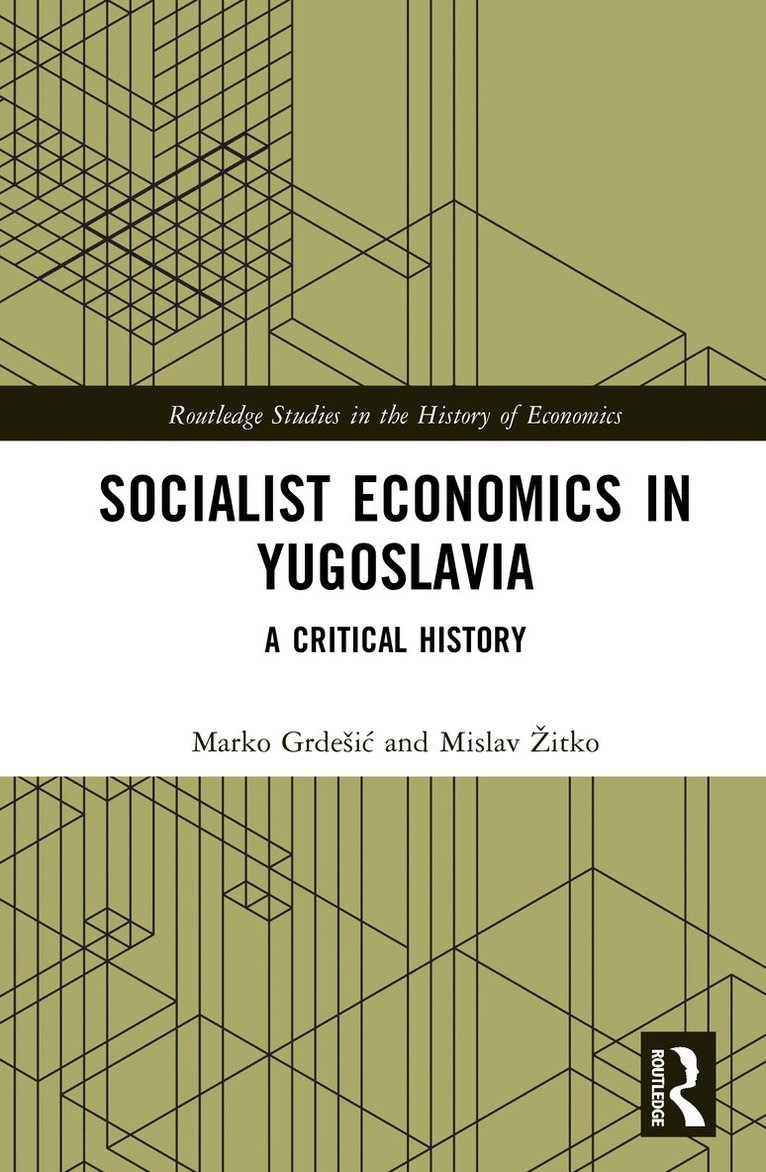
This book presents a critical history of Yugoslav socialist economics, from its inception in the late 1940s to its dissolution in the late 1980s. After the dramatic break with the Soviet Union in 1948, Yugoslavia found itself in urgent need of a third way: A socialist trajectory which would not resemble the Soviet model nor succumb to the imperatives of capitalist modernization. This monumental historical task resulted in the gradual constitution of the system of socialist self-management.This book is the first to provide a systematic response to key questions about this specifically Yugoslav form of socialist economics: How did it develop? How was it consolidated into a productive and influential academic discipline? What were the theoretical concerns and empirical procedures used by economists in order to create a modern scientific discipline and advance the cause of socialist Yugoslavia? And finally, how did this body of work enter a terminal crisis and disappear simultaneously with the country itself? Even given its failure, socialist Yugoslavia constitutes one of the more important and sustained twentieth-century attempts at building socialism. Thus, the Yugoslav way of thinking remains relevant for contemporary topics such as economic democracy, comparative economic systems and post-capitalist economic models.This book will appeal to all readers interested in the history of economics, economic sociology, political economy, the history of Yugoslavia and socialist debates.