Marlene L Daut - Böcker
Visar alla böcker från författaren Marlene L Daut. Handla med fri frakt och snabb leverans.
13 produkter
13 produkter
360 kr
Skickas inom 7-10 vardagar
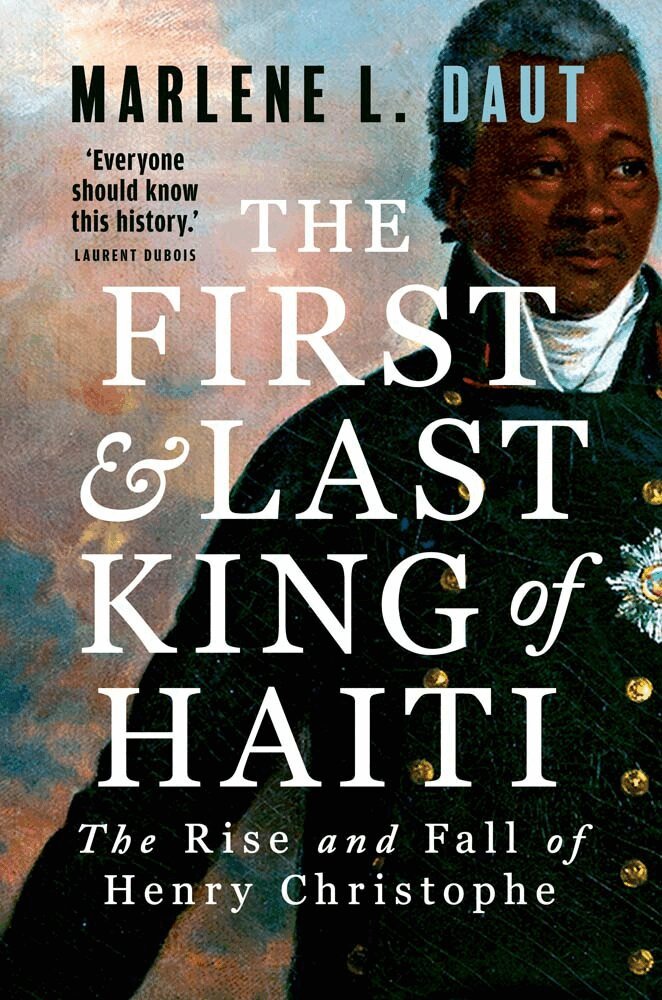
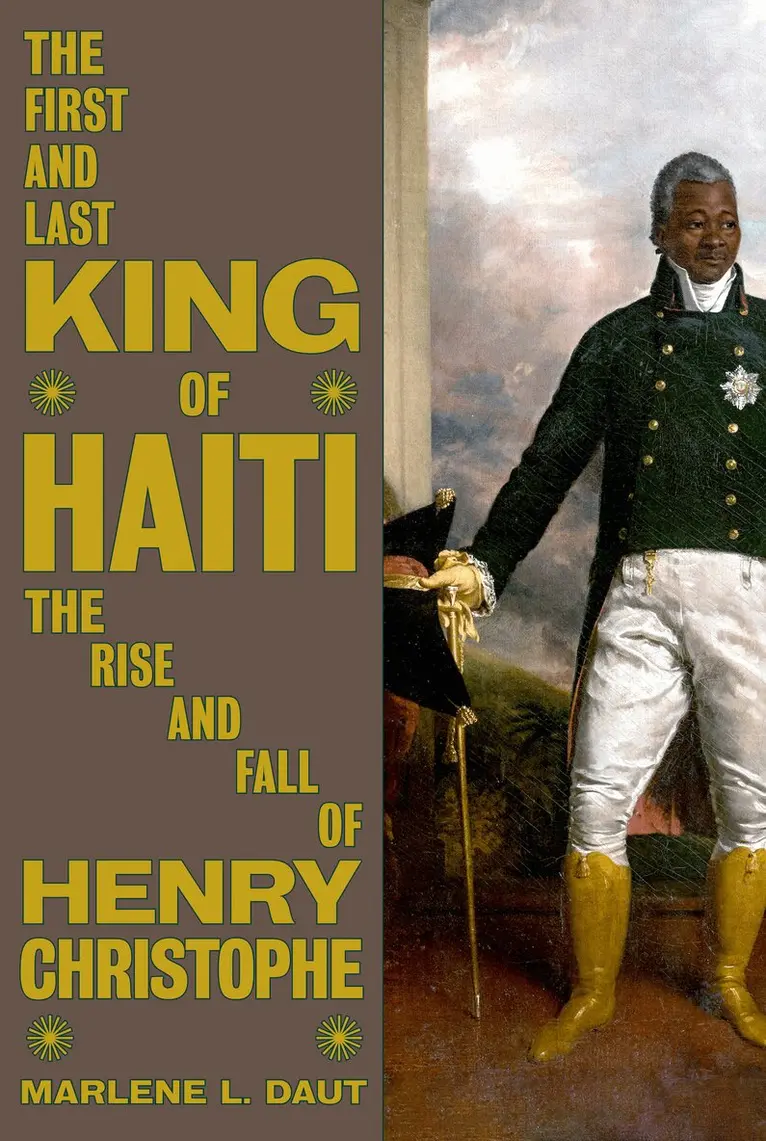
The dramatic story of a pivotal figure in the Haitian Revolution, who shook the Atlantic world to its core“Impressively researched. . . . Everyone should know this story of revolution and of Christophe, the first and last king of Haiti.”—Simon Sebag Montefiore, Times (UK)Finalist for the Cundill History Prize, 2025Born to an enslaved mother in Grenada, Henry Christophe first fought to overthrow the British in North America, before joining the Black freedom fighters of Saint-Domingue in their quest to gain independence from France. But, at one point, Christophe turned his back on the revolutionaries to side with Napoleon's forces—only to later fight against them, afterward becoming Haiti's first and only king. In this remarkable account, Marlene L. Daut shows how Christophe became by turns revolutionary, traitor and monarch. Why did he turn his back on Toussaint Louverture? Was Christophe involved in the assassination of Haiti’s first ruler, Emperor Jean-Jacques Dessalines? And how did Christophe ultimately become king? The First and Last King of Haiti is the ultimate story of power and ambition in the age of revolutions—and shows how one extraordinary life shaped the course of nations.
432 kr
Skickas inom 3-6 vardagar
1 641 kr
Skickas inom 7-10 vardagar
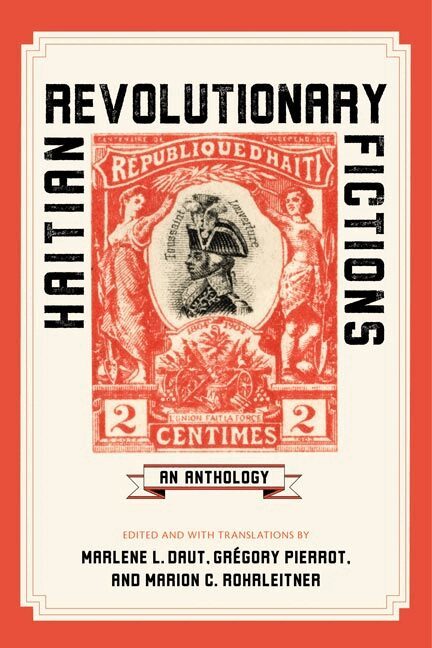
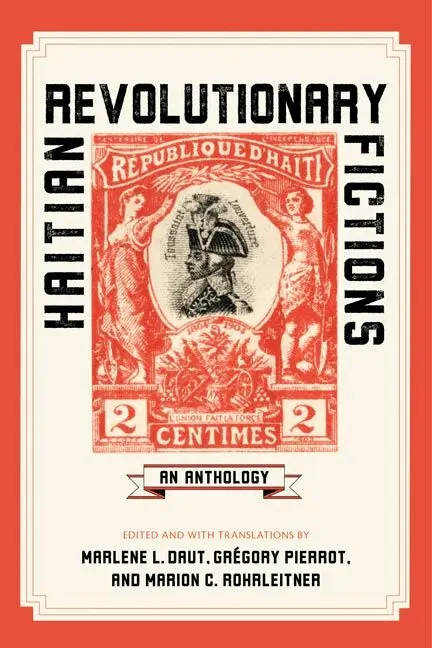
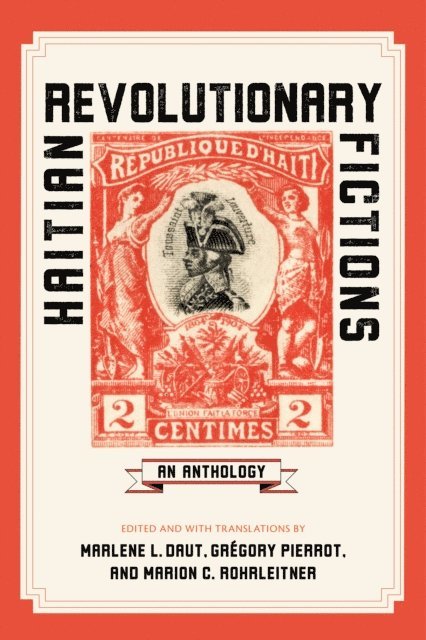
The Haitian Revolution (1791–1804) was the first antislavery and anticolonial uprising led by New World Africans to result in the creation of an independent and slavery-free nation state. The momentousness of this thirteen-year-long war generated thousands of pages of writing. This anthology brings together for the first time a transnational and multilingual selection of literature about the revolution, from the beginnings of the conflicts that resulted in it to the end of the nineteenth century.With over two hundred excerpts from novels, poetry, and plays published between 1787 and 1900, and depicting a wide array of characters including, Anacaona, Makandal, Boukman, Toussaint Louverture, Jean-Jacques Dessalines, and Henry Christophe, this anthology provides the perfect classroom text for exploring this fascinating revolution, its principal actors, and the literature it inspired, while also providing a vital resource for specialists in the field. This landmark volume includes many celebrated authors—such as Alexandre Dumas, Victor Hugo, Heinrich von Kleist, Alphonse de Lamartine, William Wordsworth, Harriet Martineau, and William Edgar Easton—but the editors also present here for the first time many less-well-known fictions by writers from across western Europe and both North and South America, as well as by nineteenth-century Haitian authors, refuting a widely accepted perception that Haitian representations of their revolution primarily emerged in the twentieth century. Each excerpt is introduced by contextualizing commentary designed to spark discussion about the ongoing legacy of slavery and colonialism in the Americas. Ultimately, the publication of this capacious body of literature that spans three continents offers students, scholars, and the curious reader alike a unique glimpse into the tremendous global impact the Haitian Revolution had on the print culture of the Atlantic world.
764 kr
Skickas inom 7-10 vardagar
The Haitian Revolution (1791–1804) was the first antislavery and anticolonial uprising led by New World Africans to result in the creation of an independent and slavery-free nation state. The momentousness of this thirteen-year-long war generated thousands of pages of writing. This anthology brings together for the first time a transnational and multilingual selection of literature about the revolution, from the beginnings of the conflicts that resulted in it to the end of the nineteenth century.With over two hundred excerpts from novels, poetry, and plays published between 1787 and 1900, and depicting a wide array of characters including, Anacaona, Makandal, Boukman, Toussaint Louverture, Jean-Jacques Dessalines, and Henry Christophe, this anthology provides the perfect classroom text for exploring this fascinating revolution, its principal actors, and the literature it inspired, while also providing a vital resource for specialists in the field. This landmark volume includes many celebrated authors—such as Alexandre Dumas, Victor Hugo, Heinrich von Kleist, Alphonse de Lamartine, William Wordsworth, Harriet Martineau, and William Edgar Easton—but the editors also present here for the first time many less-well-known fictions by writers from across western Europe and both North and South America, as well as by nineteenth-century Haitian authors, refuting a widely accepted perception that Haitian representations of their revolution primarily emerged in the twentieth century. Each excerpt is introduced by contextualizing commentary designed to spark discussion about the ongoing legacy of slavery and colonialism in the Americas. Ultimately, the publication of this capacious body of literature that spans three continents offers students, scholars, and the curious reader alike a unique glimpse into the tremendous global impact the Haitian Revolution had on the print culture of the Atlantic world.
1 235 kr
Skickas inom 10-15 vardagar
The latest novel by one of Haiti’s most brilliant writersThe most recent book by renowned Haitian novelist, essayist, and poet RenÉ Depestre, Popa Singer is a semi-autobiographical chronicle of Haiti in the late 1950s, the very moment when the country first came under decades of despotic rule.To celebrate her son’s return home after years of exile, Diana Fontoriol (aka “Popa Singer”)—an indomitable mother armed only with her sewing machine and her personal convictions—determines to resist in her own way the infamous Ubu King of the Tropics: FranÇois “Papa Doc” Duvalier. Depestre’s novel tells the story of this at once intimate and epic struggle. Combining colorful fantasy and biting social satire, it is a deeply personal and singularly artistic take on an infamous chapter in Haitian history.
299 kr
Skickas inom 10-15 vardagar
The latest novel by one of Haiti’s most brilliant writersThe most recent book by renowned Haitian novelist, essayist, and poet RenÉ Depestre, Popa Singer is a semi-autobiographical chronicle of Haiti in the late 1950s, the very moment when the country first came under decades of despotic rule.To celebrate her son’s return home after years of exile, Diana Fontoriol (aka “Popa Singer”)—an indomitable mother armed only with her sewing machine and her personal convictions—determines to resist in her own way the infamous Ubu King of the Tropics: FranÇois “Papa Doc” Duvalier. Depestre’s novel tells the story of this at once intimate and epic struggle. Combining colorful fantasy and biting social satire, it is a deeply personal and singularly artistic take on an infamous chapter in Haitian history.
1 411 kr
Skickas inom 7-10 vardagar
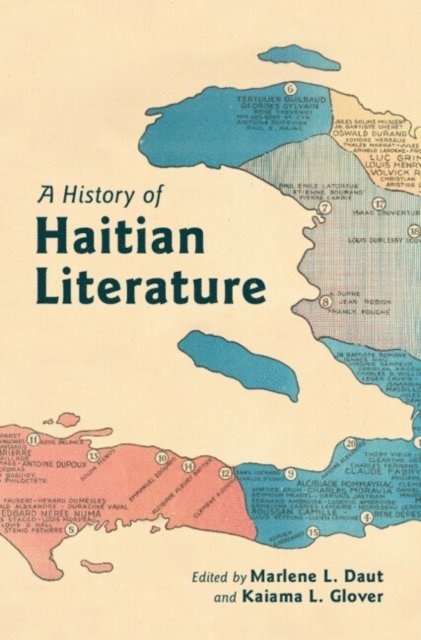
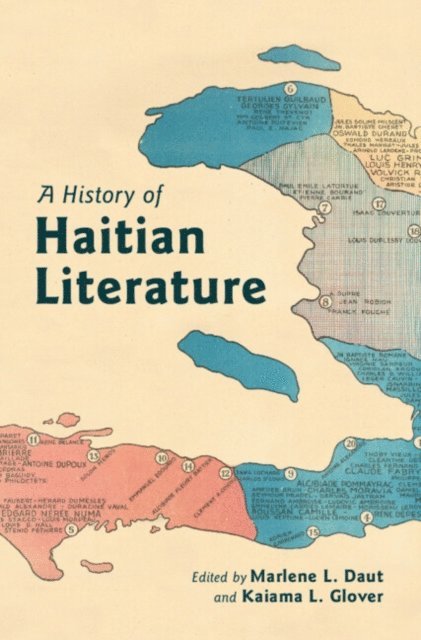
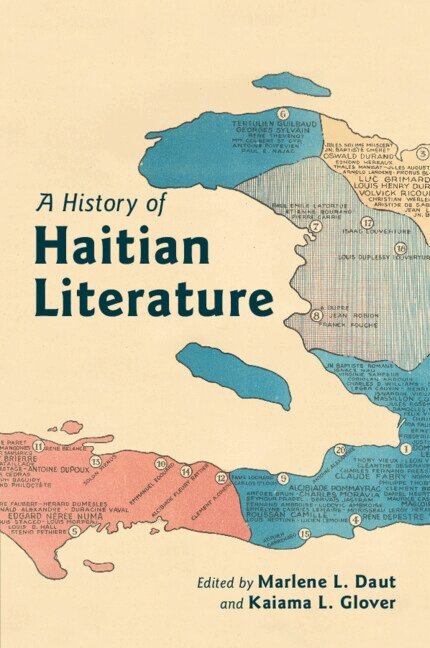
From nineteenth-century antislavery pamphleteering to accounts of ecological catastrophe in twenty-first-century fiction, Haitian literature has resounded across the globe since the nation's revolutionaries declared independence in 1804. Starting with pre-revolutionary writing, including the emergence of Haitian Creole letters, extending to the long, largely francophone nineteenth century, and concluding with present-day Haitian writing in the English language, A History of Haitian Literature presents the political, cultural, and historical frameworks necessary to comprehend Haiti's vast literary output. Whether writing in Haiti or its wide-ranging diasporas, Haitian authors have boldly contributed to pressing conversations in global letters while reflecting Haiti's unique cultural and historical experiences. Considering an expansive array of poets, playwrights, and novelists – such as Baron de Vastey, Juste Chanlatte, Demesvar Delorme, Edwidge Danticat, René Depestre, Kettly Mars, Dany Laferrière, and Évelyne Trouillot – the contributors to this volume offer a fresh examination of a richly polyglot, transnational literary tradition that spans more than two centuries.
442 kr
Kommande
From nineteenth-century antislavery pamphleteering to accounts of ecological catastrophe in twenty-first-century fiction, Haitian literature has resounded across the globe since the nation's revolutionaries declared independence in 1804. Starting with pre-revolutionary writing, including the emergence of Haitian Creole letters, extending to the long, largely francophone nineteenth century, and concluding with present-day Haitian writing in the English language, A History of Haitian Literature presents the political, cultural, and historical frameworks necessary to comprehend Haiti's vast literary output. Whether writing in Haiti or its wide-ranging diasporas, Haitian authors have boldly contributed to pressing conversations in global letters while reflecting Haiti's unique cultural and historical experiences. Considering an expansive array of poets, playwrights, and novelists - such as Baron de Vastey, Juste Chanlatte, Demesvar Delorme, Edwidge Danticat, René Depestre, Kettly Mars, Dany Laferrière, and Évelyne Trouillot - the contributors to this volume offer a fresh examination of a richly polyglot, transnational literary tradition that spans more than two centuries.
1 102 kr
Skickas inom 10-15 vardagar
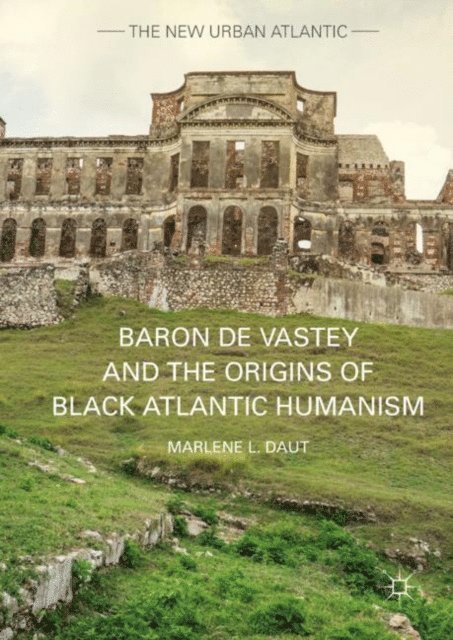
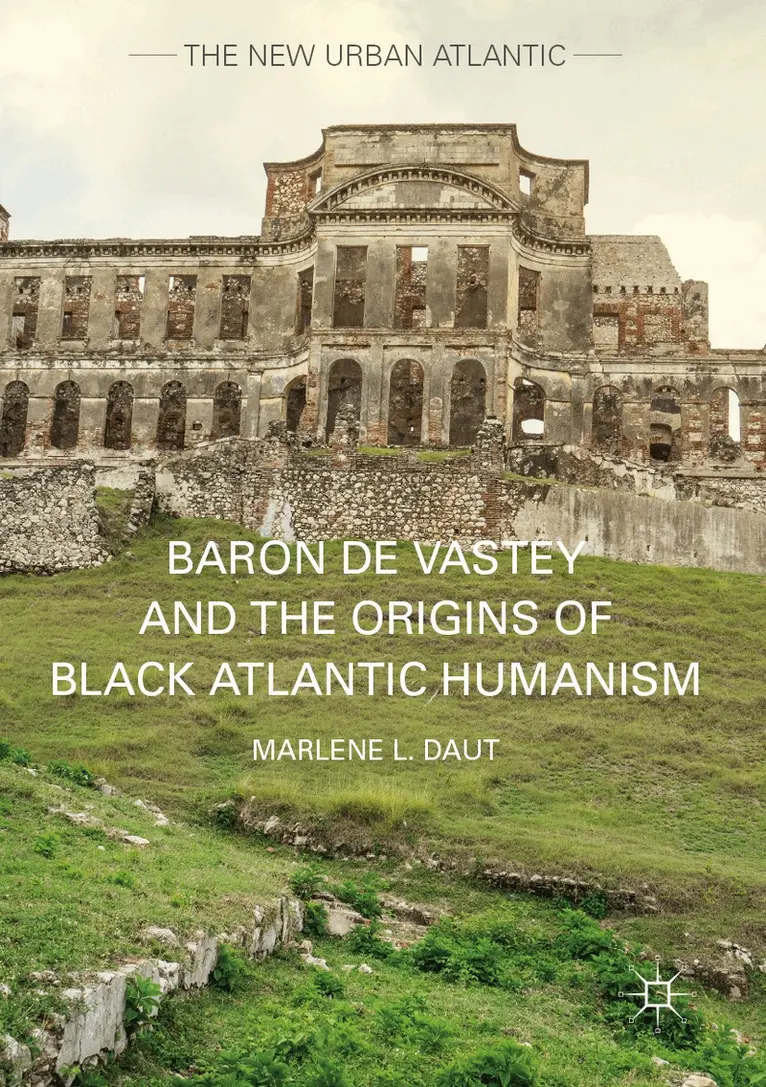
Focusing on the influential life and works of the Haitian political writer and statesman, Baron de Vastey (1781-1820), in this book Marlene L. Daut examines the legacy of Vastey’s extensive writings as a form of what she calls black Atlantic humanism, a discourse devoted to attacking the enlightenment foundations of colonialism. Daut argues that Vastey, the most important secretary of Haiti’s King Henry Christophe, was a pioneer in a tradition of deconstructing colonial racism and colonial slavery that is much more closely associated with twentieth-century writers like W.E.B. Du Bois, Frantz Fanon, and Aimé Césaire. By expertly forging exciting new historical and theoretical connections among Vastey and these later twentieth-century writers, as well as eighteenth- and nineteenth-century black Atlantic authors, such as Phillis Wheatley, Olaudah Equiano, William Wells Brown, and Harriet Jacobs, Daut proves that any understanding of the genesis of Afro-diasporic thought must include Haiti’s Baron de Vastey.
1 220 kr
Skickas inom 10-15 vardagar
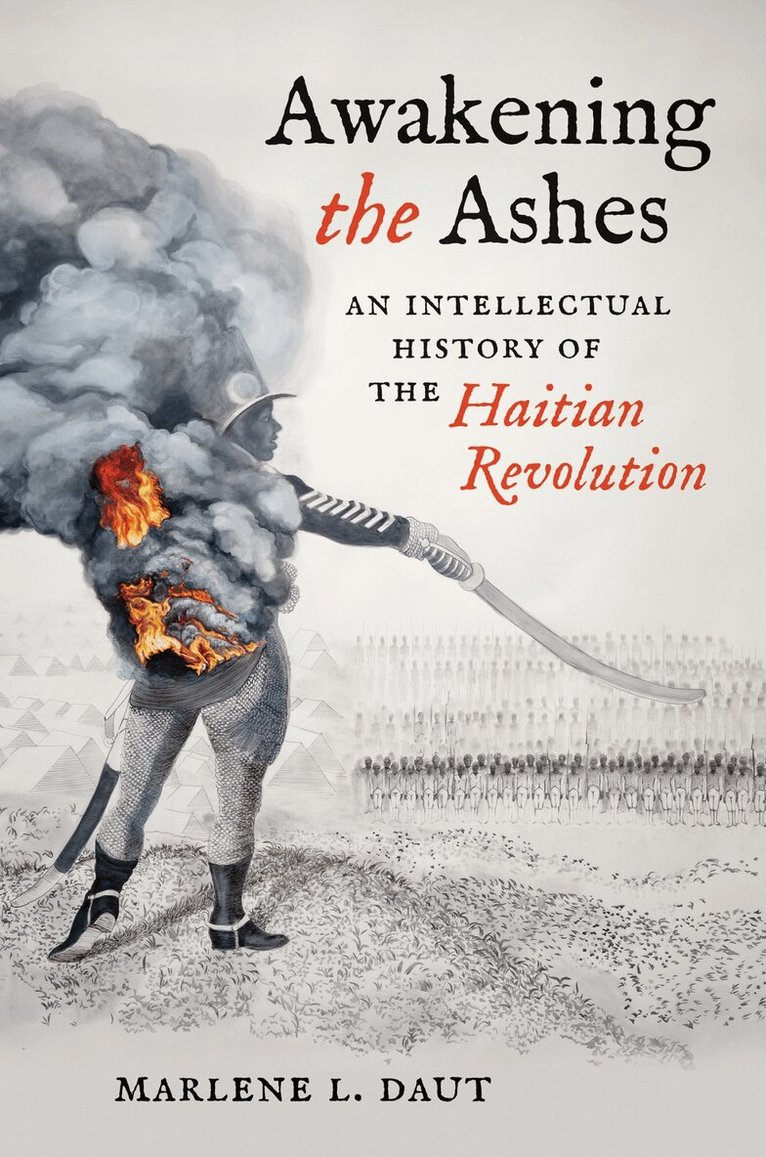
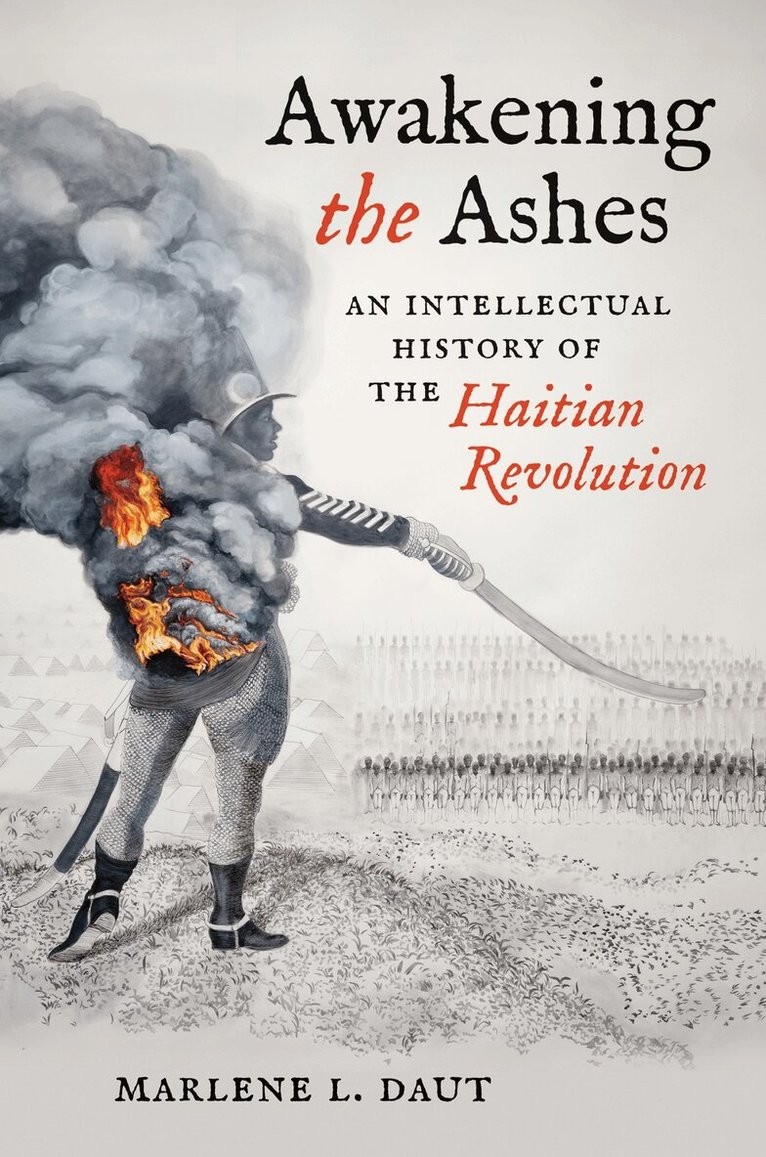
The Haitian Revolution was a powerful blow against colonialism and slavery, and as its thinkers and fighters blazed the path to universal freedom, they forced anticolonial, antislavery, and antiracist ideals into modern political grammar. The first state in the Americas to permanently abolish slavery, outlaw color prejudice, and forbid colonialism, Haitians established their nation in a hostile Atlantic World. Slavery was ubiquitous throughout the rest of the Americas and foreign nations, and empires repeatedly attacked Haitian sovereignty. Yet Haitian writers and politicians successfully defended their independence while planting the ideological roots of egalitarian statehood. In Awakening the Ashes, Marlene L. Daut situates famous and lesser-known eighteenth- and nineteenth-century Haitian revolutionaries, pamphleteers, and political thinkers within the global history of ideas, showing how their systems of knowledge and interpretation took center stage in the Age of Revolutions. While modern understandings of freedom and equality are often linked to the French Declaration of the Rights of Man or the US Declaration of Independence, Daut argues that the more immediate reference should be to what she calls the 1804 Principle that no human being should ever again be colonized or enslaved, an idea promulgated by the Haitians who, against all odds, upended French empire.
422 kr
Skickas inom 10-15 vardagar
The Haitian Revolution was a powerful blow against colonialism and slavery, and as its thinkers and fighters blazed the path to universal freedom, they forced anticolonial, antislavery, and antiracist ideals into modern political grammar. The first state in the Americas to permanently abolish slavery, outlaw color prejudice, and forbid colonialism, Haitians established their nation in a hostile Atlantic World. Slavery was ubiquitous throughout the rest of the Americas and foreign nations and empires repeatedly attacked Haitian sovereignty. Yet Haitian writers and politicians successfully defended their independence while planting the ideological roots of egalitarian statehood. In Awakening the Ashes, Marlene L. Daut situates famous and lesser-known eighteenth- and nineteenth-century Haitian revolutionaries, pamphleteers, and political thinkers within the global history of ideas, showing how their systems of knowledge and interpretation took center stage in the Age of Revolutions. While modern understandings of freedom and equality are often linked to the French Declaration of the Rights of Man or the US Declaration of Independence, Daut argues that the more immediate reference should be to what she calls the 1804 Principle that no human being should ever again be colonized or enslaved, an idea promulgated by the Haitians who, against all odds, upended French empire.
Del 8 - Liverpool Studies in International Slavery
Tropics of Haiti
Race and the Literary History of the Haitian Revolution in the Atlantic World, 1789-1865
Inbunden, Engelska, 2015
1 897 kr
Skickas inom 7-10 vardagar
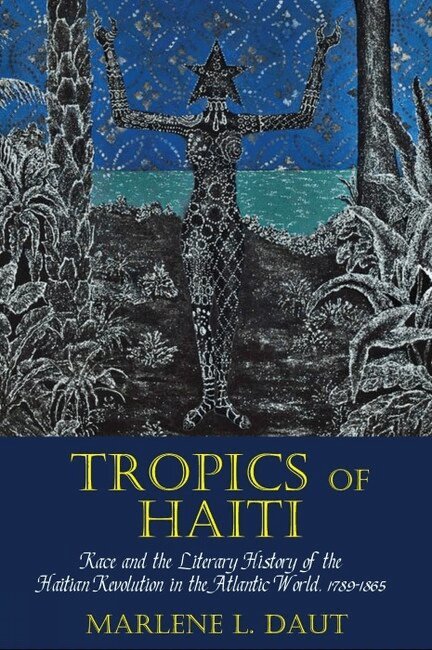
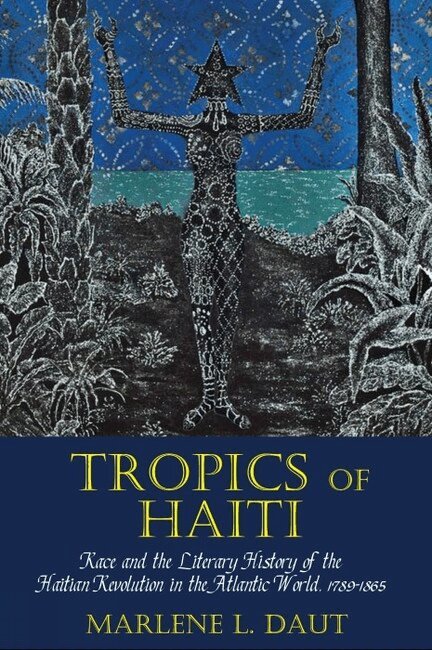
The Haitian Revolution (1791–1804) was an event of monumental world-historical significance, and here, in the first systematic literary history of those events, Haiti's war of independence is examined through the eyes of its actual and imagined participants, observers, survivors, and cultural descendants. The 'transatlantic print culture' under discussion in this literary history reveals that enlightenment racial 'science' was the primary vehicle through which the Haitian Revolution was interpreted by nineteenth-century Haitians, Europeans, and U.S. Americans alike. Through its author's contention that the Haitian revolutionary wars were incessantly racialized by four constantly recurring tropes—the 'monstrous hybrid', the 'tropical temptress', the 'tragic mulatto/a', and the 'colored historian'—Tropics of Haiti shows the ways in which the nineteenth-century tendency to understand Haiti's revolution in primarily racial terms has affected present day demonizations of Haiti and Haitians. In the end, this new archive of Haitian revolutionary writing, much of which has until now remained unknown to the contemporary reading public, invites us to examine how nineteenth-century attempts to paint Haitian independence as the result of a racial revolution coincide with present-day desires to render insignificant and 'unthinkable' the second independent republic of the New World.
Del 8 - Liverpool Studies in International Slavery
Tropics of Haiti
Race and the Literary History of the Haitian Revolution in the Atlantic World, 1789-1865
Häftad, Engelska, 2015
663 kr
Skickas inom 7-10 vardagar
The Haitian Revolution (1791–1804) was an event of monumental world-historical significance, and here, in the first systematic literary history of those events, Haiti's war of independence is examined through the eyes of its actual and imagined participants, observers, survivors, and cultural descendants. The 'transatlantic print culture' under discussion in this literary history reveals that enlightenment racial 'science' was the primary vehicle through which the Haitian Revolution was interpreted by nineteenth-century Haitians, Europeans, and U.S. Americans alike. Through its author's contention that the Haitian revolutionary wars were incessantly racialized by four constantly recurring tropes—the 'monstrous hybrid', the 'tropical temptress', the 'tragic mulatto/a', and the 'colored historian'—Tropics of Haiti shows the ways in which the nineteenth-century tendency to understand Haiti's revolution in primarily racial terms has affected present day demonizations of Haiti and Haitians. In the end, this new archive of Haitian revolutionary writing, much of which has until now remained unknown to the contemporary reading public, invites us to examine how nineteenth-century attempts to paint Haitian independence as the result of a racial revolution coincide with present-day desires to render insignificant and 'unthinkable' the second independent republic of the New World.