Marta Pacheco Pinto - Böcker
Visar alla böcker från författaren Marta Pacheco Pinto. Handla med fri frakt och snabb leverans.
7 produkter
7 produkter
2 419 kr
Skickas inom 10-15 vardagar
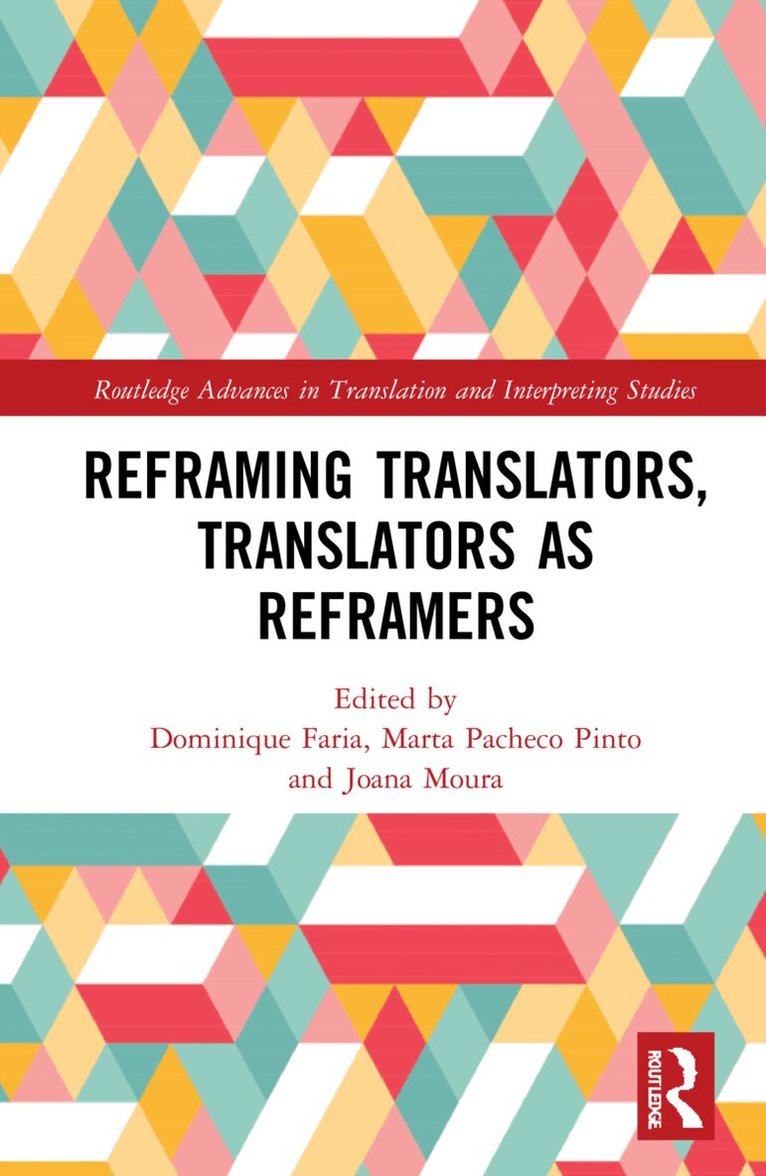
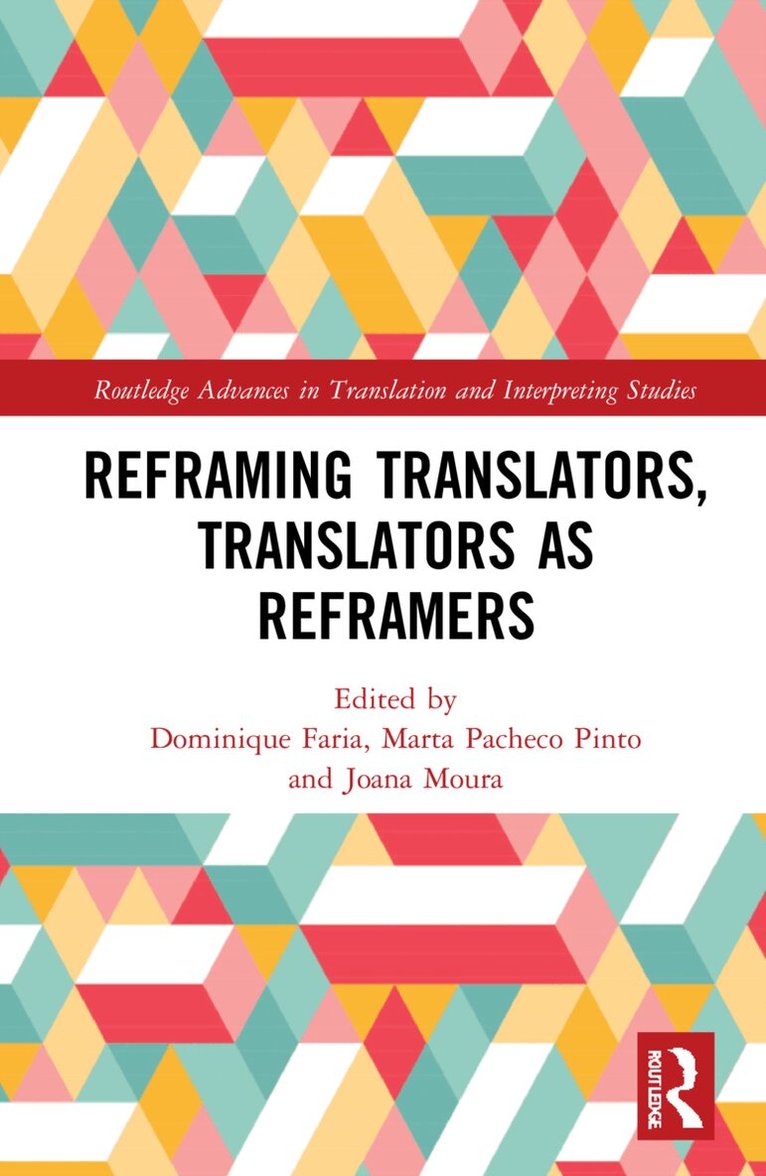
This collection explores the notion of reframing as a framework for better understanding the multi-agent and multi-level nature of the translation process, generating new conversations in current debates on translational agency, authority, and power.The volume puts forward reframing as an alternative metaphor to traditional conceptualizations and descriptions of translation, which often position the process in such terms as transformation, reproduction, transposition, and transfer. Chapters in the book reflect on the translator figure as a central agent in actively moving a translated text to a new context, and the translation process as shaped by different forces and subjectivities when translational agency comes into play. The book brings together cross-disciplinary perspectives for viewing translation through the lens of agents, drawing on a wide range of examples across geographic settings, historical eras, and language pairs. The volume integrates analyses from the translated texts themselves as well as their paratexts to offer unique insights into the different layers of mediation in translation and the new frame(s) created for those texts. This book will be of interest to scholars in translation studies, comparative studies, reception studies, and cultural studies.
592 kr
Skickas inom 10-15 vardagar
This collection explores the notion of reframing as a framework for better understanding the multi-agent and multi-level nature of the translation process, generating new conversations in current debates on translational agency, authority, and power.The volume puts forward reframing as an alternative metaphor to traditional conceptualizations and descriptions of translation, which often position the process in such terms as transformation, reproduction, transposition, and transfer. Chapters in the book reflect on the translator figure as a central agent in actively moving a translated text to a new context, and the translation process as shaped by different forces and subjectivities when translational agency comes into play. The book brings together cross-disciplinary perspectives for viewing translation through the lens of agents, drawing on a wide range of examples across geographic settings, historical eras, and language pairs. The volume integrates analyses from the translated texts themselves as well as their paratexts to offer unique insights into the different layers of mediation in translation and the new frame(s) created for those texts. This book will be of interest to scholars in translation studies, comparative studies, reception studies, and cultural studies.
1 958 kr
Skickas inom 10-15 vardagar
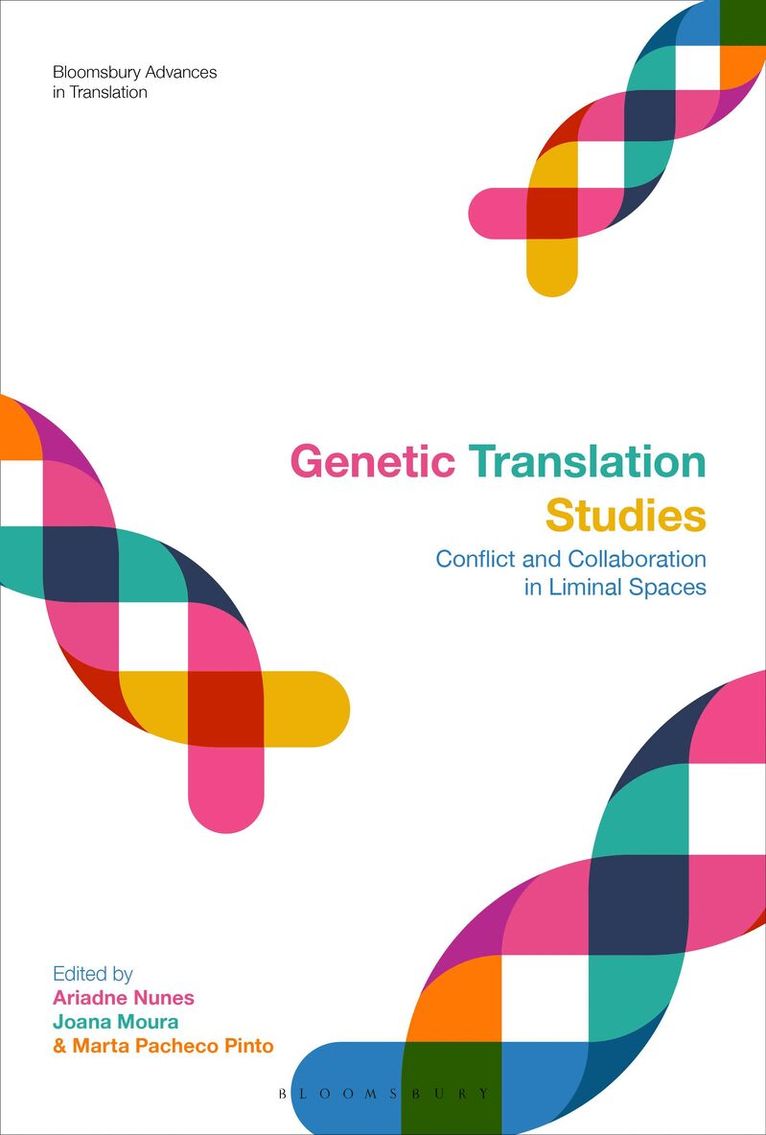
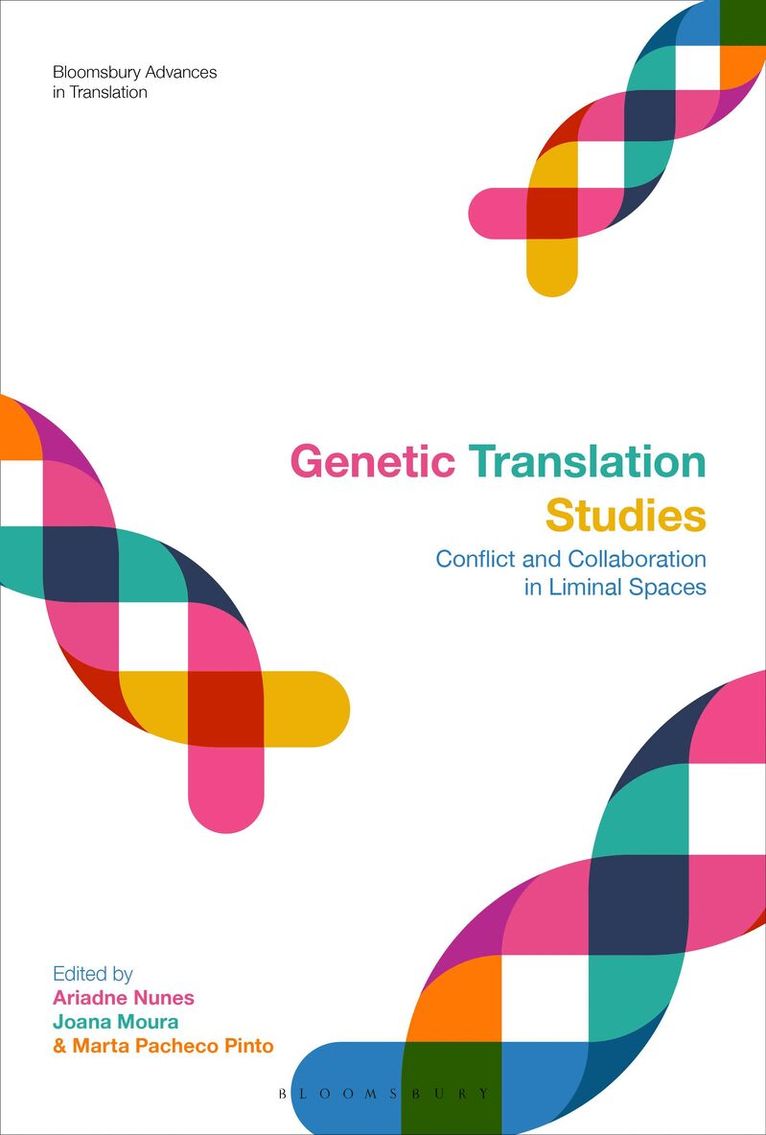
Examining the research possibilities, debates and challenges posed by the emerging field of genetic translation studies, this book demonstrates how, both theoretically and empirically, genetic criticism can shed much-needed light on translators’ archives, the translator figure and the creative process of translation. Genetic Translation Studies analyses a diverse range of translation materials including manuscripts, typographical proofs, personal papers, letters, testimonies and interviews in order to give visibility, body and presence to translators. Chapters draw on translations of works by authors such as Saint-John Perse, Nikos Kazantzakis, René Char, António Lobo Antunes and Camilo Castelo Branco, in each case revealing the conflicts and collaborations between translators and other stakeholders, including authors, editors and publishers.Covering an impressive array of language contexts, from Portuguese, English and French to Greek, Finnish, Polish and Sanskrit, this book demonstrates the value of the genetic turn in translation studies and offers new ways of working with translator correspondences.
447 kr
Skickas inom 10-15 vardagar
Examining the research possibilities, debates and challenges posed by the emerging field of genetic translation studies, this book demonstrates how, both theoretically and empirically, genetic criticism can shed much-needed light on translators’ archives, the translator figure and the creative process of translation. Genetic Translation Studies analyses a diverse range of translation materials including manuscripts, typographical proofs, personal papers, letters, testimonies and interviews in order to give visibility, body and presence to translators. Chapters draw on translations of works by authors such as Saint-John Perse, Nikos Kazantzakis, René Char, António Lobo Antunes and Camilo Castelo Branco, in each case revealing the conflicts and collaborations between translators and other stakeholders, including authors, editors and publishers.Covering an impressive array of language contexts, from Portuguese, English and French to Greek, Finnish, Polish and Sanskrit, this book demonstrates the value of the genetic turn in translation studies and offers new ways of working with translator correspondences.
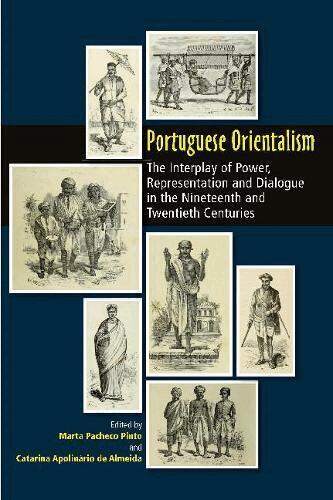
Portuguese Orientalism
The Interplay of Power, Representation and Dialogue in the Nineteenth and Twentieth Centuries
Inbunden, Engelska, 2020
1 703 kr
Skickas inom 7-10 vardagar
Research on Portuguese orientalism has been mostly centred on the sixteenth and seventeenth centuries and has focused on missionary work and Catholic orientalism. In contrast, reflection on the nineteenth and twentieth centuries is scarce and has relied on individual case studies, notwithstanding the TECOP (Texts and Contexts of Portuguese Orientalism: The International Congresses of Orientalists, 1873-1973) research project. This edited collection is the result of an international forum (www.tecop.letras.ulisboa.pt) hosted by the Centre for Comparative Studies, the University of Lisbon. The editorial aim is to counter the scant attention paid to Portuguese orientalist scholarship, which has been peripheralized within the comparative history of western imperialisms at large and within national orientalisms in particular. Incorporating Portugal into a broader European colonial discourse about the East, and discussing the responses to Portuguese colonial legacies, gives visibility to the agency of the multiple actors and networks implicated in the Portuguese modern connection to the East. Essays cover former Portuguese India (Goa), Macau, Timor and Japan, as well as East Africa, Egypt, and even Angola as an expansive site of the Portuguese orientalist rhetoric. The chapters by necessity revisit Edward Saids Orientalism (1978), making use of its analytical framework. They foster an understanding of Portuguese orientalism as an epistemological system supported by an elite either intellectual, scientific or literary that assumed different material manifestations in the shape of colonial policies; scientific expeditions; exhibitions; press and literary publications; radio broadcasts; and the institutionalization itself of orientalist knowledge. This is the first collection in the English language overtly expressing an intention to examine this epistemological contribution.
Del 23 - Contemporary Hispanic and Lusophone Cultures
Iberian and Translation Studies
Literary Contact Zones
Inbunden, Engelska, 2021
648 kr
Skickas
Iberian and Translation Studies: Literary Contact Zones offers fertile reflection on the dynamics of linguistic diversity and multifaceted literary translation flows taking place across the Iberian Peninsula. Drawing on cutting-edge theoretical perspectives and on a historically diverse body of case studies, the volume’s sixteen chapters explore the key role of translation in shaping interliterary relations and cultural identities within Iberia. Mary Louise Pratt’s contact zone metaphor is used as an overarching concept to approach Iberia as a translation(al) space where languages and cultural systems (Basque, Catalan, Galician, Portuguese, and Spanish) set up relationships either of conflict, coercion, and resistance or of collaboration, hospitality, and solidarity.In bringing together a variety of essays by multilingual scholars whose conceptual and empirical research places itself at the intersection of translation and literary Iberian studies, the book opens up a new interdisciplinary field of enquiry: Iberian translation studies. This allows for a renewed study of canonical authors such as Joan Maragall, Fernando Pessoa, Camilo José Cela, and Bernardo Atxaga, and calls attention to emerging bilingual contemporary voices. In addition to addressing understudied genres (the entremez and the picaresque novel) and the phenomena of self-translation, indirect translation, and collaborative translation, the book provides fresh insights into Iberian cultural agents, mediators, and institutions.
Del 23 - Contemporary Hispanic and Lusophone Cultures
Iberian and Translation Studies
Literary Contact Zones
Häftad, Engelska, 2024
577 kr
Skickas inom 7-10 vardagar
Iberian and Translation Studies: Literary Contact Zones offers fertile reflection on the dynamics of linguistic diversity and multifaceted literary translation flows taking place across the Iberian Peninsula. Drawing on cutting-edge theoretical perspectives and on a historically diverse body of case studies, the volume’s sixteen chapters explore the key role of translation in shaping interliterary relations and cultural identities within Iberia. Mary Louise Pratt’s contact zone metaphor is used as an overarching concept to approach Iberia as a translation(al) space where languages and cultural systems (Basque, Catalan, Galician, Portuguese, and Spanish) set up relationships either of conflict, coercion, and resistance or of collaboration, hospitality, and solidarity.In bringing together a variety of essays by multilingual scholars whose conceptual and empirical research places itself at the intersection of translation and literary Iberian studies, the book opens up a new interdisciplinary field of enquiry: Iberian translation studies. This allows for a renewed study of canonical authors such as Joan Maragall, Fernando Pessoa, Camilo José Cela, and Bernardo Atxaga, and calls attention to emerging bilingual contemporary voices. In addition to addressing understudied genres (the entremez and the picaresque novel) and the phenomena of self-translation, indirect translation, and collaborative translation, the book provides fresh insights into Iberian cultural agents, mediators, and institutions.