Martha C. Howell – författare
Visar alla böcker från författaren Martha C. Howell. Handla med fri frakt och snabb leverans.
7 produkter
7 produkter
366 kr
Skickas inom 7-10 vardagar
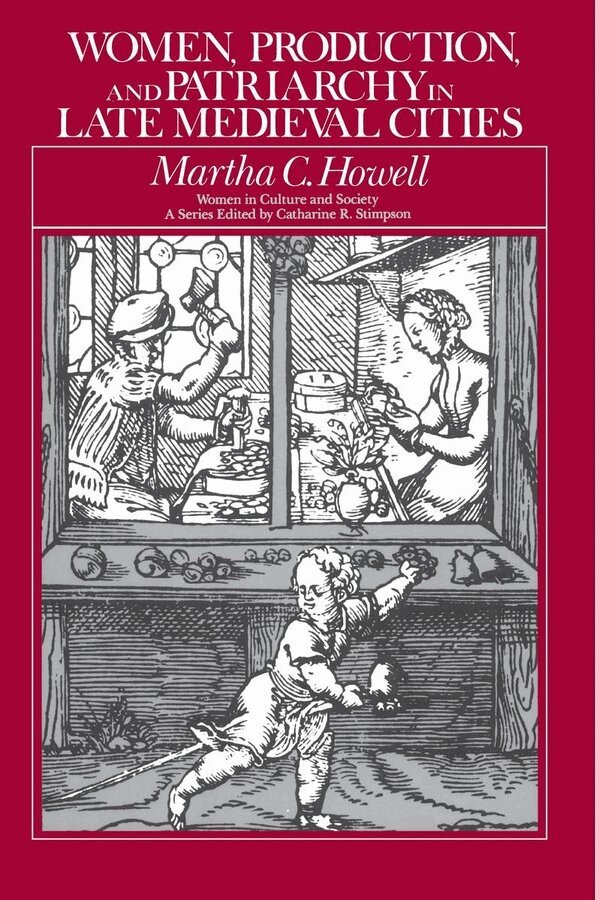
In this bold reinterpretation of Women's changing labor status during the late medieval and early modern period, Martha C. Howell argues that women's work was the product of the intersection of two systems, one cultural and one economic. Howell shows forcefully that patriarchal family structure, not capitalist development per se, was a decisive factor in determining women's work. Women could enjoy high labor status if they worked within a family production unit or if their labor did not interfere with their domestic responsibilities or threaten male control of a craft or trade.
Marriage Exchange
Property, Social Place, and Gender in Cities of the Low Countries, 1300-1550
Inbunden, Engelska, 1998
741 kr
Skickas inom 7-10 vardagar
Medieval Douai was one of the wealthiest cloth towns of Flanders, and it left an enormous archive documenting the personal financial affairs of its citizens--wills, marriage agreements, business contracts, and records of court disputes over property rights of all kinds. Based on extensive research in this archive, this book reveals how these documents were produced in a centuries-long effort to regulate--and ultimately to redefine--property and gender relations. At the center of the transformation was a shift from a marital property regime based on custom to one based on contract. In the former, a widow typically inherited her husband's property; in the latter, she shared it with or simply held it for his family or offspring. Howell asks why the law changed as it did and assesses the law's effects on both social and gender meanings but she insists that the reform did not originate in general dissatisfaction with custom or a desire to disempower widows. Instead, it was born in a complex economic, social and cultural history during which Douaisiens gradually came to think about both property and gender in new ways.
Marriage Exchange
Property, Social Place, and Gender in Cities of the Low Countries, 1300-1550
Häftad, Engelska, 1998
298 kr
Skickas inom 7-10 vardagar
Medieval Douai was one of the wealthiest cloth towns of Flanders, and it left an enormous archive documenting the personal financial affairs of its citizens—wills, marriage agreements, business contracts, and records of court disputes over property rights of all kinds.Based on extensive research in this archive, this book reveals how these documents were produced in a centuries-long effort to regulate—and ultimately to redefine—property and gender relations. At the center of the transformation was a shift from a marital property regime based on custom to one based on contract. In the former, a widow typically inherited her husband's property; in the latter, she shared it with or simply held it for his family or offspring. Howell asks why the law changed as it did and assesses the law's effects on both social and gender meanings but she insists that the reform did not originate in general dissatisfaction with custom or a desire to disempower widows. Instead, it was born in a complex economic, social and cultural history during which Douaisiens gradually came to think about both property and gender in new ways.
370 kr
Skickas inom 7-10 vardagar
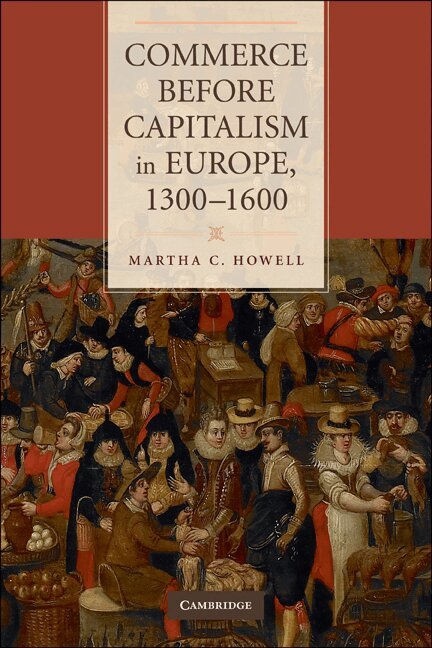
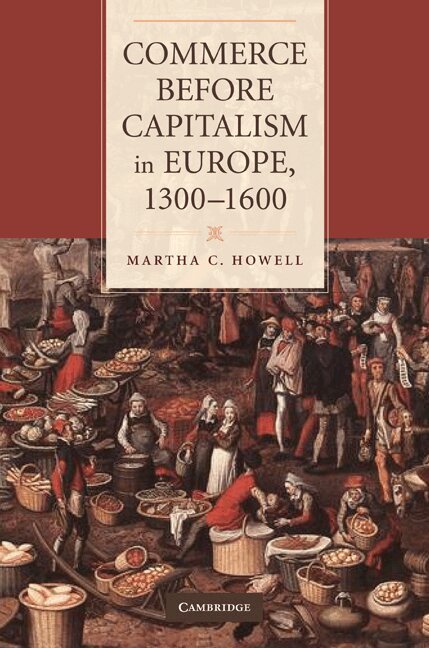
Martha C. Howell challenges dominant interpretations of the relationship between the so-called commercial revolution of late medieval Europe and the capitalist age that followed. She argues that the merchants, shopkeepers, artisans, and consumers in cities and courts throughout Western Europe, even in the urbanized Low Countries that are the main focus of this study, were by no means proto-capitalist and did not consider their property a fungible asset. Even though they freely bought and sold property using sophisticated financial techniques, they preserved its capacity to secure social bonds by intensifying market regulations and by assigning new meaning to marriage, gift-giving, and consumption. Later generations have sometimes found such actions perplexing, often dismissing them as evidence that business people of the late medieval and early modern worlds did not fully understand market rules. Howell, by contrast, shows that such practices were governed by a logic specific to their age and that, however primitive they may appear to subsequent generations, these practices made Europe's economic future possible.
1 200 kr
Skickas inom 7-10 vardagar
Martha C. Howell challenges dominant interpretations of the relationship between the so-called commercial revolution of late medieval Europe and the capitalist age that followed. She argues that the merchants, shopkeepers, artisans, and consumers in cities and courts throughout Western Europe, even in the urbanized Low Countries that are the main focus of this study, were by no means proto-capitalist and did not consider their property a fungible asset. Even though they freely bought and sold property using sophisticated financial techniques, they preserved its capacity to secure social bonds by intensifying market regulations and by assigning new meaning to marriage, gift-giving, and consumption. Later generations have sometimes found such actions perplexing, often dismissing them as evidence that business people of the late medieval and early modern worlds did not fully understand market rules. Howell, by contrast, shows that such practices were governed by a logic specific to their age and that, however primitive they may appear to subsequent generations, these practices made Europe's economic future possible.
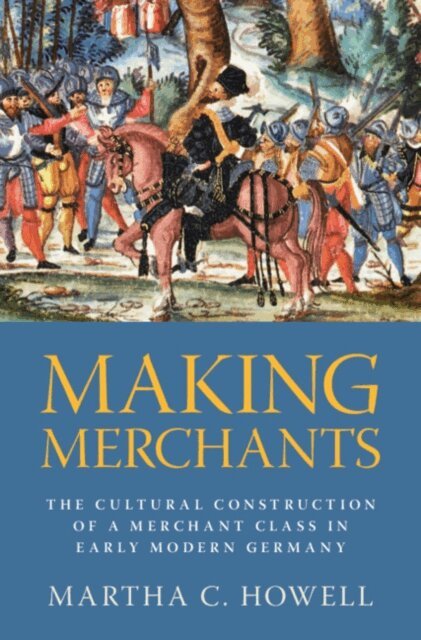
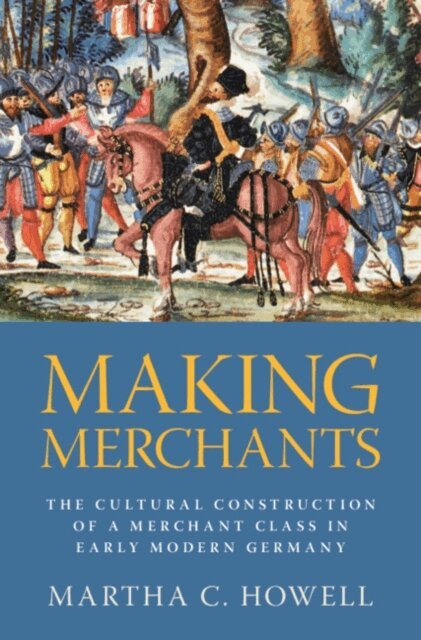
Making Merchants
The Cultural Construction of a Merchant Class in Early Modern Germany
Inbunden, Engelska, 2025
1 228 kr
Skickas inom 7-10 vardagar
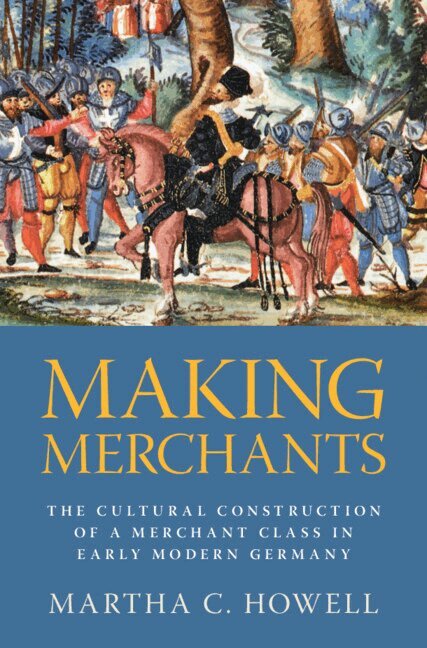
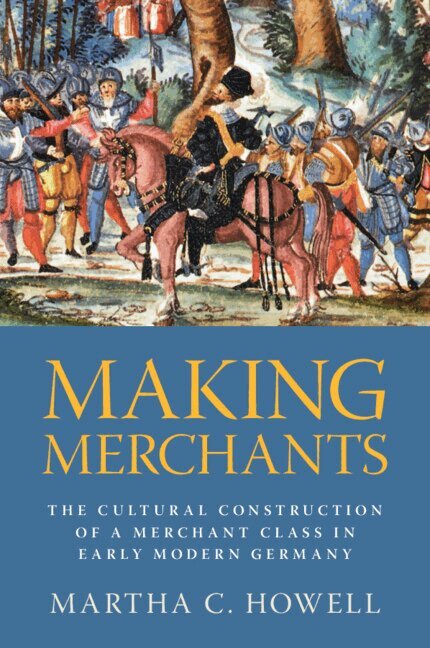
Using a rare collection of personal narratives written by successful merchants in early modern German-speaking Europe, this study examines how such men understood their role in commerce and in society more generally. As they told it, their honor was based not just on riches won in long-distance trade but, more fundamentally, on their comportment both in and outside the marketplace. As these men described their experiences as husbands and fathers, as civic leaders, as men who "lived nobly," or as practitioners of their faith, they did not, however, seek to obscure their role as merchants. Rather, they built on it to construct a class identity that allowed them entry into the period's moral economy. Martha C. Howell not only disrupts linear histories of capitalism and modernity, she demonstrates how the model of mercantile honor these merchants fashioned would live beyond the early modern centuries, providing later capitalists with a narrative about their own self-worth.
Making Merchants
The Cultural Construction of a Merchant Class in Early Modern Germany
Häftad, Engelska, 2025
370 kr
Skickas inom 7-10 vardagar
Using a rare collection of personal narratives written by successful merchants in early modern German-speaking Europe, this study examines how such men understood their role in commerce and in society more generally. As they told it, their honor was based not just on riches won in long-distance trade but, more fundamentally, on their comportment both in and outside the marketplace. As these men described their experiences as husbands and fathers, as civic leaders, as men who "lived nobly," or as practitioners of their faith, they did not, however, seek to obscure their role as merchants. Rather, they built on it to construct a class identity that allowed them entry into the period's moral economy. Martha C. Howell not only disrupts linear histories of capitalism and modernity, she demonstrates how the model of mercantile honor these merchants fashioned would live beyond the early modern centuries, providing later capitalists with a narrative about their own self-worth.