Martin F. Manalansan - Böcker
Visar alla böcker från författaren Martin F. Manalansan. Handla med fri frakt och snabb leverans.
10 produkter
10 produkter
909 kr
Skickas inom 10-15 vardagar
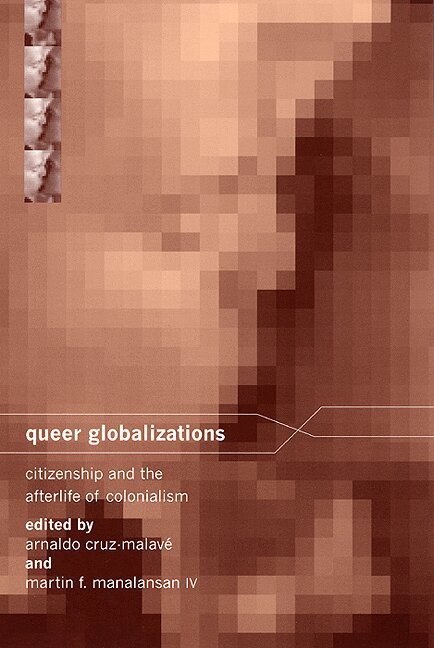
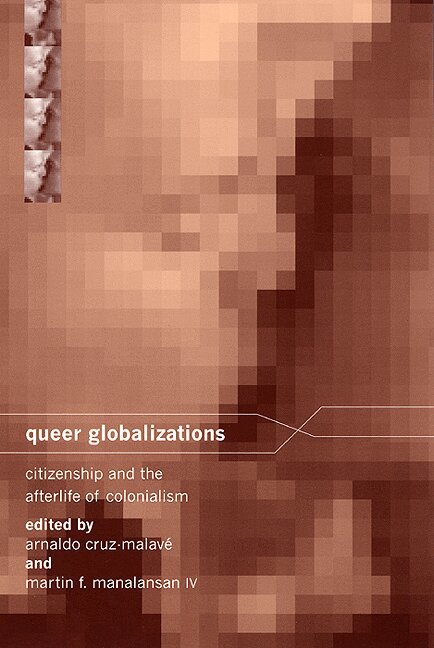
Scholars of postcolonial and LGBT studies examine the validity of the globalization of queer culturesGlobalization has a taste for queer cultures. Whether in advertising, film, performance art, the internet, or in the political discourses of human rights in emerging democracies, queerness sells and the transnational circulation of peoples, identities and social movements that we call "globalization" can be liberating to the extent that it incorporates queer lives and cultures. From this perspective, globalization is seen as allowing the emergence of queer identities and cultures on a global scale.The essays in Queer Globalizations bring together scholars of postcolonial and lesbian and gay studies in order to examine from multiple perspectives the narratives that have sought to define globalization. In examining the tales that have been spun about globalization, these scholars have tried not only to assess the validity of the claims made for globalization, they have also attempted to identify the tactics and rhetorical strategies through which these claims and through which global circulation are constructed and operate.Contributors include Joseba Gabilondo, Gayatri Gopinath, Janet Ann Jakobsen, Miranda Joseph, Katie King, William Leap, Lawrence LaFountain-Stokes, Bill Maurer, Cindy Patton, Chela Sandoval, Ann Pellegrini, Silviano Santiago, and Roberto Strongman.
399 kr
Skickas inom 7-10 vardagar
Scholars of postcolonial and LGBT studies examine the validity of the globalization of queer culturesGlobalization has a taste for queer cultures. Whether in advertising, film, performance art, the internet, or in the political discourses of human rights in emerging democracies, queerness sells and the transnational circulation of peoples, identities and social movements that we call "globalization" can be liberating to the extent that it incorporates queer lives and cultures. From this perspective, globalization is seen as allowing the emergence of queer identities and cultures on a global scale.The essays in Queer Globalizations bring together scholars of postcolonial and lesbian and gay studies in order to examine from multiple perspectives the narratives that have sought to define globalization. In examining the tales that have been spun about globalization, these scholars have tried not only to assess the validity of the claims made for globalization, they have also attempted to identify the tactics and rhetorical strategies through which these claims and through which global circulation are constructed and operate.Contributors include Joseba Gabilondo, Gayatri Gopinath, Janet Ann Jakobsen, Miranda Joseph, Katie King, William Leap, Lawrence LaFountain-Stokes, Bill Maurer, Cindy Patton, Chela Sandoval, Ann Pellegrini, Silviano Santiago, and Roberto Strongman.
321 kr
Skickas inom 7-10 vardagar
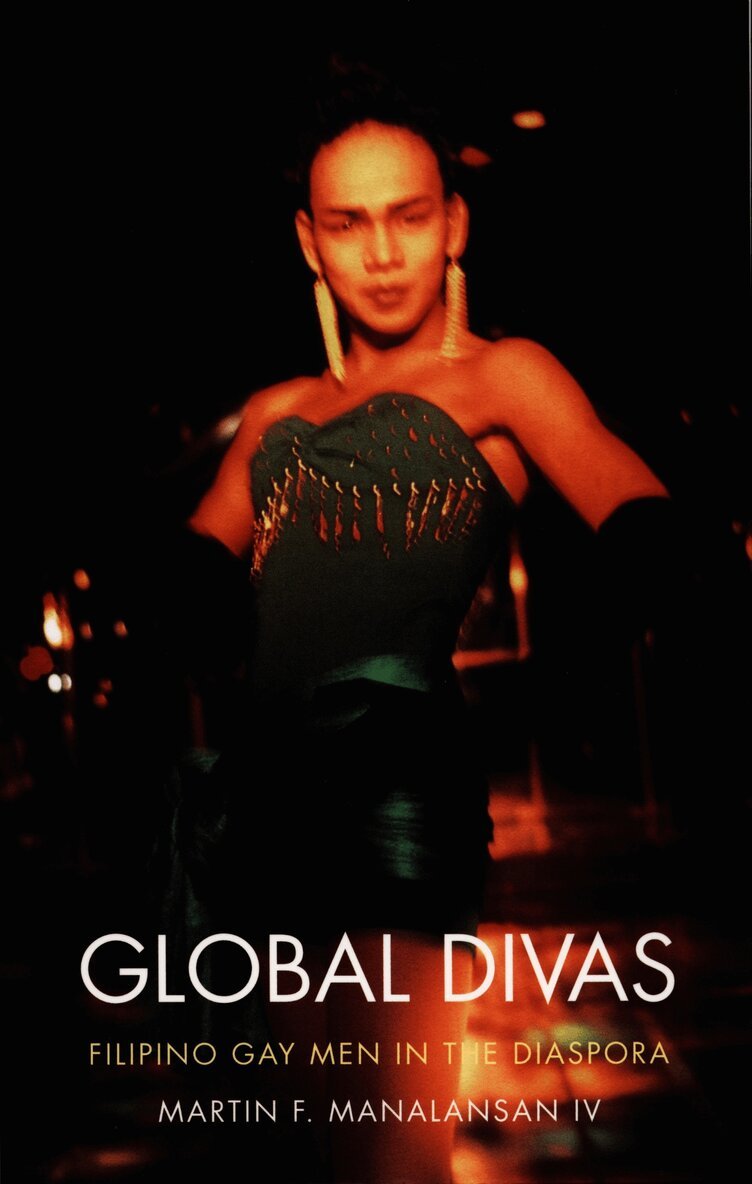
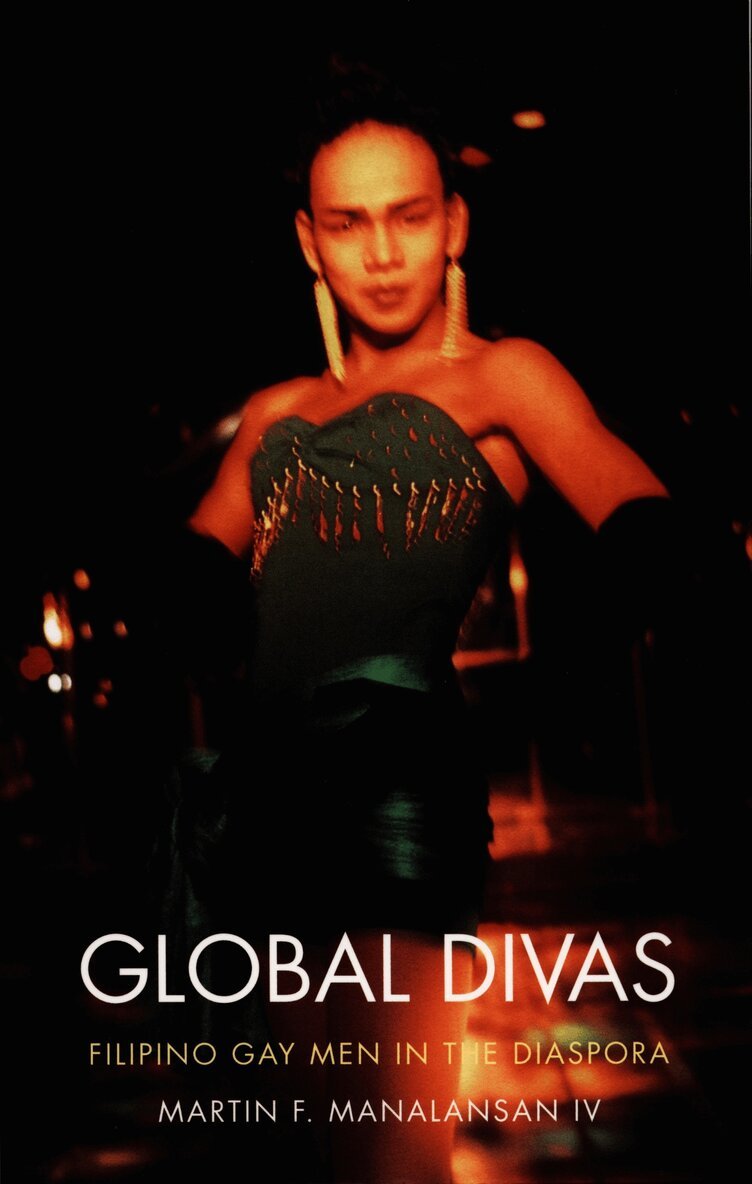
A vivid ethnography of the global and transnational dimensions of gay identity as lived by Filipino immigrants in New York City, Global Divas challenges beliefs about the progressive development of a gay world and the eventual assimilation of all queer folks into gay modernity. Insisting that gay identity is not teleological but fraught with fissures, Martin Manalansan IV describes how Filipino gay immigrants, like many queers of color, are creating alternative paths to queer modernity and citizenship. He makes a compelling argument for the significance of diaspora and immigration as sites for investigating the complexities of gender, race, and sexuality.Manalansan locates diasporic, transnational, and global dimensions of gay and other queer identities within a framework of quotidian struggles ranging from everyday domesticity to public engagements with racialized and gendered images to life-threatening situations involving AIDS. He reveals the gritty, mundane, and often contradictory deeds and utterances of Filipino gay men as key elements of queer globalization and transnationalism. Through careful and sensitive analysis of these men’s lives and rituals, he demonstrates that transnational gay identity is not merely a consumable product or lifestyle, but rather a pivotal element in the multiple, shifting relationships that queer immigrants of color mobilize as they confront the tribulations of a changing world.
151 kr
Skickas inom 7-10 vardagar
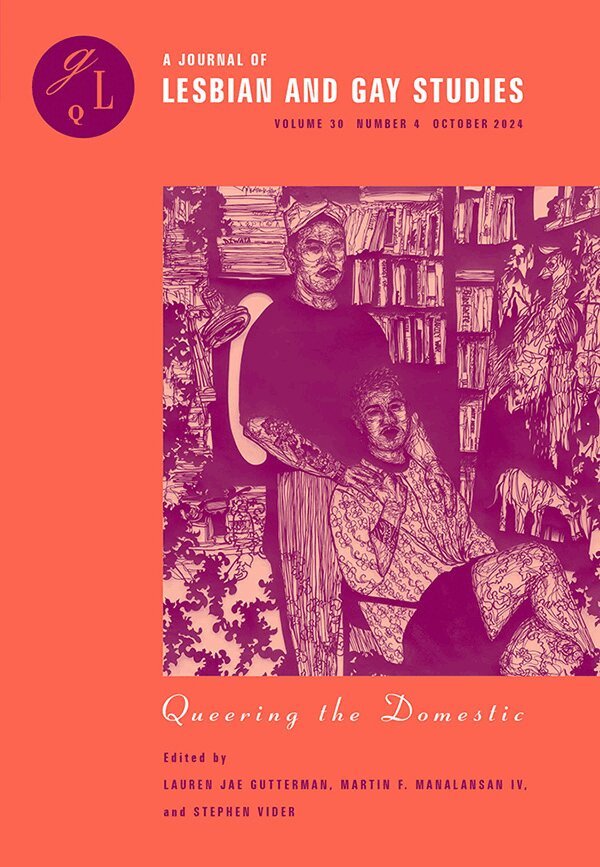
Contributors to this special issue investigate how spaces and practices of “home” structure and challenge norms of intimate and collective belonging as they play out in everyday life. Asking what it means to queer or reinvent the domestic by examining the diverse functionings of home for LGBTQIA+ and other marginalized groups in both the past and the present, the authors describe historical and contemporary shifts in the meanings of home as an opportunity to rethink domestic spaces, ideologies, and practices in queer politics and culture.Contributors. Rasel Ahmed, Miguel Avalos, Darius Bost, Zhen Cheng, Ariel Dela Cruz, RenÉ Esparza, Jules Gill-Peterson, Gayatri Gopinath, Lauren Jae Gutterman, Joseph Henry, Efadul Huq, Holly Jackson, Jina B. Kim, Martin F. Manalansan IV, Sara Matthiesen, Nivati Misra-Shenoy, Richard Mora, Shoniqua Roach, Cody St. Clair, Maggie Schreiner, Gee Imaan Semmalar, Virginia Thomas, Stephen Vider, Hentyle Yapp
949 kr
Skickas inom 10-15 vardagar
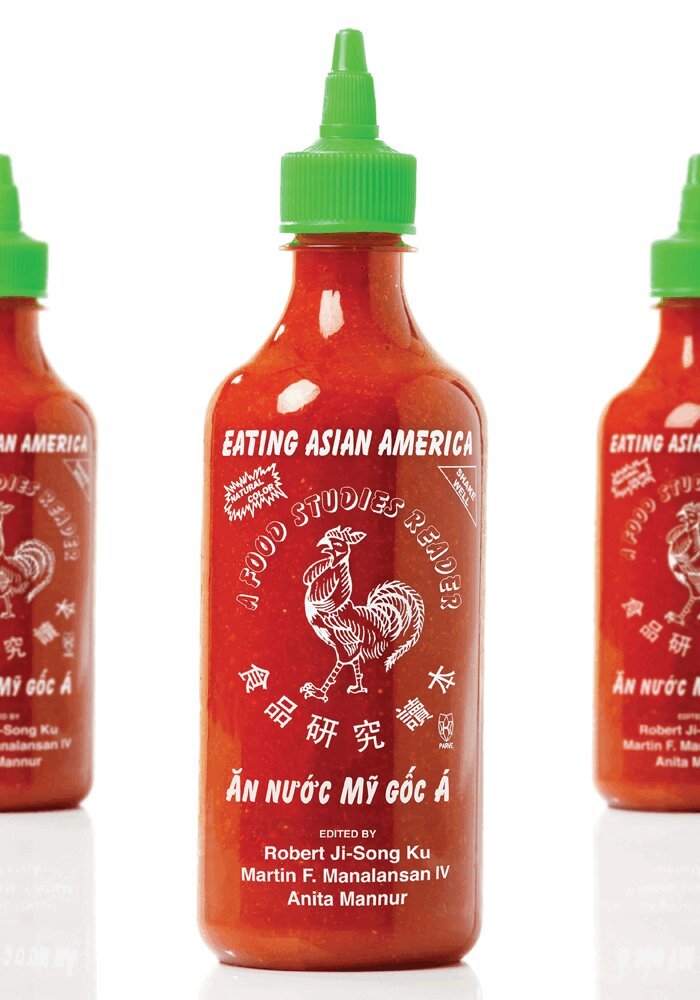
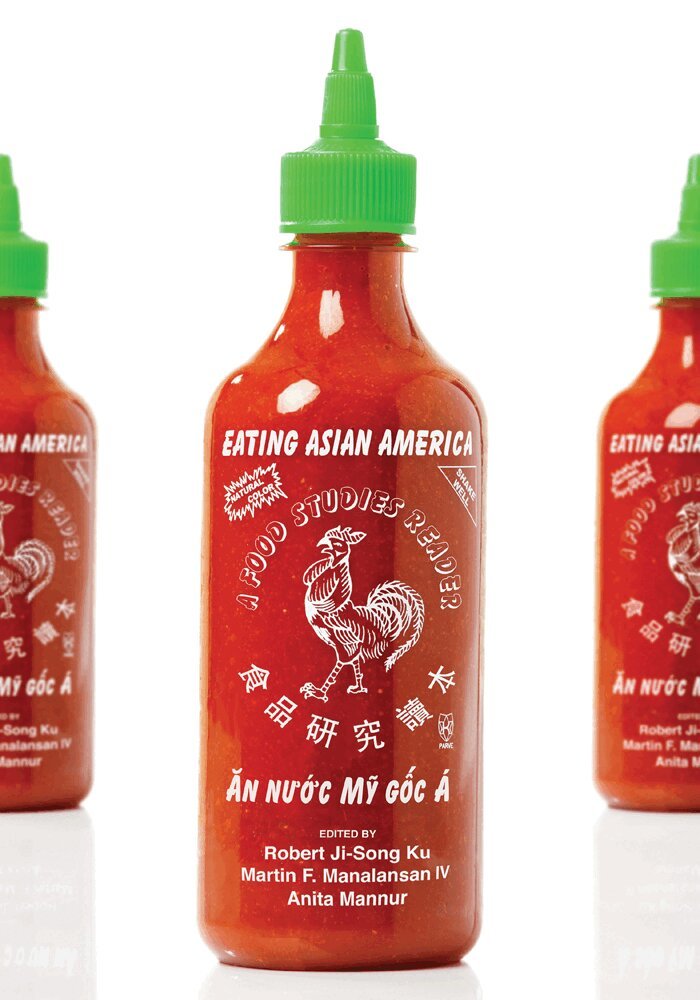
Examines the ways our conceptions of Asian American food have been shapedChop suey. Sushi. Curry. Adobo. Kimchi. The deep associations Asians in the United States have with food have become ingrained in the American popular imagination. So much so that contentious notions of ethnic authenticity and authority are marked by and argued around images and ideas of food.Eating Asian America: A Food Studies Reader collects burgeoning new scholarship in Asian American Studies that centers the study of foodways and culinary practices in our understanding of the racialized underpinnings of Asian Americanness. It does so by bringing together twenty scholars from across the disciplinary spectrum to inaugurate a new turn in food studies: the refusal to yield to a superficial multiculturalism that naively celebrates difference and reconciliation through the pleasures of food and eating. By focusing on multi-sited struggles across various spaces and times, the contributors to this anthology bring into focus the potent forces of class, racial, ethnic, sexual and gender inequalities that pervade and persist in the production of Asian American culinary and alimentary practices, ideas, and images. This is the first collection to consider the fraught itineraries of Asian American immigrant histories and how they are inscribed in the production and dissemination of ideas about Asian American foodways.
1 091 kr
Skickas inom 10-15 vardagar
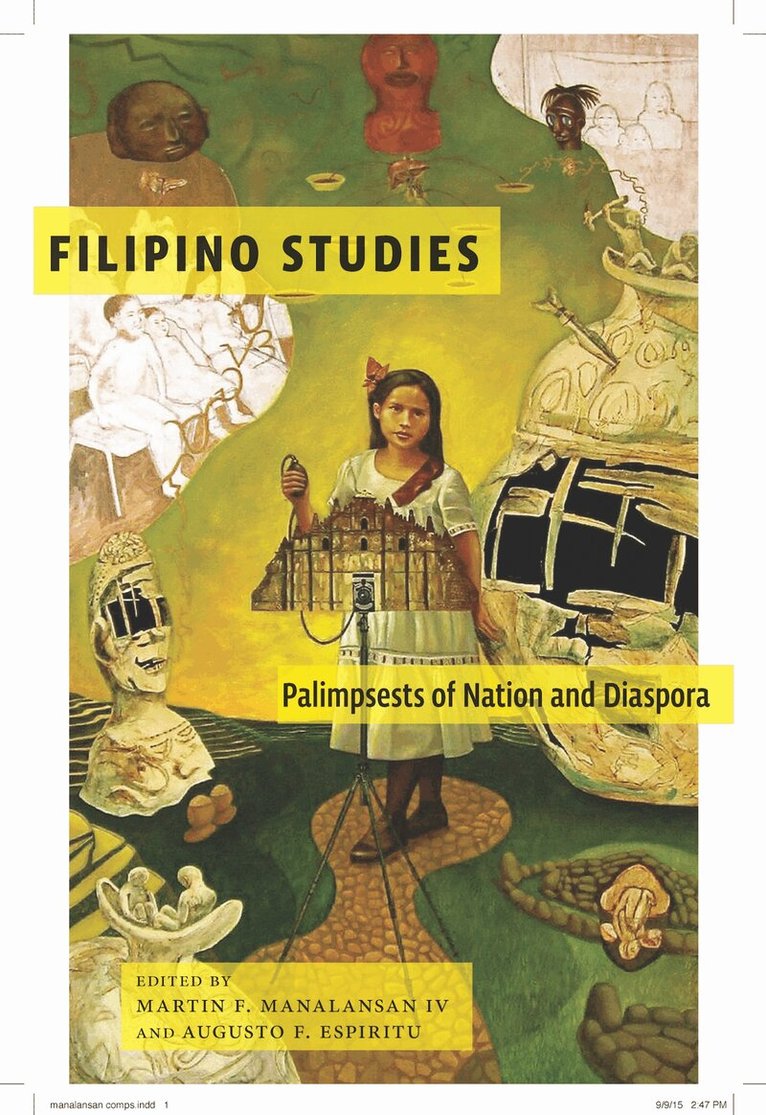
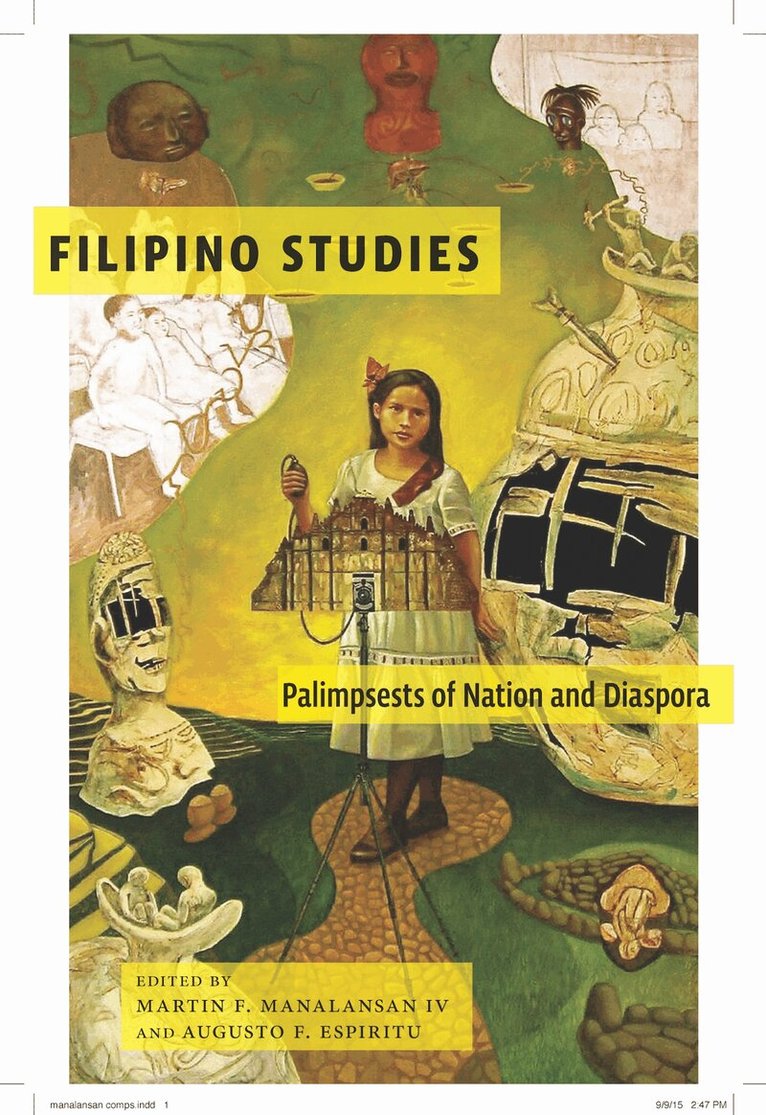
After years of occupying a vexed position in the American academy, Philippine studies has come into its own, emerging as a trenchant and dynamic space of inquiry. Filipino Studies is a field-defining collection of vibrant voices, critical perspectives, and provocative ideas about the cultural, political, and economic state of the Philippines and its diaspora. Traversing issues of colonialism, neoliberalism, globalization, and nationalism, this volume examines not only the past and present position of the Philippines and its people, but also advances new frameworks for re-conceptualizing this growing field. Written by a prestigious lineup of international scholars grappling with the legacies of colonialism and imperial power, the essays examine both the genealogy of the Philippines' hyphenated identity as well as the future trajectory of the field. Hailing from multiple disciplines in the humanities and social sciences, the contributors revisit and contest traditional renditions of Philippine colonial histories, from racial formations and the Japanese occupation to the Cold War and "independence" from the United States. Whether addressing the contested memories of World War II, the "voyage" of Filipino men and women into the U.S. metropole, or migrant labor and the notion of home, the assembled essays tease out the links between the past and present, with a hopeful longing for various futures. Filipino Studies makes bold declarations about the productive frameworks that open up new archives and innovative landscapes of knowledge for Filipino and Filipino American Studies.
1 086 kr
Skickas inom 10-15 vardagar
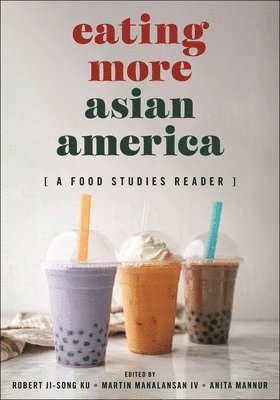
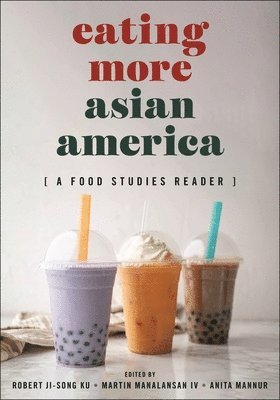
The diversity of Asian American food culture Asian American-inspired foods are everywhere—or so it seems. A decade ago, chop suey, sushi, curry, adobo, and kimchi were emblematic of Asian American culinary influence. Today, boba, ube, bibingka, phở, matcha, gochujang, and málà have joined the roster of foods strongly associated with Asian Americans. These foods were once considered exotic but now are embraced by mainstream culture.Food studies continues to be an appetizing area of Asian American studies. Eating More Asian America is a follow-up to the influential Eating Asian America, and it provides a rich illustration of the intersection of Asian America and its various foodways. The book posits that food is never simply sustenance—the comestible material that provides fuel for our bodies. Rather, food is a way of knowing, a way of being, and a way of understanding. The essays in Eating More Asian America convey the intellectual richness of various foodways as they intersect with and inform the racial and political construct known as "Asian America."The twenty-one essays in this volume reflect the diversity of Asian America itself as well as the subfield of food studies. The volume not only offers coverage in terms of topics and types of ethnic food, it also provides a rich and impressive array of methodological approaches. A veritable feast for the senses, Eating More Asian America explores the myriad ways critical eating studies has developed over the past decade.
357 kr
Skickas
The diversity of Asian American food culture Asian American-inspired foods are everywhere—or so it seems. A decade ago, chop suey, sushi, curry, adobo, and kimchi were emblematic of Asian American culinary influence. Today, boba, ube, bibingka, phở, matcha, gochujang, and málà have joined the roster of foods strongly associated with Asian Americans. These foods were once considered exotic but now are embraced by mainstream culture.Food studies continues to be an appetizing area of Asian American studies. Eating More Asian America is a follow-up to the influential Eating Asian America, and it provides a rich illustration of the intersection of Asian America and its various foodways. The book posits that food is never simply sustenance—the comestible material that provides fuel for our bodies. Rather, food is a way of knowing, a way of being, and a way of understanding. The essays in Eating More Asian America convey the intellectual richness of various foodways as they intersect with and inform the racial and political construct known as "Asian America."The twenty-one essays in this volume reflect the diversity of Asian America itself as well as the subfield of food studies. The volume not only offers coverage in terms of topics and types of ethnic food, it also provides a rich and impressive array of methodological approaches. A veritable feast for the senses, Eating More Asian America explores the myriad ways critical eating studies has developed over the past decade.
399 kr
Skickas inom 7-10 vardagar
Examines the ways our conceptions of Asian American food have been shapedChop suey. Sushi. Curry. Adobo. Kimchi. The deep associations Asians in the United States have with food have become ingrained in the American popular imagination. So much so that contentious notions of ethnic authenticity and authority are marked by and argued around images and ideas of food.Eating Asian America: A Food Studies Reader collects burgeoning new scholarship in Asian American Studies that centers the study of foodways and culinary practices in our understanding of the racialized underpinnings of Asian Americanness. It does so by bringing together twenty scholars from across the disciplinary spectrum to inaugurate a new turn in food studies: the refusal to yield to a superficial multiculturalism that naively celebrates difference and reconciliation through the pleasures of food and eating. By focusing on multi-sited struggles across various spaces and times, the contributors to this anthology bring into focus the potent forces of class, racial, ethnic, sexual and gender inequalities that pervade and persist in the production of Asian American culinary and alimentary practices, ideas, and images. This is the first collection to consider the fraught itineraries of Asian American immigrant histories and how they are inscribed in the production and dissemination of ideas about Asian American foodways.
414 kr
Skickas inom 7-10 vardagar
After years of occupying a vexed position in the American academy, Philippine studies has come into its own, emerging as a trenchant and dynamic space of inquiry. Filipino Studies is a field-defining collection of vibrant voices, critical perspectives, and provocative ideas about the cultural, political, and economic state of the Philippines and its diaspora. Traversing issues of colonialism, neoliberalism, globalization, and nationalism, this volume examines not only the past and present position of the Philippines and its people, but also advances new frameworks for re-conceptualizing this growing field. Written by a prestigious lineup of international scholars grappling with the legacies of colonialism and imperial power, the essays examine both the genealogy of the Philippines' hyphenated identity as well as the future trajectory of the field. Hailing from multiple disciplines in the humanities and social sciences, the contributors revisit and contest traditional renditions of Philippine colonial histories, from racial formations and the Japanese occupation to the Cold War and "independence" from the United States. Whether addressing the contested memories of World War II, the "voyage" of Filipino men and women into the U.S. metropole, or migrant labor and the notion of home, the assembled essays tease out the links between the past and present, with a hopeful longing for various futures. Filipino Studies makes bold declarations about the productive frameworks that open up new archives and innovative landscapes of knowledge for Filipino and Filipino American Studies.