Robert Ji-Song Ku - Böcker
Visar alla böcker från författaren Robert Ji-Song Ku. Handla med fri frakt och snabb leverans.
12 produkter
12 produkter
453 kr
Skickas inom 7-10 vardagar
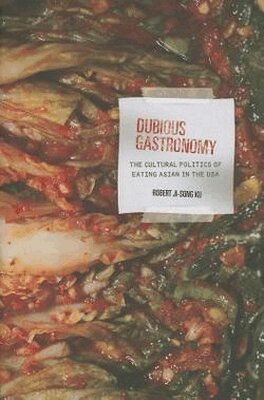
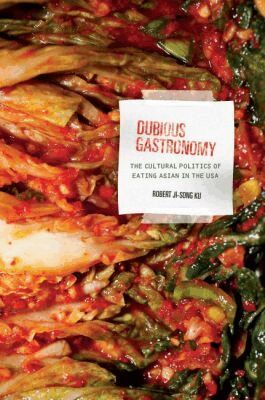
By exploring the other side of what is prescriptively understood as proper Asian gastronomy, Robert Ji-Song Ku suggests that Asian cultural expressions occurring in places such as Los Angeles, Honolulu, New York City, and even Baton Rouge are no less critical to understanding the meaning of Asian food - and, by extension, Asian people - than culinary expressions that took place in Tokyo, Seoul, and Shanghai centuries ago. In critically considering the impure and hybridized with serious and oft en whimsical intent, Dubious Gastronomy argues that while the notion of cultural authenticity is troubled, troubling, and troublesome, the apocryphal is not necessarily a bad thing: The dubious can be and is oft en quite delicious.
256 kr
Skickas inom 7-10 vardagar
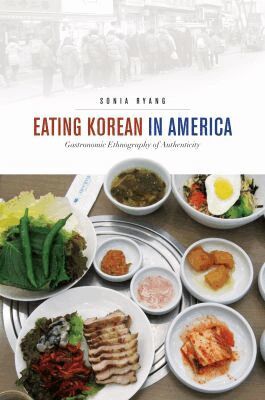
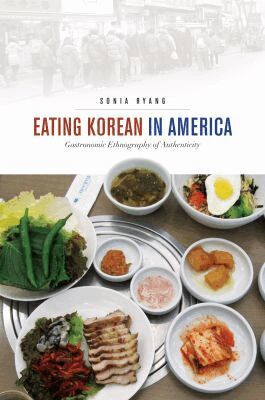
Ryang explores the world of Korean food in four American locations, visiting restaurants and grocery stores and observing Korean food as it is prepared and served. She analyzes the history and evolution of each dish, how it arrived and what it became, but above all, she tastes and experiences her food—four items to be specific—naengmyeon cold noodle soup; jeon pancakes; galbi barbecued beef; and bibimbap, rice with mixed vegetable.The accounts of the cities and their distinctive take on Korean food are at once entertaining and insightful, yet deeply moving. Ryang challenges the reader to stop and think about the food we eat every day in close connection to colonial histories, ethnic displacements, and global capitalism.
872 kr
Skickas inom 7-10 vardagar
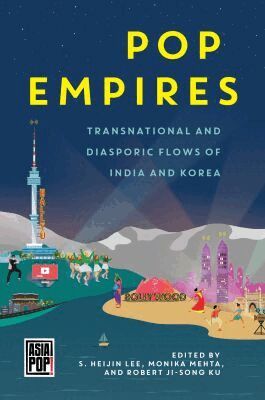
At the start of the twenty-first century challenges to the global hegemony of U.S. culture are more apparent than ever. Two of the contenders vying for the hearts, minds, bandwidths, and pocketbooks of the world's consumers of culture (principally, popular culture) are India and South Korea. “Bollywood” and “Hallyu” are increasingly competing with “Hollywood”—either replacing it or filling a void in places where it never held sway. This critical multidisciplinary anthology places the mediascapes of India (the site of Bollywood), South Korea (fountainhead of Hallyu, aka the Korean Wave), and the United States (the site of Hollywood) in comparative dialogue to explore the transnational flows of technology, capital, and labor. It asks what sorts of political and economic shifts have occurred to make India and South Korea important alternative nodes of techno-cultural production, consumption, and contestation. By adopting comparative perspectives and mobile methodologies and linking popular culture to the industries that produce it as well as the industries it supports, Pop Empires connects films, music, television serials, stardom, and fandom to nation-building, diasporic identity formation, and transnational capital and labor. Additionally, via the juxtaposition of Bollywood and Hallyu, as not only synecdoches of national affiliation but also discursive case studies, the contributors examine how popular culture intersects with race, gender, and empire in relation to the global movement of peoples, goods, and ideas.
250 kr
Skickas inom 3-6 vardagar
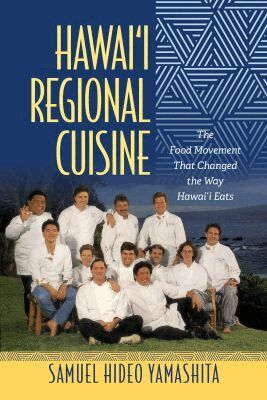
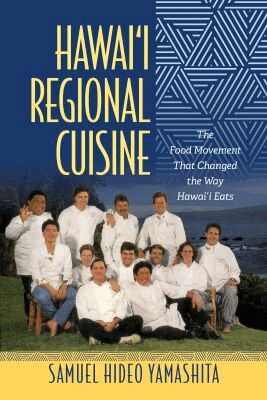
Poke, spam musubi, and loco mocos are currently the rage on the mainland United States, and restaurants serving “local food” have popped up not only in Los Angeles, San Francisco, and Seattle but also in Chicago, New York, and Washington, DC. Who could have predicted the popularity of over-the-top and carb-heavy plate lunches, spam musubi, and poke bowls? What explains this? One quick answer is Hawai‘i Regional Cuisine. The twelve chefs who grandly announced in 1991 the establishment of what they called Hawai‘i Regional Cuisine may well have paved the way. Their commitment to using locally sourced ingredients of the highest quality at their restaurants quickly attracted the interest of journalists writing for national newspapers and magazines. Yet even after they gained national acclaim and celebrity, the HRC chefs never forgot local food, and many created haute-cuisine versions of Hawai‘i’s fare, such as saimin, the malasada, and the loco moco.Samuel H. Yamashita’s Hawai‘i Regional Cuisine: The Food Movement That Changed the Way Hawai‘i Eats is the first book dedicated to the HRC movement. It is based on interviews with thirty-six chefs, farmers, retailers, culinary arts educators, and food writers, as well as on nearly everything written about the HRC chefs in the national and local media. Yamashita follows the history of this important regional movement from 1991 through 2016, offering a boldly original analysis of its cuisine and assessment of its impact on the islands.Hawai‘i Regional Cuisine will satisfy those who are passionate about food and intrigued by how the HRC movement changed the food scene in the islands.
305 kr
Skickas
At the start of the twenty-first century challenges to the global hegemony of U.S. culture are more apparent than ever. Two of the contenders vying for the hearts, minds, bandwidths, and pocketbooks of the world's consumers of culture (principally, popular culture) are India and South Korea. “Bollywood” and “Hallyu” are increasingly competing with “Hollywood”—either replacing it or filling a void in places where it never held sway. This critical multidisciplinary anthology places the mediascapes of India (the site of Bollywood), South Korea (fountainhead of Hallyu, aka the Korean Wave), and the United States (the site of Hollywood) in comparative dialogue to explore the transnational flows of technology, capital, and labor. It asks what sorts of political and economic shifts have occurred to make India and South Korea important alternative nodes of techno-cultural production, consumption, and contestation. By adopting comparative perspectives and mobile methodologies and linking popular culture to the industries that produce it as well as the industries it supports, Pop Empires connects films, music, television serials, stardom, and fandom to nation-building, diasporic identity formation, and transnational capital and labor. Additionally, via the juxtaposition of Bollywood and Hallyu, as not only synecdoches of national affiliation but also discursive case studies, the contributors examine how popular culture intersects with race, gender, and empire in relation to the global movement of peoples, goods, and ideas.
729 kr
Skickas inom 7-10 vardagar
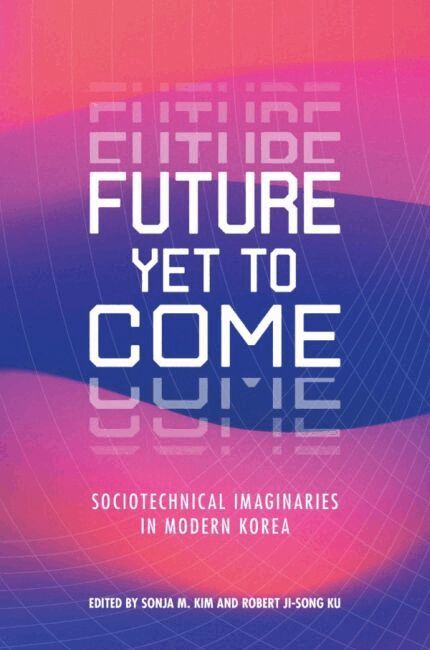
South Korea is home to cutting-edge electronics, state-of-the-art medical facilities, and ubiquitous high-speed internet. The country's meteoric rise from the ashes of the Korean War (1950-1953) to rank among the world's most technologically advanced societies is often attributed to state-led promotion of science and technology in nation-building projects. With chapters that discuss Korea's dynastic past, foreign occupations, Cold War geopolitics, postwar rehabilitation in the twentieth century, and the contemporary neoliberal moment, Future Yet to Come argues that a longer historical arc and broader disciplinary approach better elucidate these transformations. The book's contributors illuminate the "sociotechnical imaginaries" that promoted, sustained, and contested Korea's scientific, medical, and technological projects in realizing desired futures.Focusing special attention on visual culture and the life sciences, the essays present competing visions held by individuals and institutions of power in the use and purpose of scientific engagements. They demonstrate Korean specificities in culture and language, and the myriad social, political, spatial, and symbolic arrangements that shaped incorporations of and changes to existing systems of knowledge and material practices. Whether discussing moral epistemologies, imperialist or developmentalist thrusts in public health regimes, or new configurations of the "self" enabled by bio industries and media technologies, the book expands both the regional and global understanding of translation, accommodation, and transfer. Tracing imaginaries across the vicissitudes of Korea's past reminds us of their history and makes visible their shifts and resilience in dynamic political economies.Future Yet to Come reminds us how deeply intertwined science, medicine, and technology are to not only our polities, corporations, and societies but also the very human condition. Bridging histories of science and medicine with anthropologies of technology and the arts, the book will appeal to students and scholars of Korean and East Asian studies as well as those with interests in comparative history of medicine, STS (society and technology studies), art history, media studies, transnationalism, diaspora, and postcolonialism.
318 kr
Skickas inom 7-10 vardagar
South Korea is home to cutting-edge electronics, state-of-the-art medical facilities, and ubiquitous high-speed internet. The country’s meteoric rise from the ashes of the Korean War (1950–1953) to rank among the world’s most technologically advanced societies is often attributed to state-led promotion of science and technology in nation-building projects. With chapters that discuss Korea’s dynastic past, foreign occupations, Cold War geopolitics, postwar rehabilitation in the twentieth century, and the contemporary neoliberal moment, Future Yet to Come argues that a longer historical arc and broader disciplinary approach better elucidate these transformations. The book’s contributors illuminate the "sociotechnical imaginaries" that promoted, sustained, and contested Korea’s scientific, medical, and technological projects in realizing desired futures.Focusing special attention on visual culture and the life sciences, the essays present competing visions held by individuals and institutions of power in the use and purpose of scientific engagements. They demonstrate Korean specificities in culture and language, and the myriad social, political, spatial, and symbolic arrangements that shaped incorporations of and changes to existing systems of knowledge and material practices. Whether discussing moral epistemologies, imperialist or developmentalist thrusts in public health regimes, or new configurations of the "self" enabled by bio industries and media technologies, the book expands both the regional and global understanding of translation, accommodation, and transfer. Tracing imaginaries across the vicissitudes of Korea’s past recalls their history and makes visible their shifts and resilience in dynamic political economies.Future Yet to Come reminds us how deeply intertwined science, medicine, and technology are to not only our polities, corporations, and societies but also the human condition. Bridging histories of science and medicine with anthropologies of technology and the arts, the book will appeal to students and scholars of Korean and East Asian studies as well as those with interests in the comparative history of medicine, STS (society and technology studies), art history, media studies, transnationalism, diaspora, and postcolonialism.
318 kr
Skickas inom 7-10 vardagar
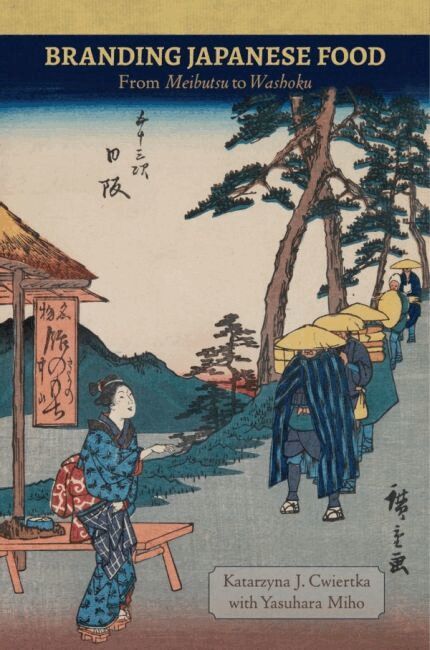
Branding Japanese Food is the first book in English on the use of food for the purpose of place branding in Japan. At the center of the narrative is the 2013 inscription of ""Washoku, traditional dietary cultures of the Japanese, notably for the celebration of New Year"" on UNESCO's Representative List of the Intangible Cultural Heritage of Humanity. The authors challenge the very definition of washoku as it was presented in the UNESCO nomination, and expose the multitude of contradictions and falsehoods used in the promotion of Japanese cuisine as part of the nation-branding agenda.Cwiertka and Yasuhara argue further that the manipulation of historical facts in the case of washoku is actually a continuation of similar practices employed for centuries in the branding of foods as iconic markers of tourist attractions. They draw parallels with gastronomic meibutsu (famous products) and edible omiyage (souvenirs), which since the early modern period have been persistently marketed through questionable connections with historical personages and events. Today, meibutsu and omiyage play a central role in the travel experience in Japan and comprise a major category in the practices of gift exchange. Few seem to mind that the stories surrounding these foods are hardly ever factual, despite the fact that the stories, rather than the food itself, constitute the primary attraction. The practice itself is derived from the intellectual exercise of evoking specific associations and sentiments by referring to imaginary landscapes, known as utamakura or meisho. At first restricted to poetry, this exercise was expanded to the visual arts, and by the early modern period familiarity with specific locations and the culinary associations they evoked had become a fixed component of public collective knowledge.The construction of the myths of meibutsu, omiyage, and washoku as described in this book not only enriches the understanding of Japanese culinary culture, but also highlights the dangers of tweaking history for branding purposes, and the even greater danger posed by historians remaining silent in the face of this irreversible reshaping of the past into a consumable product for public enjoyment.
952 kr
Skickas inom 10-15 vardagar
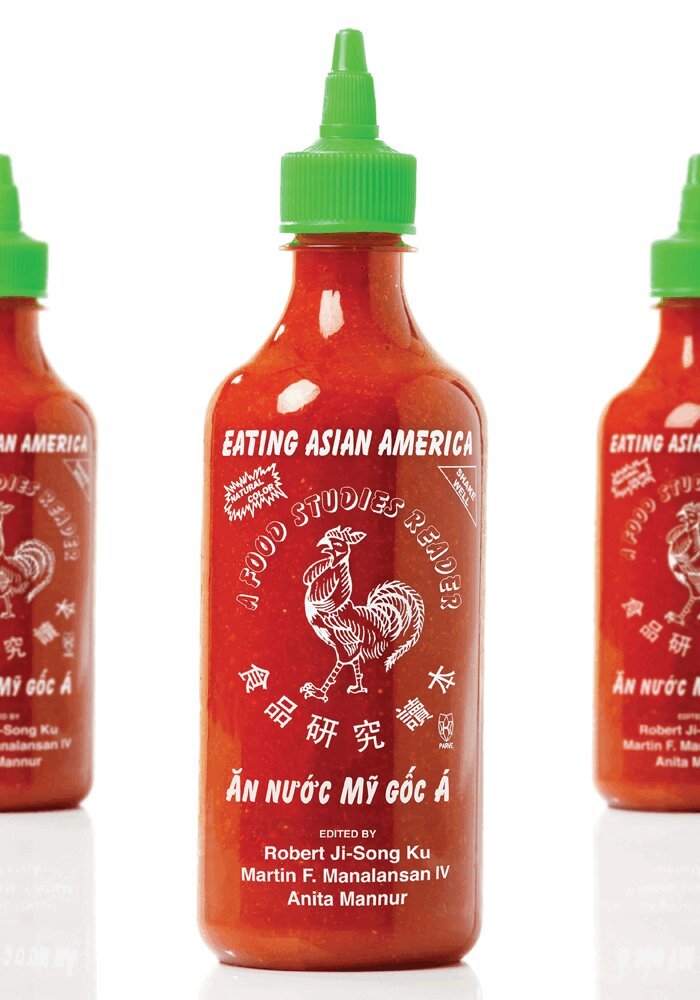
Examines the ways our conceptions of Asian American food have been shapedChop suey. Sushi. Curry. Adobo. Kimchi. The deep associations Asians in the United States have with food have become ingrained in the American popular imagination. So much so that contentious notions of ethnic authenticity and authority are marked by and argued around images and ideas of food.Eating Asian America: A Food Studies Reader collects burgeoning new scholarship in Asian American Studies that centers the study of foodways and culinary practices in our understanding of the racialized underpinnings of Asian Americanness. It does so by bringing together twenty scholars from across the disciplinary spectrum to inaugurate a new turn in food studies: the refusal to yield to a superficial multiculturalism that naively celebrates difference and reconciliation through the pleasures of food and eating. By focusing on multi-sited struggles across various spaces and times, the contributors to this anthology bring into focus the potent forces of class, racial, ethnic, sexual and gender inequalities that pervade and persist in the production of Asian American culinary and alimentary practices, ideas, and images. This is the first collection to consider the fraught itineraries of Asian American immigrant histories and how they are inscribed in the production and dissemination of ideas about Asian American foodways.
1 090 kr
Skickas inom 10-15 vardagar
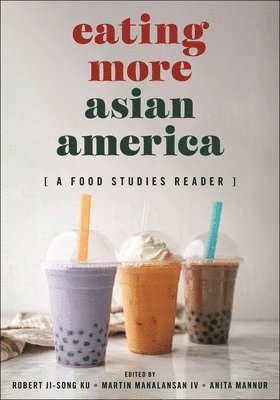
The diversity of Asian American food culture Asian American-inspired foods are everywhere—or so it seems. A decade ago, chop suey, sushi, curry, adobo, and kimchi were emblematic of Asian American culinary influence. Today, boba, ube, bibingka, phở, matcha, gochujang, and málà have joined the roster of foods strongly associated with Asian Americans. These foods were once considered exotic but now are embraced by mainstream culture.Food studies continues to be an appetizing area of Asian American studies. Eating More Asian America is a follow-up to the influential Eating Asian America, and it provides a rich illustration of the intersection of Asian America and its various foodways. The book posits that food is never simply sustenance—the comestible material that provides fuel for our bodies. Rather, food is a way of knowing, a way of being, and a way of understanding. The essays in Eating More Asian America convey the intellectual richness of various foodways as they intersect with and inform the racial and political construct known as "Asian America."The twenty-one essays in this volume reflect the diversity of Asian America itself as well as the subfield of food studies. The volume not only offers coverage in terms of topics and types of ethnic food, it also provides a rich and impressive array of methodological approaches. A veritable feast for the senses, Eating More Asian America explores the myriad ways critical eating studies has developed over the past decade.
357 kr
Skickas
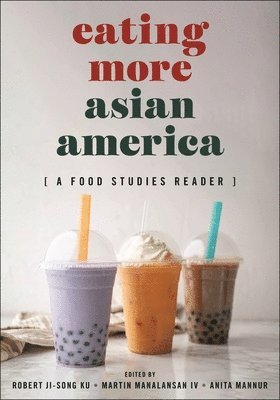
The diversity of Asian American food culture Asian American-inspired foods are everywhere—or so it seems. A decade ago, chop suey, sushi, curry, adobo, and kimchi were emblematic of Asian American culinary influence. Today, boba, ube, bibingka, phở, matcha, gochujang, and málà have joined the roster of foods strongly associated with Asian Americans. These foods were once considered exotic but now are embraced by mainstream culture.Food studies continues to be an appetizing area of Asian American studies. Eating More Asian America is a follow-up to the influential Eating Asian America, and it provides a rich illustration of the intersection of Asian America and its various foodways. The book posits that food is never simply sustenance—the comestible material that provides fuel for our bodies. Rather, food is a way of knowing, a way of being, and a way of understanding. The essays in Eating More Asian America convey the intellectual richness of various foodways as they intersect with and inform the racial and political construct known as "Asian America."The twenty-one essays in this volume reflect the diversity of Asian America itself as well as the subfield of food studies. The volume not only offers coverage in terms of topics and types of ethnic food, it also provides a rich and impressive array of methodological approaches. A veritable feast for the senses, Eating More Asian America explores the myriad ways critical eating studies has developed over the past decade.
401 kr
Skickas inom 7-10 vardagar
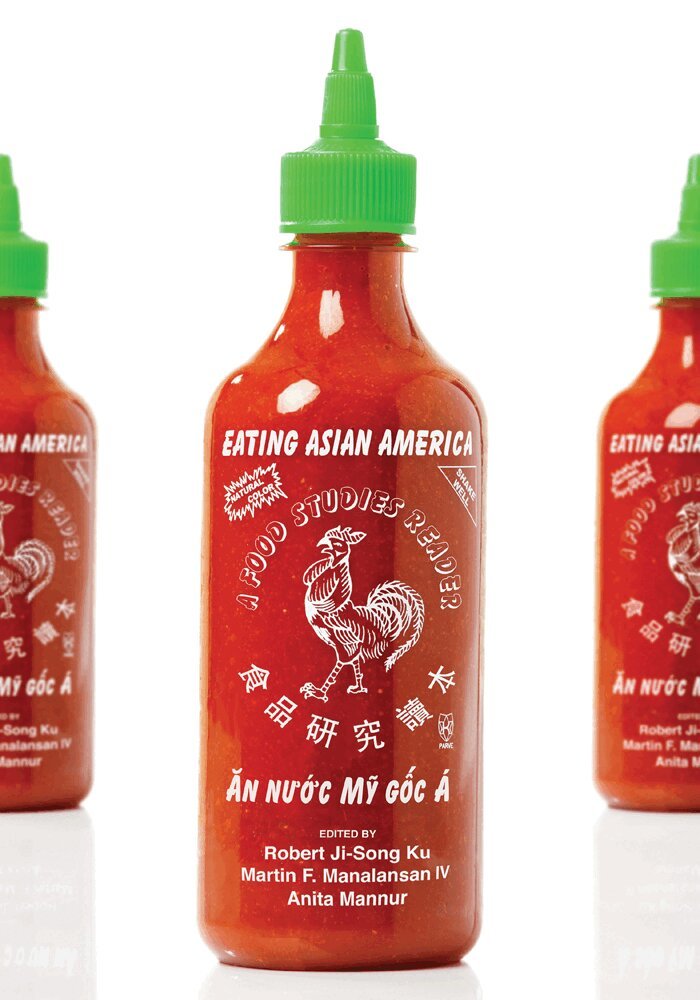
Examines the ways our conceptions of Asian American food have been shapedChop suey. Sushi. Curry. Adobo. Kimchi. The deep associations Asians in the United States have with food have become ingrained in the American popular imagination. So much so that contentious notions of ethnic authenticity and authority are marked by and argued around images and ideas of food.Eating Asian America: A Food Studies Reader collects burgeoning new scholarship in Asian American Studies that centers the study of foodways and culinary practices in our understanding of the racialized underpinnings of Asian Americanness. It does so by bringing together twenty scholars from across the disciplinary spectrum to inaugurate a new turn in food studies: the refusal to yield to a superficial multiculturalism that naively celebrates difference and reconciliation through the pleasures of food and eating. By focusing on multi-sited struggles across various spaces and times, the contributors to this anthology bring into focus the potent forces of class, racial, ethnic, sexual and gender inequalities that pervade and persist in the production of Asian American culinary and alimentary practices, ideas, and images. This is the first collection to consider the fraught itineraries of Asian American immigrant histories and how they are inscribed in the production and dissemination of ideas about Asian American foodways.