Samuel Hideo Yamashita – författare
Visar alla böcker från författaren Samuel Hideo Yamashita. Handla med fri frakt och snabb leverans.
5 produkter
5 produkter
E-bok
Engelska, 2016393 kr
Läs direkt efter köp
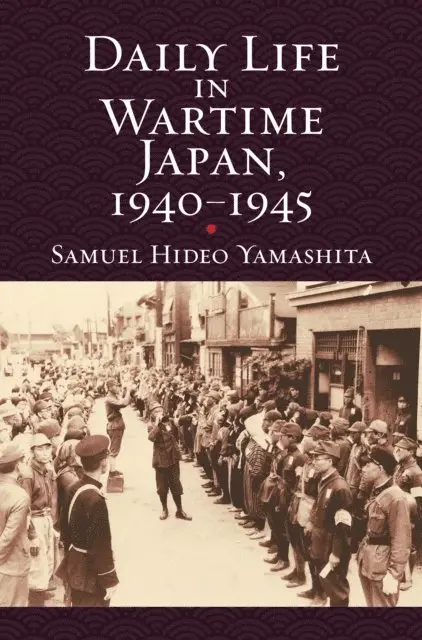
The population of wartime Japan (1940–1945) has remained a largely faceless enemy to most Americans thanks to the distortions of US wartime propaganda, popular culture, and news reports. At a time when this country’s wartime experiences are slowly and belatedly coming into focus, this remarkable book by Samuel Yamashita offers an intimate picture of what life was like for ordinary Japanese during the war. Drawing upon diaries and letters written by servicemen, kamikaze pilots, evacuated children, and teenagers and adults mobilized for war work in the big cities, provincial towns, and rural communities, Yamashita lets us hear for the first time the rich mix of voices speaking in every register during the course of the war.Here is the housewife struggling to feed her family while supporting the war effort; the eager conscript from snow country enduring the harshest, most abusive training imaginable in order to learn how to fly; the Tokyo teenagers made to work in wartime factories; the children taken from cities to live in the countryside away from their families and with little food and no privacy; the Kyushu farmers pressured to grow ever more rice and wheat with fewer hands and less fertilizer; and the Kyoto octogenarian driven to thoughts of suicide by his inability to contribute to the war. How these ordinary Japanese coped with wartime hardships and dangers, and how their views changed over time as disillusionment, impatience, and sometimes despair set in, is the story that Yamashita’s book brings to the American reader. A history of life during war, Daily Life in Wartime Japan, 1940–1945 is also a glimpse of a now-vanished world.
Häftad, Engelska, 2017
329 kr
Skickas inom 5-8 vardagar
An intimate history of the lives of ordinary Japanese during World War II that introduces us to housewives in provincial cities struggling to feed their families while supporting the war effort, a conscript from northern Japan who endured the harshest and most abusive training imaginable to learn to fly, Tokyo teenagers mobilized to work in wartime factories, children evacuated from the big cities to a life in the countryside with little food, bullying, and no privacy, farmers pressured to grow more rice and wheat with less fertilizer and fewer hands, and a Kyoto octogenarian whose inability to contribute to the war effort leads him to contemplate suicide.
Inbunden, Engelska, 2005
1 062 kr
Skickas inom 10-15 vardagar
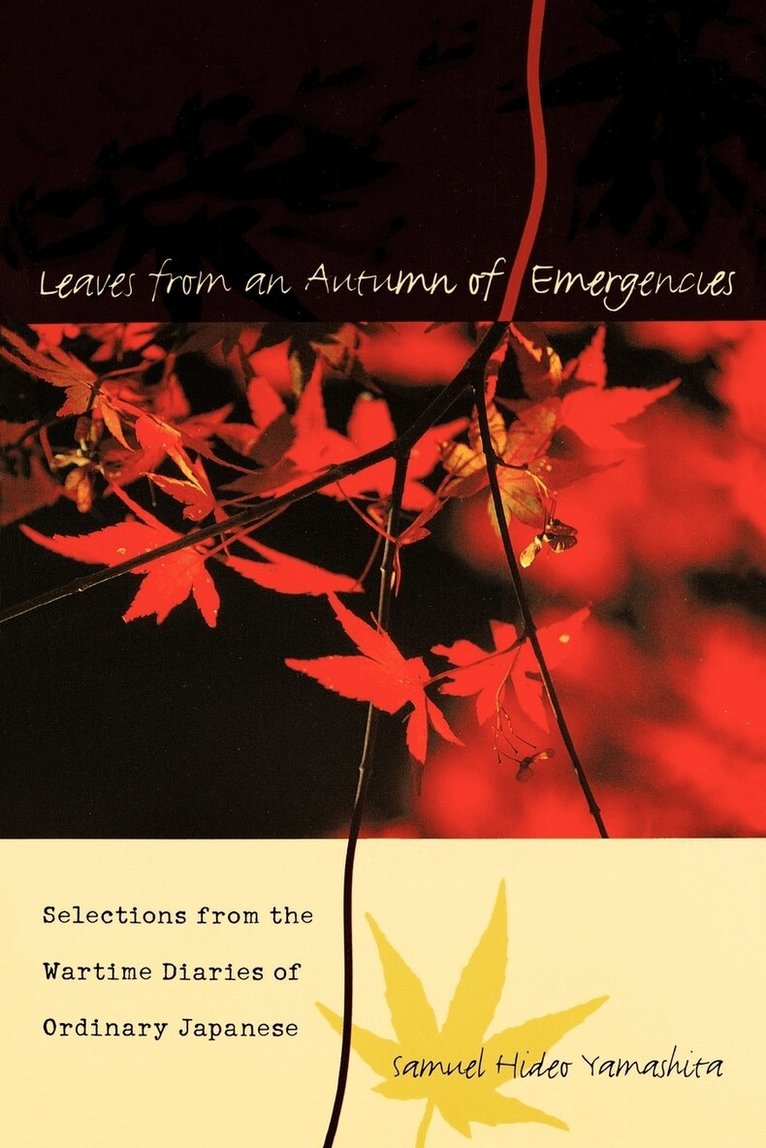
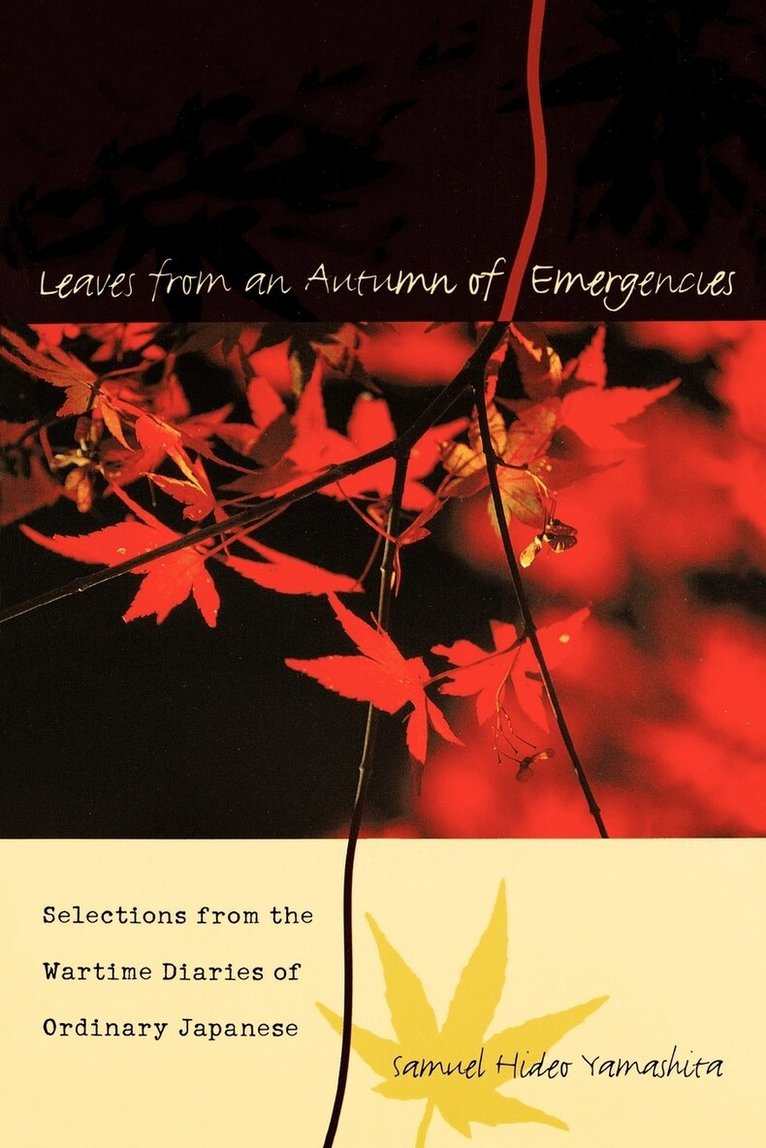
The fall of Singapore and the brilliant victories achieved since the start of the war mean we are protected, but I don’t know just how grateful I should be. —Takahashi Aiko, housewife, February 1942This is my final departure from the home islands. I have paid my respects to those who have helped me. I have no regrets. —Itabashi Yasuo, navy kamikaze pilot, February 1944 We had rice gruel for lunch again. There was no tofu in it, but there were potatoes.... We went through with the closing ceremony and received our report cards. Everyone was there. From now on, I’ll persevere and not fail. —Manabe Ichiro, primary school student, July 1944 This collection of diaries gives readers a powerful, firsthand look at the effects of the Pacific War on eight ordinary Japanese. Immediate, vivid, and at times surprisingly frank, the diaries chronicle the last years of the war and its aftermath as experienced by a navy kamikaze pilot, an army straggler on Okinawa, an elderly Kyoto businessman, a Tokyo housewife, a young working woman in Tokyo, a teenage girl mobilized for war work, and two schoolchildren evacuated to the countryside. Samuel Yamashita’s introduction provides a helpful overview of the historiography on wartime Japan and offers valuable insights into the important, everyday issues that concerned Japanese during a different and disastrously difficult time.
Häftad, Engelska, 2005
315 kr
Skickas inom 10-15 vardagar
This collection of diaries gives readers a powerful, firsthand look at the effects of the Pacific War on eight ordinary Japanese. Immediate, vivid, and at times surprisingly frank, the diaries chronicle the last years of the war and its aftermath as experienced by a navy kamikaze pilot, an army straggler on Okinawa, an elderly Kyoto businessman, a Tokyo housewife, a young working woman in Tokyo, a teenage girl mobilized for war work, and two school-children evacuated to the countryside. Samuel Yamashita's introduction provides a helpful overview of the historiography on wartime Japan and offers valuable insights into the important, everyday issues that concerned Japanese during a different and disastrously difficult time.
Häftad, Engelska, 2019
245 kr
Skickas inom 3-6 vardagar
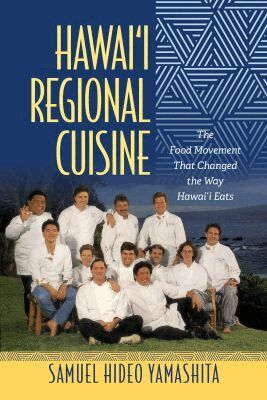
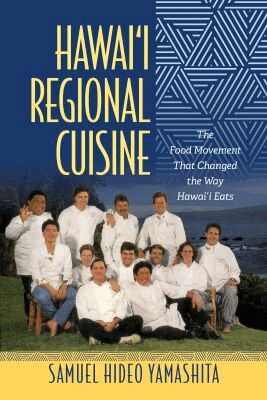
Poke, spam musubi, and loco mocos are currently the rage on the mainland United States, and restaurants serving “local food” have popped up not only in Los Angeles, San Francisco, and Seattle but also in Chicago, New York, and Washington, DC. Who could have predicted the popularity of over-the-top and carb-heavy plate lunches, spam musubi, and poke bowls? What explains this? One quick answer is Hawai‘i Regional Cuisine. The twelve chefs who grandly announced in 1991 the establishment of what they called Hawai‘i Regional Cuisine may well have paved the way. Their commitment to using locally sourced ingredients of the highest quality at their restaurants quickly attracted the interest of journalists writing for national newspapers and magazines. Yet even after they gained national acclaim and celebrity, the HRC chefs never forgot local food, and many created haute-cuisine versions of Hawai‘i’s fare, such as saimin, the malasada, and the loco moco.Samuel H. Yamashita’s Hawai‘i Regional Cuisine: The Food Movement That Changed the Way Hawai‘i Eats is the first book dedicated to the HRC movement. It is based on interviews with thirty-six chefs, farmers, retailers, culinary arts educators, and food writers, as well as on nearly everything written about the HRC chefs in the national and local media. Yamashita follows the history of this important regional movement from 1991 through 2016, offering a boldly original analysis of its cuisine and assessment of its impact on the islands.Hawai‘i Regional Cuisine will satisfy those who are passionate about food and intrigued by how the HRC movement changed the food scene in the islands.