Martin Nedbal – författare
Visar alla böcker från författaren Martin Nedbal. Handla med fri frakt och snabb leverans.
8 produkter
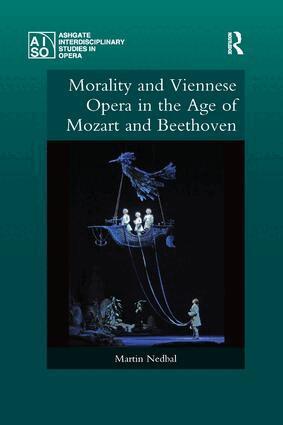
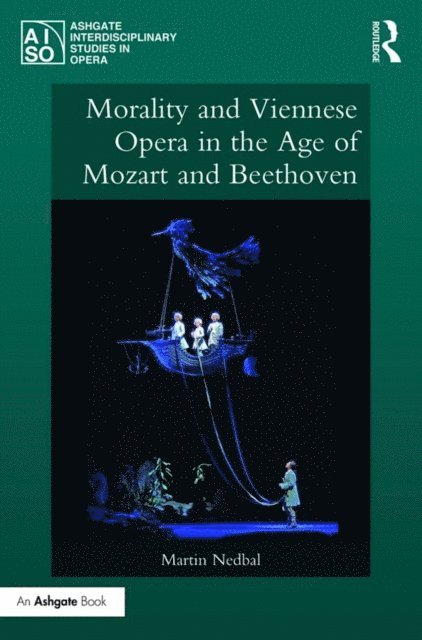
Morality and Viennese Opera in the Age of Mozart and Beethoven
Häftad, 2019
787 kr
Lägg i varukorg
This book explores how the Enlightenment aesthetics of theater as a moral institution influenced cultural politics and operatic developments in Vienna between the mid-eighteenth and early nineteenth centuries. Moralistic viewpoints were particularly important in eighteenth-century debates about …
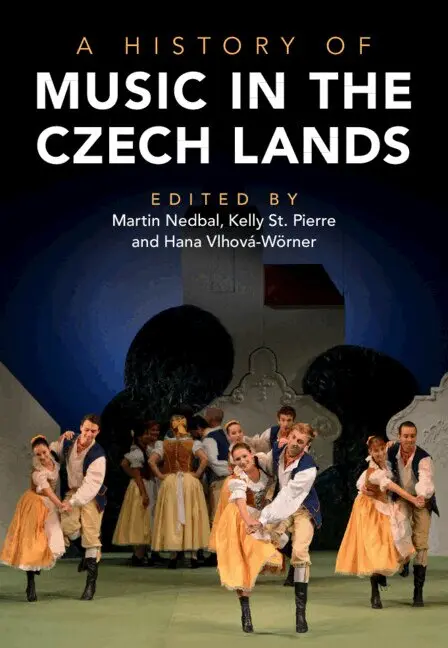
A History of Music in the Czech Lands
Av Martin Nedbal, Kelly St. Pierre m. fl.
Inbunden, 2025
2113 kr
Lägg i varukorg
In a collection of essays from prominent music scholas both in the Czech Republic and abroad, this book provides a nuanced overview of major topics connected to the history of musical culture in the Czech lands (Bohemia, Moravia, and Silesia) from the Middle Ages to the present. Whereas most …
History of Music in the Czech Lands
Av Hana Vlhova-Worner, Kelly St. Pierre m. fl.
E-bok, 2025
2098 kr
Lägg i varukorg
History of Music in the Czech Lands
Av Hana Vlhova-Worner, Kelly St. Pierre m. fl.
E-bok, 2025
2098 kr
Lägg i varukorg
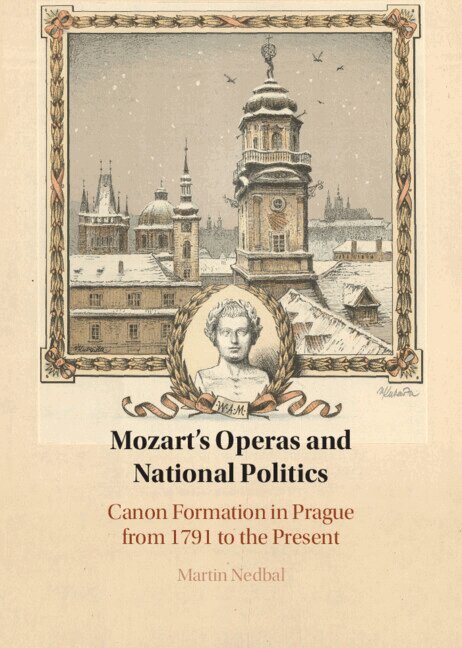
Mozart's Operas and National Politics
Canon Formation in Prague from 1791 to the Present
Inbunden, 2023
1640 kr
Lägg i varukorg
As both an in-depth study of Mozart criticism and performance practice in Prague, and a history of how eighteenth-century opera was appropriated by later political movements and social groups, this book explores the reception of Mozart's operas in Prague between 1791 and the present and reveals the …
Morality and Viennese Opera in the Age of Mozart and Beethoven
E-bok, 2016
927 kr
Lägg i varukorg
This book explores how the Enlightenment aesthetics of theater as a moral institution influenced cultural politics and operatic developments in Vienna between the mid-eighteenth and early nineteenth centuries. Moralistic viewpoints were particularly important in eighteenth-century debates about …
Morality and Viennese Opera in the Age of Mozart and Beethoven
E-bok, 2016
927 kr
Lägg i varukorg
This book explores how the Enlightenment aesthetics of theater as a moral institution influenced cultural politics and operatic developments in Vienna between the mid-eighteenth and early nineteenth centuries. Moralistic viewpoints were particularly important in eighteenth-century debates about …
Morality and Viennese Opera in the Age of Mozart and Beethoven
Inbunden, 2016
2578 kr
Lägg i varukorg
This book explores how the Enlightenment aesthetics of theater as a moral institution influenced cultural politics and operatic developments in Vienna between the mid-eighteenth and early nineteenth centuries. Moralistic viewpoints were particularly important in eighteenth-century debates about …