Martina L. Weisz – författare
Visar alla böcker från författaren Martina L. Weisz. Handla med fri frakt och snabb leverans.
7 produkter
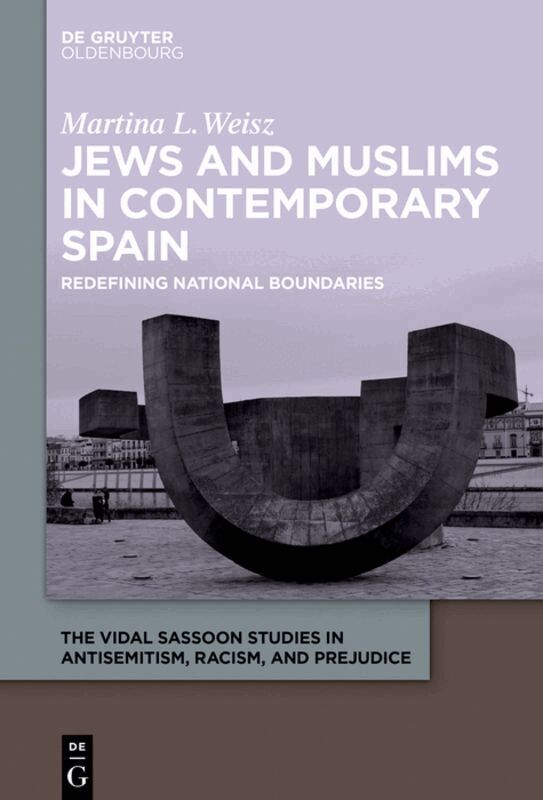
Jews and Muslims in Contemporary Spain
Redefining National Boundaries
Inbunden, 2019
1025 kr
Lägg i varukorg
The book analyzes the place of religious difference in late modernity through a study of the role played by Jews and Muslims in the construction of contemporary Spanish national identity. The focus is on the transition from an exclusive, homogeneous sense of collective Self toward a more …
Jews and Muslims in Contemporary Spain
Redefining National Boundaries
E-bok, 2019
1001 kr
Lägg i varukorg
The book analyzes the place of religious difference in late modernity through a study of the role played by Jews and Muslims in the construction of contemporary Spanish national identity. The focus is on the transition from an exclusive, homogeneous sense of collective Self toward a more …
Jews and Muslims in Contemporary Spain
Redefining National Boundaries
E-bok, 2019
1001 kr
Lägg i varukorg
The book analyzes the place of religious difference in late modernity through a study of the role played by Jews and Muslims in the construction of contemporary Spanish national identity. The focus is on the transition from an exclusive, homogeneous sense of collective Self toward a more …
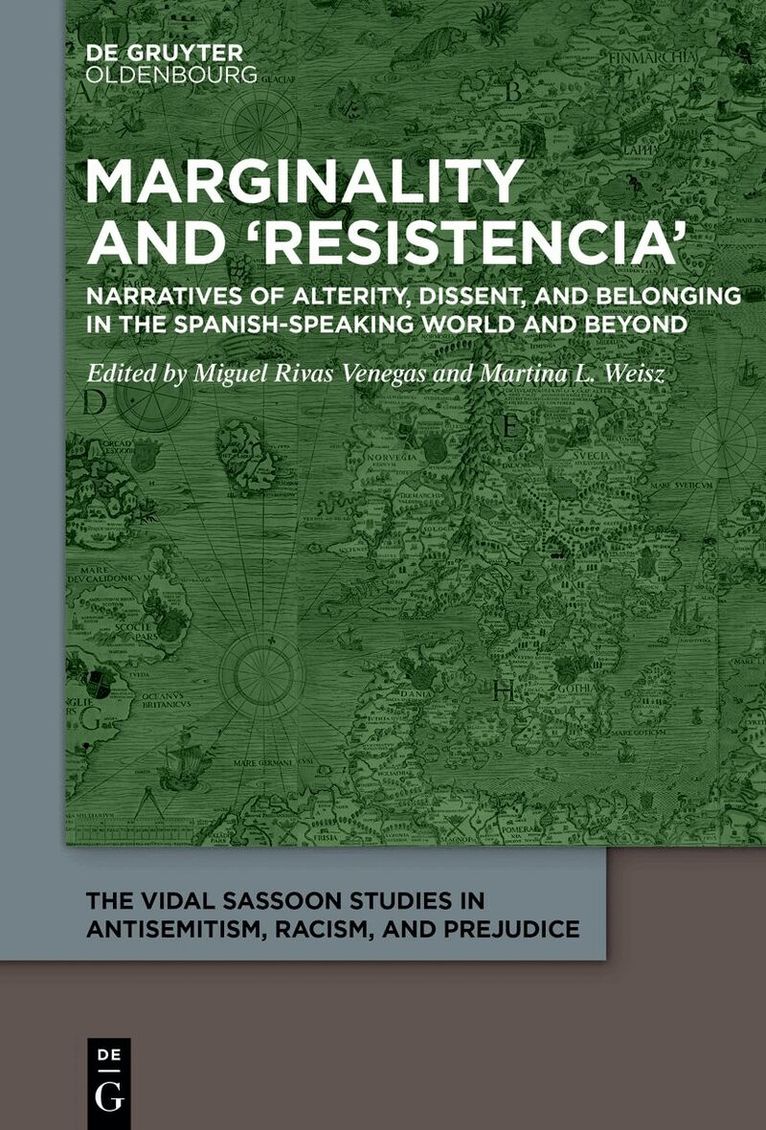
Marginality and ‘Resistencia’
Narratives of Alterity, Dissent, and Belonging in the Spanish-speaking World and Beyond
Av Miguel Rivas Venegas, Martina L. Weisz
Inbunden, 2024
1568 kr
Lägg i varukorg
This book promotes international and interdisciplinary reflections on narratives of exclusion, liminality, dissident power, and the forging of new identities during the last decades. Focusing on the rich case-studies presented by the Spanish-speaking world and beyond, it seeks to generate a deeper …
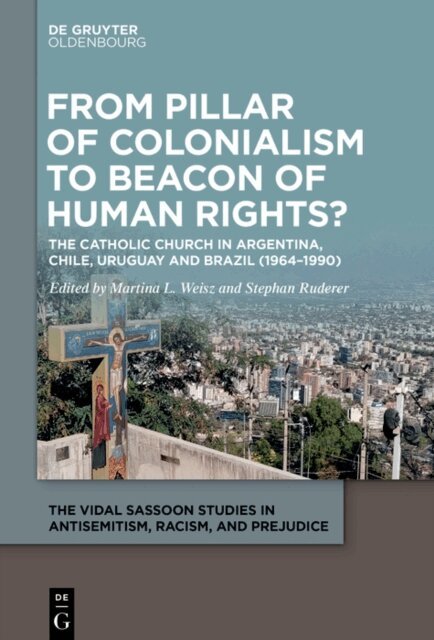
From Pillar of Colonialism to Beacon of Human Rights?
The Catholic Church in Argentina, Chile, Uruguay and Brazil (1964-1990)
Av Stephan Ruderer, Martina L. Weisz
E-bok, 2026
1170 kr
Lägg i varukorg
In the Southern Cone and Brazil the democratization processes that began in the mid-1980s led to numerous investigations into the most complex and dire episodes in the region's history. This process followed the dismantling of brutal dictatorial regimes and was aided by the declassification of new …
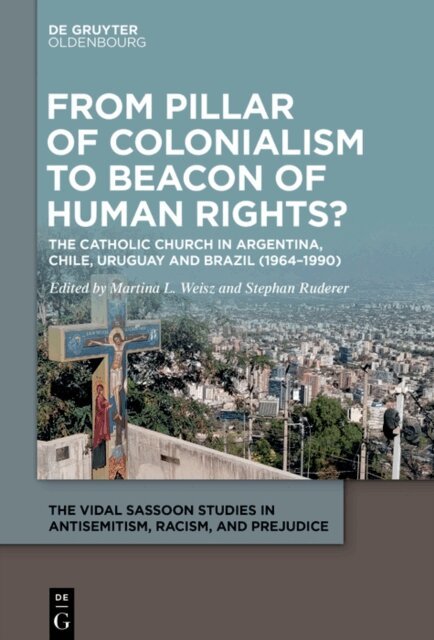
From Pillar of Colonialism to Beacon of Human Rights?
The Catholic Church in Argentina, Chile, Uruguay and Brazil (1964-1990)
Av Stephan Ruderer, Martina L. Weisz
E-bok, 2026
1170 kr
Lägg i varukorg
In the Southern Cone and Brazil the democratization processes that began in the mid-1980s led to numerous investigations into the most complex and dire episodes in the region's history. This process followed the dismantling of brutal dictatorial regimes and was aided by the declassification of new …
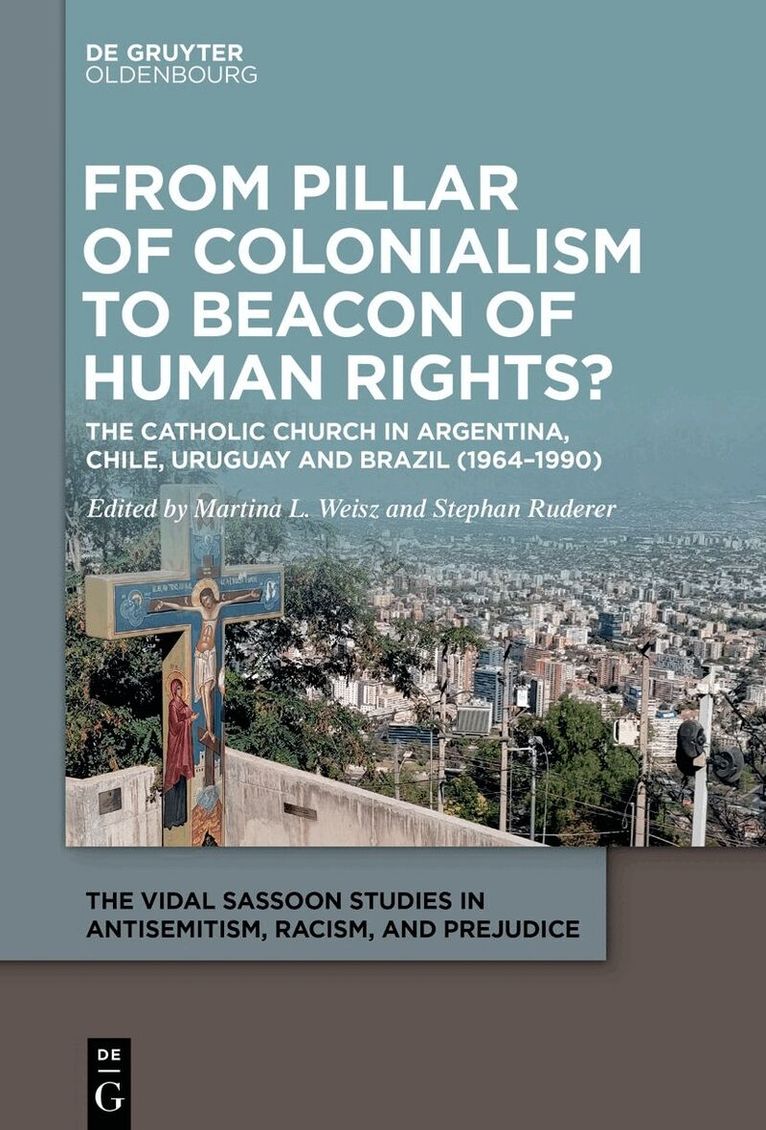
From Pillar of Colonialism to Beacon of Human Rights?
The Catholic Church in Argentina, Chile, Uruguay and Brazil (1964–1990)
Av Martina L. Weisz, Stephan Ruderer
Inbunden, 2026
1143 kr
Lägg i varukorg
In the Southern Cone and Brazil the democratization processes that began in the mid-1980s led to numerous investigations into the most complex and dire episodes in the region’s history. This process followed the dismantling of brutal dictatorial regimes and was aided by the declassification of new …