Mary Ann Smart – författare
Visar alla böcker från författaren Mary Ann Smart. Handla med fri frakt och snabb leverans.
11 produkter
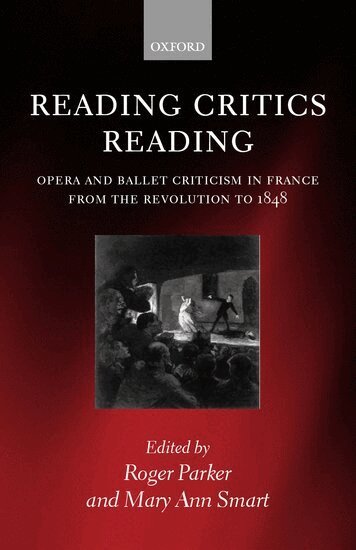
Reading Critics Reading
Opera and Ballet Criticism in France from the Revolution to 1848
Av Roger Parker, Mary Ann Smart
Inbunden, 2001
3615 kr
Lägg i varukorg
This book is among the first to examine French opera and ballet criticism during the first half of the nineteenth century both as a historical and a literary phenomenon. It thus provides a new and badly needed perspective for scholars and other commentators who have often been willing to treat the …
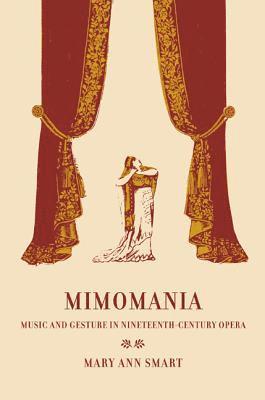
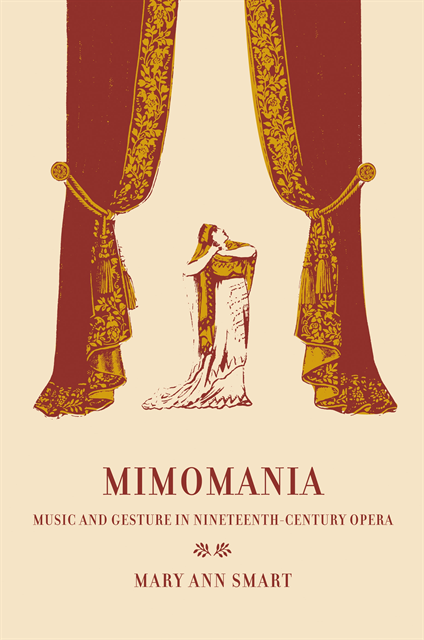
Mimomania
Music and Gesture in Nineteenth-Century Opera
Häftad, 2004
412 kr
Lägg i varukorg
When Nietzsche dubbed Richard Wagner 'the most enthusiastic mimomaniac' ever to exist, he was objecting to a hollowness he felt in the music, a crowding out of any true dramatic impulse by extravagant poses and constant nervous movements. Mary Ann Smart suspects that Nietzsche may have seen and …
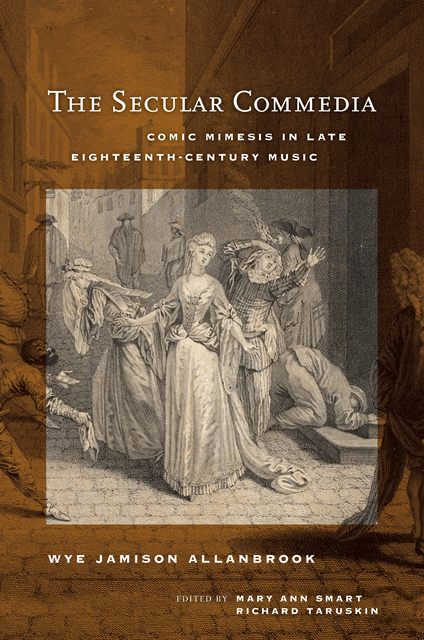
Secular Commedia
Comic Mimesis in Late Eighteenth-Century Music
Av Wye Jamison Allanbrook, Mary Ann Smart m. fl.
Inbunden, 2014
538 kr
Lägg i varukorg
Wye Jamison Allanbrook's The Secular Commedia is a stimulating and original rethinking of the music of the late eighteenth century. Hearing the symphonies and concertos of Haydn and Mozart with an ear tuned to operatic style, as their earliest listeners did, Allanbrook shows that this familiar …
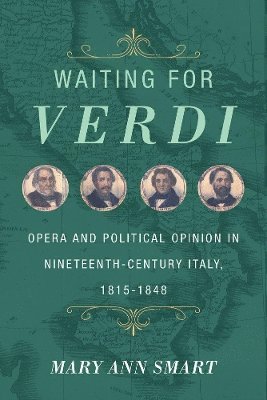
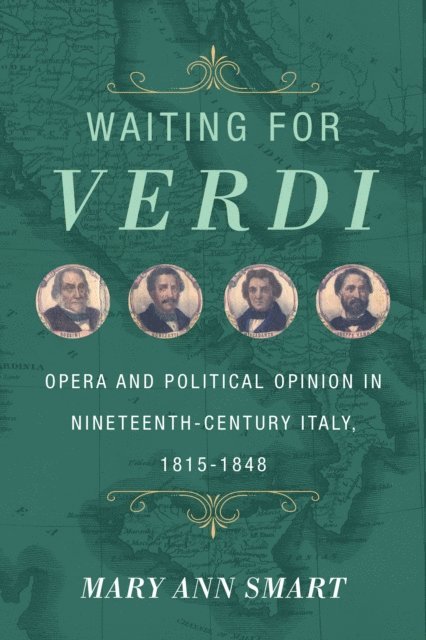
Waiting for Verdi
Opera and Political Opinion in Nineteenth-Century Italy, 1815-1848
Inbunden, 2018
749 kr
Lägg i varukorg
The name Giuseppe Verdi conjures images of Italians singing opera in the streets and bursting into song at political protests or when facing the firing squad. While many of the accompanying stories were exaggerated, or even invented, by later generations, Verdi's operas—along with those by Rossini, …
Mimomania
Music and Gesture in Nineteenth-Century Opera
E-bok, 2004
482 kr
Lägg i varukorg
When Nietzsche dubbed Richard Wagner "the most enthusiastic mimomaniac" ever to exist, he was objecting to a hollowness he felt in the music, a crowding out of any true dramatic impulse by extravagant poses and constant nervous movements. Mary Ann Smart suspects that Nietzsche may have seen and …
Secular Commedia
Comic Mimesis in Late Eighteenth-Century Music
Av Wye Jamison Allanbrook, Richard Taruskin m. fl.
E-bok, 2014
873 kr
Lägg i varukorg
Wye Jamison Allanbrook’s The Secular Commedia is a stimulating and original rethinking of the music of the late eighteenth century. Hearing the symphonies and concertos of Haydn and Mozart with an ear tuned to operatic style, as their earliest listeners did, Allanbrook shows that this familiar …
Waiting for Verdi
Opera and Political Opinion in Nineteenth-Century Italy, 1815-1848
E-bok, 2018
873 kr
Lägg i varukorg
The name Giuseppe Verdi conjures images of Italians singing opera in the streets and bursting into song at political protests or when facing the firing squad. While many of the accompanying stories were exaggerated, or even invented, by later generations, Verdi's operas—along with those by Rossini, …
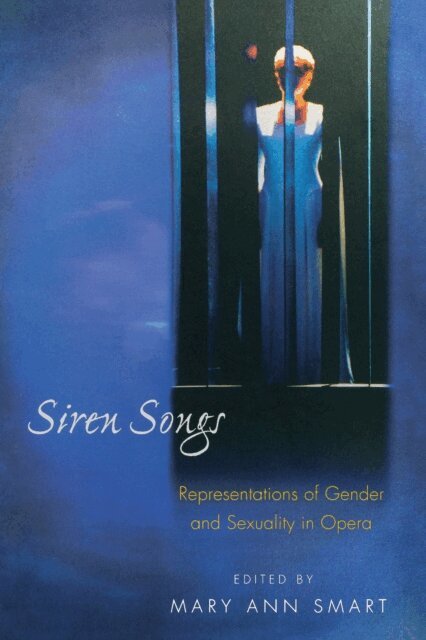
Siren Songs
Representations of Gender and Sexuality in Opera
Häftad, 2000
833 kr
Lägg i varukorg
It has long been argued that opera is all about sex. Siren Songs is the first collection of articles devoted to exploring the impact of this sexual obsession, and of the power relations that come with it, on the music, words, and staging of opera. Here a distinguished and diverse group of …
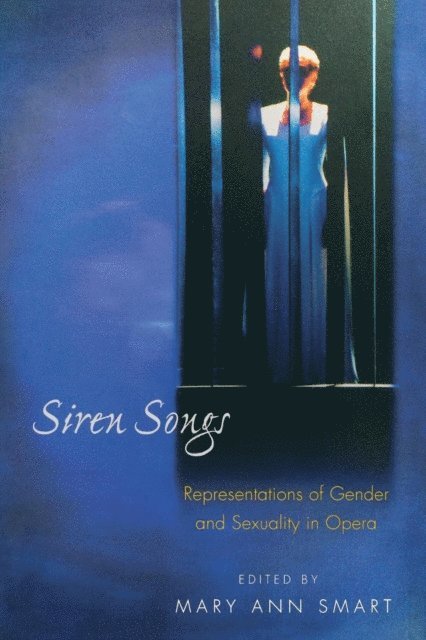
Siren Songs
Representations of Gender and Sexuality in Opera
E-bok, 2025
617 kr
Lägg i varukorg
It has long been argued that opera is all about sex. Siren Songs is the first collection of articles devoted to exploring the impact of this sexual obsession, and of the power relations that come with it, on the music, words, and staging of opera. Here a distinguished and diverse group of …
Siren Songs
Representations of Gender and Sexuality in Opera
E-bok, 2014
617 kr
Lägg i varukorg
It has long been argued that opera is all about sex. Siren Songs is the first collection of articles devoted to exploring the impact of this sexual obsession, and of the power relations that come with it, on the music, words, and staging of opera. Here a distinguished and diverse group of …