Mary Bergstein - Böcker
Visar alla böcker från författaren Mary Bergstein. Handla med fri frakt och snabb leverans.
5 produkter
5 produkter
317 kr
Skickas inom 7-10 vardagar
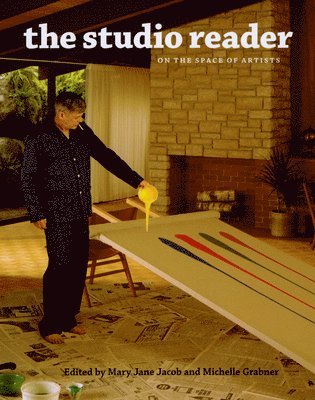
The image of a tortured genius working in near isolation has long dominated our conceptions of the artist's studio. Examples are abound: think Jackson Pollock dripping resin on a cicada carcass in his shed in the Hamptons. But times have changed; ever since Andy Warhol declared his art space a 'factory', artists have begun to envision themselves as the leaders of production teams, and their sense of what it means to be in the studio has altered just as dramatically as their practices. "The Studio Reader" pulls back the curtain from the art world to reveal the real activities behind artistic production. What does it mean to be in the studio? What is the space of the studio in the artist's practice? How do studios help artists envision their agency and, beyond that, their own lives? This forward-thinking anthology features an all-star array of contributors, ranging from Svetlana Alpers, Bruce Nauman, and Robert Storr to Daniel Buren, Carolee Schneemann, and Buzz Spector, each of whom locates the studio both spatially and conceptually - at the center of an art world that careens across institutions, markets, and disciplines.A companion for anyone engaged with the spectacular sites of art at its making, "The Studio Reader" reconsiders this crucial space as an actual way of being that illuminates our understanding of both artists and the world they inhabit.
332 kr
Skickas inom 10-15 vardagar
Photographs shaped the view of the world in turn-of-the-century Central Europe, bringing images of everything from natural and cultural history to masterpieces of Greek sculpture into homes and offices. Sigmund Freud's library—no exception to this trend—was filled with individual photographs and images in books. According to Mary Bergstein, these photographs also profoundly shaped Freud's thinking in ways that were no less important because they may have been involuntary and unconscious. In Mirrors of Memory, lavishly illustrated with reproductions of the photos from Freud's voluminous collection, she argues that studying the man and his photographs uncovers a key to the origins of psychoanalysis. In Freud's era, photographs were viewed as transparent windows revealing objective truth but at the same time were highly subjective, resembling a kind of dream-memory. Thus, a photo of a ruined temple both depicted the particular place and conveyed a sense of loss, oblivion, of time passing and past, and provided entry into the language of the psychoanalytic project. Bergstein seeks to understand how various kinds of photographs—of sculptures; archaeological sites in Greece, Rome, and Egypt; medical conditions; ethnographic scenes—fed into Freud's thinking as he elaborated the concepts of psychoanalysis. The result is a book that makes a significant contribution to our understanding of early twentieth century visual culture even as it shows that photography shaped the ways in which the great archaeologist of the human mind saw and thought about the world.
Del 393 - Faux Titre
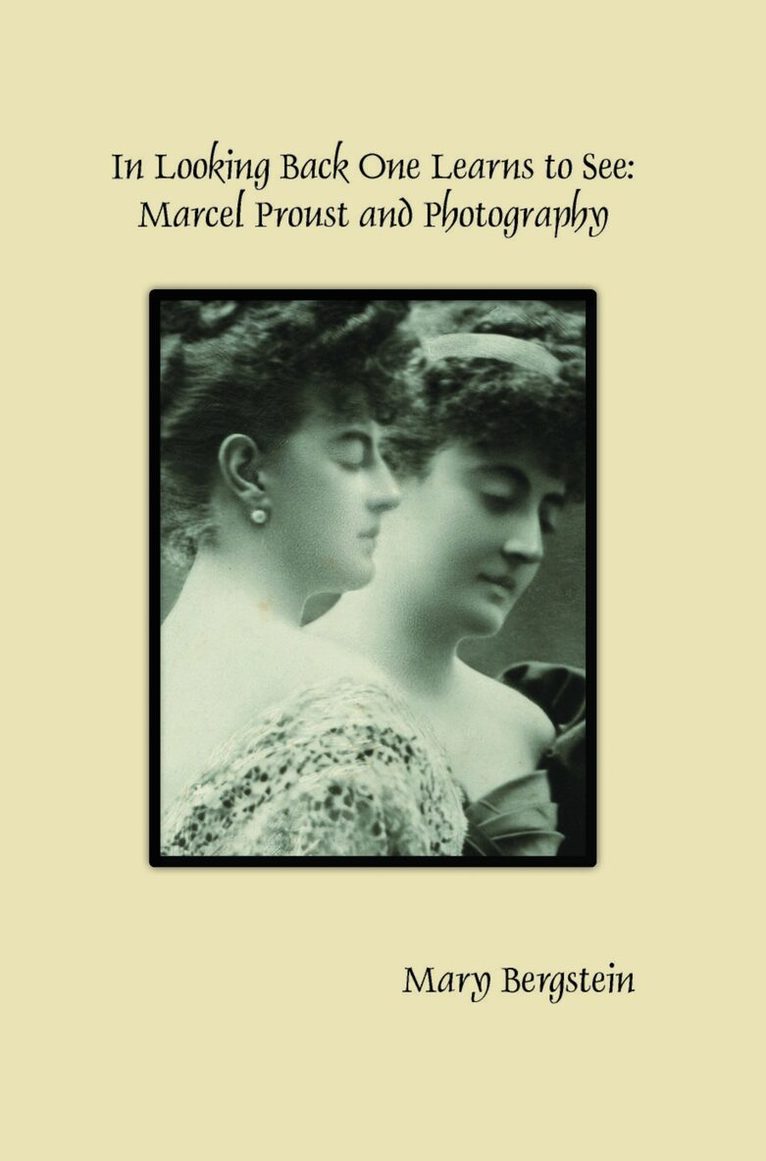
In Looking Back One Learns to See: Marcel Proust and Photography
Häftad, Engelska, 2014
1 445 kr
Skickas inom 5-8 vardagar
Marcel Proust offered the twentieth century a new psychology of memory and seeing. His novel In Search of Lost Time was written in the modern age of photography and art history. In Looking Back One Learns to See: Marcel Proust and Photography brings to light Proust’s photographic resources and his visual imagination. This scrupulously researched book features over 100 illustrations.Distinguished cultural historian Mary Bergstein presents various kinds of photography and photographic systems with regard to the literature of Marcel Proust, including daguerreotypes, stereoscopic cards, cartes-de-visite, postcards, book illustrations, portraiture, medical photography, spirit photography, architectural photography, and Orientalism. Photographs associated with fin-de-siècle studies of Botticelli, Leonardo, and Vermeer, are considered in terms of Proust’s tastes and the historiography of art.
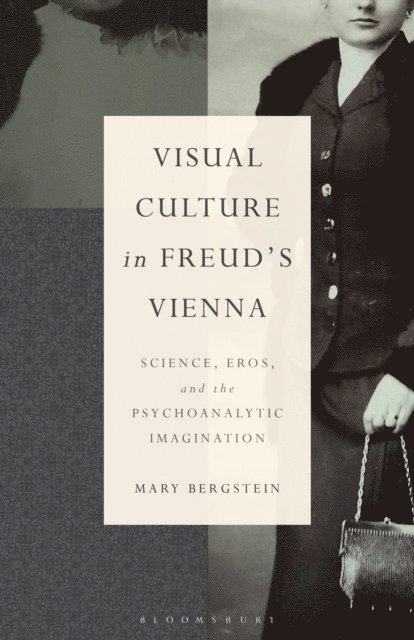
Visual Culture in Freud's Vienna
Science, Eros, and the Psychoanalytic Imagination
Häftad, Engelska, 2024
344 kr
Skickas inom 10-15 vardagar
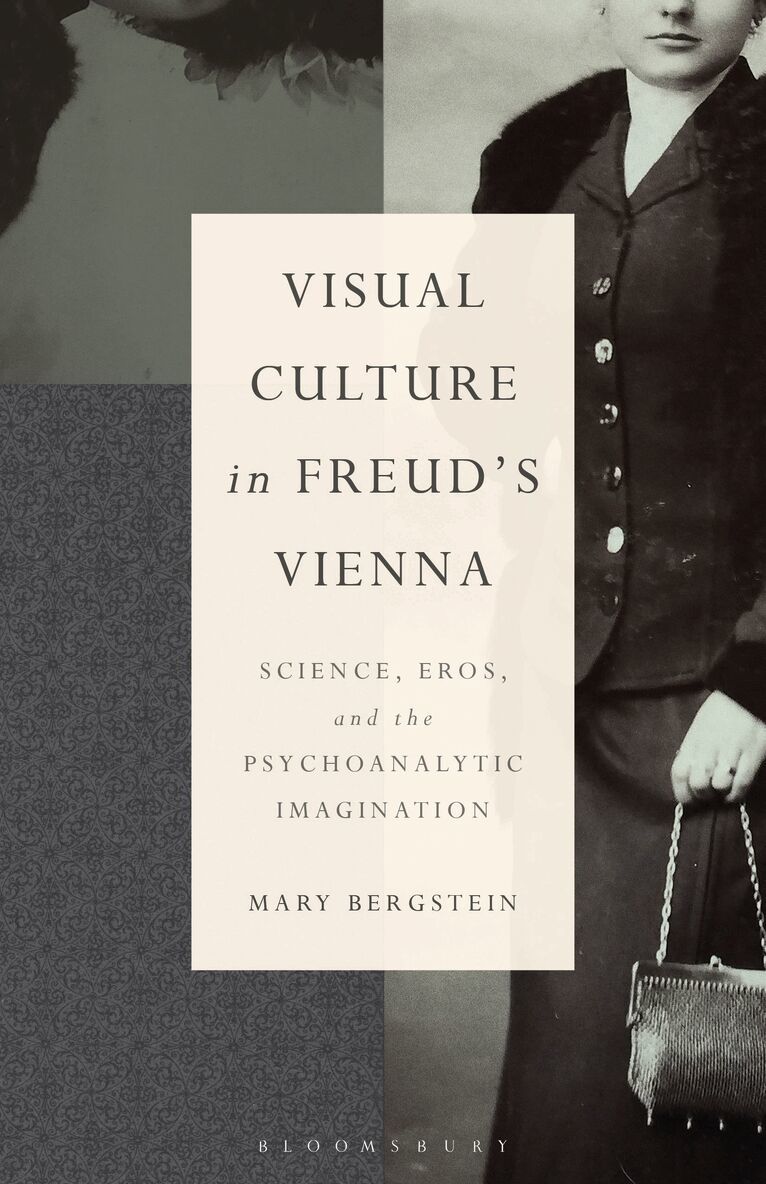
Visual Culture in Freud's Vienna shows how photography and film in turn-of-the-century Vienna (the birthplace of psychoanalysis) not only reflected modernist ideas already in force, but helped to bring into being what might be referred to as a “psychoanalytic imagination.”Mary Bergstein demonstrates that visual images not only illustrated, but also engendered ways of seeing social, psychological, and scientific ideas during a formative time in the creation and development of psychoanalysis and the modern age. Indeed, she argues that visual culture initiated significant aspects of psychoanalytic thought.Visual Culture in Freud's Vienna examines a variety of visual materials and texts, ranging from scientific illustrations to popular "low culture" and even forms of erotica, including film. Attention is also given to women’s dresses and shoes in a social context and as they are represented in photography and circulated as fetish objects.Bergstein maintains a commitment to women’s history and feminist inquiry throughout, particularly in her final chapter, which is devoted to the representations of women in the erotic photography and film. Visual Culture in Freud's Vienna is well illustrated with images drawn from the sources discussed and makes a significant contribution to our understanding of modernism and psychoanalysis.
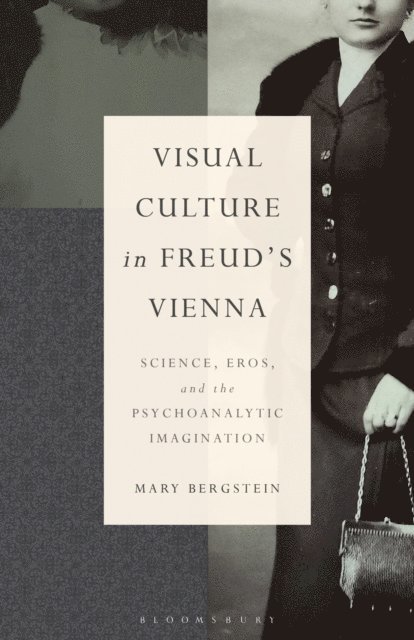
Visual Culture in Freud's Vienna
Science, Eros, and the Psychoanalytic Imagination
Inbunden, Engelska, 2024
1 398 kr
Skickas inom 10-15 vardagar
Visual Culture in Freud's Vienna shows how photography and film in turn-of-the-century Vienna (the birthplace of psychoanalysis) not only reflected modernist ideas already in force, but helped to bring into being what might be referred to as a “psychoanalytic imagination.”Mary Bergstein demonstrates that visual images not only illustrated, but also engendered ways of seeing social, psychological, and scientific ideas during a formative time in the creation and development of psychoanalysis and the modern age. Indeed, she argues that visual culture initiated significant aspects of psychoanalytic thought.Visual Culture in Freud's Vienna examines a variety of visual materials and texts, ranging from scientific illustrations to popular "low culture" and even forms of erotica, including film. Attention is also given to women’s dresses and shoes in a social context and as they are represented in photography and circulated as fetish objects.Bergstein maintains a commitment to women’s history and feminist inquiry throughout, particularly in her final chapter, which is devoted to the representations of women in the erotic photography and film. Visual Culture in Freud's Vienna is well illustrated with images drawn from the sources discussed and makes a significant contribution to our understanding of modernism and psychoanalysis.