
Mary Dzon – författare
Visar alla böcker från författaren Mary Dzon. Handla med fri frakt och snabb leverans.
3 produkter
3 produkter
1 008 kr
Skickas inom 7-10 vardagar
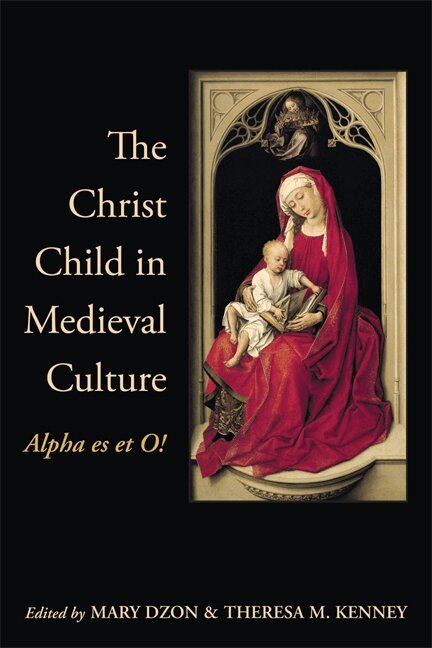
The cult of the Christ Child flourished in late medieval Europe across lay and religious, as well as geographic and cultural boundaries. Depictions of Christ's boyhood are found throughout popular culture, visual art, and literature. The Christ Child in Medieval Culture is the first interdisciplinary investigation of how representations of the Christ Child were conceptualized and employed in this period.The contributors to this unique volume analyse depictions of the Christ Child through a variety of frameworks, including the interplay of mortality and divinity, the medieval conceit of a suffering Christ Child, and the interrelationships between Christ and other figures, including saints and ordinary children. The Christ Child in Medieval Culture synthesizes various approaches to interpreting the cultural meaning of medieval religious imagery and illuminates the significance of its most central figure.
730 kr
Skickas
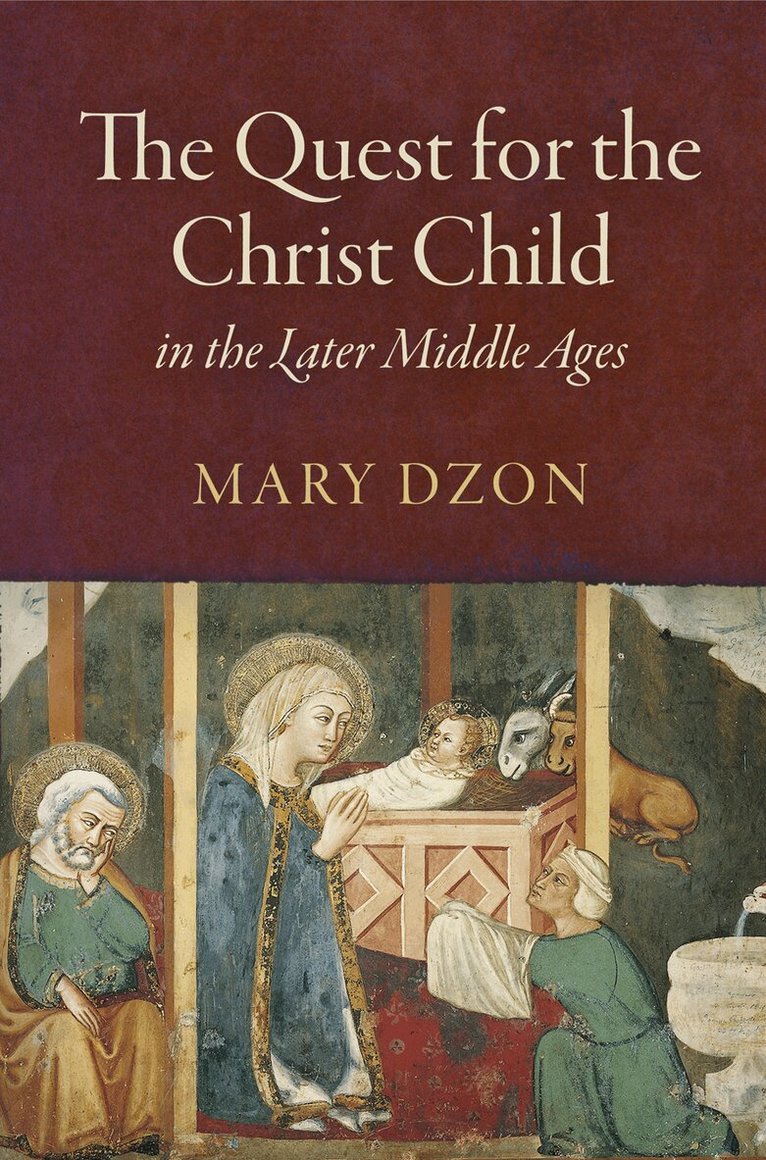
Beginning in the twelfth century, clergy and laity alike started wondering with intensity about the historical and developmental details of Jesus' early life. Was the Christ Child like other children, whose characteristics and capabilities depended on their age? Was he sweet and tender, or formidable and powerful? Not finding sufficient information in the Gospels, which are almost completely silent about Jesus' childhood, medieval Christians turned to centuries-old apocryphal texts for answers.In The Quest for the Christ Child in the Later Middle Ages, Mary Dzon demonstrates how these apocryphal legends fostered a vibrant and creative medieval piety. Popular tales about the Christ Child entertained the laity and at the same time were reviled by some members of the intellectual elite of the church. In either case, such legends, so persistent, left their mark on theological, devotional, and literary texts. The Cistercian abbot Aelred of Rievaulx urged his monastic readers to imitate the Christ Child's development through spiritual growth; Francis of Assisi encouraged his followers to emulate the Christ Child's poverty and rusticity; Thomas Aquinas, for his part, believed that apocryphal stories about the Christ Child would encourage youths to be presumptuous, while Birgitta of Sweden provided pious alternatives in her many Marian revelations. Through close readings of such writings, Dzon explores the continued transmission and appeal of apocryphal legends throughout the Middle Ages and demonstrates the significant impact that the Christ Child had in shaping the medieval religious imagination.
493 kr
Skickas inom 7-10 vardagar
The cult of the Christ Child flourished in late medieval Europe across lay and religious, as well as geographic and cultural boundaries. Depictions of Christ's boyhood are found throughout popular culture, visual art, and literature. The Christ Child in Medieval Culture is the first interdisciplinary investigation of how representations of the Christ Child were conceptualized and employed in this period.The contributors to this unique volume analyse depictions of the Christ Child through a variety of frameworks, including the interplay of mortality and divinity, the medieval conceit of a suffering Christ Child, and the interrelationships between Christ and other figures, including saints and ordinary children. The Christ Child in Medieval Culture synthesizes various approaches to interpreting the cultural meaning of medieval religious imagery and illuminates the significance of its most central figure.