Mary E. Fissell - Böcker
Visar alla böcker från författaren Mary E. Fissell. Handla med fri frakt och snabb leverans.
4 produkter
4 produkter
796 kr
Skickas inom 5-8 vardagar
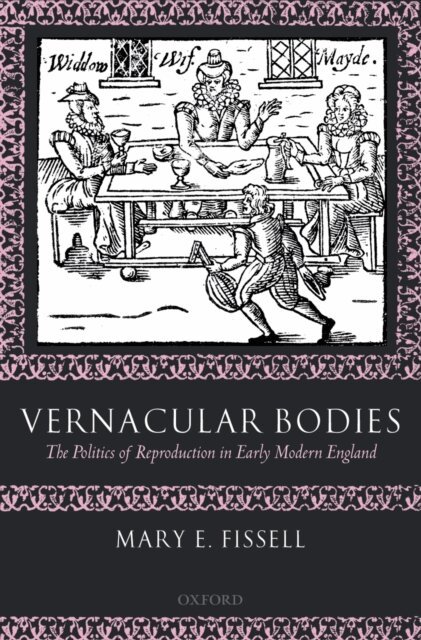
Making babies was a mysterious process in early modern England. Mary Fissell employs a wealth of popular sources - ballads, jokes, witchcraft pamphlets, Prayer Books, popular medical manuals - to produce the first account of women's reproductive bodies in early-modern cheap print. Since little was certain about the mysteries of reproduction, the topic lent itself to a rich array of theories. The insides of women's reproductive bodies provided a kind of open interpretive space, a place where many different models of reproductive processes might be plausible. These models were profoundly shaped by cultural concerns; they afforded many ways to discuss and make sense of social, political, and economic changes such as the Protestant Reformation and the Civil War. They gave ordinary people ways of thinking about the changing relations between men and women that characterized these larger social shifts. Fissell offers a new way to think about the history of the body by focusing on women's bodies, showing how ideas about conception, pregnancy, and childbirth were also ways of talking about gender relations and thus all relations of power. Where other histories of the body have focused on learned texts and male bodies, this study looks at the small books and pamphlets that ordinary people read and listened to - and provides new ways to understand how such people experienced political conflicts and social change.
3 357 kr
Skickas inom 7-10 vardagar
Making babies was a mysterious process in early modern England. Mary Fissell employs a wealth of popular sources - ballads, jokes, witchcraft pamphlets, prayerbooks, popular medical manuals - to produce the first account of women's reproductive bodies in early-modern cheap print. Since little was certain about the mysteries of reproduction, the topic lent itself to a rich array of theories. The insides of women's reproductive bodies provided a kind of open interpretive space, a place where many different models of reproductive processes might be plausible. These models were profoundly shaped by cultural concerns; they afforded many ways to discuss and make sense of social, political, and economic changes such as the Protestant Reformation and the Civil War. They gave ordinary people ways of thinking about the changing relations between men and women that characterized these larger social shifts. Fissell offers a new way to think about the history of the body by focusing on women's bodies, showing how ideas about conception, pregnancy, and childbirth were also ways of talking about gender relations and thus all relations of power. Where other histories of the body have focused on learned texts and male bodies, Vernacular Bodies looks at the small books and pamphlets that ordinary people read and listened to - and provides new ways to understand how such people experienced political conflicts and social change.
1 404 kr
Skickas inom 7-10 vardagar
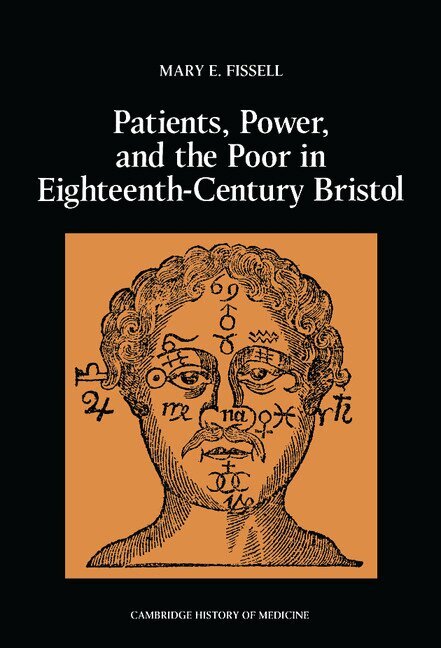
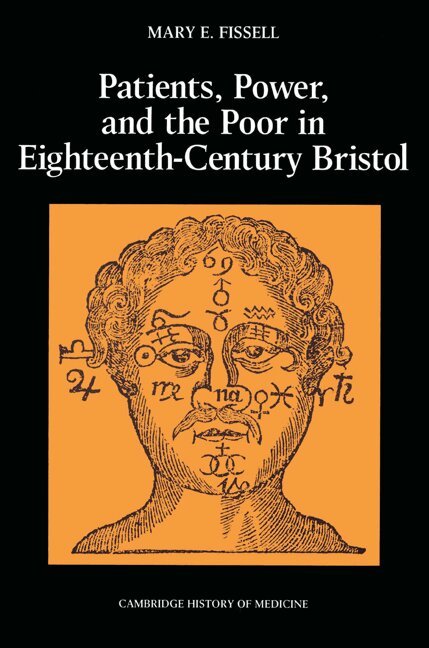
In early modern England, housewives, clergymen, bloodletters, herb women, and patients told authoritative tales about the body. By the end of the eighteenth century, however, medicine had begun to drown out these voices. This book uses patients' perspectives to argue that changes in the relationship between rich and poor underlay this rise in medicine's authority. In a detailed examination of health, healing, and poor relief in eighteenth-century Bristol, the author shows how the experiences of the hospitalized urban poor laid the foundations for modern doctor-patient encounters. Within the hospital, charity patients were denied the power to interpret their own illnesses, as control of the institution shifted from lay patrons to surgeons. Outside the hospital, reforms of popular culture stigmatized ordinary people's ideas about their own bodies. Popular medicine became working-class medicine, associated with superstition and political unrest.
712 kr
Skickas inom 7-10 vardagar
In early modern England, housewives, clergymen, bloodletters, herb women, and patients told authoritative tales about the body. By the end of the eighteenth century, however, medicine had begun to drown out these voices. This book uses patients' perspectives to argue that changes in the relationship between rich and poor underlay this rise in medicine's authority. In a detailed examination of health, healing, and poor relief in eighteenth-century Bristol, the author shows how the experiences of the hospitalized urban poor laid the foundations for modern doctor-patient encounters. Within the hospital, charity patients were denied the power to interpret their own illnesses, as control of the institution shifted from lay patrons to surgeons. Outside the hospital, reforms of popular culture stigmatized ordinary people's ideas about their own bodies. Popular medicine became working-class medicine, associated with superstition and political unrest.