Mary Franklin-Brown – författare
Visar alla böcker från författaren Mary Franklin-Brown. Handla med fri frakt och snabb leverans.
6 produkter
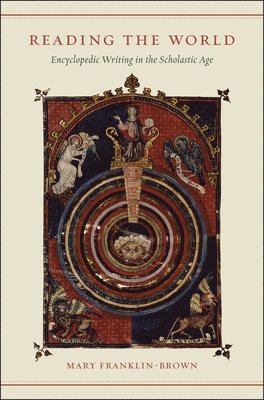
Reading the World
Encyclopedic Writing in the Scholastic Age
Inbunden, 2012
677 kr
Lägg i varukorg
The thirteenth century saw such a proliferation of new encyclopedic texts that more than one scholar has called in the "century of the encyclopedias." Variously referred to as a speculum, thesaurus, or imago mundi - the term encyclopedia was not commonly applied to such books until the eighteenth …
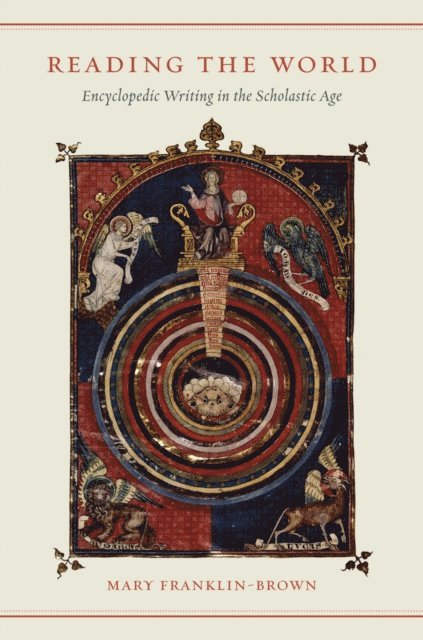
Reading the World
Encyclopedic Writing in the Scholastic Age
E-bok, 2012
1482 kr
Lägg i varukorg
The thirteenth century saw such a proliferation of new encyclopedic texts that more than one scholar has called it the “century of the encyclopedias.” Variously referred to as a speculum , thesaurus , or imago mundi —the term encyclopedia was not commonly applied to such books until the eighteenth …
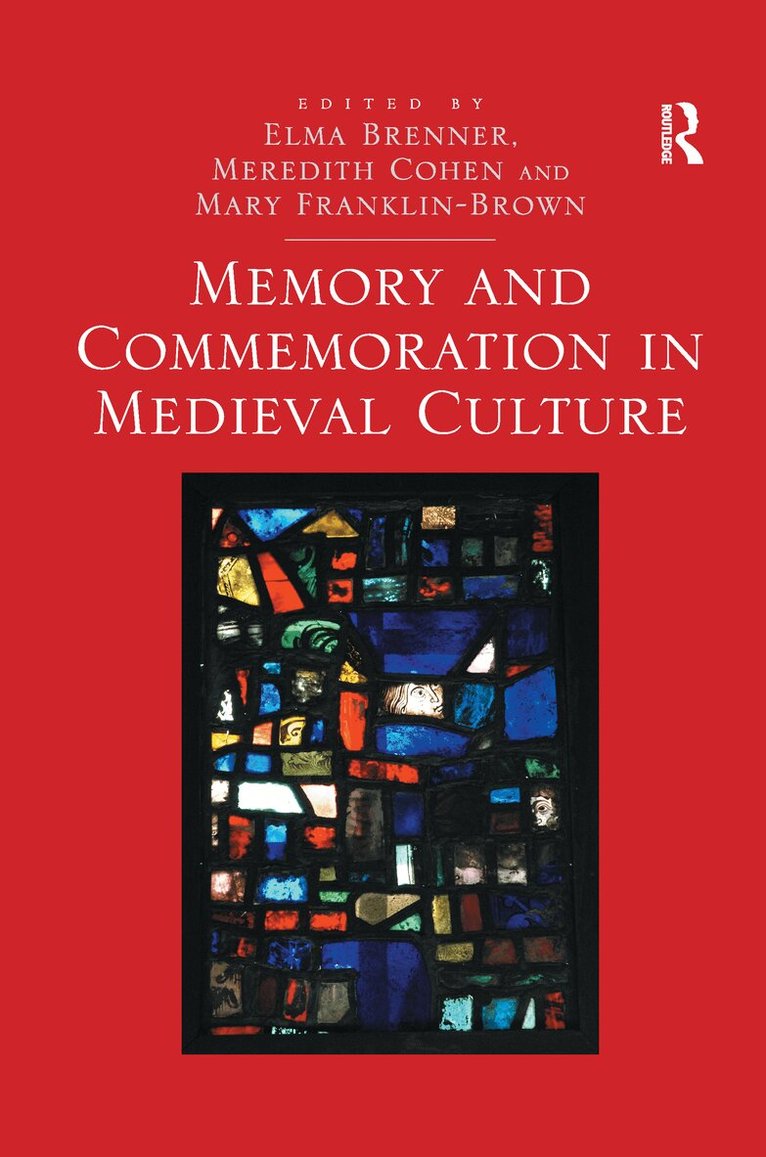
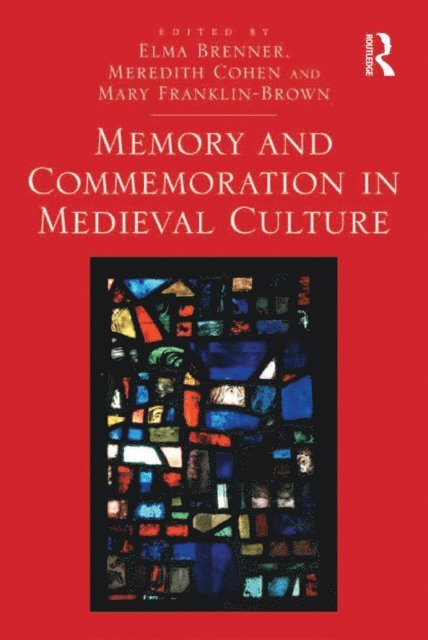
Memory and Commemoration in Medieval Culture
Av Elma Brenner, Meredith Cohen m. fl.
Häftad, 2020
809 kr
Lägg i varukorg
In medieval society and culture, memory occupied a unique position. It was central to intellectual life and the medieval understanding of the human mind. Commemoration of the dead was also a fundamental Christian activity. Above all, the past - and the memory of it - occupied a central position in …
Memory and Commemoration in Medieval Culture
Av Mary Franklin-Brown, Meredith Cohen m. fl.
E-bok, 2016
831 kr
Lägg i varukorg
In medieval society and culture, memory occupied a unique position. It was central to intellectual life and the medieval understanding of the human mind. Commemoration of the dead was also a fundamental Christian activity. Above all, the past - and the memory of it - occupied a central position in …
Memory and Commemoration in Medieval Culture
Av Mary Franklin-Brown, Meredith Cohen m. fl.
E-bok, 2016
856 kr
Lägg i varukorg
In medieval society and culture, memory occupied a unique position. It was central to intellectual life and the medieval understanding of the human mind. Commemoration of the dead was also a fundamental Christian activity. Above all, the past - and the memory of it - occupied a central position in …
Memory and Commemoration in Medieval Culture
Av Elma Brenner, Meredith Cohen m. fl.
Inbunden, 2013
2578 kr
Lägg i varukorg
In medieval society and culture, memory occupied a unique position. It was central to intellectual life and the medieval understanding of the human mind. Commemoration of the dead was also a fundamental Christian activity. Above all, the past - and the memory of it - occupied a central position in …