Mary Gibson – författare
Visar alla böcker från författaren Mary Gibson. Handla med fri frakt och snabb leverans.
14 produkter
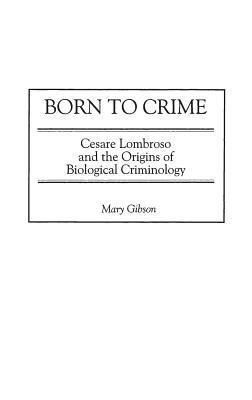
Born to Crime
Cesare Lombroso and the Origins of Biological Criminology
Av Mary Gibson
Inbunden, 2002
1320 kr
Lägg i varukorg
Despite the popular perception that genetic explanations of the causes of crime are new, biological determinism dates back to the birth of criminology, and the ideas of the man widely regarded as its founder, Cesare Lombroso. His 1876 work, ^ICriminal Man^R, drew on Darwin to propose that most …
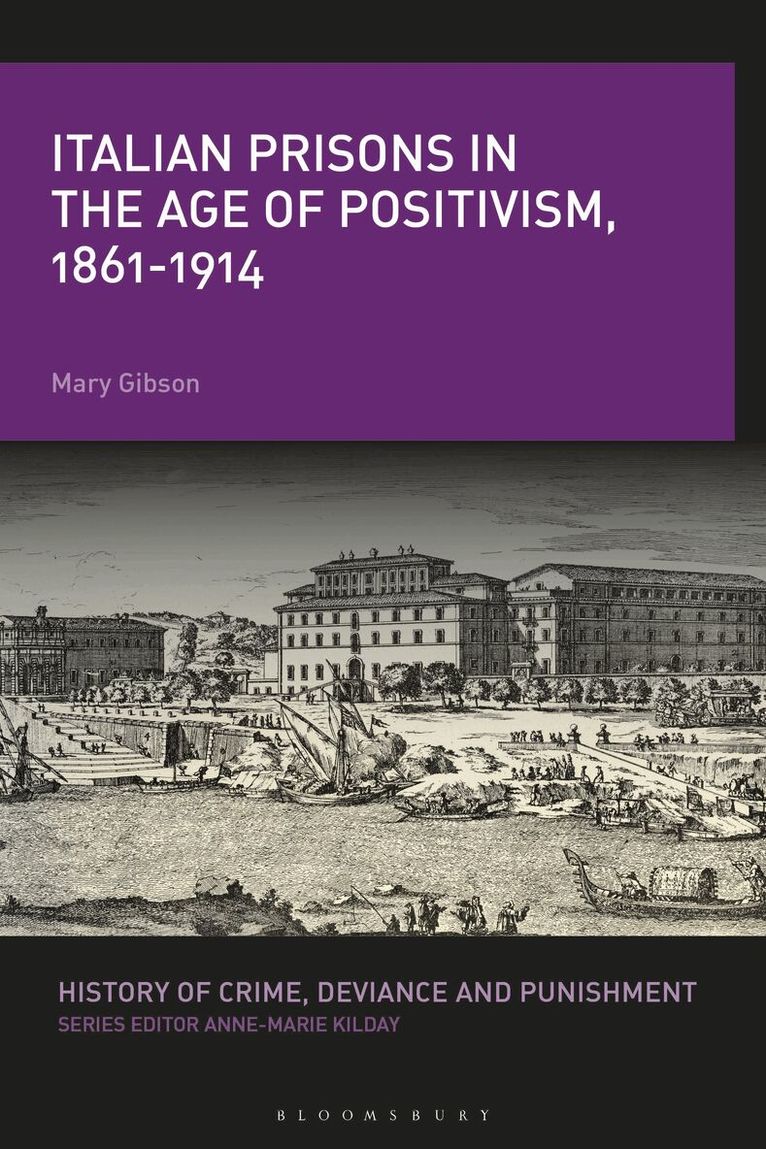
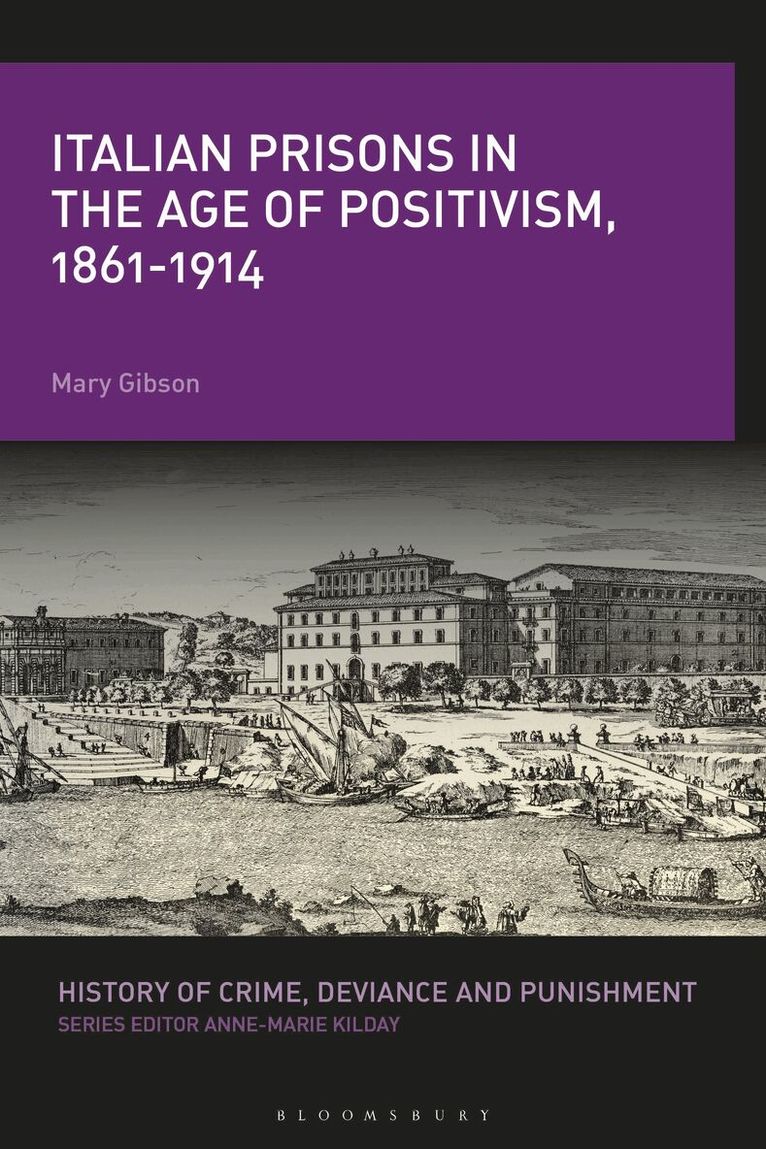
Italian Prisons in the Age of Positivism, 1861-1914
Av Mary Gibson, Anne-Marie Kilday
Inbunden, 2019
1758 kr
Lägg i varukorg
During a period dominated by the biological determinism of Cesare Lombroso, Italy constructed a new prison system that sought to reconcile criminology with nation building and new definitions of citizenship. Italian Prisons in the Age of Positivism, 1861-1914 examines this "second wave" of global …
Italian Prisons in the Age of Positivism, 1861-1914
Av Mary Gibson
E-bok, 2019
518 kr
Lägg i varukorg
During a period dominated by the biological determinism of Cesare Lombroso, Italy constructed a new prison system that sought to reconcile criminology with nation building and new definitions of citizenship. Italian Prisons in the Age of Positivism, 1861-1914 examines this "second wave" of global …
Italian Prisons in the Age of Positivism, 1861-1914
Av Mary Gibson
E-bok, 2019
530 kr
Lägg i varukorg
During a period dominated by the biological determinism of Cesare Lombroso, Italy constructed a new prison system that sought to reconcile criminology with nation building and new definitions of citizenship. Italian Prisons in the Age of Positivism, 1861-1914 examines this "second wave" of global …
Italian Prisons in the Age of Positivism, 1861-1914
Av Mary Gibson, Anne-Marie Kilday
Häftad, 2021
489 kr
Lägg i varukorg
During a period dominated by the biological determinism of Cesare Lombroso, Italy constructed a new prison system that sought to reconcile criminology with nation building and new definitions of citizenship. Italian Prisons in the Age of Positivism, 1861-1914 examines this "second wave" of global …
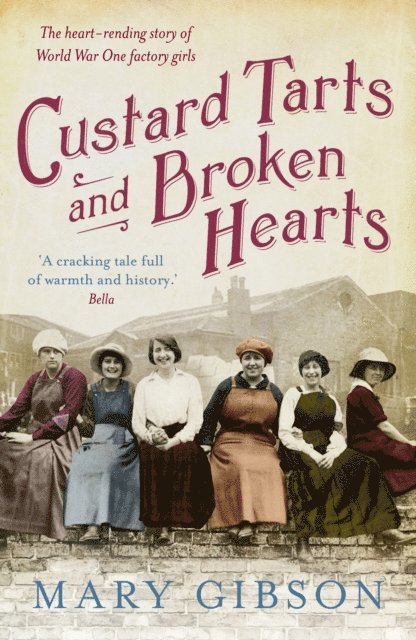
Custard Tarts and Broken Hearts
Av Mary Gibson
E-bok, 2013
88 kr
Lägg i varukorg
The captivating bestseller about a factory girl in Bermondsey during World War 1. Britain, 1911. Strikes and riots erupt countrywide as the shadow of the Great War looms over Europe . But in one small corner of London, factory girl Nellie Clark''s wages are all that keep her younger brothers and …
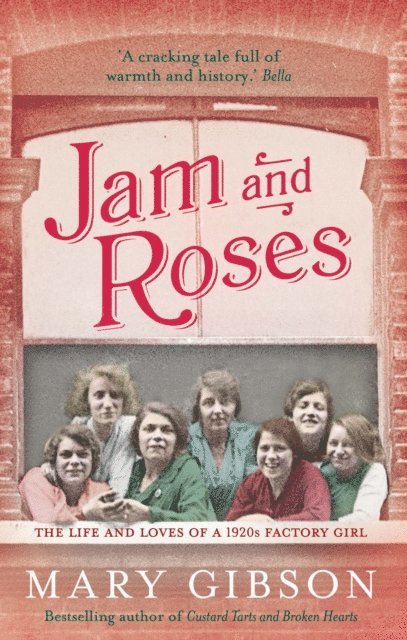
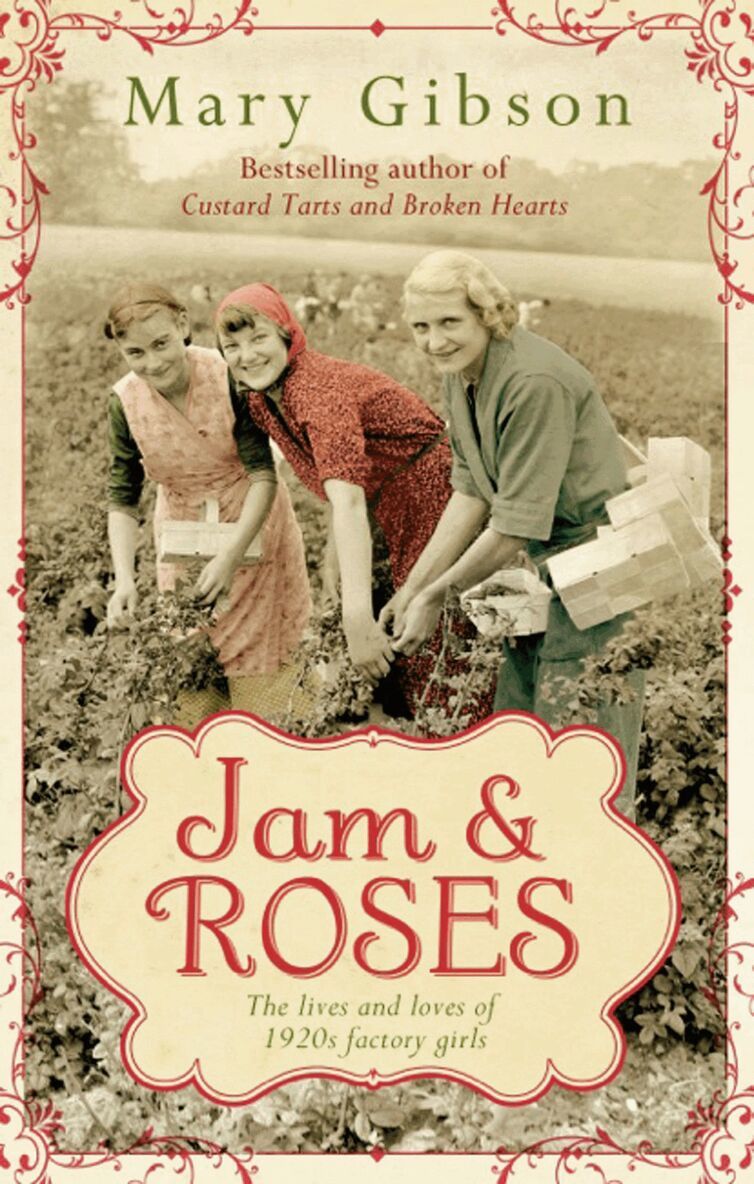
Jam and Roses
Av Mary Gibson
E-bok, 2014
88 kr
Lägg i varukorg
The poignant and powerful second novel from the bestselling author of Custard Tarts and Broken Hearts . London, 1923. Bermondsey is the larder of London with its bustling docks, spice mill, tannery and factories. Milly Colman knows she''s lucky. Working at Southwell''s jam factory all week means …
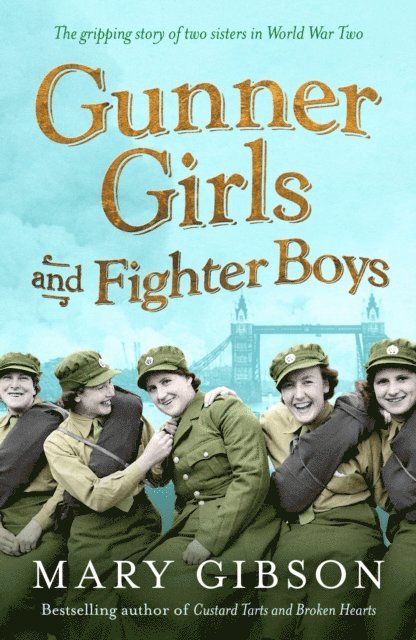
Gunner Girls And Fighter Boys
Av Mary Gibson
E-bok, 2015
86 kr
Lägg i varukorg
An incredible story of ordinary women living extraordinary lives, from the bestselling author of Custard Tarts and Broken Hearts . London, 1939. As the Blitz hits London, two sisters from Bermondsey find their lives changed beyond all recognition. May is known to her family as the homing pigeon …
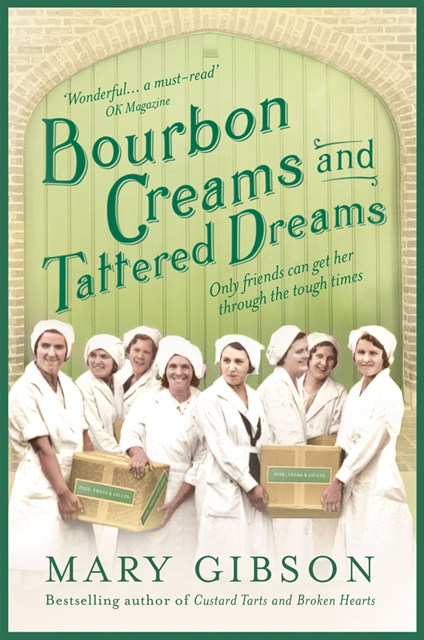
Bourbon Creams and Tattered Dreams
Av Mary Gibson
E-bok, 2016
86 kr
Lägg i varukorg
From America to Bermondsey, a story of hope, heartbreak and hardship, by the bestselling author of Custard Tarts and Broken Hearts . London, 1930. He promised her the earth. She found herself in hell. Handsome Frank Rossi took Matty Gilbie away from her working class roots in Bermondsey , East …
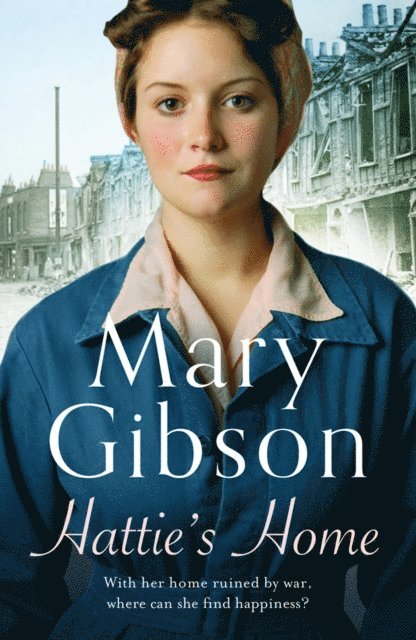
Hattie's Home
Av Mary Gibson
E-bok, 2017
71 kr
Lägg i varukorg
A passionate and heartwarming saga from the bestselling author of CUSTARD TARTS AND BROKEN HEARTS . January 1947. The war is over. But London is still a wasteland. After eight years in the ATS, Hattie Wright returns to a Bermondsey she doesn''t recognise . With so few jobs, she reluctantly takes …
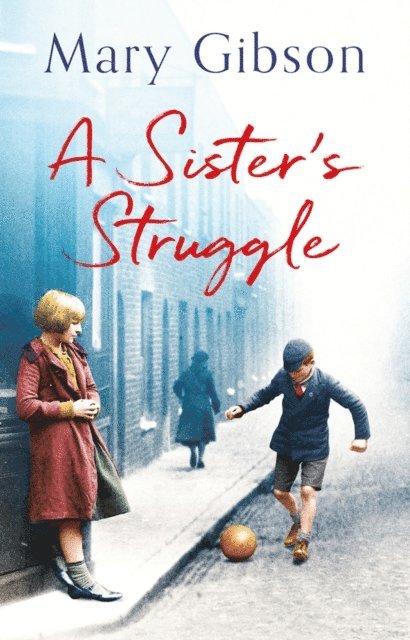
Sister's Struggle
Av Mary Gibson
E-bok, 2018
88 kr
Lägg i varukorg
The heartfelt new saga from Mary Gibson, bestselling author of Custard Tarts and Broken Hearts . London, 1935. Ruby is always hungry, but she will go without if it means her young brothers can eat. 1930s Bermondsey might be called the larder of London, with its pie, pickle and jam factories, but …
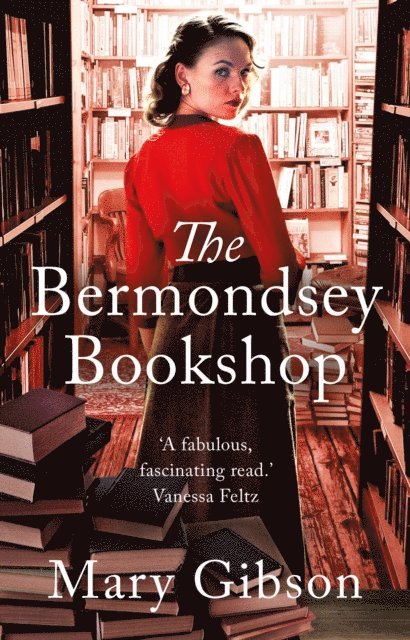
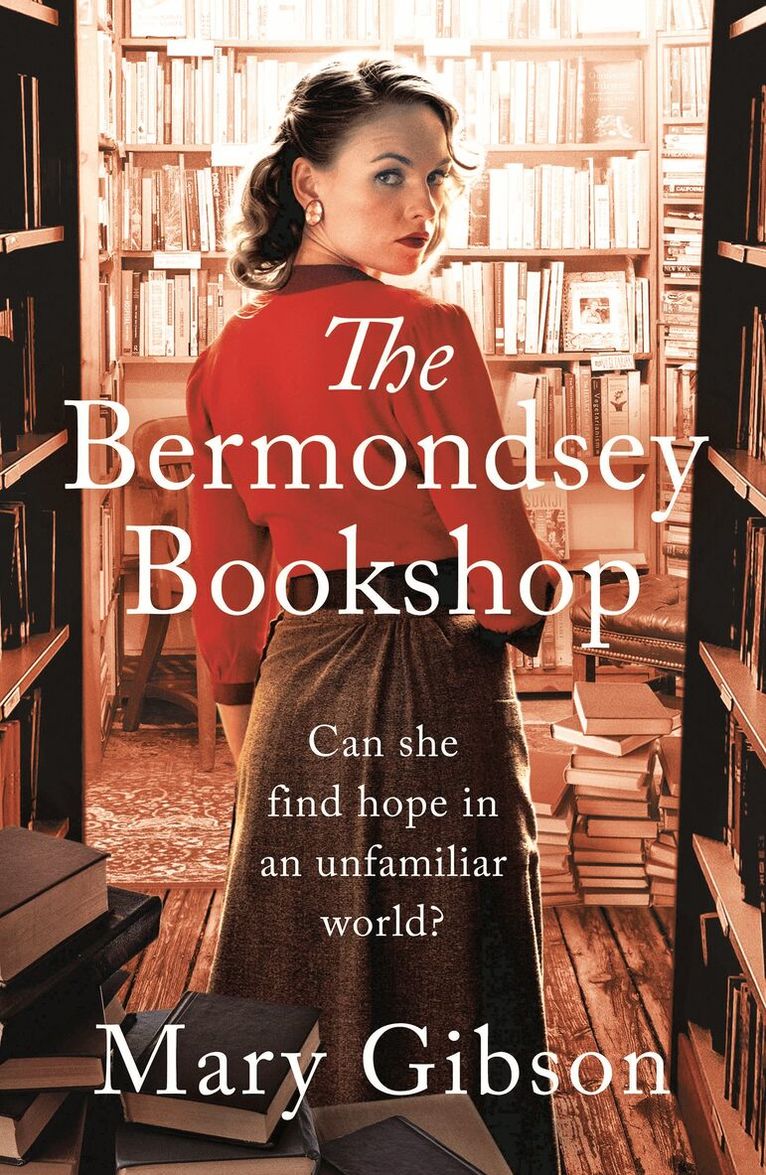
Bermondsey Bookshop
Av Mary Gibson
E-bok, 2020
88 kr
Lägg i varukorg
''Happiness had never been something she''d looked for. A quiet day with no insults or wallops, that was the best she could imagine.'' London, 1920s Kate Goss lives in a freezing cold garret, bullied by her aunt and cousins. She dreams of being rescued by her handsome father. No one knows where he …
Bermondsey Bookshop
Av Mary Gibson
Häftad, 2020
128 kr
Lägg i varukorg
'Happiness had never been something she'd looked for. A quiet day with no insults or wallops, that was the best she could imagine.' London, 1920s Kate Goss lives in a freezing cold garret, bullied by her aunt and cousins. She dreams of being rescued by her handsome father. No one knows where he is, …
Jam and Roses
Av Mary Gibson
Häftad, 2015
174 kr
Tillfälligt slut
The poignant and powerful second novel from the bestselling author of Custard Tarts and Broken Hearts. London, 1923. Bermondsey is the larder of London with its bustling docks, spice mill, tannery and factories. Milly Colman knows she's lucky. Working at Southwell's jam factory all week means she …