• Fri frakt över 249 kr
  • •
  • Snabba leveranser
  • •
  • Billiga böcker
Kundservice

Du är på sajten för privatpersoner.

Företag, bibliotek eller offentlig verksamhet?

Du handlar på classic.bokus.com, där alla dina funktioner finns intakta.
Till classic.bokus.com
Bokus logotyp. Gå till startsidan.
  • Erbjudanden
  • Nyheter
  • Student
  • Topplistor
  • Barn & ungdom
  • Bokus Play
  • E-böcker
  • Pocketböcker
  • Spel & pussel

10% rabatt på allt med kod: NYSTART10 →

Sidfot

Mina sidor

    Hjälp

    • Kundservice
    • Vanliga frågor och svar
    • Frakt och leverans
    • Retur vid ångerrätt
    • Reklamera vara
    • Betalning
    • Köpvillkor
    • Allmänna villkor
    • Information om webbplatsens tillgänglighet

    Om Bokus

    • Om oss
    • Pressrum
    • För studenter
    • För företag
    • För bibliotek och offentlig verksamhet
    • För leverantörer
    • Hållbarhet

    Populärt

    • Aktuella erbjudanden
    • Presentkort
    • Studentlitteratur
    • Nya böcker
    • Topplistor
    • Signerade böcker
    • Engelska böcker

    Inspiration

    • Boktips
    • BookTok
    • Populära bokserier
    • Barnbokskaraktärer
    • Populära författare
    Logotyp för Bokus
    Följ oss på Facebook (extern länk)Följ oss på Instagram (extern länk)Följ oss på YouTube (extern länk)Följ oss på TikTok (extern länk)
    bokus @ CookiesAnpassa cookiesIntegritetspolicyKöpvillkor
    Till Citymail hemsida (extern länk)Till Budbee hemsida (extern länk)Till Postnord hemsida (extern länk)Till Schenker hemsida (extern länk)Till Early Bird hemsida (extern länk)Till Walleys hemsida (extern länk)
    1. Historia och arkeologi
    2. Historia
    3. Europas historia

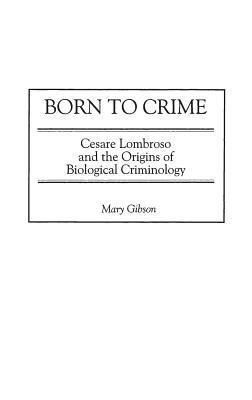
    Born to Crime

    Cesare Lombroso and the Origins of Biological Criminology

    AvMary Gibson

    Inbunden, Engelska, 2002

    Del i serien Italian and Italian American Studies

    1 293 kr

    Beställningsvara. Skickas inom 10-15 vardagar. Fri frakt över 249 kr.

    Beskrivning

    Despite the popular perception that genetic explanations of the causes of crime are new, biological determinism dates back to the birth of criminology, and the ideas of the man widely regarded as its founder, Cesare Lombroso. His 1876 work, ^ICriminal Man^R, drew on Darwin to propose that most lawbreakers were throwbacks to a more primitive level of human evolution—identifiable by their physical traits, such as small heads, flat noses, large ears, and the like. These born criminals could not escape their biological destiny.The scientific appeal of these theories of criminal anthropology had a powerful and long-lasting impact on criminological theory and practice in contemporary Italy, Europe, and the Western world as a whole, and even today the stereotypes they created resonate in popular culture. But while these ideas had a wide influence, their origins were very much in a specific time and place—the political, economic, and social history of modern Italy. Gibson shows that understanding the development of Lombroso's thinking is much more complicated than merely pinning his ideas onto the left-right political spectrum; he influenced socialists and fascists, lawyers and doctors, policemen and social workers alike. In the end, she argues for a more subtle interpretation of his theories, emphasizing that Lombroso himself acknowledged the multifaceted nature of criminal behavior.

    Produktinformation

    • Utgivningsdatum:2002-09-30
    • Mått:156 x 235 x 27 mm
    • Vikt:539 g
    • Format:Inbunden
    • Språk:Engelska
    • Serie:Italian and Italian American Studies
    • Antal sidor:296
    • Förlag:Bloomsbury Publishing Plc
    • ISBN:9780275970628

    Utforska kategorier

    • Europas historia inom Historia och arkeologi
    • Biovetenskap inom Naturvetenskap och teknik
    • Brottslighet och kriminologi inom Samhälle och politik

    Mer om författaren

    MARY GIBSON is Professor of History at John Jay College of Criminal Justice and the Graduate School, City University of New York.

    Innehållsförteckning

    • IntroductionCriminal ManFemale OffenderRace and Crime"Scientific Police"Juvenille DelinquencyTheory and Law after LombrosoConclusionBibliographyIndex