Mary Kosut - Böcker
Visar alla böcker från författaren Mary Kosut. Handla med fri frakt och snabb leverans.
5 produkter
5 produkter
914 kr
Skickas inom 10-15 vardagar
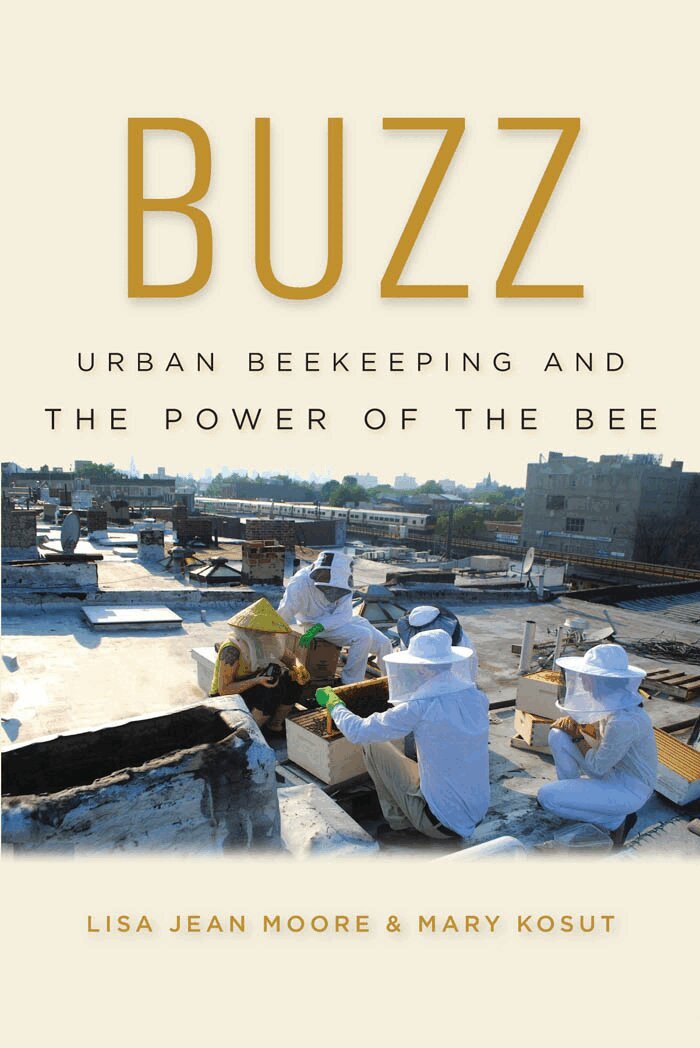
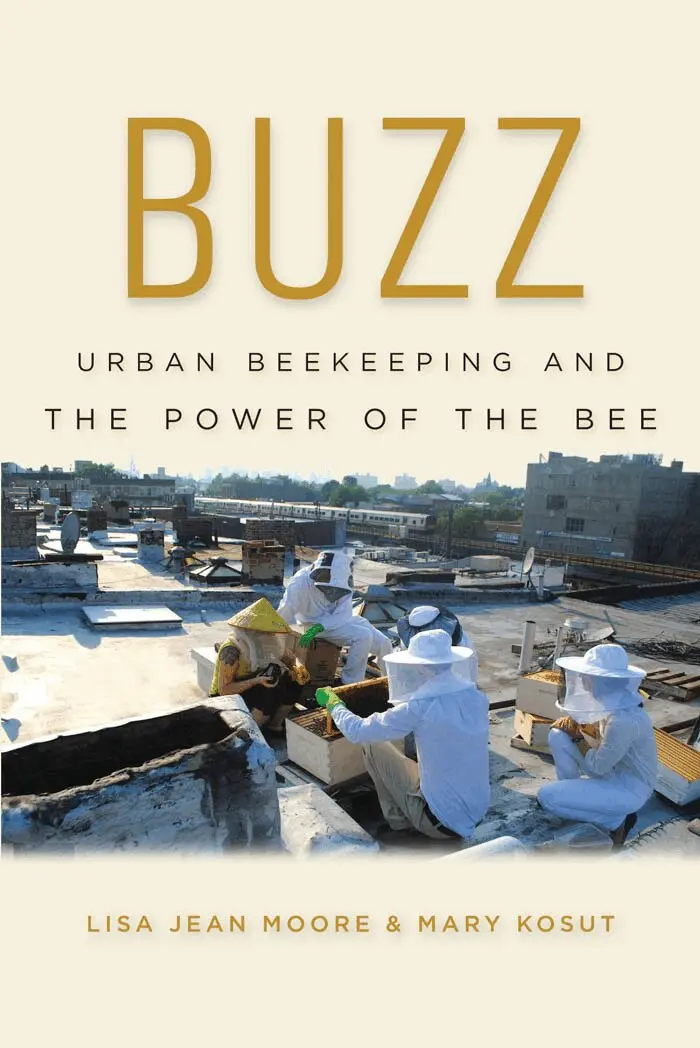
Winner, 2014 Distinguished Scholarship Award presented by the Animals & Society section of the American Sociological AssociationBees are essential for human survival—one-third of all food on American dining tables depends on the labor of bees. Beyond pollination, the very idea of the bee is ubiquitous in our culture: we can feel buzzed; we can create buzz; we have worker bees, drones, and Queen bees; we establish collectives and even have communities that share a hive-mind. In Buzz, authors Lisa Jean Moore and Mary Kosut convincingly argue that the power of bees goes beyond the food cycle, bees are our mascots, our models, and, unlike any other insect, are both feared and revered. In this fascinating account, Moore and Kosut travel into the land of urban beekeeping in New York City, where raising bees has become all the rage. We follow them as they climb up on rooftops, attend beekeeping workshops and honey festivals, and even put on full-body beekeeping suits and open up the hives. In the process, we meet a passionate, dedicated, and eclectic group of urban beekeepers who tend to their brood with an emotional and ecological connection that many find restorative and empowering. Kosut and Moore also interview professional beekeepers and many others who tend to their bees for their all-important production of a food staple: honey. The artisanal food shops that are so popular in Brooklyn are a perfect place to sell not just honey, but all manner of goods: soaps, candles, beeswax, beauty products, and even bee pollen. Buzz also examines media representations of bees, such as children's books, films, and consumer culture, bringing to light the reciprocal way in which the bee and our idea of the bee inform one another. Partly an ethnographic investigation and partly a meditation on the very nature of human/insect relations, Moore and Kosut argue that how we define, visualize, and interact with bees clearly reflects our changing social and ecological landscape, pointing to how we conceive of and create culture, and how, in essence, we create ourselves.
954 kr
Skickas inom 10-15 vardagar
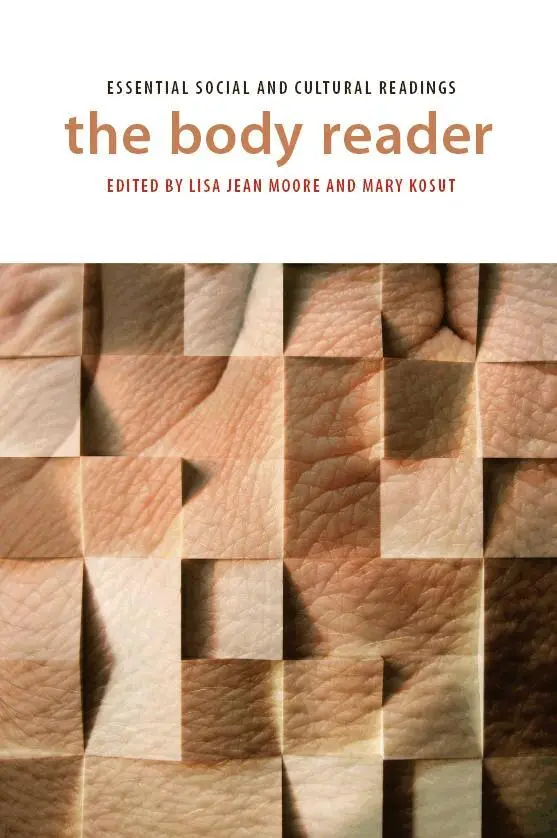
An essential collection of readings on cultural, social, and emotional understandings of the bodyPlastic surgery, obesity, anorexia, pregnancy, prescription drugs, disability, piercings, steroids, and sex re-assignment surgery: over the past two decades there have been major changes in the ways we understand, treat, alter, and care for our bodies. The Body Reader is a compelling, cutting-edge, and timely collection that provides a close look at the emergence of the study of the body.From prenatal genetic testing and "manscaping"; to televideo cybersex and the "meth economy," this innovative work digs deep into contemporary lifestyles and current events to cover key concepts and theories about the body. A combination of twenty one classic readings and original essays, the contributors highlight gender, race, class, ability, and sexuality, paying special attention to bodies that are at risk, bodies that challenge norms, and media representations of the body. Ultimately, The Body Reader makes it clear that the body is not neutral—it is the entry point into cultural and structural relationships, emotional and subjective experiences, and the biological realms of flesh and bone.Contributors: Patricia Hill Collins, Karen Dias, H. Hugh Floyd, Jr., Arthur Frank, Sander L. Gilman, Gillian Haddow, Richard Huggins, Matthew Immergut, L:ea Kent, Kristen Karlberg, Steve Kroll-Smith, Mary Kosut, Jarvis Jay Masters, Lisa Jean Moore, Tracey Owens Patton, William J. Peace, Jason Pine, Eric Plemons, Barbara Katz Rothman, Edward Slavishak, Phillip Vannini, and Dennis Waskul.
422 kr
Skickas
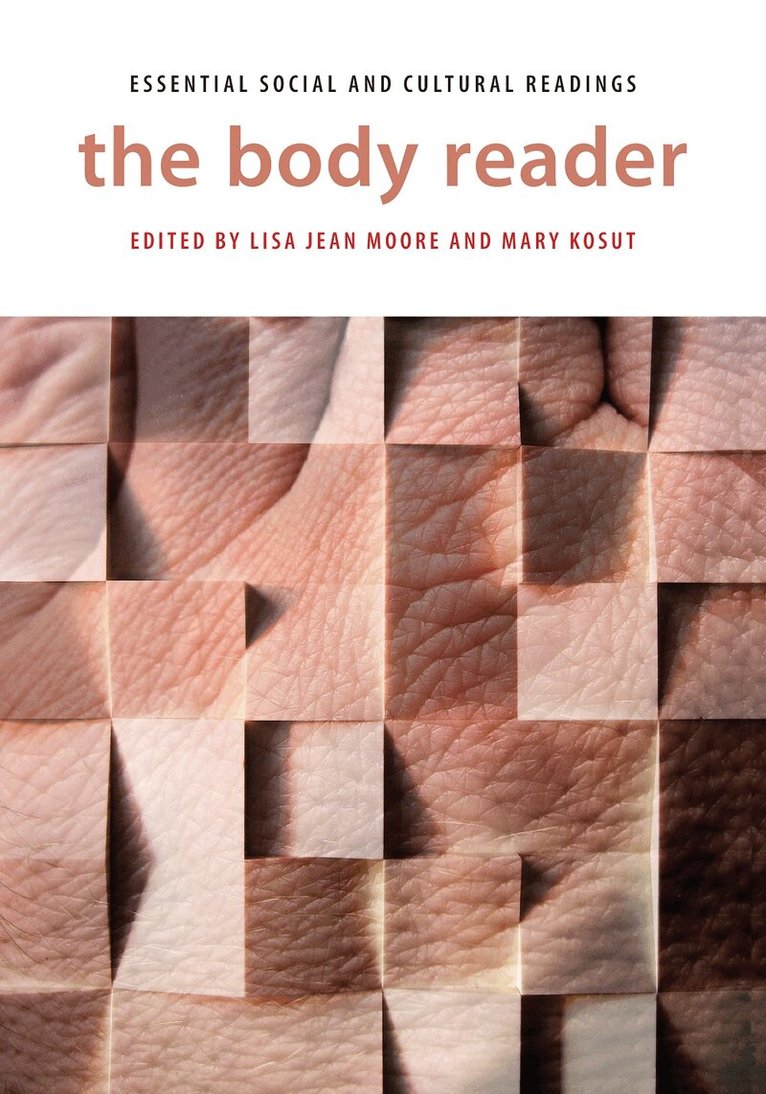
An essential collection of readings on cultural, social, and emotional understandings of the bodyPlastic surgery, obesity, anorexia, pregnancy, prescription drugs, disability, piercings, steroids, and sex re-assignment surgery: over the past two decades there have been major changes in the ways we understand, treat, alter, and care for our bodies. The Body Reader is a compelling, cutting-edge, and timely collection that provides a close look at the emergence of the study of the body.From prenatal genetic testing and "manscaping"; to televideo cybersex and the "meth economy," this innovative work digs deep into contemporary lifestyles and current events to cover key concepts and theories about the body. A combination of twenty one classic readings and original essays, the contributors highlight gender, race, class, ability, and sexuality, paying special attention to bodies that are at risk, bodies that challenge norms, and media representations of the body. Ultimately, The Body Reader makes it clear that the body is not neutral—it is the entry point into cultural and structural relationships, emotional and subjective experiences, and the biological realms of flesh and bone.Contributors: Patricia Hill Collins, Karen Dias, H. Hugh Floyd, Jr., Arthur Frank, Sander L. Gilman, Gillian Haddow, Richard Huggins, Matthew Immergut, L:ea Kent, Kristen Karlberg, Steve Kroll-Smith, Mary Kosut, Jarvis Jay Masters, Lisa Jean Moore, Tracey Owens Patton, William J. Peace, Jason Pine, Eric Plemons, Barbara Katz Rothman, Edward Slavishak, Phillip Vannini, and Dennis Waskul.
2 274 kr
Skickas inom 3-6 vardagar
The media strongly influences our everyday notions of gender roles and our concepts of gender identity. The Encyclopedia of Gender in Media critically examines the role of the media in enabling, facilitating, or challenging the social construction of gender in our society. The work addresses a variety of entertainment and news content in print and electronic media and explores the social construction of masculinity as well as femininity. In addition to representations of gender within the media, we also analyze gender issues related to media ownership and the media workforce. Despite an abundance of textbooks, anthologies, and university press monographs on the topic of gender in media, until now no comprehensive reference work has tackled this topic of perennial interest in student research and papers.Features and benefits: 150 signed entries (each with Cross References and Further Readings) are organized in A-to-Z fashion to give students easy access to the full range of topics within gender in media. A thematic Reader′s Guide in the front matter groups related entries by broad topical or thematic areas to make it easy for users to find related entries at a glance, with themes including "Discrimination & Media Effects," "Media Modes," "New Media," "Media Portrayals & Representations," "Biographies," and more. In the electronic version, the Reader′s Guide combines with a detailed Index and the Cross References to provide users with robust search-and browse capacities. A Chronology in the back matter helps students put individual events into broader historical context. A Glossary provides students with concise definitions to key terms in the field. A Resource Guide to classic books, journals, and web sites (along with the Further Readings accompanying each entry) helps guide students to further resources for their research journeys. An Appendix provides users with a number of reports related to gender in media.
364 kr
Skickas inom 7-10 vardagar
Winner, 2014 Distinguished Scholarship Award presented by the Animals & Society section of the American Sociological AssociationBees are essential for human survival—one-third of all food on American dining tables depends on the labor of bees. Beyond pollination, the very idea of the bee is ubiquitous in our culture: we can feel buzzed; we can create buzz; we have worker bees, drones, and Queen bees; we establish collectives and even have communities that share a hive-mind. In Buzz, authors Lisa Jean Moore and Mary Kosut convincingly argue that the power of bees goes beyond the food cycle, bees are our mascots, our models, and, unlike any other insect, are both feared and revered. In this fascinating account, Moore and Kosut travel into the land of urban beekeeping in New York City, where raising bees has become all the rage. We follow them as they climb up on rooftops, attend beekeeping workshops and honey festivals, and even put on full-body beekeeping suits and open up the hives. In the process, we meet a passionate, dedicated, and eclectic group of urban beekeepers who tend to their brood with an emotional and ecological connection that many find restorative and empowering. Kosut and Moore also interview professional beekeepers and many others who tend to their bees for their all-important production of a food staple: honey. The artisanal food shops that are so popular in Brooklyn are a perfect place to sell not just honey, but all manner of goods: soaps, candles, beeswax, beauty products, and even bee pollen. Buzz also examines media representations of bees, such as children's books, films, and consumer culture, bringing to light the reciprocal way in which the bee and our idea of the bee inform one another. Partly an ethnographic investigation and partly a meditation on the very nature of human/insect relations, Moore and Kosut argue that how we define, visualize, and interact with bees clearly reflects our changing social and ecological landscape, pointing to how we conceive of and create culture, and how, in essence, we create ourselves.