Mary Louise Nagata – författare
Visar alla böcker från författaren Mary Louise Nagata. Handla med fri frakt och snabb leverans.
6 produkter
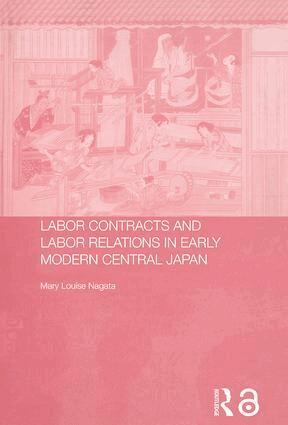
Labour Contracts and Labour Relations in Early Modern Central Japan
Inbunden, 2005
2578 kr
Lägg i varukorg
Based on a collection of labour contracts and other documents, this book examines the legal, economic and social relations of labour as they developed in the commercial enterprises of Tokugawa Japan. The urban focus is Kyoto, the cultural capital and smallest of the three great cities of the …
Labour Contracts and Labour Relations in Early Modern Central Japan
Häftad, 2012
770 kr
Lägg i varukorg
Based on a collection of labour contracts and other documents, this book examines the legal, economic and social relations of labour as they developed in the commercial enterprises of Tokugawa Japan. The urban focus is Kyoto, the cultural capital and smallest of the three great cities of the …
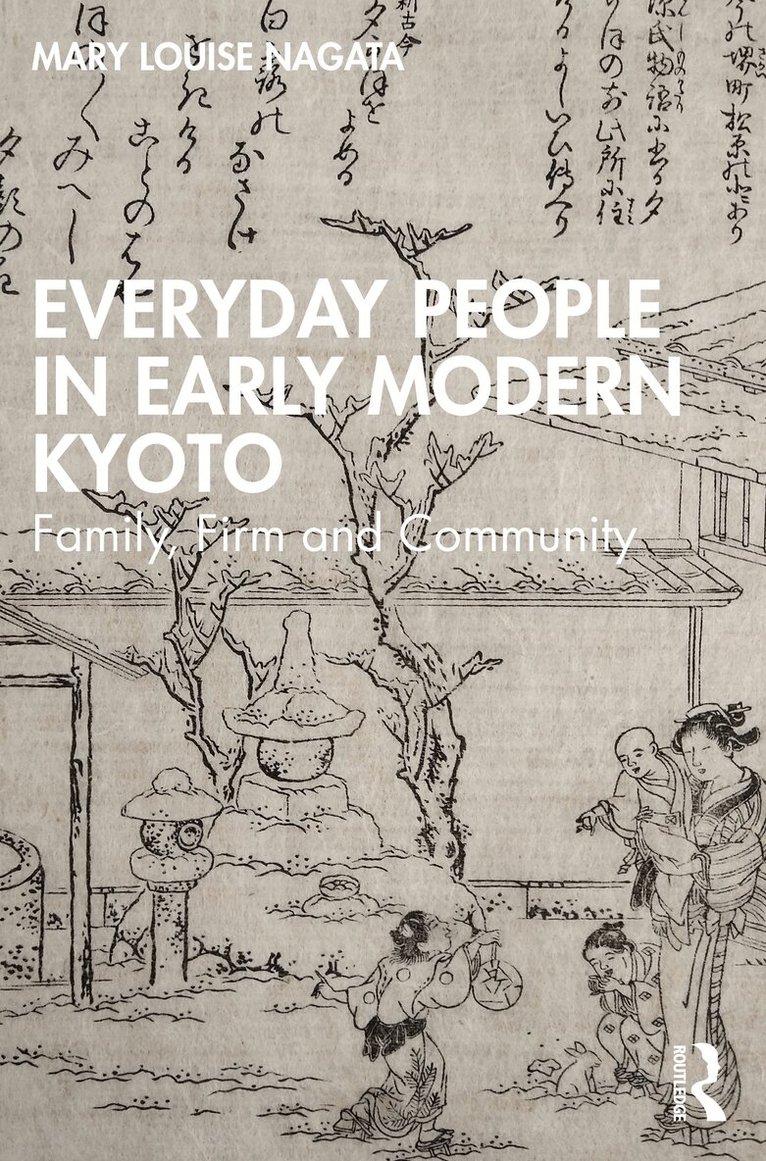
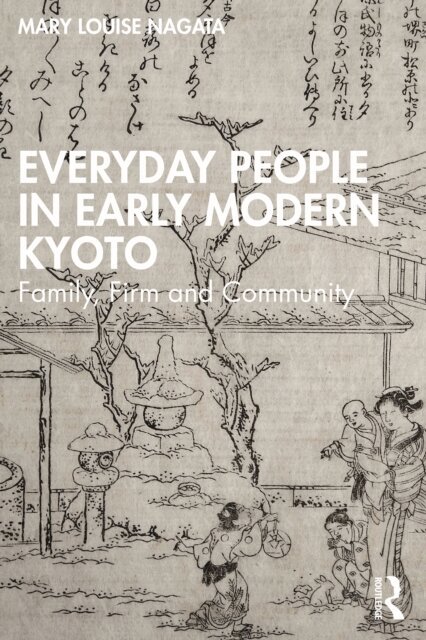
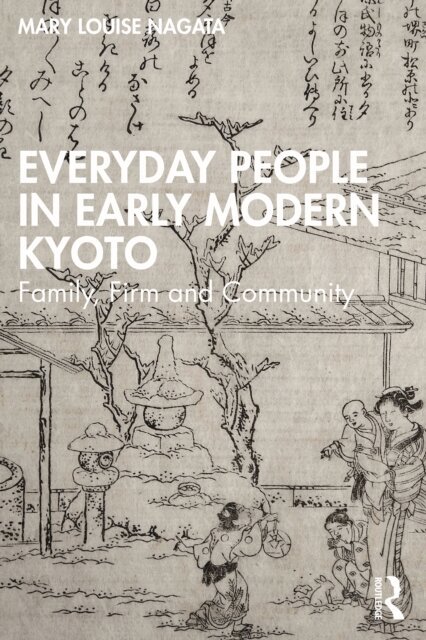
Everyday People in Early Modern Kyoto
Family, Firm and Community
Inbunden, 2025
2578 kr
Lägg i varukorg
This social history explores the lives of urban commoners in early modern Kyoto during the dramatic political shift from famine to revolution in the final decades of the Tokugawa regime, through an extensive survey of the detailed record changes from 1843 in response to these crises.The study …
Everyday People in Early Modern Kyoto
Family, Firm and Community
Häftad, 2025
665 kr
Lägg i varukorg
This social history explores the lives of urban commoners in early modern Kyoto during the dramatic political shift from famine to revolution in the final decades of the Tokugawa regime, through an extensive survey of the detailed record changes from 1843 in response to these crises.The study …
Everyday People in Early Modern Kyoto
Family, Firm and Community
E-bok, 2025
785 kr
Lägg i varukorg
This social history explores the lives of urban commoners in early modern Kyoto during the dramatic political shift from famine to revolution in the final decades of the Tokugawa regime, through an extensive survey of the detailed record changes from 1843 in response to these crises. The study …
Everyday People in Early Modern Kyoto
Family, Firm and Community
E-bok, 2025
785 kr
Lägg i varukorg
This social history explores the lives of urban commoners in early modern Kyoto during the dramatic political shift from famine to revolution in the final decades of the Tokugawa regime, through an extensive survey of the detailed record changes from 1843 in response to these crises. The study …