Mary Virginia Orna - Böcker
Visar alla böcker från författaren Mary Virginia Orna. Handla med fri frakt och snabb leverans.
9 produkter
9 produkter
607 kr
Skickas inom 5-8 vardagar
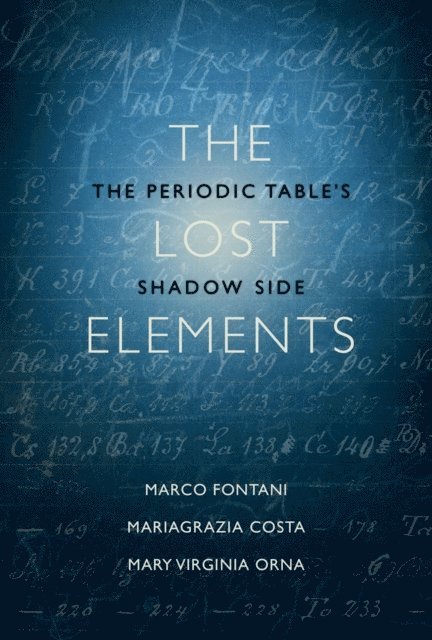
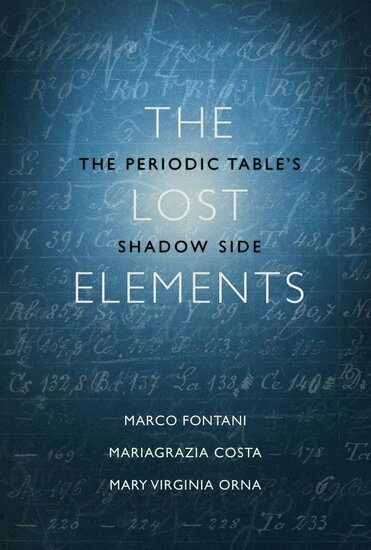
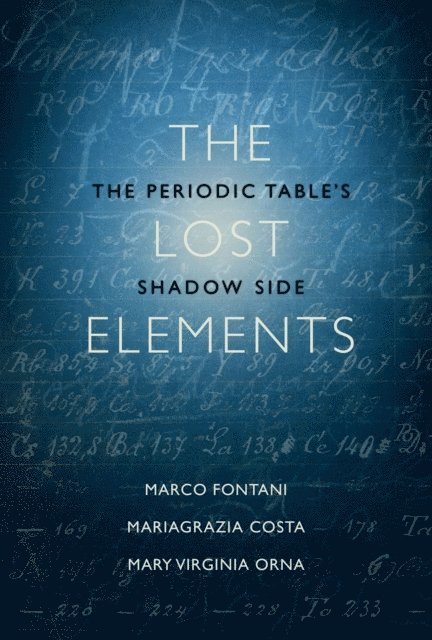
In the mid-nineteenth century, chemists came to the conclusion that elements should be organized by their atomic weights. However, the atomic weights of various elements were calculated erroneously, and chemists also observed some anomalies in the properties of other elements. Over time, it became clear that the periodic table as currently comprised contained gaps, missing elements that had yet to be discovered. A rush to discover these missing pieces followed, and a seemingly endless amount of elemental discoveries were proclaimed and brought into laboratories. It wasn't until the discovery of the atomic number in 1913 that chemists were able to begin making sense of what did and what did not belong on the periodic table, but even then, the discovery of radioactivity convoluted the definition of an element further. Throughout its formation, the periodic table has seen false entries, good-faith errors, retractions, and dead ends; in fact, there have been more elemental "discoveries" that have proven false than there are current elements on the table.The Lost Elements: The Shadow Side of Discovery collects the most notable of these instances, stretching from the nineteenth century to the present. The book tells the story of how scientists have come to understand elements, by discussing the failed theories and false discoveries that shaped the path of scientific progress. Chapters range from early chemists' stubborn refusal to disregard alchemy as legitimate practice, to the effects of the atomic number on discovery, to the switch in influence from chemists to physicists, as elements began to be artificially created in the twentieth century. Along the way, Fontani, Costa, and Orna introduce us to the key figures in the development of the periodic table as we know it. And we learn, in the end, that this development was shaped by errors and gaffs as much as by correct assumptions and scientific conclusions.
2 454 kr
Skickas inom 5-8 vardagar
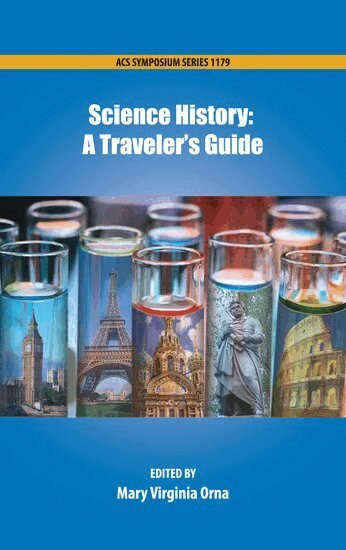
For nearly 20 years, the author, Mary Virginia Orna has led Science History tours to Europe and other parts of the world. Given the broad popularity of her tours among those in the scientific community, the ACS initiated a symposium on the topic as well as this book. The goals of both the Orna-led tours and this book include learning science through travel to sites where the science actually happened and describing how such travel can interface with the professionalgoals of chemists in academe, industry, and other areas of endeavor. This book makes it possible to plan a scientifically-oriented visit to well-known scientific sites armed with information not necessarily available on the internet or in guidebooks.
2 585 kr
Skickas inom 5-8 vardagar
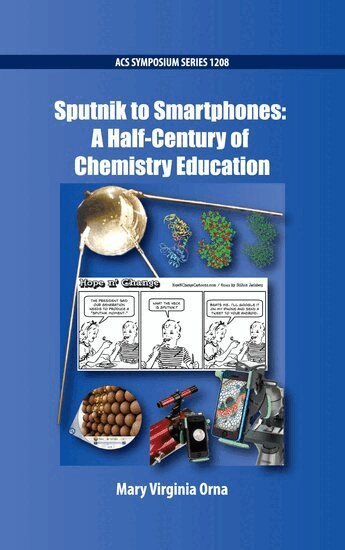
This book describes the profound changes that occurred in the teaching of chemistry in western countries in the years immediately following the Soviet Union's launch of Sputnik, the first artificial Earth satellite, in 1957. With substantial government and private funding, chemistry educators introduced new curricula, developed programs to enhance the knowledge and skills of chemistry teachers, conceived of new models for managing chemistry education, andexperimented with a plethora of materials for visualization of concepts and delivery of content. They also began to seriously study and apply findings from the behavioral sciences to the teaching and learning of chemistry. Now, many chemistry educators are contributing original research in the cognitivesciences that relates to chemistry education.While Sputnik seemed to signal the dawn of far-reaching effects that would take place in political, diplomatic, and strategic, as well as in educational spheres, the seeds of these changes were sown decades before, mainly through the insight and actions of one individual, Neil Gordon, who, virtually singlehandedly, launched the ACS Division of Chemical Education and the Journal of Chemical Education. These two institutions provided the impetus for the United States to eventually become theundisputed leader in chemistry education worldwide.
618 kr
Skickas inom 5-8 vardagar
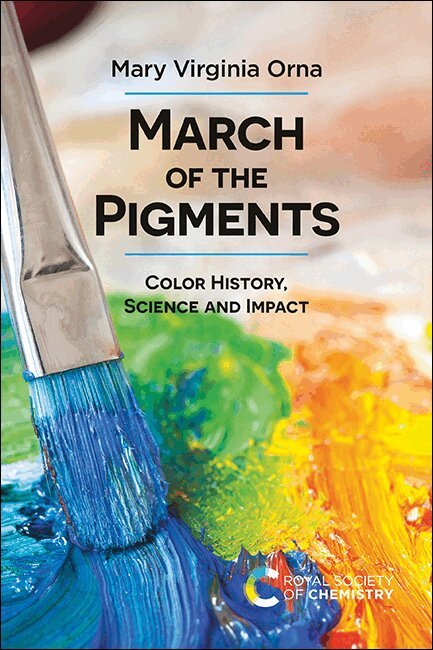
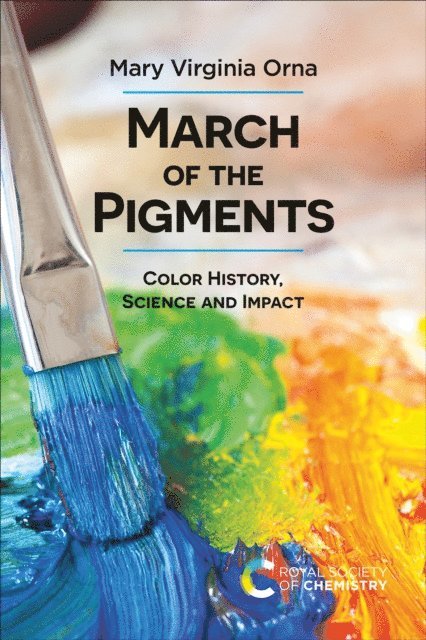
Take a colorful walk through human ingenuity. Humans have been unpacking the earth to use pigments since cavemen times. Starting out from surface pigments for cave paintings, we’ve dug deep for minerals, mined oceans for colors and exploited the world of plants and animals. Our accidental fumbles have given birth to a whole family of brilliant blues that grace our museums, mansions and motorcars. We’ve turned waste materials into a whole rainbow of tints and hues to color our clothes, our food and ourselves. With the snip of a genetic scissor, we’ve harnessed bacteria to gift us with “greener” blue jeans and dazzling dashikis. As the pigments march on into the future, who knows what new and exciting inventions will emerge?Mary Virginia Orna, a world-recognized expert on color, will lead you through an illuminating journey exploring the science behind pigments. Pausing for reflections en route to share stories around pigment use and discoveries informed by history, religion, sociology and human endeavour, this book will have you absorbing science and regaling tales. Jam packed with nuggets of information, March of the Pigments will have the curiously minded and the expert scientist turning pages to discover more.
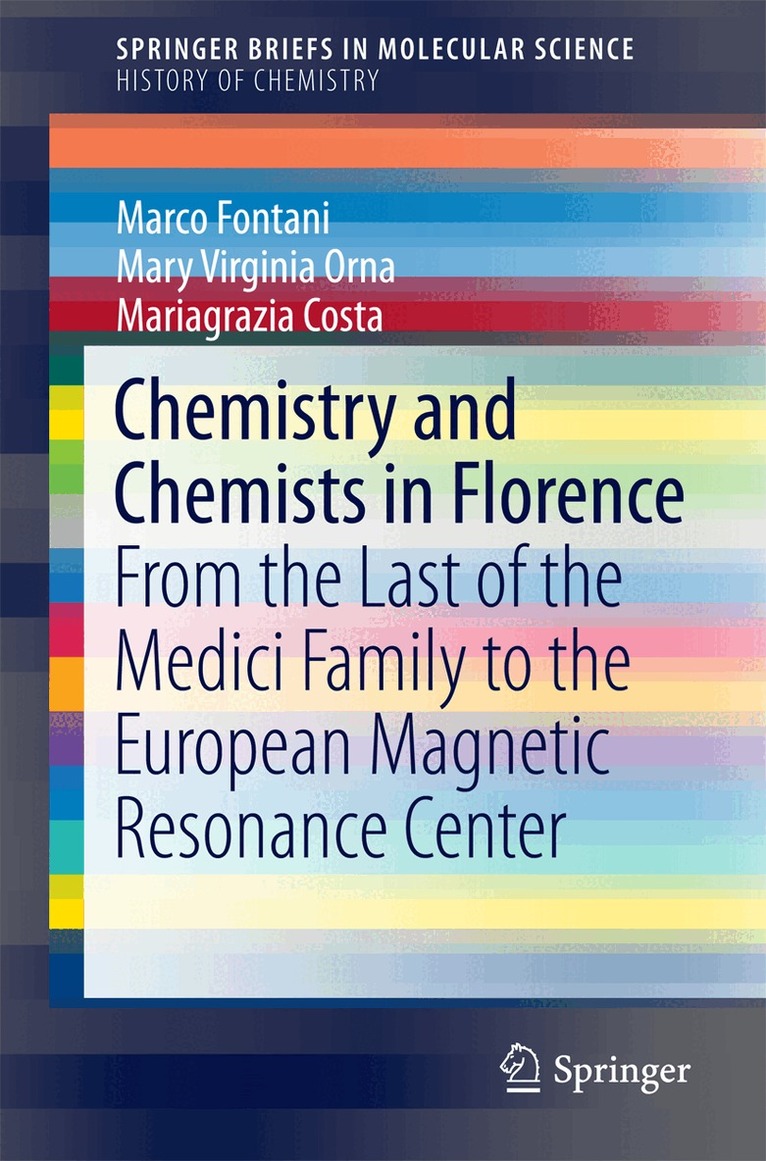
Chemistry and Chemists in Florence
From the Last of the Medici Family to the European Magnetic Resonance Center
Häftad, Engelska, 2016
536 kr
Skickas inom 10-15 vardagar
This brief offers a novel vision of the city of Florence, tracing the development of chemistry via the biographies of its most illustrious chemists.
641 kr
Skickas inom 10-15 vardagar
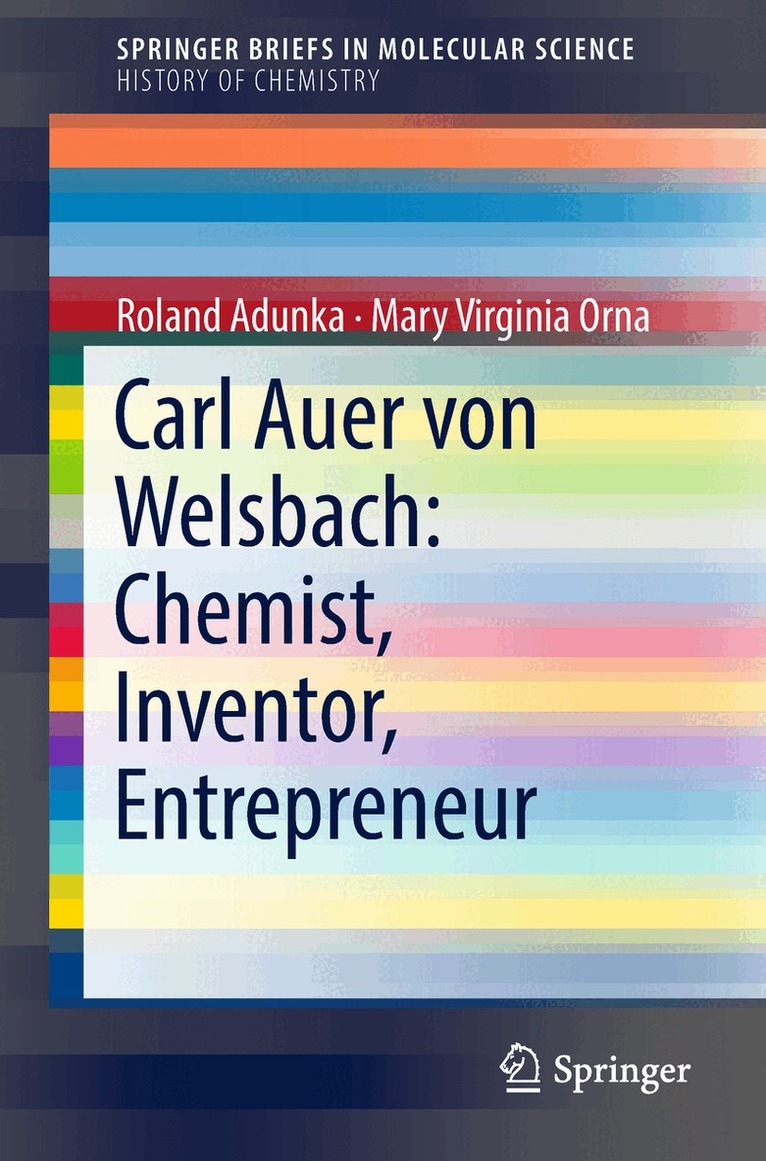
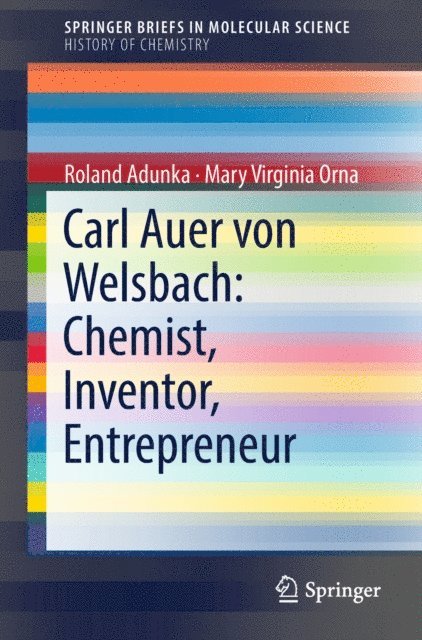
Particular attention is given to his pioneering work on the rare earth elements, including the discovery of four new elements, which allowed him to develop new materials, to invent new useful devices and to establish major industries.
853 kr
Skickas inom 10-15 vardagar
In this brief, Mary Virginia Orna details the history of color from the chemical point of view. Beginning with the first recorded uses of color and ending in the development of our modern chemical industry, this rich, yet concise exposition shows us how color pervades every aspect of our lives.
History and Preservation of Chemical Instrumentation
Proceedings of the ACS Divivsion of the History of Chemistry Symposium held in Chicago, Ill., September 9–10, 1985
Inbunden, Engelska, 1986
1 593 kr
Skickas inom 10-15 vardagar
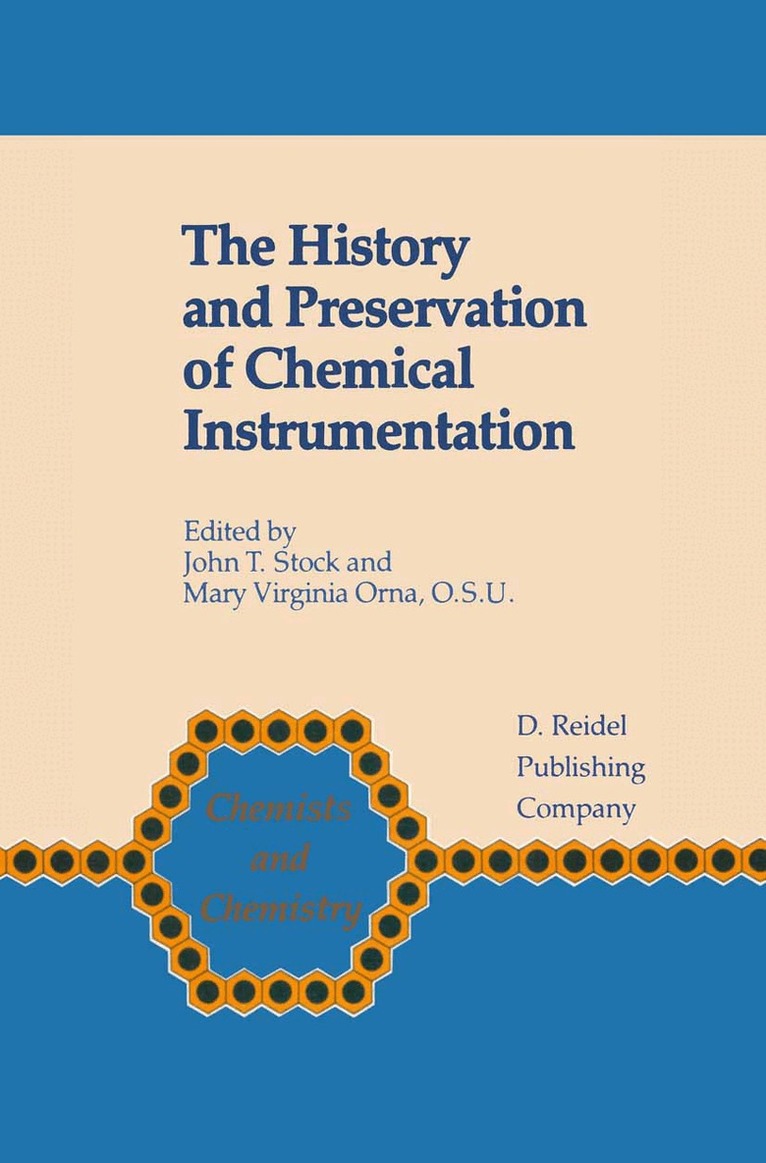
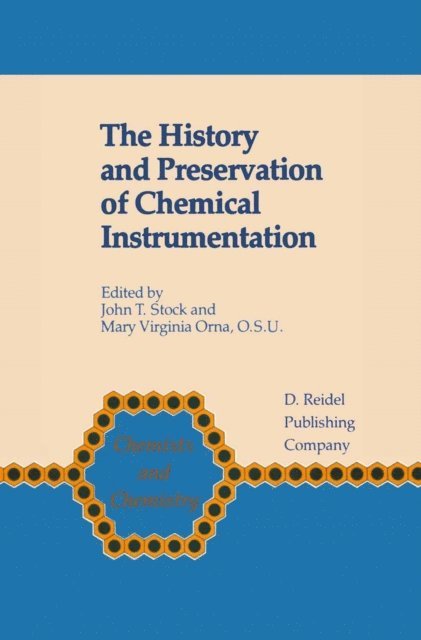
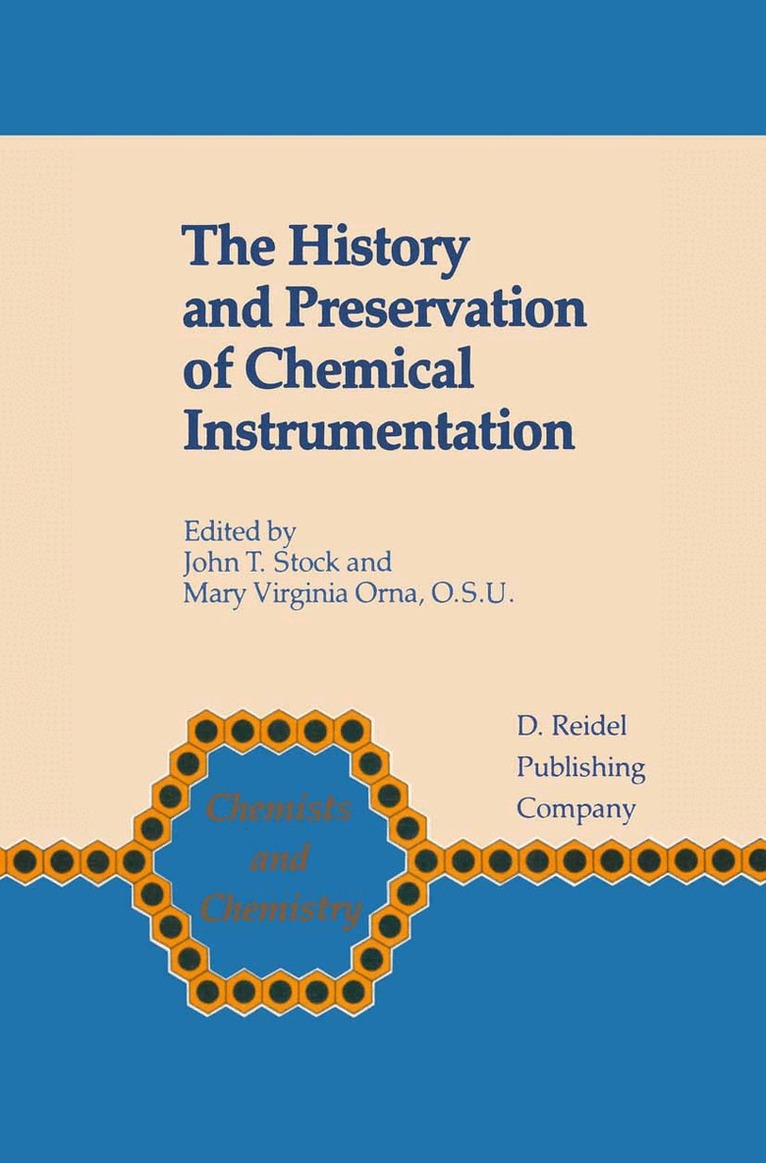
The development of chemistry, like that of the other fields of science and technology, has depended greatly upon the availability of instruments. Accordingly, the study of the history of instrumentation is a major area in any survey of the progress in this science. Recognizing this fact, the Division of the History of Chemistry of the American Chemical Society organized and held a very successful symposium on the history of chemical instrumentation during the Washington, D.C. National Meeting in 1979. Re~arks, both formal and informal, made during this symposium stressed points that soon become obvious to anyone who looks at the ancestry of present-day instruments . In some cases, the total history is measured in years, rather than in centuries . Chemical instrumentation, by no means confined to the laboratory, is vital in industry. There is a natural tendency to discard an item of any kind when a newer version is acquired. Often, "to discard" means "to scrap". If the item scrapped is an instrument that is unique - sometimes the last of its kind - we have a permanent artefactual gap in the history of science.
History and Preservation of Chemical Instrumentation
Proceedings of the ACS Divivsion of the History of Chemistry Symposium held in Chicago, Ill., September 9–10, 1985
Häftad, Engelska, 2011
1 593 kr
Skickas inom 10-15 vardagar
The development of chemistry, like that of the other fields of science and technology, has depended greatly upon the availability of instruments. Accordingly, the study of the history of instrumentation is a major area in any survey of the progress in this science. Recognizing this fact, the Division of the History of Chemistry of the American Chemical Society organized and held a very successful symposium on the history of chemical instrumentation during the Washington, D.C. National Meeting in 1979. Re~arks, both formal and informal, made during this symposium stressed points that soon become obvious to anyone who looks at the ancestry of present-day instruments . In some cases, the total history is measured in years, rather than in centuries . Chemical instrumentation, by no means confined to the laboratory, is vital in industry. There is a natural tendency to discard an item of any kind when a newer version is acquired. Often, "to discard" means "to scrap". If the item scrapped is an instrument that is unique - sometimes the last of its kind - we have a permanent artefactual gap in the history of science.