Matt Ffytche - Böcker
Visar alla böcker från författaren Matt Ffytche. Handla med fri frakt och snabb leverans.
6 produkter
6 produkter
The Foundation of the Unconscious
Schelling, Freud and the Birth of the Modern Psyche
Inbunden, Engelska, 2011
1 338 kr
Skickas inom 7-10 vardagar
The unconscious, cornerstone of psychoanalysis, was a key twentieth-century concept and retains an enormous influence on psychological and cultural theory. Yet there is a surprising lack of investigation into its roots in the critical philosophy and Romantic psychology of the early nineteenth century, long before Freud. Why did the unconscious emerge as such a powerful idea? And why at that point? This interdisciplinary study traces the emergence of the unconscious through the work of philosopher Friedrich Schelling, examining his association with Romantic psychologists, anthropologists and theorists of nature. It sets out the beginnings of a neglected tradition of the unconscious psyche and proposes a compelling new argument: that the unconscious develops from the modern need to theorise individual independence. The book assesses the impact of this tradition on psychoanalysis itself, re-reading Freud's The Interpretation of Dreams in the light of broader post-Enlightenment attempts to theorise individuality.
173 kr
Skickas inom 5-8 vardagar
The Foundation of the Unconscious
Schelling, Freud and the Birth of the Modern Psyche
Häftad, Engelska, 2013
387 kr
Skickas inom 7-10 vardagar
The unconscious, cornerstone of psychoanalysis, was a key twentieth-century concept and retains an enormous influence on psychological and cultural theory. Yet there is a surprising lack of investigation into its roots in the critical philosophy and Romantic psychology of the early nineteenth century, long before Freud. Why did the unconscious emerge as such a powerful idea? And why at that point? This interdisciplinary study traces the emergence of the unconscious through the work of philosopher Friedrich Schelling, examining his association with Romantic psychologists, anthropologists and theorists of nature. It sets out the beginnings of a neglected tradition of the unconscious psyche and proposes a compelling new argument: that the unconscious develops from the modern need to theorise individual independence. The book assesses the impact of this tradition on psychoanalysis itself, re-reading Freud's The Interpretation of Dreams in the light of broader post-Enlightenment attempts to theorise individuality.
2 508 kr
Skickas inom 10-15 vardagar
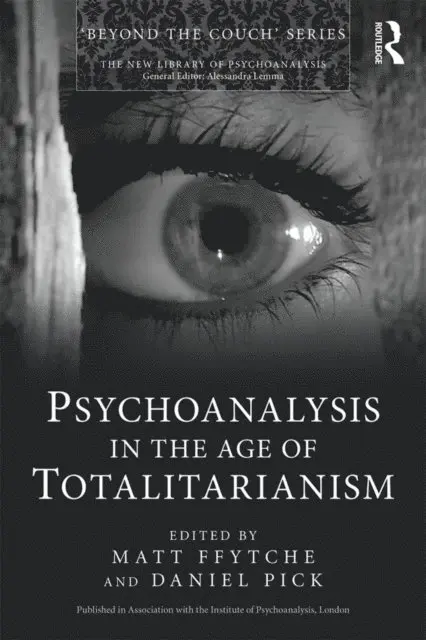
Psychoanalysis in the Age of Totalitarianism provides rich new insights into the history of political thought and clinical knowledge. In these chapters, internationally renowned historians and cultural theorists discuss landmark debates about the uses and abuses of ‘the talking cure’ and map the diverse psychologies and therapeutic practices that have featured in and against tyrannical, modern regimes. These essays show both how the Freudian movement responded to and was transformed by the rise of fascism and communism, the Second World War, and the Cold War, and how powerful new ideas about aggression, destructiveness, control, obedience and psychological freedom were taken up in the investigation of politics. They identify important intersections between clinical debate, political analysis, and theories of minds and groups, and trace influential ideas about totalitarianism that took root in modern culture after 1918, and still resonate in the twenty-first century. At the same time, they suggest how the emergent discourses of ‘totalitarian’ society were permeated by visions of the unconscious. Topics include: the psychoanalytic theorizations of anti-Semitism; the psychological origins and impact of Nazism; the post-war struggle to rebuild liberal democracy; state-funded experiments in mind control in Cold War America; coercive ‘re-education’ programmes in Eastern Europe, and the role of psychoanalysis in the politics of decolonization. A concluding trio of chapters argues, in various ways, for the continuing relevance of psychoanalysis, and of these mid-century debates over the psychology of power, submission and freedom in modern mass society.Psychoanalysis in the Age of Totalitarianism will prove compelling for both specialists and readers with a general interest in modern psychology, politics, culture and society, and in psychoanalysis. The material is relevant for academics and post-graduate students in the human, social and political sciences, the clinical professions, the historical profession and the humanities more widely.
708 kr
Skickas inom 10-15 vardagar
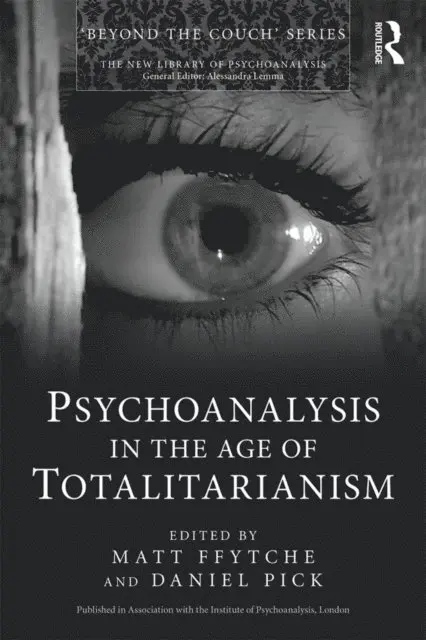
Psychoanalysis in the Age of Totalitarianism provides rich new insights into the history of political thought and clinical knowledge. In these chapters, internationally renowned historians and cultural theorists discuss landmark debates about the uses and abuses of ‘the talking cure’ and map the diverse psychologies and therapeutic practices that have featured in and against tyrannical, modern regimes. These essays show both how the Freudian movement responded to and was transformed by the rise of fascism and communism, the Second World War, and the Cold War, and how powerful new ideas about aggression, destructiveness, control, obedience and psychological freedom were taken up in the investigation of politics. They identify important intersections between clinical debate, political analysis, and theories of minds and groups, and trace influential ideas about totalitarianism that took root in modern culture after 1918, and still resonate in the twenty-first century. At the same time, they suggest how the emergent discourses of ‘totalitarian’ society were permeated by visions of the unconscious. Topics include: the psychoanalytic theorizations of anti-Semitism; the psychological origins and impact of Nazism; the post-war struggle to rebuild liberal democracy; state-funded experiments in mind control in Cold War America; coercive ‘re-education’ programmes in Eastern Europe, and the role of psychoanalysis in the politics of decolonization. A concluding trio of chapters argues, in various ways, for the continuing relevance of psychoanalysis, and of these mid-century debates over the psychology of power, submission and freedom in modern mass society.Psychoanalysis in the Age of Totalitarianism will prove compelling for both specialists and readers with a general interest in modern psychology, politics, culture and society, and in psychoanalysis. The material is relevant for academics and post-graduate students in the human, social and political sciences, the clinical professions, the historical profession and the humanities more widely.
168 kr
Skickas
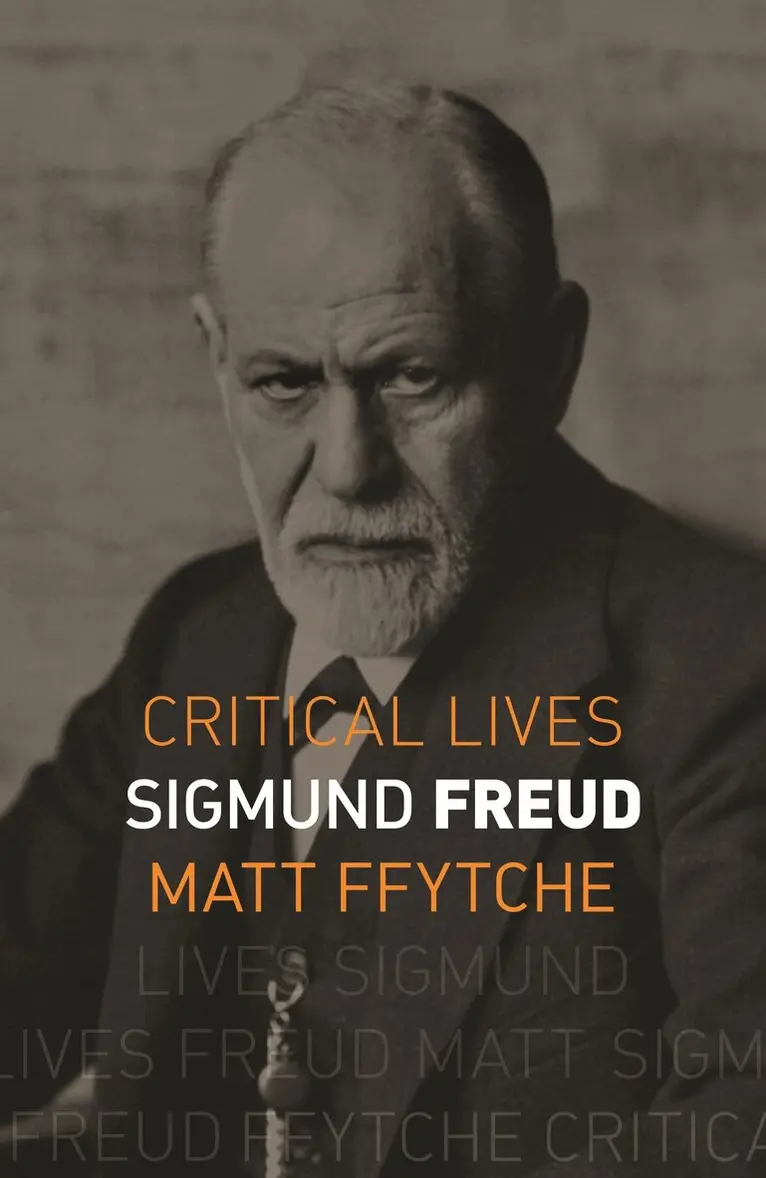
However much his work has been reviled or contested, Sigmund Freud remains one of the most significant thinkers of the last 150 years. He founded psychoanalysis, and his vision of human behaviour and the unconscious mind has provided a compelling paradigm for understanding society for much of the twentieth century.In this gripping new account, Matt ffytche draws on the latest research into Freud’s impact and historical context, making the case for his continuing relevance in analysing the vagaries, resistances and desires of the human mind. Engaging and accessible, Sigmund Freud will appeal to both students and the general reader, as well as anyone engaged with mental health, dreams and the hidden depths of human experience.