Matthew Congdon – författare
Visar alla böcker från författaren Matthew Congdon. Handla med fri frakt och snabb leverans.
6 produkter
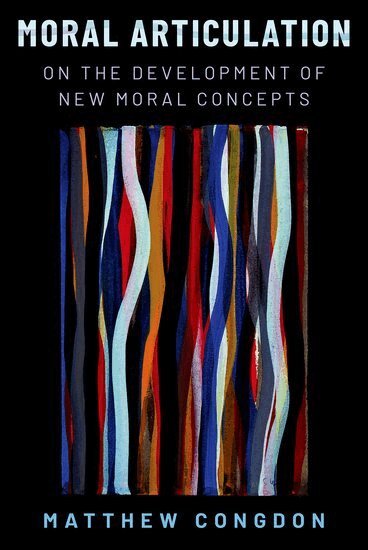
Moral Articulation
On the Development of New Moral Concepts
Inbunden, 2024
1435 kr
Lägg i varukorg
This book explores the historical development of new moral concepts. Starting from examples of new moral terms invented in the twentieth century, like 'sexual harassment', 'genocide', 'racism', and 'hate speech', this book asks: what we are doing when we bring ethically significant acts and events …
Moral Articulation
On the Development of New Moral Concepts
E-bok, 2023
770 kr
Lägg i varukorg
This book explores the historical development of new moral concepts. Starting from examples of new moral terms invented in the twentieth century, like ''sexual harassment'', ''genocide'', ''racism'', and ''hate speech'', this book asks: what we are doing when we bring ethically significant acts and …
Moral Articulation
On the Development of New Moral Concepts
E-bok, 2023
770 kr
Lägg i varukorg
This book explores the historical development of new moral concepts. Starting from examples of new moral terms invented in the twentieth century, like ''sexual harassment'', ''genocide'', ''racism'', and ''hate speech'', this book asks: what we are doing when we bring ethically significant acts and …
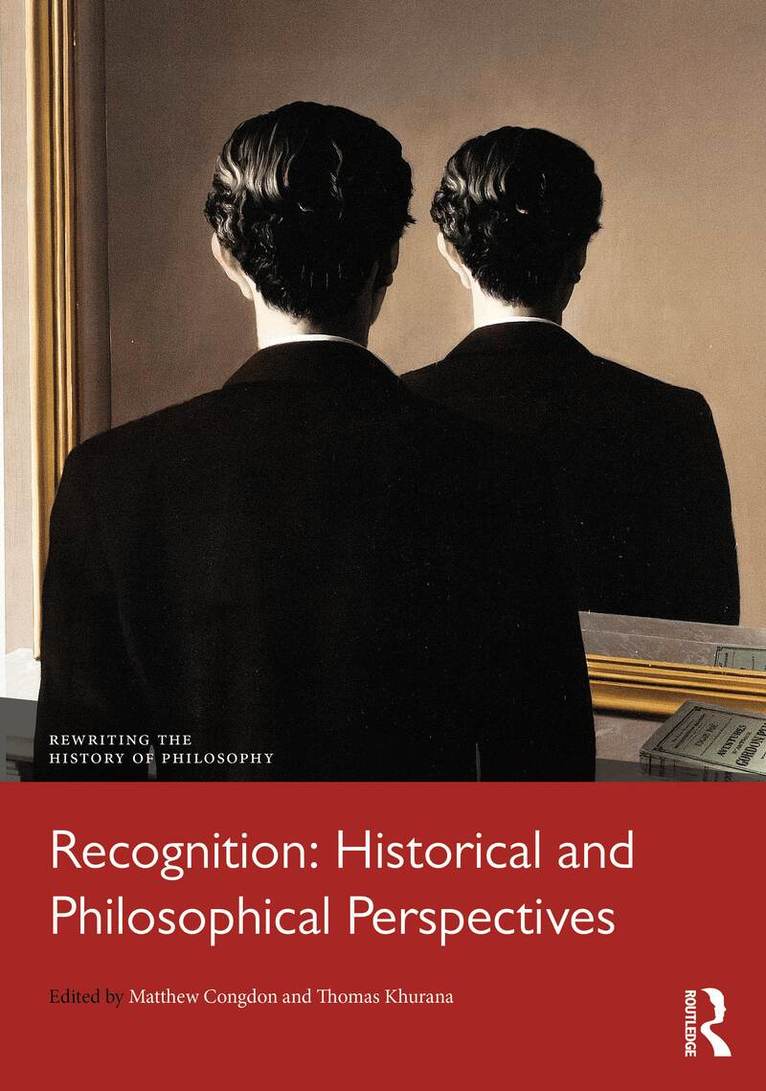
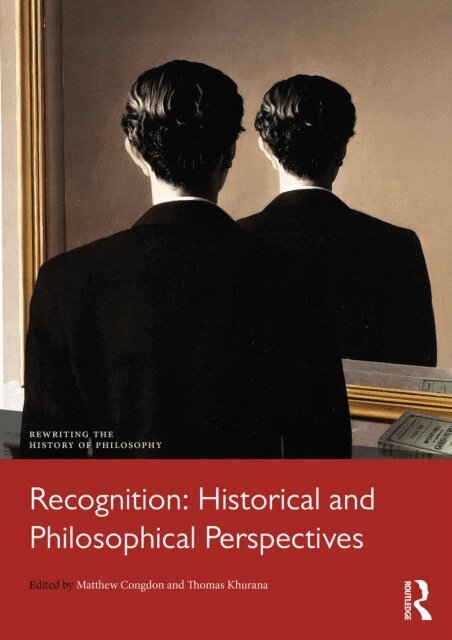
Recognition: Historical and Philosophical Perspectives
Av Matthew Congdon, Thomas Khurana
Inbunden, 2025
3781 kr
Lägg i varukorg
The concept of recognition has moved to the forefront of philosophical research in recent decades, particularly in political and social philosophy but also related areas, including philosophy of race and gender, philosophy of mind and language, ethics and aesthetics. It is a concept with deep roots …
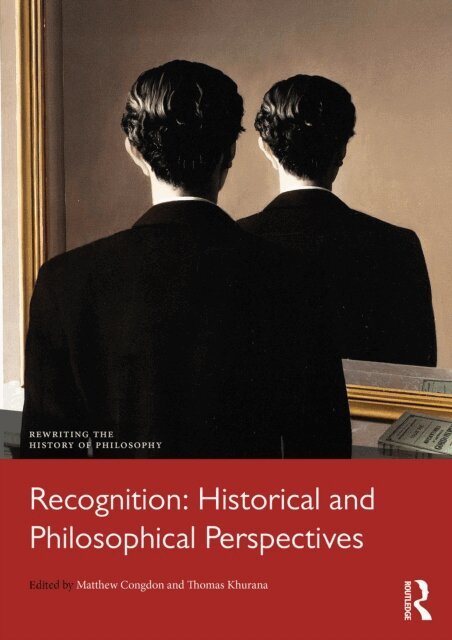
Recognition: Historical and Philosophical Perspectives
Av Thomas Khurana, Matthew Congdon
E-bok, 2025
953 kr
Lägg i varukorg
The concept of recognition has moved to the forefront of philosophical research in recent decades, particularly in political and social philosophy but also related areas, including philosophy of race and gender, philosophy of mind and language, ethics and aesthetics. It is a concept with deep roots …
Recognition: Historical and Philosophical Perspectives
Av Thomas Khurana, Matthew Congdon
E-bok, 2025
953 kr
Lägg i varukorg
The concept of recognition has moved to the forefront of philosophical research in recent decades, particularly in political and social philosophy but also related areas, including philosophy of race and gender, philosophy of mind and language, ethics and aesthetics. It is a concept with deep roots …