Mattias P. Gassman – författare
Visar alla böcker från författaren Mattias P. Gassman. Handla med fri frakt och snabb leverans.
6 produkter
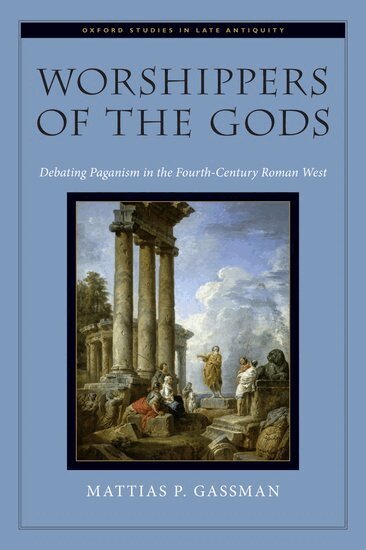
Worshippers of the Gods
Debating Paganism in the Fourth-Century Roman West
Inbunden, 2020
1304 kr
Lägg i varukorg
Worshippers of the Gods tells how the Latin writers who witnessed the political and social rise of Christianity rethought the role of traditional religion in the empire and city of Rome. In parallel with the empire's legal Christianisation, it traces changing attitudes toward paganism from the last …
Worshippers of the Gods
Debating Paganism in the Fourth-Century Roman West
E-bok, 2020
1192 kr
Lägg i varukorg
Worshippers of the Gods tells how the Latin writers who witnessed the political and social rise of Christianity rethought the role of traditional religion in the empire and city of Rome. In parallel with the empire''s legal Christianisation, it traces changing attitudes toward paganism from the …
Worshippers of the Gods
Debating Paganism in the Fourth-Century Roman West
E-bok, 2020
1192 kr
Lägg i varukorg
Worshippers of the Gods tells how the Latin writers who witnessed the political and social rise of Christianity rethought the role of traditional religion in the empire and city of Rome. In parallel with the empire''s legal Christianisation, it traces changing attitudes toward paganism from the …
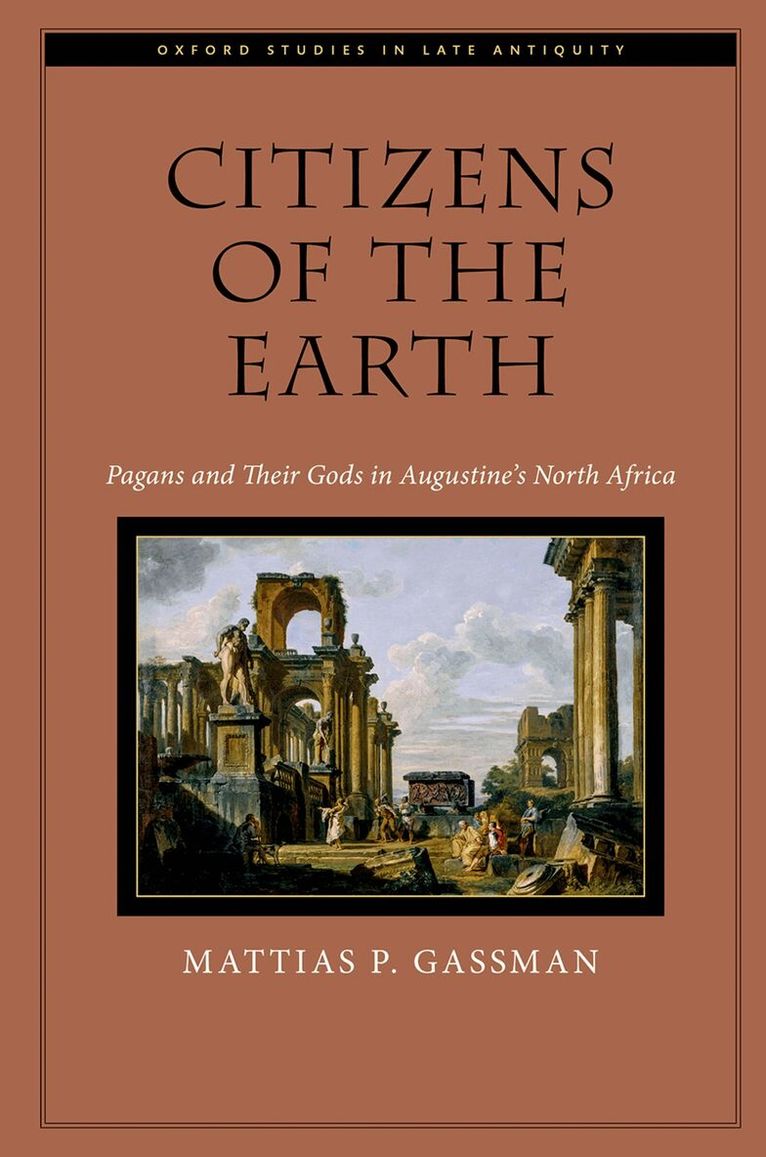
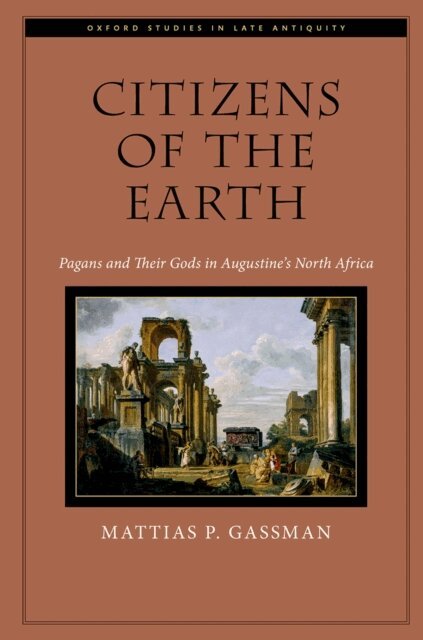
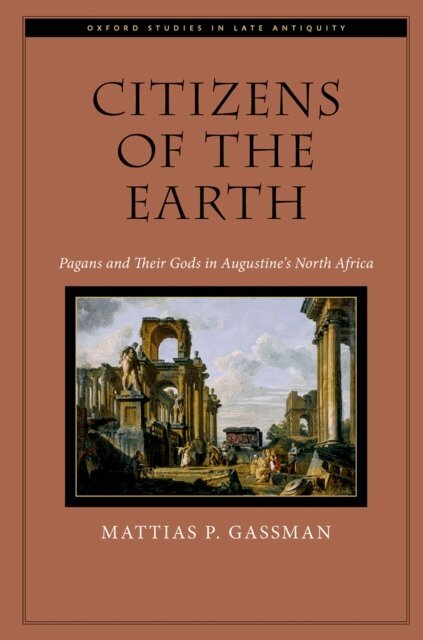
Citizens of the Earth
Pagans and Their Gods in Augustine's North Africa
Inbunden, 2026
1119 kr
Lägg i varukorg
Citizens of the Earth presents the first comprehensive account of Augustine's engagement with traditional Roman religion. A multifaceted case-study in the Christianization of the Roman Empire, it anchors Augustine's works in their intellectual and social context, narrating political and …
Citizens of the Earth
Pagans and Their Gods in Augustine's North Africa
E-bok, 2026
1192 kr
Lägg i varukorg
Citizens of the Earth presents the first comprehensive account of Augustine's engagement with traditional Roman religion. A multifaceted case-study in the Christianization of the Roman Empire, it anchors Augustine's works in their intellectual and social context, narrating political and …
Citizens of the Earth
Pagans and Their Gods in Augustine's North Africa
E-bok, 2026
1192 kr
Lägg i varukorg
Citizens of the Earth presents the first comprehensive account of Augustine's engagement with traditional Roman religion. A multifaceted case-study in the Christianization of the Roman Empire, it anchors Augustine's works in their intellectual and social context, narrating political and …