Megan Cassidy-Welch - Böcker
Visar alla böcker från författaren Megan Cassidy-Welch. Handla med fri frakt och snabb leverans.
7 produkter
7 produkter
406 kr
Skickas inom 7-10 vardagar
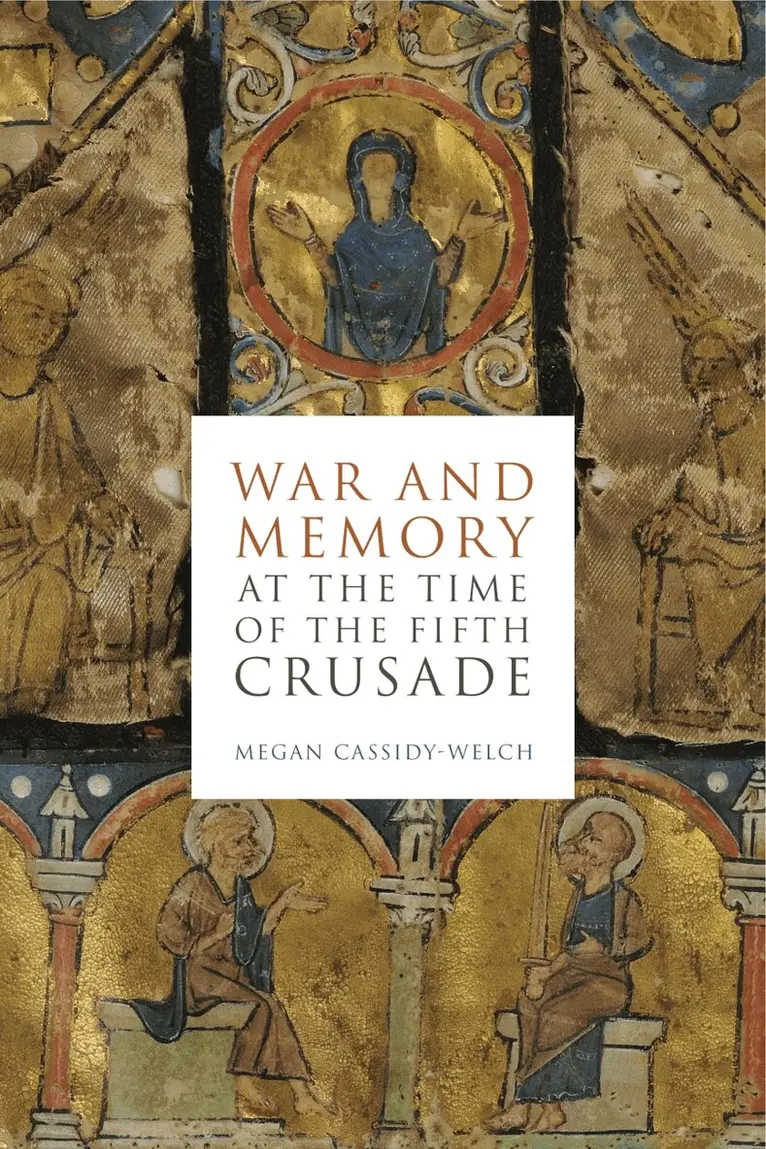
In this book, Megan Cassidy-Welch challenges the notion that using memories of war to articulate and communicate collective identity is exclusively a modern phenomenon. War and Memory at the Time of the Fifth Crusade explores how and why remembering war came to be culturally meaningful during the early thirteenth century.By the 1200s, discourses of crusading were deeply steeped in the language of memory: crusaders understood themselves to be acting in remembrance of Christ’s sacrifice and following in the footsteps of their ancestors. At the same time, the foundational narratives of the First Crusade began to be transformed by vernacular histories and the advent of crusading romance. Examining how the Fifth Crusade was remembered and commemorated during its triumphs and immediately after its disastrous conclusion, Cassidy-Welch brings a nuanced perspective to the prevailing historiography on war memory, showing that remembering war was significant and meaningful centuries before the advent of the nation-state.This thoughtful and novel study of the Fifth Crusade shows it to be a key moment in the history of remembering war and provides new insights into medieval communication. It will be invaluable reading for scholars interested in the Fifth Crusade, medieval war memory, and the use of war memory.
438 kr
Skickas inom 7-10 vardagar
In this book, Megan Cassidy-Welch challenges the notion that using memories of war to articulate and communicate collective identity is exclusively a modern phenomenon. War and Memory at the Time of the Fifth Crusade explores how and why remembering war came to be culturally meaningful during the early thirteenth century.By the 1200s, discourses of crusading were deeply steeped in the language of memory: crusaders understood themselves to be acting in remembrance of Christ’s sacrifice and following in the footsteps of their ancestors. At the same time, the foundational narratives of the First Crusade began to be transformed by vernacular histories and the advent of crusading romance. Examining how the Fifth Crusade was remembered and commemorated during its triumphs and immediately after its disastrous conclusion, Cassidy-Welch brings a nuanced perspective to the prevailing historiography on war memory, showing that remembering war was significant and meaningful centuries before the advent of the nation-state.This thoughtful and novel study of the Fifth Crusade shows it to be a key moment in the history of remembering war and provides new insights into medieval communication. It will be invaluable reading for scholars interested in the Fifth Crusade, medieval war memory, and the use of war memory.
670 kr
Skickas inom 10-15 vardagar
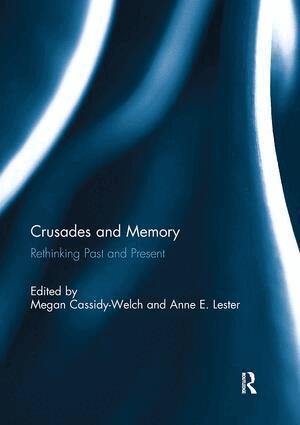
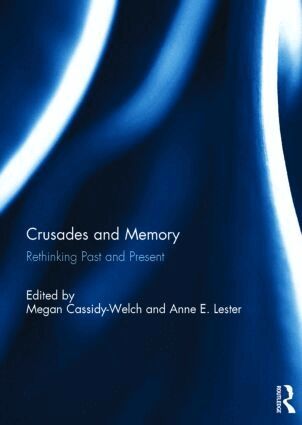
Crusading was a religious movement involving papal authorization, the incentive of remission of sins, pious motivation on behalf of the individual, and the justification of holy war. Much recent historiography in this area has focused on resolving the questions of what a crusade was, and why people went on them. But crusading became a cultural and social phenomenon that changed across time and geographical space. In turn, crusading was shaped by the ways specific crusades and their participants were remembered in specific historical contexts. Moreover, crusade memory had profound effects on the cultivation of family lineage, kinship ties, national and regional identity, and religious orthodoxy. Integrating memory into crusades scholarship thus offers new ways of exploring the aftermath of war, the construction of cultural and social memory, the role of women and families in this process, and the crusading movement itself.This book explores memory as a methodological means of understanding the crusades. It engages with theories of communicative memory, social and cultural memory, war commemoration, and historical processes of remembering. Contributions explore the variety of cultural forms used in cultivating crusade memory. Material, visual, liturgical and textual objects are all reflective of crusade culture and the process of crafting its memory, and the analysis of such sources is of particular interest. This publication furthers new trends in crusade scholarship which understand the crusades as a broad religious movement that called upon and developed within a wider cultural framework than previously acknowledged.This book was originally published as a special issue of the Journal of Medieval History.
2 305 kr
Skickas inom 10-15 vardagar
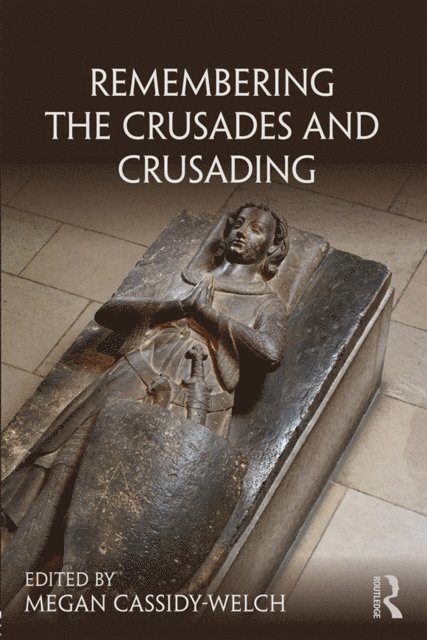
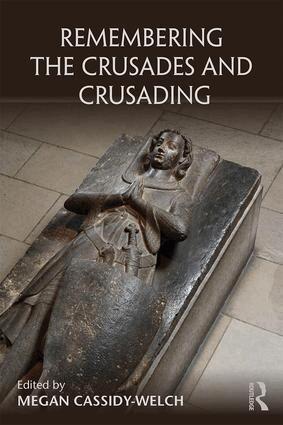
Remembering the Crusades and Crusading examines the diverse contexts in which crusading was memorialised and commemorated in the medieval world and beyond. The collection not only shows how the crusades were commemorated in the twelfth and thirteenth centuries, but also considers the longer-term remembrance of the crusades into the modern era. This collection is divided into three sections, the first of which deals with the textual, material and visual sources used to remember. Each contributor introduces a particular body of source material and presents case studies using those sources in their own research. The second section contains four chapters examining specific communities active in commemorating the crusades, including religious communities, family groups and royal courts. Finally, the third section examines the cultural memory of crusading in the Byzantine, Iberian and Baltic regions beyond the early years, as well as the trajectory of crusading memory in the Muslim Middle East. This book draws together and extends the current debates in the history of the crusades and the history of memory and in so doing offers a fresh synthesis of material in both fields. It will be essential reading for students of the crusades and memory.
745 kr
Skickas inom 10-15 vardagar
Remembering the Crusades and Crusading examines the diverse contexts in which crusading was memorialised and commemorated in the medieval world and beyond. The collection not only shows how the crusades were commemorated in the twelfth and thirteenth centuries, but also considers the longer-term remembrance of the crusades into the modern era. This collection is divided into three sections, the first of which deals with the textual, material and visual sources used to remember. Each contributor introduces a particular body of source material and presents case studies using those sources in their own research. The second section contains four chapters examining specific communities active in commemorating the crusades, including religious communities, family groups and royal courts. Finally, the third section examines the cultural memory of crusading in the Byzantine, Iberian and Baltic regions beyond the early years, as well as the trajectory of crusading memory in the Muslim Middle East. This book draws together and extends the current debates in the history of the crusades and the history of memory and in so doing offers a fresh synthesis of material in both fields. It will be essential reading for students of the crusades and memory.
2 166 kr
Skickas inom 10-15 vardagar
Crusading was a religious movement involving papal authorization, the incentive of remission of sins, pious motivation on behalf of the individual, and the justification of holy war. Much recent historiography in this area has focused on resolving the questions of what a crusade was, and why people went on them. But crusading became a cultural and social phenomenon that changed across time and geographical space. In turn, crusading was shaped by the ways specific crusades and their participants were remembered in specific historical contexts. Moreover, crusade memory had profound effects on the cultivation of family lineage, kinship ties, national and regional identity, and religious orthodoxy. Integrating memory into crusades scholarship thus offers new ways of exploring the aftermath of war, the construction of cultural and social memory, the role of women and families in this process, and the crusading movement itself.This book explores memory as a methodological means of understanding the crusades. It engages with theories of communicative memory, social and cultural memory, war commemoration, and historical processes of remembering. Contributions explore the variety of cultural forms used in cultivating crusade memory. Material, visual, liturgical and textual objects are all reflective of crusade culture and the process of crafting its memory, and the analysis of such sources is of particular interest. This publication furthers new trends in crusade scholarship which understand the crusades as a broad religious movement that called upon and developed within a wider cultural framework than previously acknowledged.This book was originally published as a special issue of the Journal of Medieval History.
275 kr
Skickas inom 7-10 vardagar
How was violence understood and justified during the time of the crusades? This book argues that although just/holy war theory has long provided the framework for explaining crusading violence, cultural history gives us deeper insights into the meaning and conduct of medieval crusading warfare. Using a range of sources including histories, letters, and material culture from the twelfth and thirteenth centuries, this book provides fresh insights into medieval violence and the history of the crusades. It shows how violence was debated, defined, worried about, celebrated, and condemned, and that the boundaries of legitimate and illegitimate conduct in crusading warfare were constantly and consciously tested.