Meghan C. L. Howey – författare
Visar alla böcker från författaren Meghan C. L. Howey. Handla med fri frakt och snabb leverans.
4 produkter
4 produkter
1 202 kr
Skickas inom 7-10 vardagar
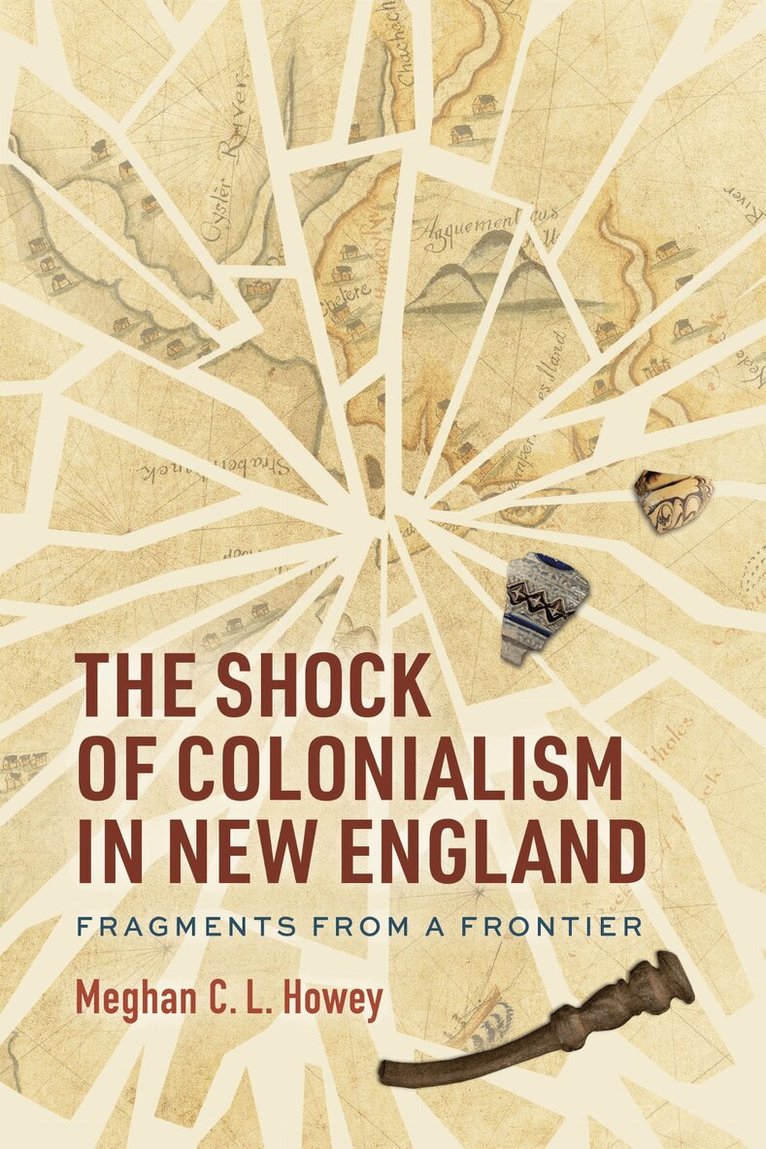
In The Shock of Colonialism in New England, archaeologist Meghan C. L. Howey uses excavations in the magnificent seventeenth-century frontier colony of the Great Bay Estuary P8bagok in today’s New Hampshire to trace the direct line of European global colonialism to the present crises. Howey shows how this site, outside of the hub of the Puritan Massachusetts Bay Colony in Boston, holds overlooked stories of what it meant to live through the shock of colonialism. These stories include an unexpected diversity and dynamism among English colonists, nuanced, multifaceted encounters with Indigenous peoples whose ancestors had thrived here for millennia, and lasting degrading environmental legacies of labor-intensive industries.
374 kr
Skickas inom 7-10 vardagar
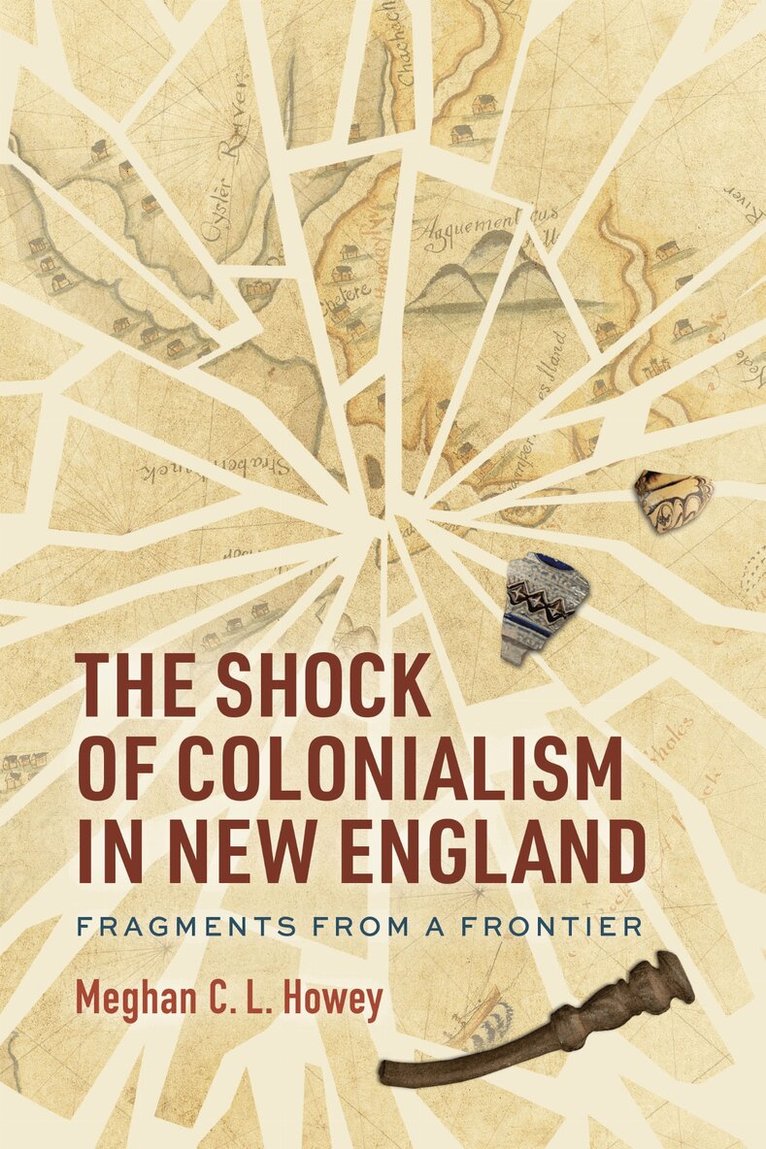
Explores the untold impacts of colonialism in New England through diverse colonist lives, Indigenous encounters, and environmental legacies.In The Shock of Colonialism in New England, archaeologist Meghan C. L. Howey uses excavations in the seventeenth-century colonial frontier of the Great Bay Estuary/P8bagok in today's New Hampshire to trace the connection between European global colonialism and the planetary climate crises. Howey shows how this landscape holds forgotten stories of what it meant to live through the shock of colonialism.These stories reveal an unexpected diversity and dynamism among English colonists, multifaceted encounters with Indigenous peoples, and lasting environmental damage from labor-intensive industries. Early Euro-American maps and stunning archaeological finds, such as a broken pickaxe embedded in a hearth, and a historical marker for the Oyster River "Massacre" of 1694 complicate our limited views of a shared past.The reality of English colonialism in the dispossession of Indigenous lands and its wake is not commemorated. Howey's work is a powerful corrective that traces the rise of intergenerational colonial wealth made possible by land commodified as property, the increased labor required to work newly opened land, the importation of indentured Scots and enslaved Africans to provide that labor, and the resulting degradation of the natural environment. Through Howey's insights into the stories they tell, these fragments from a frontier can help contemporary readers better understand the past as they seek a more just and sustainable future.
2 176 kr
Skickas inom 10-15 vardagar
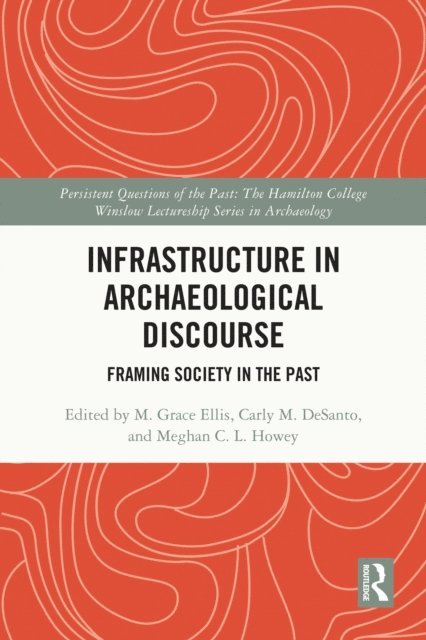
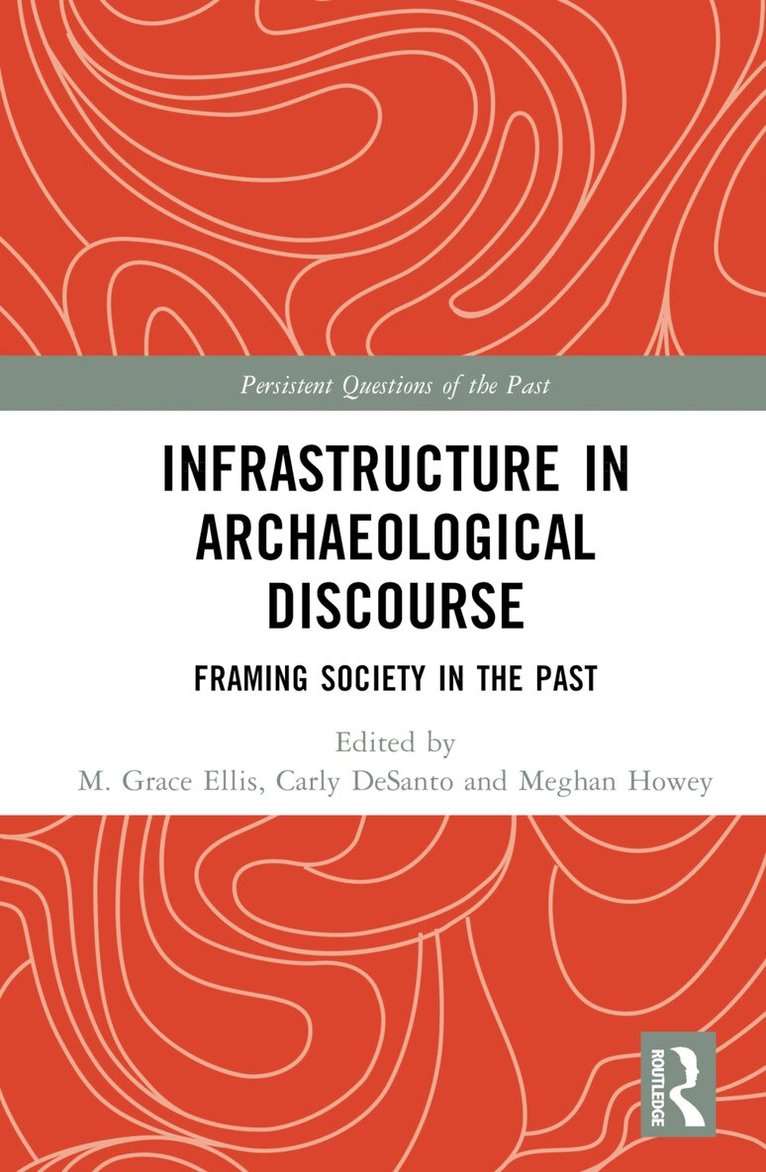
This volume expands perspectives on infrastructure that are rooted in archaeological discourse and material evidence.The compiled chapters represent new and emerging ideas within archaeology about what infrastructure is, how it can materialize, and how it impacts and reflects human behavior, social organization, and identity in the past as well as the present. Three goals central to the work include: (1) expand the definition of infrastructure using archaeological frameworks and evidence from a wide range of social, historical, and geographic contexts; (2) explore how new archaeological perspectives on infrastructure can help answer anthropological questions pertaining to social organization, group collaboration, and community consensus and negotiation; and (3) examine the broader implications of an archaeological engagement with infrastructure and contributions to contemporary infrastructural studies. Chapters explore important aspects of infrastructure, including its relationality, scale, history, and relevance, and provide archaeological case studies that examine the social repercussions of infrastructure and the various ways it has materialized in the past. This compilation ultimately expands the discourse of infrastructure in archaeology and social sciences more broadly.Social scientists can turn to this volume for insights into an archaeologically informed perspective on infrastructure relevant to the study of past and current human behavior.
651 kr
Skickas inom 10-15 vardagar
This volume expands perspectives on infrastructure that are rooted in archaeological discourse and material evidence.The compiled chapters represent new and emerging ideas within archaeology about what infrastructure is, how it can materialize, and how it impacts and reflects human behavior, social organization, and identity in the past as well as the present. Three goals central to the work include: (1) expand the definition of infrastructure using archaeological frameworks and evidence from a wide range of social, historical, and geographic contexts; (2) explore how new archaeological perspectives on infrastructure can help answer anthropological questions pertaining to social organization, group collaboration, and community consensus and negotiation; and (3) examine the broader implications of an archaeological engagement with infrastructure and contributions to contemporary infrastructural studies. Chapters explore important aspects of infrastructure, including its relationality, scale, history, and relevance, and provide archaeological case studies that examine the social repercussions of infrastructure and the various ways it has materialized in the past. This compilation ultimately expands the discourse of infrastructure in archaeology and social sciences more broadly.Social scientists can turn to this volume for insights into an archaeologically informed perspective on infrastructure relevant to the study of past and current human behavior.