Melanie Altanian - Böcker
Visar alla böcker från författaren Melanie Altanian. Handla med fri frakt och snabb leverans.
5 produkter
5 produkter
2 088 kr
Skickas inom 10-15 vardagar
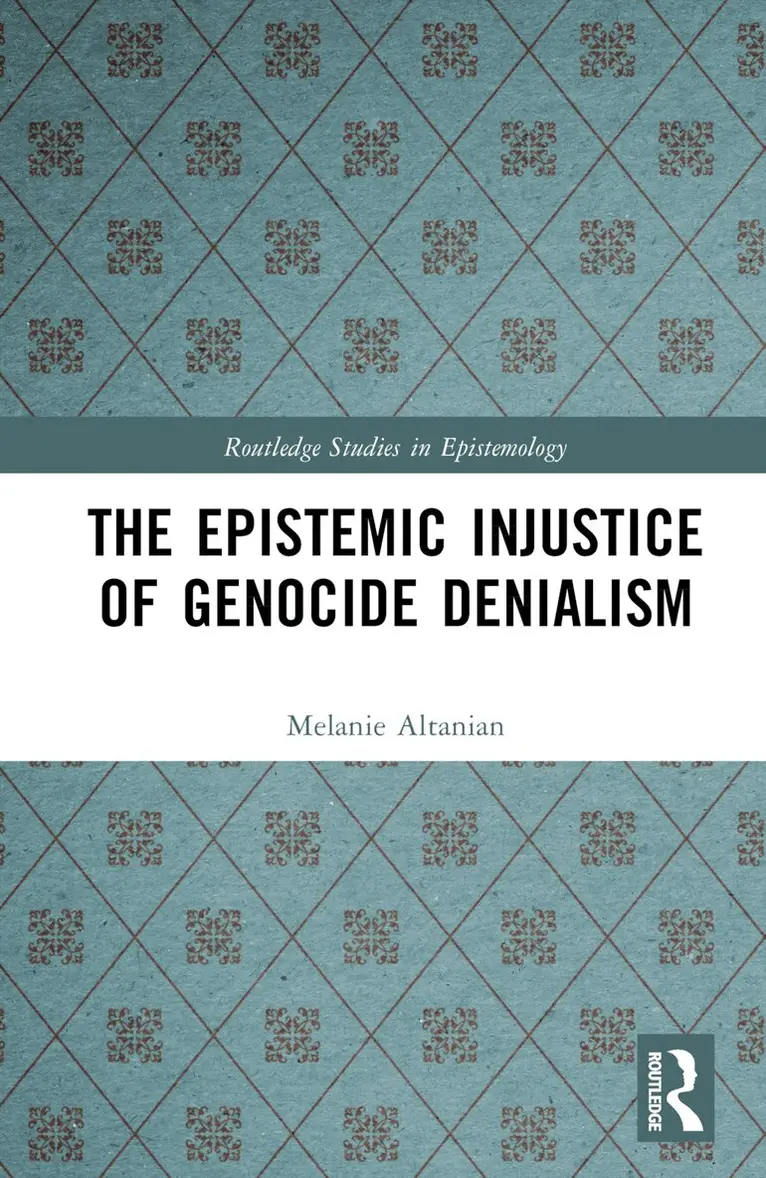
The injustice of genocide denial is commonly understood as a violation of the dignity of victims, survivors, and their descendants, and further described as an assault on truth and memory. This book rethinks the normative relationship between dignity, truth, and memory in relation to genocide denial by adopting the framework of epistemic injustice.This framework performs two functions. First, it introduces constructive normative vocabulary into genocide scholarship through which we can gain a better understanding of the normative impacts of genocide denial when it is institutionalized and systematic. Second, it develops and enriches current scholarship on epistemic injustice with a further, underexplored case study. Genocide denialism is relevant for political and social epistemology, as it presents a substantive epistemic practice that distorts normativity and social reality in ways that maintain domination. This generates pervasive ignorance that makes denial rather than recognition of genocide appear as the morally and epistemically right thing to do. By focusing on the prominent case of Turkey’s denialism of the Armenian genocide, the book shows the serious consequences of this kind of epistemic injustice for the victim group and society as a whole.The Epistemic Injustice of Genocide Denialism will appeal to students and scholars working in social, political, and applied epistemology, social and political philosophy, genocide studies, Armenian studies, and memory studies.The Open Access version of this book, available at www.taylorfrancis.com, has been made available under a Creative Commons Attribution-Non Commercial-No Derivatives (CC-BY-NC-ND) 4.0 license. Any third party material in this book is not included in the OA Creative Commons license, unless indicated otherwise in a credit line to the material. Please direct any permissions enquiries to the original rightsholder.Funded by: Swiss National Science Foundation
631 kr
Skickas inom 10-15 vardagar
The injustice of genocide denial is commonly understood as a violation of the dignity of victims, survivors, and their descendants, and further described as an assault on truth and memory. This book rethinks the normative relationship between dignity, truth, and memory in relation to genocide denial by adopting the framework of epistemic injustice.This framework performs two functions. First, it introduces constructive normative vocabulary into genocide scholarship through which we can gain a better understanding of the normative impacts of genocide denial when it is institutionalized and systematic. Second, it develops and enriches current scholarship on epistemic injustice with a further, underexplored case study. Genocide denialism is relevant for political and social epistemology, as it presents a substantive epistemic practice that distorts normativity and social reality in ways that maintain domination. This generates pervasive ignorance that makes denial rather than recognition of genocide appear as the morally and epistemically right thing to do. By focusing on the prominent case of Turkey’s denialism of the Armenian genocide, the book shows the serious consequences of this kind of epistemic injustice for the victim group and society as a whole.The Epistemic Injustice of Genocide Denialism will appeal to students and scholars working in social, political, and applied epistemology, social and political philosophy, genocide studies, Armenian studies, and memory studies.The Open Access version of this book, available at www.taylorfrancis.com, has been made available under a Creative Commons Attribution-Non Commercial-No Derivatives (CC-BY-NC-ND) 4.0 license. Any third party material in this book is not included in the OA Creative Commons license, unless indicated otherwise in a credit line to the material. Please direct any permissions enquiries to the original rightsholder.Funded by: Swiss National Science Foundation
2 088 kr
Skickas inom 10-15 vardagar
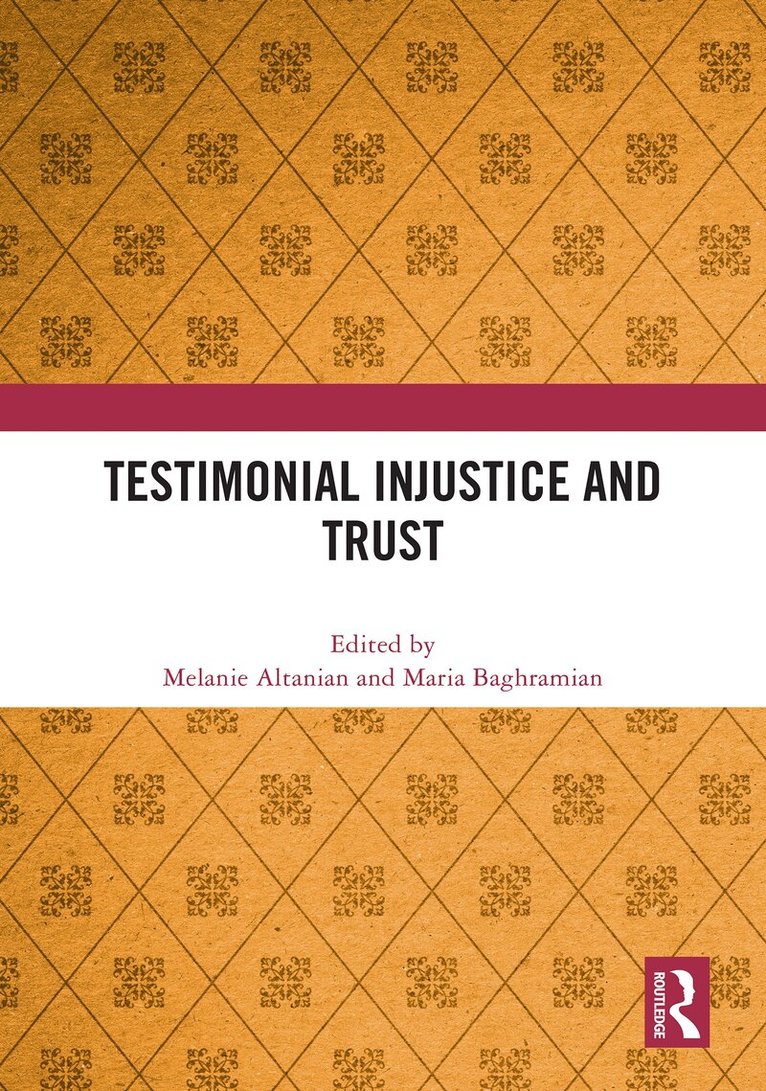
This book presents novel approaches and perspectives to scholarship on epistemic injustice and particularly, testimonial injustice and their connections with public trust.Drawing from different philosophical schools of thought and approaches, the book provides a comprehensive analysis of the conditions, mechanisms and normative implications of testimonial injustice, a term most prominently introduced by Fricker (2007), and the role that trust can play in fostering testimonial justice. Through the application of theories of epistemic injustice, and testimonial injustice, to new contexts and cases, including gendered violence, disability, indigenous knowledge, genocide, vaccine hesitancy and the COVID-19 pandemic, the book sheds light on the real-world significance of these philosophical concepts.Testimonial Injustice and Trust introduces new directions for further research and will appeal to scholars and students in (critical) social and political epistemology, normative ethics as well as social and political philosophy more generally. The chapters in this book were originally published in the International Journal of Philosophical Studies, Social Epistemology and Educational Philosophy and Theory.
631 kr
Skickas inom 10-15 vardagar
This book presents novel approaches and perspectives to scholarship on epistemic injustice and particularly, testimonial injustice and their connections with public trust.Drawing from different philosophical schools of thought and approaches, the book provides a comprehensive analysis of the conditions, mechanisms and normative implications of testimonial injustice, a term most prominently introduced by Fricker (2007), and the role that trust can play in fostering testimonial justice. Through the application of theories of epistemic injustice, and testimonial injustice, to new contexts and cases, including gendered violence, disability, indigenous knowledge, genocide, vaccine hesitancy and the COVID-19 pandemic, the book sheds light on the real-world significance of these philosophical concepts.Testimonial Injustice and Trust introduces new directions for further research and will appeal to scholars and students in (critical) social and political epistemology, normative ethics as well as social and political philosophy more generally. The chapters in this book were originally published in the International Journal of Philosophical Studies, Social Epistemology and Educational Philosophy and Theory.
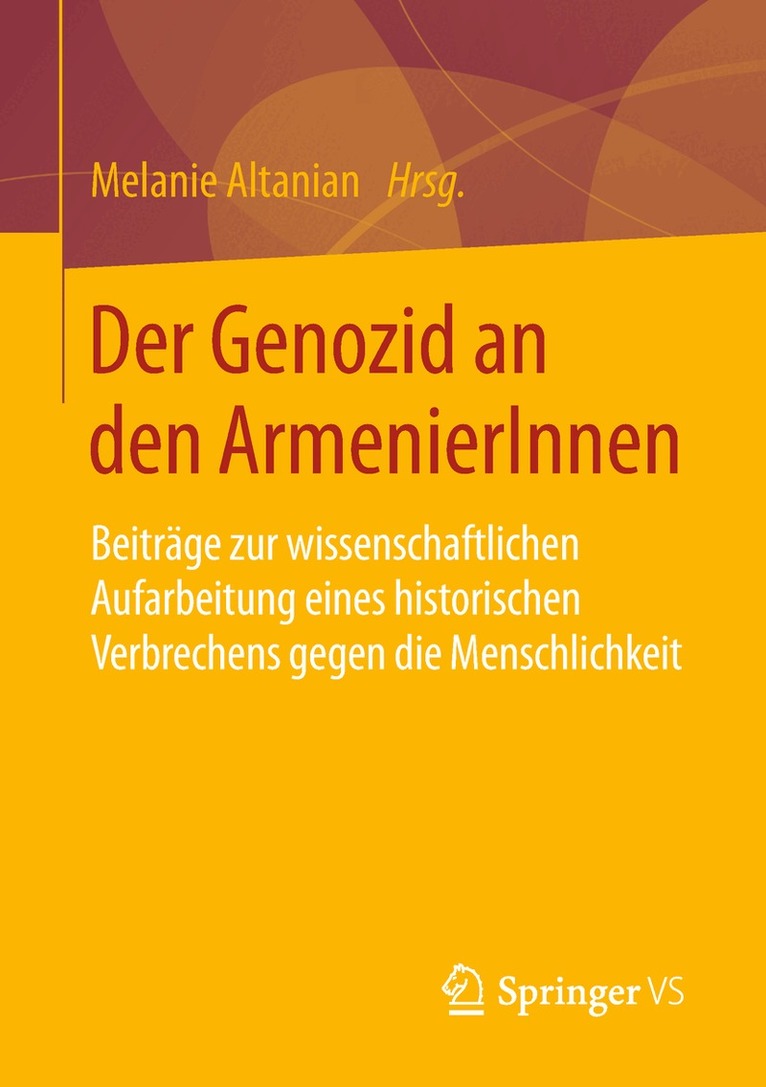
Der Genozid an den ArmenierInnen
Beiträge zur wissenschaftlichen Aufarbeitung eines historischen Verbrechens gegen die Menschlichkeit
Häftad, Tyska, 2018
516 kr
Skickas inom 10-15 vardagar
Dieser inter- und multidisziplinäre Band bietet einen Querschnitt durch die wissenschaftliche Auseinandersetzung mit dem über hundert Jahre zurückliegenden Armenier-Genozid, der bis heute von den türkischen Nachfolgeregierungen offiziell geleugnet wird. Beiträge aus unterschiedlichen Disziplinen weisen auf spezifische Probleme hin, die mit der Aufarbeitung dieses Genozids zusammenhängen: Beginnend mit einem (rechts-)historischen Teil über das Verbrechen sowie dessen zeitgenössische Bewertung, hin zu den direkten und indirekten psychologischen Folgen des Verbrechens bis heute, sowie moralphilosophische und rechtliche Fragestellungen in Bezug auf die Leugnung des Genozids.