Melissa Kwasny – författare
Visar alla böcker från författaren Melissa Kwasny. Handla med fri frakt och snabb leverans.
11 produkter
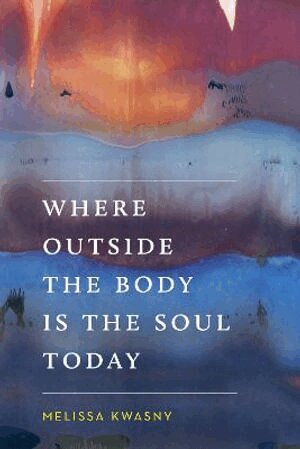
Where Outside the Body Is the Soul Today
Inbunden, 2017
563 kr
Lägg i varukorg
Where Outside the Body Is the Soul Today comprises two interwoven series—one of linked prose poems called “Another Letter to the Soul” and one of individual lined poems that explore the connection between anima and animal. The volume speaks to and questions the ancient concept of the soul and its …
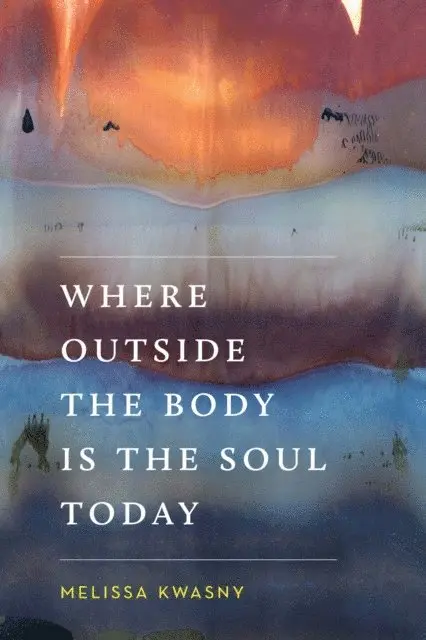
Where Outside the Body Is the Soul Today
E-bok, 2017
497 kr
Lägg i varukorg
Where Outside the Body Is the Soul Today comprises two interwoven series—one of linked prose poems called “Another Letter to the Soul” and one of individual lined poems that explore the connection between anima and animal. The volume speaks to and questions the ancient concept of the soul and its …
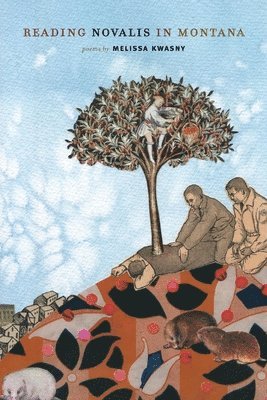
Reading Novalis in Montana
Häftad, 2009
256 kr
Lägg i varukorg
Drawing inspiration from Novalis (1772-1801) a poet who, like the other adherents of early German Romanticism, believed in the correspondence between inner and outer worlds, Kwasny divines the palpable and ineffable ways in which inherited traditions--indigenous culture, mythology, romanticism, …
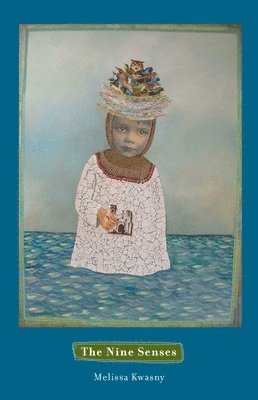
Nine Senses
Häftad, 2011
256 kr
Lägg i varukorg
In this groundbreaking fourth collection comprised of exquisitely crafted prose poems, Melissa Kwasny examines the world around her with the quiet and profound attention of a poet at the height of her powers. The questions that have informed much of Kwasny's previous work--how does one have a …
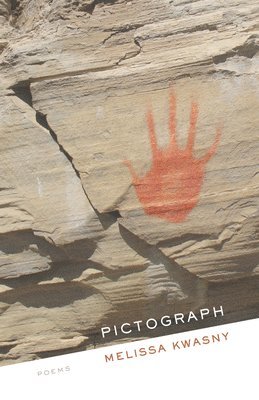
Pictograph
Poems
Häftad, 2015
249 kr
Lägg i varukorg
"If you would learn the earth as it really is," N. Scott Momaday writes, "learn it through its sacred places." With this quote as her guiding light, Melissa Kwasny traveled to the ancient pictograph and petroglyph sites around her rural Montana home. The poems in this collection emerge from these …
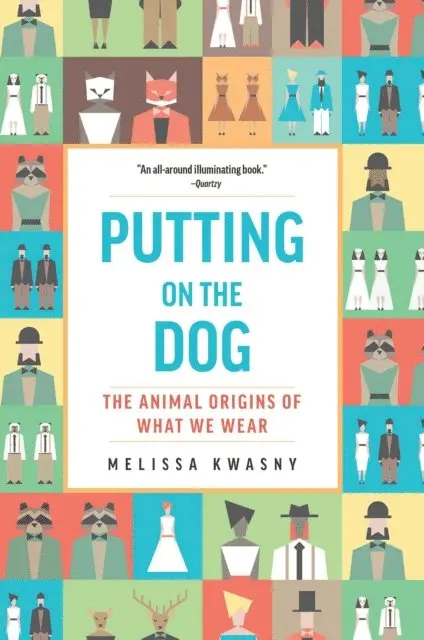
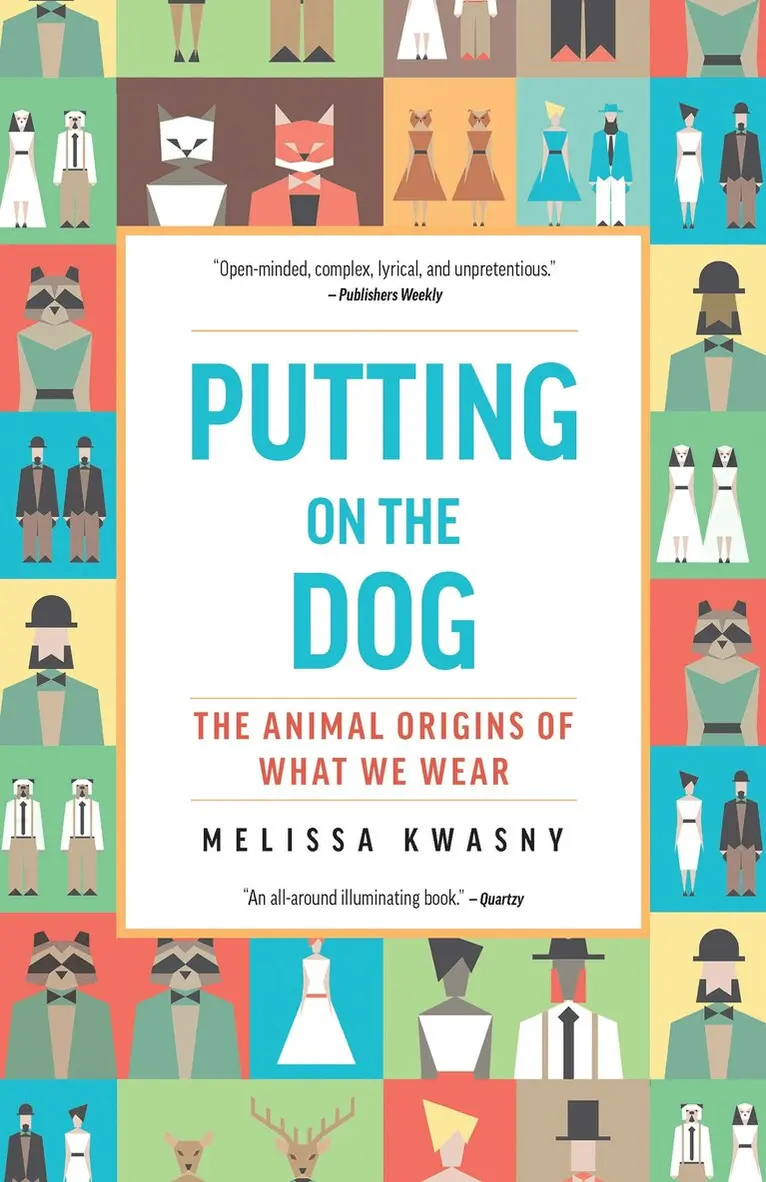
Putting on the Dog
The Animal Origins of What We Wear
E-bok, 2019
221 kr
Lägg i varukorg
In Putting on the Dog , Melissa Kwasny explores the age-old relationship between humans and the animals that have provided us with our clothing: leather, wool, silk, feathers, pearls, and fur. From silkworms grown on plantations in Japan and mink farms off Denmark’s western coast to pearl beds in …
Cloud Path
Poems
Häftad, 2024
174 kr
Lägg i varukorg
An imaginative reworking of the elegy that focuses on the difficult work of being with the dying.At the heart of The Cloud Path, celebrated author Melissa Kwasny’s seventh collection of poetry, lies the passing of her beloved mother: the caretaking, the hospice protocols, the last breath, the …
Earth Recitals
Essays on Image & Vision
Häftad, 2013
251 kr
Tillfälligt slut
Essays on the life of the image and its role in visionary experience through a range of cultural practices focus primarily on poetry but include painting, sculpture, and song.Earth Recitals engages with the image in the history of poetry, as well as with contemporary poets, philosophers, …
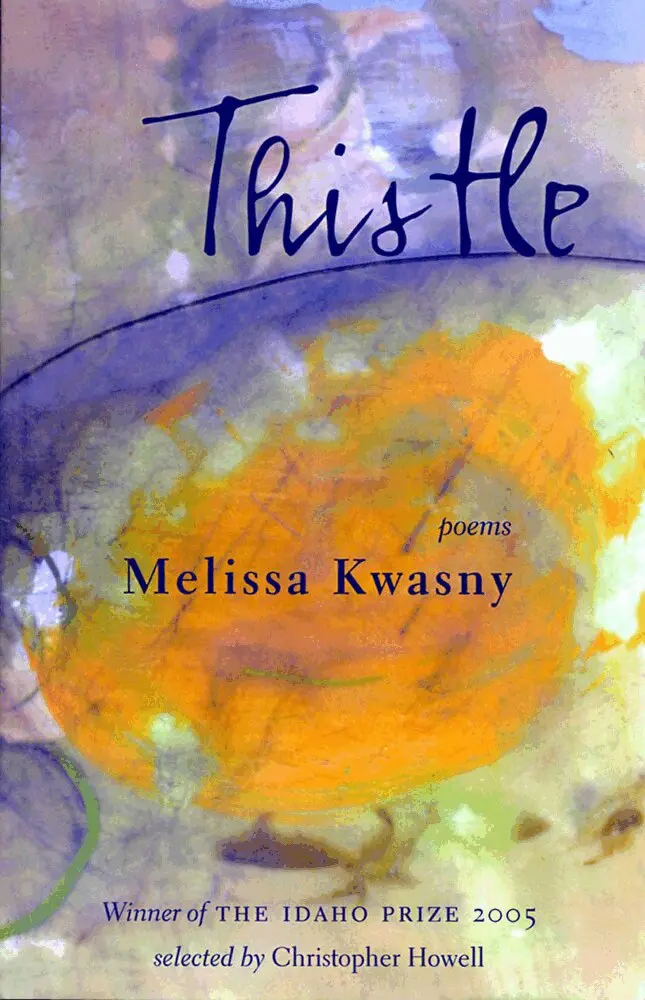
Thistle
Poems
Häftad, 2006
234 kr
Tillfälligt slut
These thirty-seven poems are eccentric in the true meaning of the word off-centre. Their titles, bearing the names of weeds, flowers, herbs, trees, are merely points of departure. "How hard can it be," the poet asks, "to lie down in the green / mussed bed of the senses ... In clover." Whether it's …
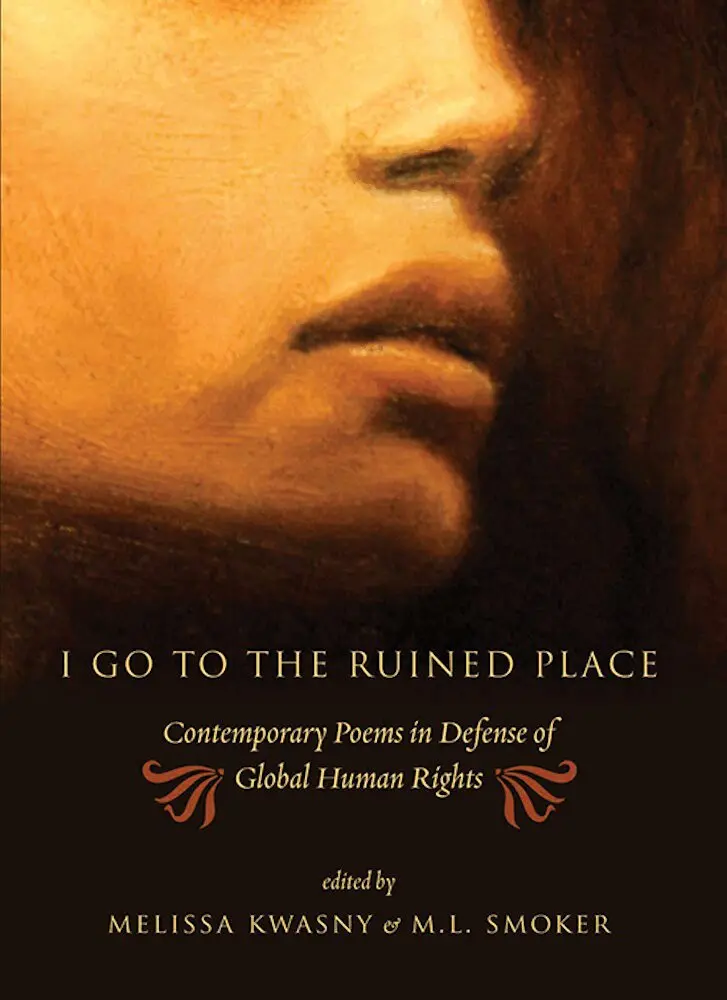
I Go to the Ruined Place
Contemporary Poems in Defense of Global Human Rights
Av Melissa Kwasny, M. L. Smoker
Häftad, 2011
234 kr
Tillfälligt slut
When we made our call for submissions for an anthology of poems in defence of human rights, the allegations of torture were foremost in our minds. We knew people were outraged, saddened, profoundly moved and ashamed. But we also wanted to reach people who had suffered violations of their own rights …
Putting on the Dog
The Animal Origins of What We Wear
Häftad, 2022
200 kr
Tillfälligt slut
In Putting on the Dog, Melissa Kwasny explores the age-old relationship between humans and the animals that have provided us with our clothing: leather, wool, silk, feathers, pearls, and fur. From silkworms grown on plantations in Japan and mink farms off Denmark’s western coast to pearl beds in …