Mette Halskov Hansen - Böcker
Visar alla böcker från författaren Mette Halskov Hansen. Handla med fri frakt och snabb leverans.
7 produkter
7 produkter
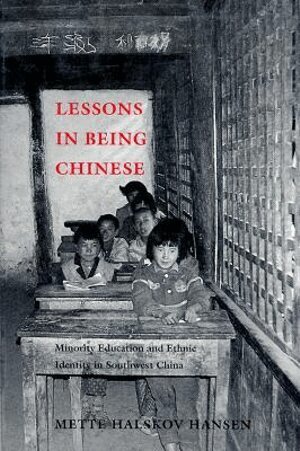
Lessons in Being Chinese
Minority Education and Ethnic Identity in Southwest China
Häftad, Engelska, 1999
490 kr
Skickas inom 7-10 vardagar
Open-access edition: DOI 10.6069/9780295804125Two very different ethnic minority communities—the Naxi of the Lijiang area in northern Yunnan and the Tai (Dai) of Sipsong Panna (Xishuangbanna), along Yunnan’s border with Burma and Laos—are featured in this comparative study of the implementation and reception of state minority education policy in the People’s Republic of China. Based on field research and historical sources, Lessons in Being Chinese argues that state policy, which is intended to be applied uniformly across all minority regions, in fact is much more successful in some than in others.In Lijiang, elite members of the Naxi ethnic group (minzu) have a centuries-old connection with Chinese state educational systems as avenues to social mobility, and have continued this tradition under Communist rule. They participate enthusiastically in the present system, using education to gain official and professional positions. In contrast to the Lijiang area, Sipsong Panna functioned in many ways as a separate kingdom until 1950, with its own script and a separate educational system centered in Theravada Buddhist monasteries. Today, many Tai in that area still prefer monastic education for their sons, and most parents are indifferent to state education.This study finds that standardized, homogenizing state education is in itself incapable of instilling in students an identification with the Chinese state, ironically often increasing ethnic identity. Lessons in Being Chinese enhances our understanding of how state policy toward minorities works in many areas of life, and its conclusions can be extended well beyond the sphere of education. It will be of interest to both anthropologists and educators.
994 kr
Skickas inom 7-10 vardagar
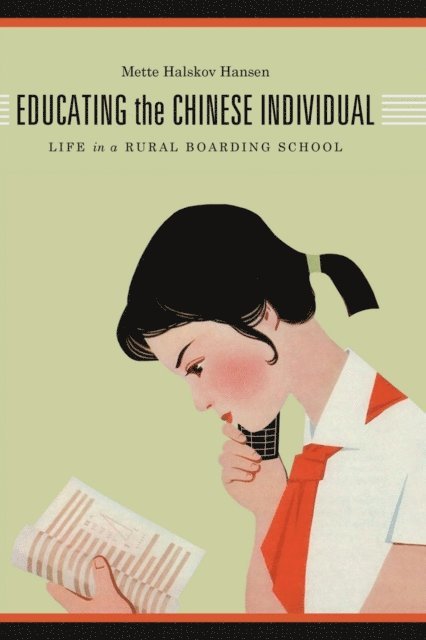
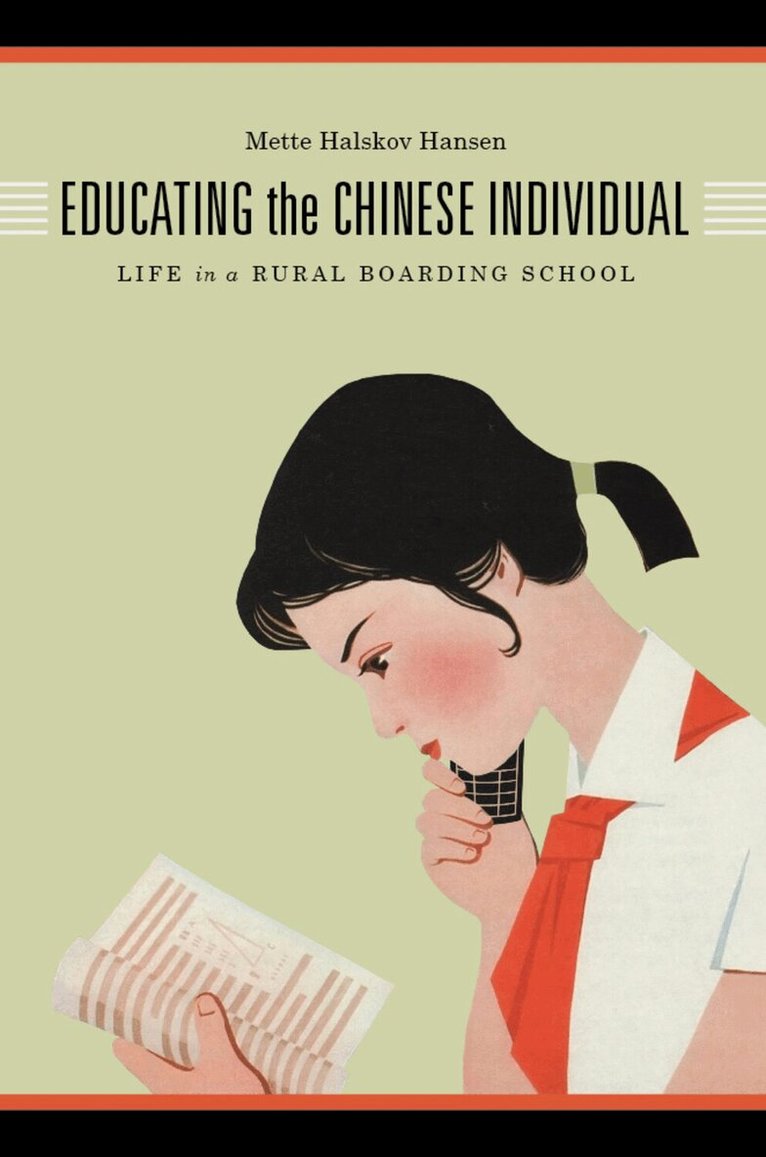
In twenty-first-century China, socialist educational traditions have given way to practices that increasingly emphasize the individual. This volume investigates that trend, drawing on Hansen's fieldwork in a rural high school in Zhejiang where students, teachers, and officials of different generations, genders, and social backgrounds form what is essentially a miniature version of Chinese society. Hansen paints a complex picture of the emerging “neosocialist” educational system and shows how individualization of students both challenges and reinforces state control of society.
519 kr
Skickas inom 7-10 vardagar
In twenty-first-century China, socialist educational traditions have given way to practices that increasingly emphasize the individual. This volume investigates that trend, drawing on Hansen's fieldwork in a rural high school in Zhejiang where students, teachers, and officials of different generations, genders, and social backgrounds form what is essentially a miniature version of Chinese society. Hansen paints a complex picture of the emerging “neosocialist” educational system and shows how individualization of students both challenges and reinforces state control of society.
203 kr
Skickas inom 7-10 vardagar
905 kr
Skickas inom 7-10 vardagar
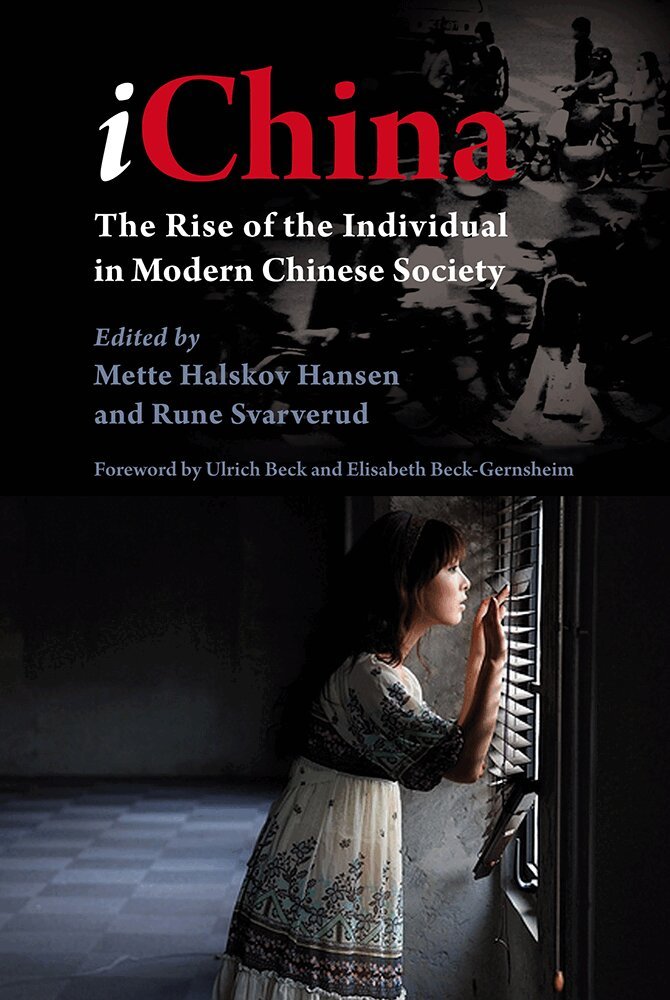
In spite of the intense preoccupation with individual and self in modern Western thought, the social sciences have tended to focus on groups and collectives and downplay the individual. This implicit view has also coloured the study of social life in China where both Confucian ethics and Communist policies have shaped collective structures with little room for individual agency and choice.What is actually happening, however, is a growing individualization of China - not only changing perceptions of the individual but also rising expectations for individual freedom, choice and individuality. The individual has also become a basic social category in China, and a development has begun that permeates all areas of social, economic and political life. How this process evolves in a state and society lacking two of the defining characteristics of European individualization - a culturally embedded democracy and a welfare system - is one of the questions that the volume explores.A strength of this volume is that its authors succeed in depicting the individualization process in conceptually acute and empirically sensitive terms, and as something with its own distinctively Chinese profile. That makes this book a 'must read' for all those wanting to understand present-day Chinese society, with all of its ambivalences, contingencies and contradictions.
298 kr
Skickas inom 7-10 vardagar
In spite of the intense preoccupation with individual and self in modern Western thought, the social sciences have tended to focus on groups and collectives and downplay the individual. This implicit view has also coloured the study of social life in China where both Confucian ethics and Communist policies have shaped collective structures with little room for individual agency and choice.What is actually happening, however, is a growing individualization of China - not only changing perceptions of the individual but also rising expectations for individual freedom, choice and individuality. The individual has also become a basic social category in China, and a development has begun that permeates all areas of social, economic and political life. How this process evolves in a state and society lacking two of the defining characteristics of European individualization - a culturally embedded democracy and a welfare system - is one of the questions that the volume explores.A strength of this volume is that its authors succeed in depicting the individualization process in conceptually acute and empirically sensitive terms, and as something with its own distinctively Chinese profile. That makes this book a 'must read' for all those wanting to understand present-day Chinese society, with all of its ambivalences, contingencies and contradictions.
1 328 kr
Skickas inom 7-10 vardagar
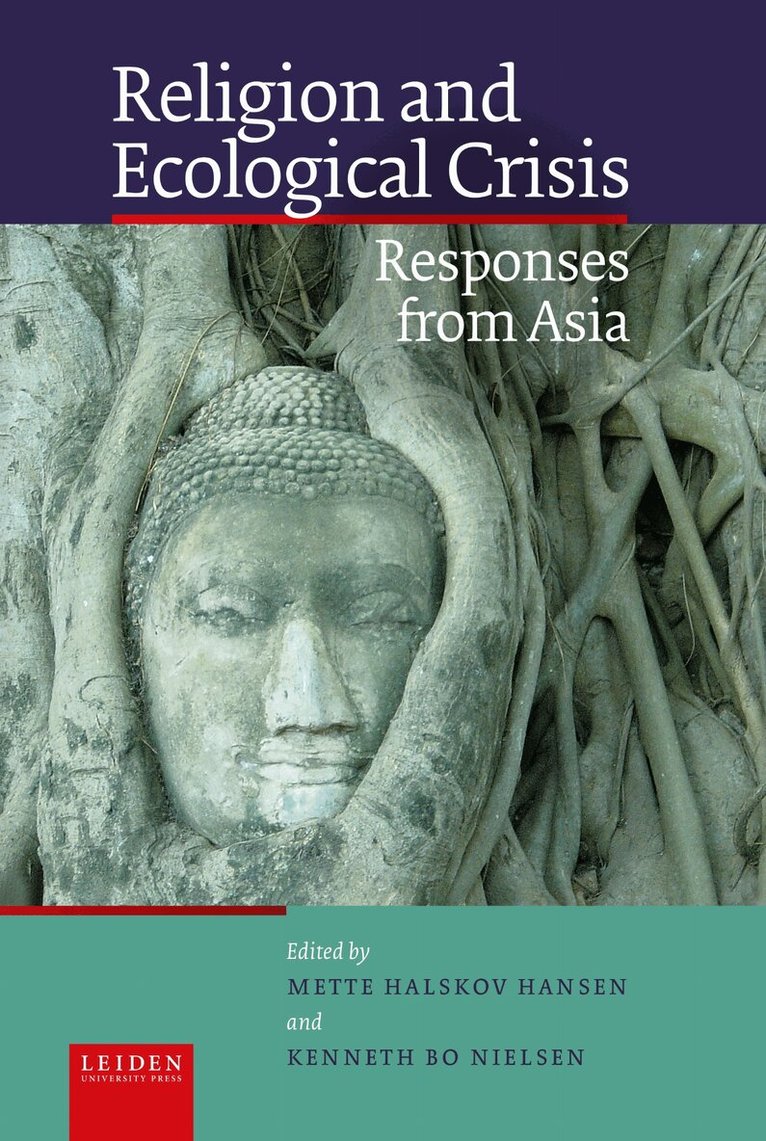
How and why do religion and spirituality motivate individuals and collectivities in contemporary Asia to engage in environmental action? This question is at the heart of Religion and Ecological Crisis: Responses from Asia. Across nine chapters, the book examines a wide range of environmental initiatives, ranging from agroecology, waste recycling and dietary change, to a broader cultivation of ecological values and ethics. With case studies from India, China, Taiwan, and Vietnam, the book brings out the complex ways in which religious and spiritual institutions and movements become repositories of alternative ways of knowing and acting on the world, complementing and sometimes also providing more radical alternatives to scientific forms of reasoning and materialist modes of living. Religion and Ecological Crisis also crucially demonstrates how the power of religious and spiritual forms of environmentalism to accelerate the transformation towards more sustainable ways of producing, consuming, and living is conditioned by wider structural relationships. While there may be no immediate ecological revolutions on the horizon in the contexts and communities analyzed in this book, the case studies powerfully portray a rich landscape of collective environmental agency that points towards an ongoing search for more ecologically sustainable and ethically sound futures.