Mia Carter – författare
Visar alla böcker från författaren Mia Carter. Handla med fri frakt och snabb leverans.
5 produkter
5 produkter
2 039 kr
Skickas inom 10-15 vardagar
This volume offers a comprehensive representation of the exciting, pivotal, and urgent nature of literary Modernism, as well as more recent approaches including the "global turn." Modernism can be difficult to understand without an awareness of contemporary concerns, so Mia Carter and Alan Friedman incorporate texts from a wide variety of disciplines such as art, politics, science, medicine, and philosophy.This volume's thoroughly explained, informative, and interesting discussions provide:An extensive introduction outlining the history and debates surrounding the movementNumerous foundational texts of Modernism such as Darwin, Duncan, Nietzsche, Einstein, Freud, Hughes, Luxemburg, Nietzsche, Stein, ZolaFull texts and extracts representing Modernist writers - including Anand, Conrad, Eliot, James, Hurston, Lawrence, Wilde, Woolf and Yeats, as critics of themselves and their contemporariesA chronology of key historical events and publicationsA glossary of key terms, people, theories and themesA detailed further reading section offering advice on further study and researchAttached supplementary resources include author biographies and links to additional resources and videos.Addressing current as well as historical debates about Modernism, this book includes discussion of the Harlem Renaissance, feminism and women’s writing, international and global movements and anti-imperialism, while acknowledging the variety of competing modernisms. This is the ideal guide for anyone seeking an overview and an in-depth treatment of this complex cultural turn and its foundational texts.
602 kr
Skickas inom 10-15 vardagar
This volume offers a comprehensive representation of the exciting, pivotal, and urgent nature of literary Modernism, as well as more recent approaches including the "global turn." Modernism can be difficult to understand without an awareness of contemporary concerns, so Mia Carter and Alan Friedman incorporate texts from a wide variety of disciplines such as art, politics, science, medicine, and philosophy.This volume's thoroughly explained, informative, and interesting discussions provide:An extensive introduction outlining the history and debates surrounding the movementNumerous foundational texts of Modernism such as Darwin, Duncan, Nietzsche, Einstein, Freud, Hughes, Luxemburg, Nietzsche, Stein, ZolaFull texts and extracts representing Modernist writers - including Anand, Conrad, Eliot, James, Hurston, Lawrence, Wilde, Woolf and Yeats, as critics of themselves and their contemporariesA chronology of key historical events and publicationsA glossary of key terms, people, theories and themesA detailed further reading section offering advice on further study and researchAttached supplementary resources include author biographies and links to additional resources and videos.Addressing current as well as historical debates about Modernism, this book includes discussion of the Harlem Renaissance, feminism and women’s writing, international and global movements and anti-imperialism, while acknowledging the variety of competing modernisms. This is the ideal guide for anyone seeking an overview and an in-depth treatment of this complex cultural turn and its foundational texts.
496 kr
Skickas inom 7-10 vardagar
A rich collection of primary materials, the multivolume Archives of Empire provides a documentary history of nineteenth-century British imperialism from the Indian subcontinent to the Suez Canal to southernmost Africa. Barbara Harlow and Mia Carter have carefully selected a diverse range of texts that track the debates over imperialism in the ranks of the military, the corridors of political power, the lobbies of missionary organizations, the halls of royal geographic and ethnographic societies, the boardrooms of trading companies, the editorial offices of major newspapers, and far-flung parts of the empire itself. Focusing on a particular region and historical period, each volume in Archives of Empire is organized into sections preceded by brief introductions. Documents including mercantile company charters, parliamentary records, explorers’ accounts, and political cartoons are complemented by timelines, maps, and bibligraphies. Unique resources for teachers and students, these books reveal the complexities of nineteenth-century colonialism and emphasize its enduring relevance to the “global markets” of the twenty-first century. Tracing the beginnings of the British colonial enterprise in South Asia and the Middle East, From the Company to the Canal brings together key texts from the era of the privately owned British East India Company through the crises that led to the company’s takeover by the Crown in 1858. It ends with the momentous opening of the Suez Canal in 1869. Government proclamations, military reports, and newspaper articles are included here alongside pieces by Rudyard Kipling, Charles Dickens, John Stuart Mill, Karl Marx, Benjamin Disraeli, and many others. A number of documents chronicle arguments between mercantilists and free trade advocates over the competing interests of the nation and the East India Company. Others provide accounts of imperial crises-including the trial of Warren Hastings, the Indian Rebellion (Sepoy Mutiny), and the Arabi Uprising-that highlight the human, political, and economic costs of imperial domination and control.
1 799 kr
Skickas inom 7-10 vardagar
A rich collection of primary materials, the multivolume Archives of Empire provides a documentary history of nineteenth-century British imperialism from the Indian subcontinent to the Suez Canal to southernmost Africa. Barbara Harlow and Mia Carter have carefully selected a diverse range of texts that track the debates over imperialism in the ranks of the military, the corridors of political power, the lobbies of missionary organizations, the halls of royal geographic and ethnographic societies, the boardrooms of trading companies, the editorial offices of major newspapers, and far-flung parts of the empire itself. Focusing on a particular region and historical period, each volume in Archives of Empire is organized into sections preceded by brief introductions. Documents including mercantile company charters, parliamentary records, explorers’ accounts, and political cartoons are complemented by timelines, maps, and bibligraphies. Unique resources for teachers and students, these books reveal the complexities of nineteenth-century colonialism and emphasize its enduring relevance to the “global markets” of the twenty-first century. Tracing the beginnings of the British colonial enterprise in South Asia and the Middle East, From the Company to the Canal brings together key texts from the era of the privately owned British East India Company through the crises that led to the company’s takeover by the Crown in 1858. It ends with the momentous opening of the Suez Canal in 1869. Government proclamations, military reports, and newspaper articles are included here alongside pieces by Rudyard Kipling, Charles Dickens, John Stuart Mill, Karl Marx, Benjamin Disraeli, and many others. A number of documents chronicle arguments between mercantilists and free trade advocates over the competing interests of the nation and the East India Company. Others provide accounts of imperial crises-including the trial of Warren Hastings, the Indian Rebellion (Sepoy Mutiny), and the Arabi Uprising-that highlight the human, political, and economic costs of imperial domination and control.
442 kr
Skickas inom 7-10 vardagar
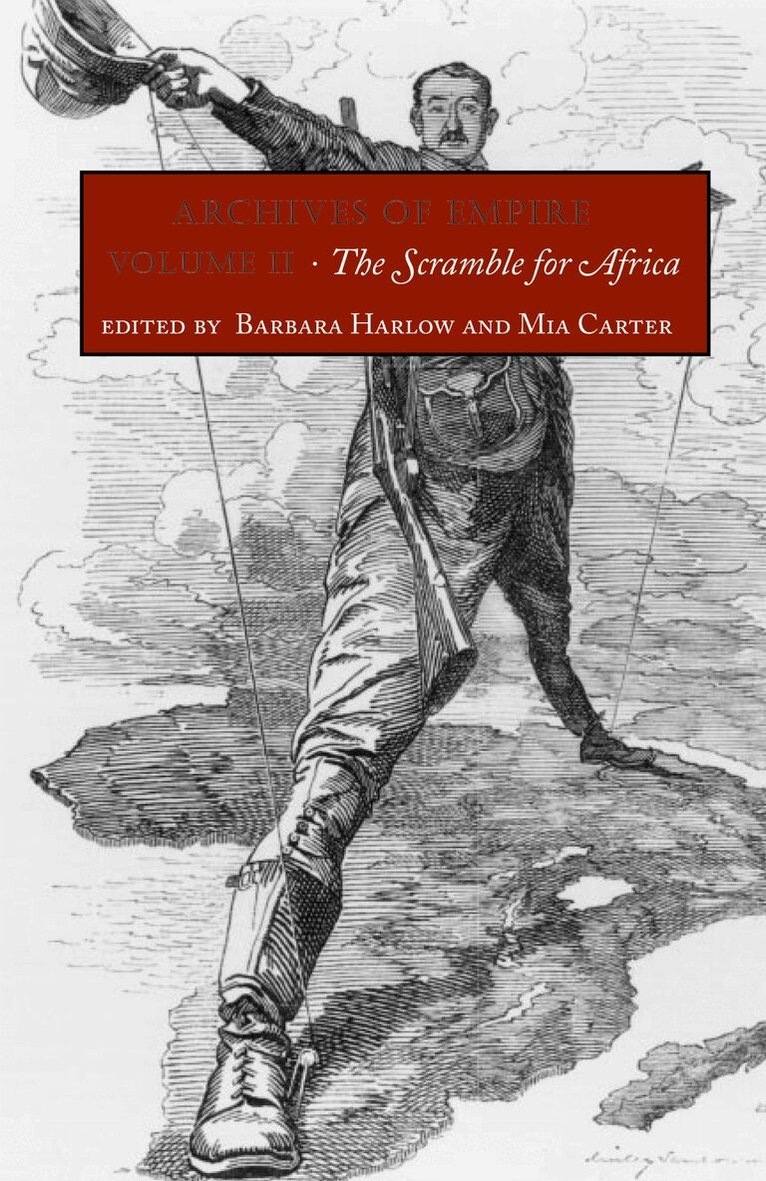
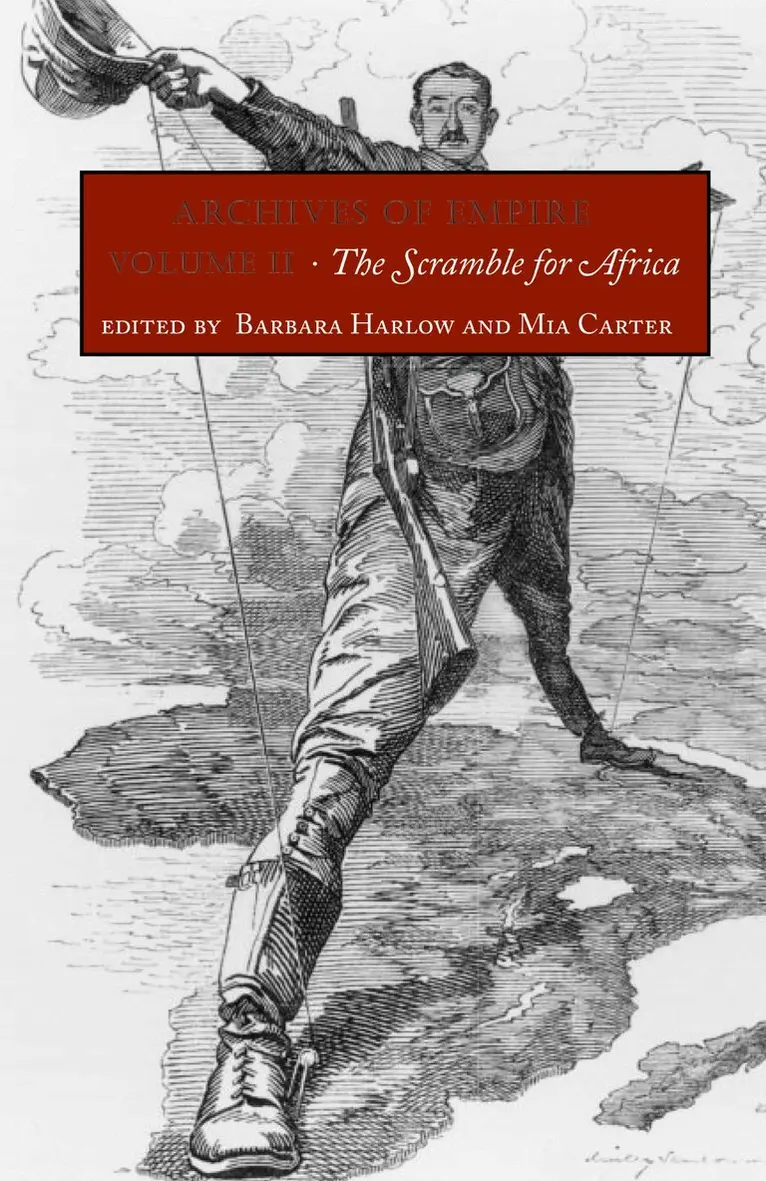
A rich collection of primary materials, the multivolume Archives of Empire provides a documentary history of nineteenth-century British imperialism from the Indian subcontinent to the Suez Canal to southernmost Africa. Barbara Harlow and Mia Carter have carefully selected a diverse range of texts that track the debates over imperialism in the ranks of the military, the corridors of political power, the lobbies of missionary organizations, the halls of royal geographic and ethnographic societies, the boardrooms of trading companies, the editorial offices of major newspapers, and far-flung parts of the empire itself. Focusing on a particular region and historical period, each volume in Archives of Empire is organized into sections preceded by brief introductions. Documents including mercantile company charters, parliamentary records, explorers’ accounts, and political cartoons are complemented by timelines, maps, and bibligraphies. Unique resources for teachers and students, these volumes reveal the complexities of nineteenth-century colonialism and emphasize its enduring relevance to the “global markets” of the twenty-first century. While focusing on the expansion of the British Empire, The Scramble for Africa illuminates the intense nineteenth-century contest among European nations over Africa’s land, people, and resources. Highlighting the 1885 Berlin Conference in which Britain, France, Germany, Portugal, and Italy partitioned Africa among themselves, this collection follows British conflicts with other nations over different regions as well as its eventual challenge to Leopold of Belgium’s rule of the Congo. The reports, speeches, treatises, proclamations, letters, and cartoons assembled here include works by Henry M. Stanley, David Livingstone, Joseph Conrad, G. W. F. Hegel, Winston Churchill, Charles Darwin, and Arthur Conan Doyle. A number of pieces highlight the proliferation of companies chartered to pursue Africa’s gold, diamonds, and oil-particularly Cecil J. Rhodes’s British South Africa Company and Frederick Lugard’s Royal Niger Company. Other documents describe debacles on the continent-such as the defeat of General Gordon in Khartoum and the Anglo-Boer War-and the criticism of imperial maneuvers by proto-human rights activists including George Washington Williams, Mark Twain, Olive Schreiner, and E.D. Morel.