Michael A. Malpass – författare
Visar alla böcker från författaren Michael A. Malpass. Handla med fri frakt och snabb leverans.
7 produkter
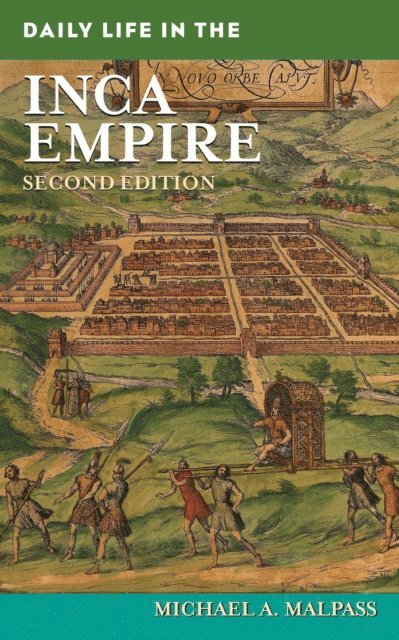
Daily Life in the Inca Empire
Inbunden, 2009
805 kr
Lägg i varukorg
Explore daily living inside the Inca empire, the largest empire in the western hemisphere before European colonization. The Incas' subjugation of all types of cultures in western South America led to a wide variety of experiences, from military leaders to ruling class to conquered peoples. Readers …
Daily Life in the Inca Empire
E-bok, 2009
883 kr
Lägg i varukorg
Explore daily living inside the Inca empire, the largest empire in the western hemisphere before European colonization. The Incas' subjugation of all types of cultures in western South America led to a wide variety of experiences, from military leaders to ruling class to conquered peoples. Readers …
Daily Life in the Inca Empire
Häftad, 2008
239 kr
Lägg i varukorg
Unlike most studies of the Incas, this book reconstructs the daily life not only of the ruling Inca elite but also of the rest of the society, including the conquered peoples. From food and drink to religious rituals, the major aspects of life at all levels in the Inca empire are here described and …
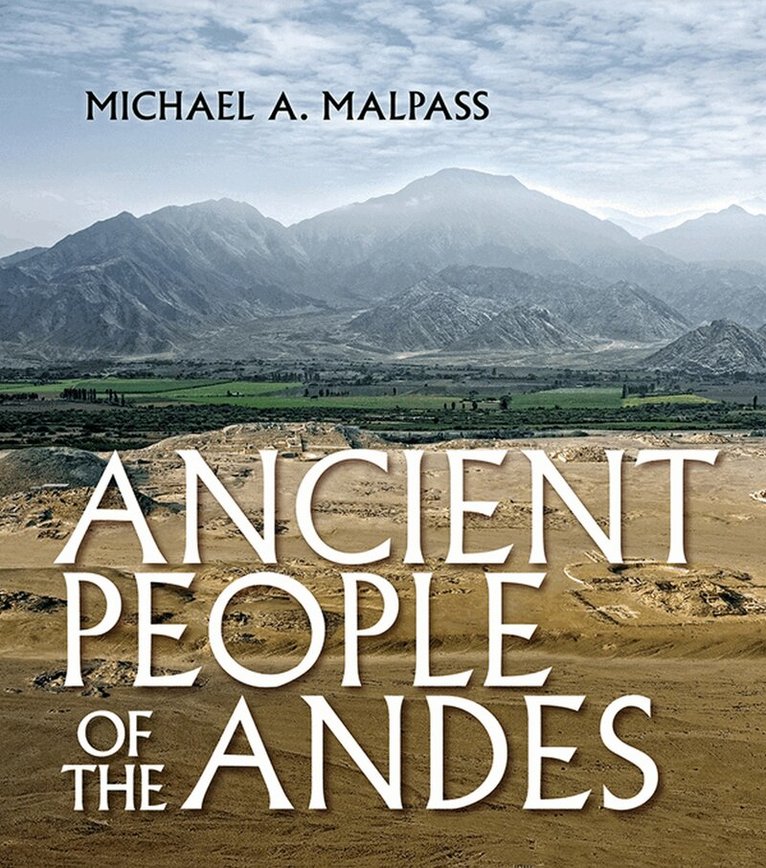
Ancient People of the Andes
Häftad, 2016
410 kr
Lägg i varukorg
In Ancient People of the Andes, Michael A. Malpass describes the prehistory of western South America from initial colonization to the Spanish Conquest. All the major cultures of this region, from the Moche to the Inkas, receive thoughtful treatment, from their emergence to their demise or …
Ancient People of the Andes
Inbunden, 2016
2624 kr
Lägg i varukorg
In Ancient People of the Andes, Michael A. Malpass describes the prehistory of western South America from initial colonization to the Spanish Conquest. All the major cultures of this region, from the Moche to the Inkas, receive thoughtful treatment, from their emergence to their demise or …
Daily Life in the Inca Empire
E-bok, 2009
883 kr
Lägg i varukorg
Explore daily living inside the Inca empire, the largest empire in the western hemisphere before European colonization. The Incas' subjugation of all types of cultures in western South America led to a wide variety of experiences, from military leaders to ruling class to conquered peoples. Readers …
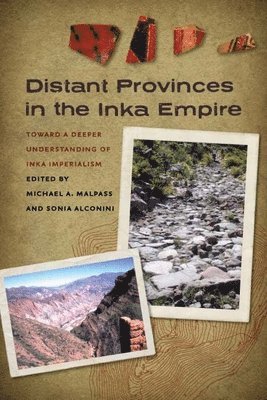
Distant Provinces in the Inka Empire
Toward a Deeper Understanding of Inka Imperialism
Av Michael A. Malpass, Sonia Alconini
Häftad, 2010
608 kr
Tillfälligt slut
Who was in charge of the widespread provinces of the great Inka Empire of the fifteenth and sixteenth centuries: Inka from the imperial heartland or local leaders who took on the trappings of their conquerors, either by coercion or acceptance? By focusing on provinces far from the capital of Cuzco, …