Michael Bernard-Donals - Böcker
Visar alla böcker från författaren Michael Bernard-Donals. Handla med fri frakt och snabb leverans.
13 produkter
13 produkter
950 kr
Skickas inom 10-15 vardagar
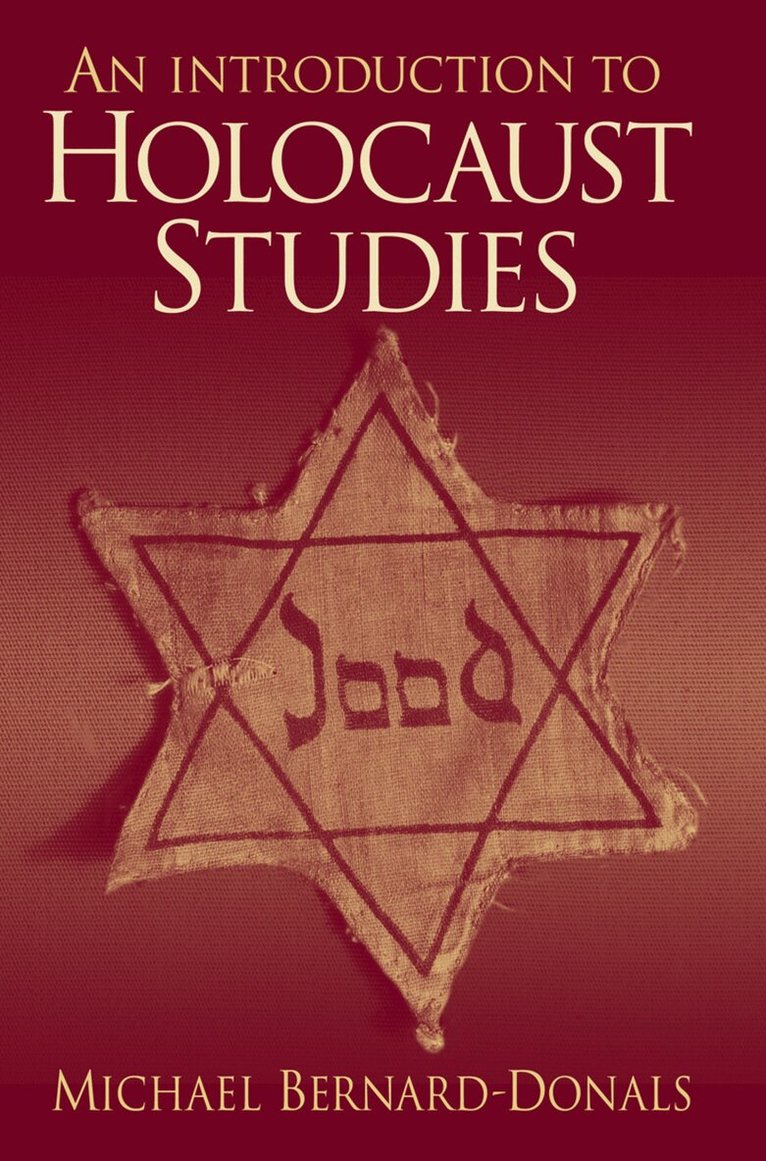
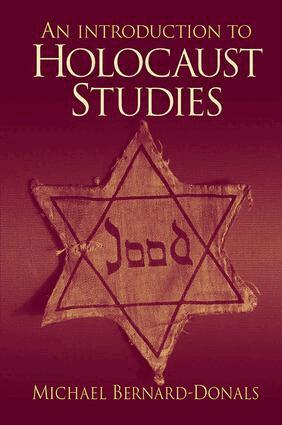
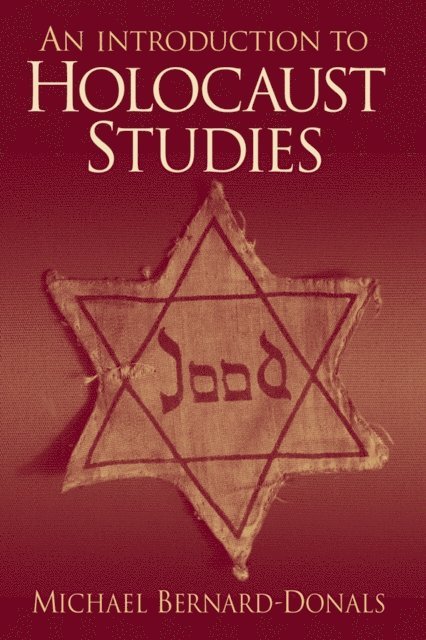
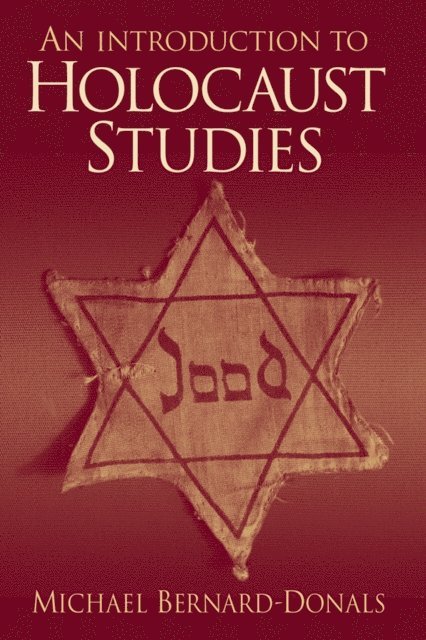
This single volume traces three approaches to the study of the Holocaust - through notions of history, theories of memory, and a focus on art and representation. It introduces students to the different ways we have come to understand the Holocaust, gives them an opportunity to ask questions about those conclusions, and examines how this event can be understood once all the survivors are gone. In addition, the book looks at the different disciplines - history, sociology, religious studies, and literary interpretation, among others - through which studies of the Holocaust take place.
383 kr
Skickas inom 7-10 vardagar
With language we name and define all things, and by studying our use of language, rhetoricians can provide an account of these things and thus of our lived experience. The concept of the sacred, however, raises the prospect of the existence of phenomena that transcend the human and physical and cannot be expressed fully by language. The sacred thus reveals limitations of rhetoric.Featuring essays by some of the foremost scholars of rhetoric working today, this wide-ranging collection of theoretical and methodological studies takes seriously the possibility of the sacred and the challenge it poses to rhetorical inquiry. The contributors engage with religious rhetorics—Jewish, Jesuit, Buddhist, pagan—as well as rationalist, scientific, and postmodern rhetorics, studying, for example, divination in the Platonic tradition, Thomas Hobbes’s and Walter Benjamin’s accounts of sacred texts, the uncanny algorithms of Big Data, and Hélène Cixous’s sacred passages and passwords. From these studies, new definitions of the sacred emerge—along with new rhetorical practices for engaging with the sacred.This book provides insight into the relation of rhetoric and the sacred, showing the capacity of rhetoric to study the ineffable but also shedding light on the boundaries between them.In addition to the editors, the contributors to this volume include Michelle Ballif, Jean Bessette, Trey Conner, Richard Doyle, David Frank, Daniel M. Gross, Kevin Hamilton, Cynthia Haynes, Steven Mailloux, James R. Martel, Jodie Nicotra, Ned O’Gorman, and Brooke Rollins.
1 191 kr
Skickas inom 7-10 vardagar
With language we name and define all things, and by studying our use of language, rhetoricians can provide an account of these things and thus of our lived experience. The concept of the sacred, however, raises the prospect of the existence of phenomena that transcend the human and physical and cannot be expressed fully by language. The sacred thus reveals limitations of rhetoric.Featuring essays by some of the foremost scholars of rhetoric working today, this wide-ranging collection of theoretical and methodological studies takes seriously the possibility of the sacred and the challenge it poses to rhetorical inquiry. The contributors engage with religious rhetorics—Jewish, Jesuit, Buddhist, pagan—as well as rationalist, scientific, and postmodern rhetorics, studying, for example, divination in the Platonic tradition, Thomas Hobbes’s and Walter Benjamin’s accounts of sacred texts, the uncanny algorithms of Big Data, and Hélène Cixous’s sacred passages and passwords. From these studies, new definitions of the sacred emerge—along with new rhetorical practices for engaging with the sacred.This book provides insight into the relation of rhetoric and the sacred, showing the capacity of rhetoric to study the ineffable but also shedding light on the boundaries between them.In addition to the editors, the contributors to this volume include Michelle Ballif, Jean Bessette, Trey Conner, Richard Doyle, David Frank, Daniel M. Gross, Kevin Hamilton, Cynthia Haynes, Steven Mailloux, James R. Martel, Jodie Nicotra, Ned O’Gorman, and Brooke Rollins.
321 kr
Skickas inom 10-15 vardagar
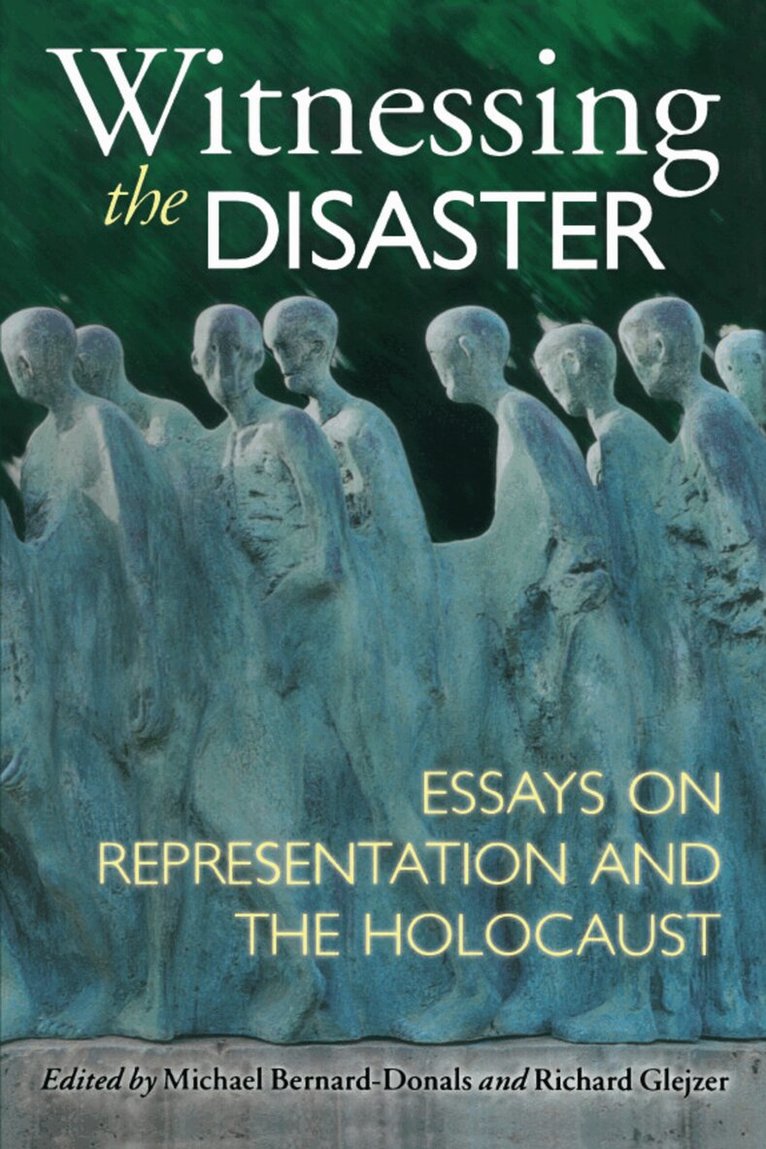
Histories, films, stories, novels, memorials, museums and survivor testimonies involve problems of witnessing: how do those who survived, and those who lived long after the Holocaust, make clear to us what happened? How can we distinguish between more and less authentic accounts? Are histories more adequate descriptors of the horror than narrative? Does the susceptability of survivor accounts to faulty memory and the vestiges of trauma make them less useful as instruments of witness? And how do we authenticate their accuracy without giving those who deny the Holocaust a small but dangerous foothold? These essayists move past the idea that the Holocaust defies representation. They consider the ethical imperatives of Holocaust representation and the tension between history and memory.
1 088 kr
Tillfälligt slut
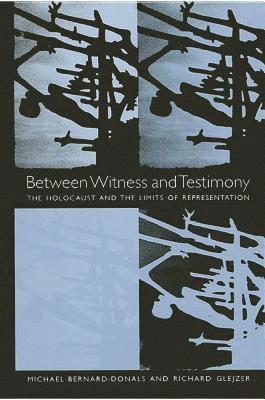
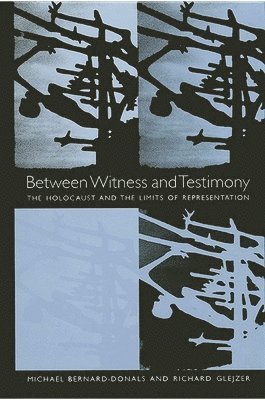
Examines the ethical and pedagogical stakes of representing the Holocaust in books, films, and museum exhibits.The Holocaust presents an immense challenge to those who would represent it or teach it through fiction, film, or historical accounts. Even the testimonies of those who were there provide only a glimpse of the disaster to those who were not. Between Witness and Testimony investigates the difficulties inherent in the obligation to bear witness to events that seem not just unspeakable but also unthinkable. The authors examine films, fictional narratives, survivor testimonies, and the museums at Yad Vashem and the United States Holocaust Memorial Museum in order to establish an ethics of Holocaust representation. Traversing the disciplines of history, philosophy, religious studies, and literary and cultural theory, the authors suggest that while no account adequately provides access to what Adorno called "the extremity that eludes the concept," we are still obliged to testify, to put into language what history cannot contain.
394 kr
Tillfälligt slut
Examines the ethical and pedagogical stakes of representing the Holocaust in books, films, and museum exhibits.The Holocaust presents an immense challenge to those who would represent it or teach it through fiction, film, or historical accounts. Even the testimonies of those who were there provide only a glimpse of the disaster to those who were not. Between Witness and Testimony investigates the difficulties inherent in the obligation to bear witness to events that seem not just unspeakable but also unthinkable. The authors examine films, fictional narratives, survivor testimonies, and the museums at Yad Vashem and the United States Holocaust Memorial Museum in order to establish an ethics of Holocaust representation. Traversing the disciplines of history, philosophy, religious studies, and literary and cultural theory, the authors suggest that while no account adequately provides access to what Adorno called "the extremity that eludes the concept," we are still obliged to testify, to put into language what history cannot contain.
1 215 kr
Tillfälligt slut
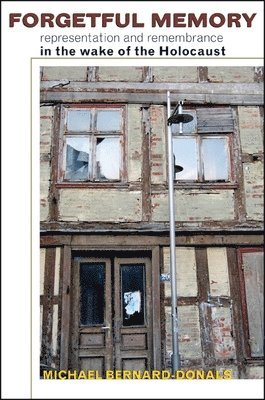
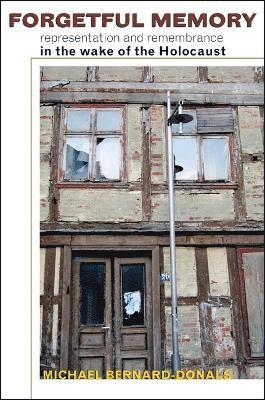
Examines the role of forgetfulness in our understanding of the Holocaust.Much of the discussion surrounding the Holocaust and how it can be depicted sixty years later has focused on memory. In Forgetful Memory, Michael Bernard-Donals focuses on the relation between memory and forgetfulness, arguing that memory and forgetfulness cannot be separated but must be examined as they complicate our understanding of the Shoah. Drawing on the work of Josef Yerushalmi, Maurice Blanchot, David Roskies, and especially Emmanuel Levinas, Bernard-Donals explores contemporary representations of the Holocaust in memoirs, novels, and poetry; films and photographs; in museums; and in our contemporary political discourse concerning the Middle East. Ultimately, Forgetful Memory makes the case that we should give up on the idea of memory as a kind of representation, and that we should see it instead as an intersection of remembrance and oblivion, as a kind of writing, where what remains at its margins-what is left unwritten-is at least as important as what is given voice.
440 kr
Tillfälligt slut
Examines the role of forgetfulness in our understanding of the Holocaust.Much of the discussion surrounding the Holocaust and how it can be depicted sixty years later has focused on memory. In Forgetful Memory, Michael Bernard-Donals focuses on the relation between memory and forgetfulness, arguing that memory and forgetfulness cannot be separated but must be examined as they complicate our understanding of the Shoah. Drawing on the work of Josef Yerushalmi, Maurice Blanchot, David Roskies, and especially Emmanuel Levinas, Bernard-Donals explores contemporary representations of the Holocaust in memoirs, novels, and poetry; films and photographs; in museums; and in our contemporary political discourse concerning the Middle East. Ultimately, Forgetful Memory makes the case that we should give up on the idea of memory as a kind of representation, and that we should see it instead as an intersection of remembrance and oblivion, as a kind of writing, where what remains at its margins-what is left unwritten-is at least as important as what is given voice.
1 498 kr
Skickas inom 3-6 vardagar
471 kr
Skickas inom 5-8 vardagar
2 783 kr
Skickas inom 10-15 vardagar
This single volume traces three approaches to the study of the Holocaust - through notions of history, theories of memory, and a focus on art and representation. It introduces students to the different ways we have come to understand the Holocaust, gives them an opportunity to ask questions about those conclusions, and examines how this event can be understood once all the survivors are gone. In addition, the book looks at the different disciplines - history, sociology, religious studies, and literary interpretation, among others - through which studies of the Holocaust take place.
Figures of Memory
The Rhetoric of Displacement at the United States Holocaust Memorial Museum
Häftad, Engelska, 2017
440 kr
Tillfälligt slut
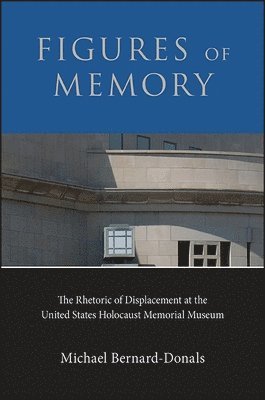
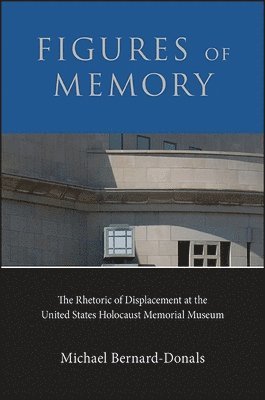
Explores how the USHMM and other museums and memorials both displace and disturb the memories that they are trying to commemorate.Figures of Memory examines how the United States Holocaust Memorial Museum (USHMM) in Washington, DC, uses its space and the design of its exhibits to "move" its visitors to memory. From the objects and their placement to the architectural design of the building and the floor plan, the USHMM was meant to teach visitors about the Holocaust. But what Michael Bernard-Donals found is that while they learn, and remember, the Holocaust, visitors also call to mind other, sometimes unrelated memories. Partly this is because memory itself works in multidirectional ways, but partly it's because of decisions made in the planning that led to the creation of the museum.Drawing on material from the USHMM's institutional archive, including meeting minutes, architectural renderings, visitor surveys, and comments left by visitors, Figures of Memory is both a theoretical exploration of memory-its relation to identity, space, and ethics-and a practical analysis of one of the most discussed memorials in the United States. The book also extends recent discussions of the rhetoric of memorial sites and museums by arguing that sites like the USHMM don't so much "make a case for" events through the act of memorialization, but actually displace memory, disturbing it-and the museum visitor-so much so that they call it into question. Memory, like rhetorical figures, moves, and the USHMM moves its visitors, figuratively and literally, both to and beyond the events the museum is meant to commemorate.
Figures of Memory
The Rhetoric of Displacement at the United States Holocaust Memorial Museum
Inbunden, Engelska, 2016
1 215 kr
Tillfälligt slut
Explores how the USHMM and other museums and memorials both displace and disturb the memories that they are trying to commemorate.Figures of Memory examines how the United States Holocaust Memorial Museum (USHMM) in Washington, DC, uses its space and the design of its exhibits to "move" its visitors to memory. From the objects and their placement to the architectural design of the building and the floor plan, the USHMM was meant to teach visitors about the Holocaust. But what Michael Bernard-Donals found is that while they learn, and remember, the Holocaust, visitors also call to mind other, sometimes unrelated memories. Partly this is because memory itself works in multidirectional ways, but partly it's because of decisions made in the planning that led to the creation of the museum.Drawing on material from the USHMM's institutional archive, including meeting minutes, architectural renderings, visitor surveys, and comments left by visitors, Figures of Memory is both a theoretical exploration of memory-its relation to identity, space, and ethics-and a practical analysis of one of the most discussed memorials in the United States. The book also extends recent discussions of the rhetoric of memorial sites and museums by arguing that sites like the USHMM don't so much "make a case for" events through the act of memorialization, but actually displace memory, disturbing it-and the museum visitor-so much so that they call it into question. Memory, like rhetorical figures, moves, and the USHMM moves its visitors, figuratively and literally, both to and beyond the events the museum is meant to commemorate.