Michael Classens – författare
Visar alla böcker från författaren Michael Classens. Handla med fri frakt och snabb leverans.
3 produkter
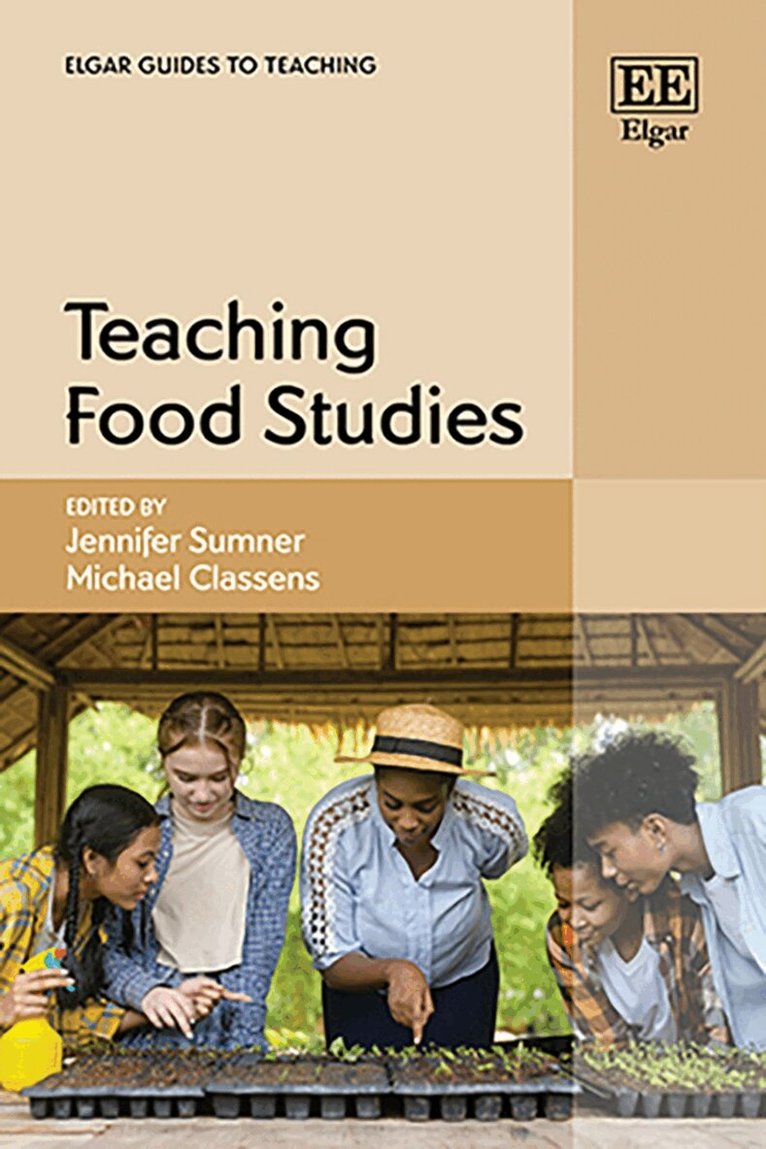
Teaching Food Studies
Av Jennifer Sumner, Michael Classens
Inbunden, 2026
2250 kr
Lägg i varukorg
This innovative book explores how teaching food studies can contribute to an equitable and sustainable world. Amid climate collapse and geopolitical instability, leading experts emphasise how teaching food studies from a critical perspective has never been more important, nor more at risk.The book …
Hungry for Change
How Post-Secondary Campuses Are Transforming Food Systems
Av Michael Classens, Michael Lawler
Häftad, 2026
750 kr
Lägg i varukorg
Hungry for Change demonstrates how students, staff, and faculty are working towards food systems transformation on, and beyond, the post-secondary campus.Through careful curation of chapters and a substantive introduction, this collection provides empirical depth while laying essential analytical …
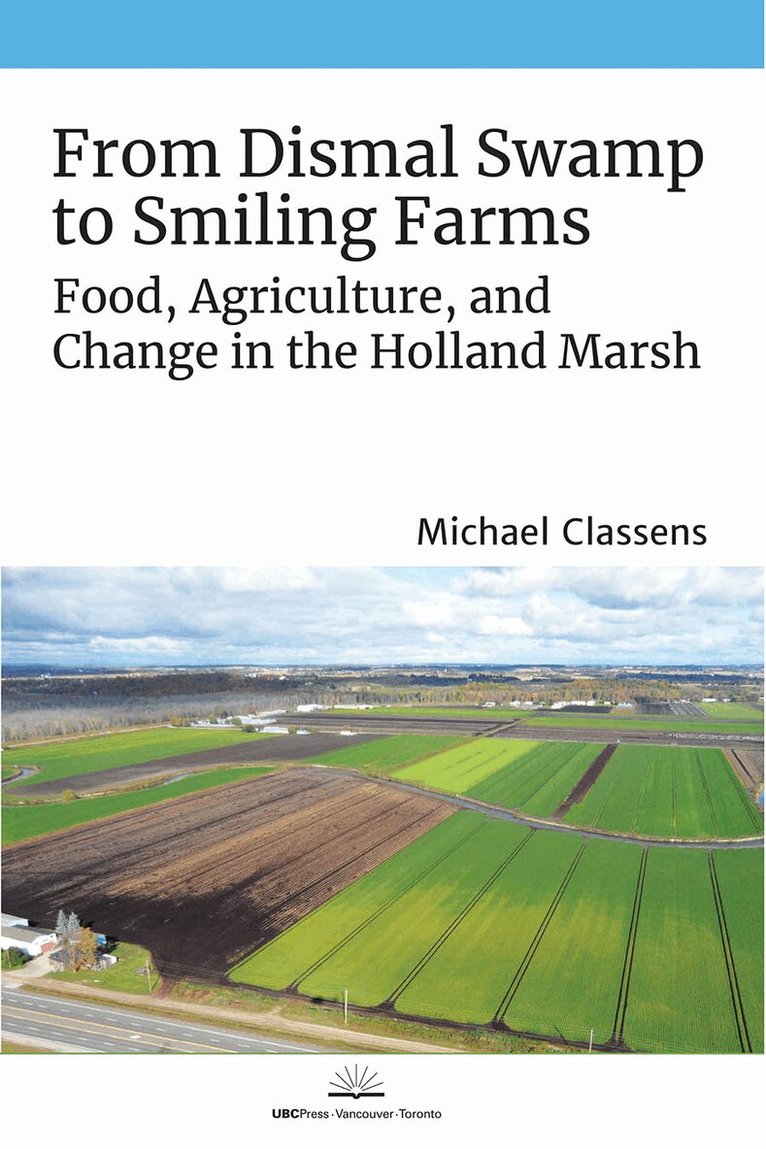
From Dismal Swamp to Smiling Farms
Food, Agriculture, and Change in the Holland Marsh
Häftad, 2021
368 kr
Tillfälligt slut
Driving through the Holland Marsh one is struck immediately by the black richness of its soil. This is some of the most profitable farmland in Canada. But the small agricultural preserve just north of Toronto is a canary in a coal mine.From Dismal Swamp to Smiling Farms recounts the transformation, …