Michael J. Willis – författare
Visar alla böcker från författaren Michael J. Willis. Handla med fri frakt och snabb leverans.
5 produkter
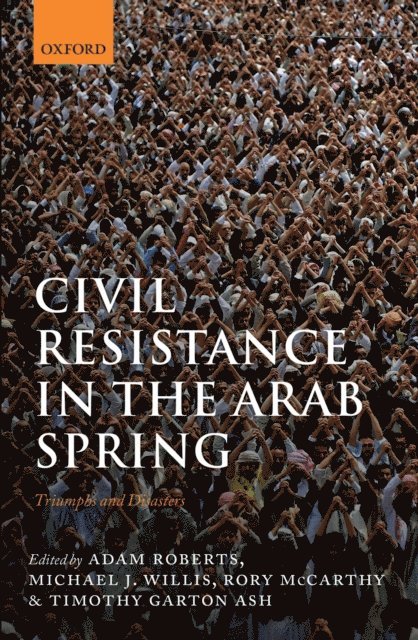
Civil Resistance in the Arab Spring
Triumphs and Disasters
Av Timothy Garton Ash, Rory McCarthy m. fl.
E-bok, 2016
697 kr
Lägg i varukorg
Civil resistance, especially in the form of massive peaceful demonstrations, was at the heart of the Arab Spring-the chain of events in the Middle East and North Africa that erupted in December 2010. It won some notable victories: popular movements helped to bring about the fall of authoritarian …
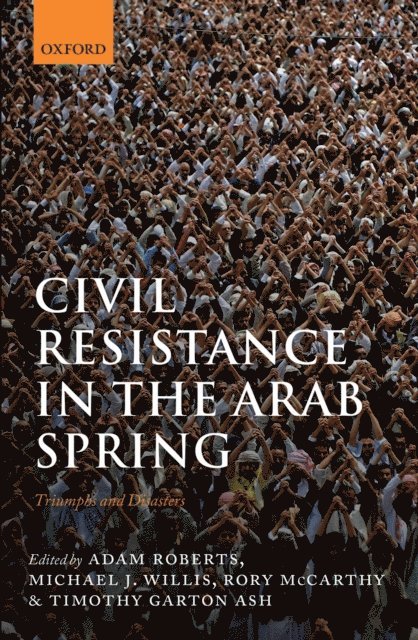
Civil Resistance in the Arab Spring
Triumphs and Disasters
Av Timothy Garton Ash, Rory McCarthy m. fl.
E-bok, 2016
697 kr
Lägg i varukorg
Civil resistance, especially in the form of massive peaceful demonstrations, was at the heart of the Arab Spring-the chain of events in the Middle East and North Africa that erupted in December 2010. It won some notable victories: popular movements helped to bring about the fall of authoritarian …
Civil Resistance in the Arab Spring
Triumphs and Disasters
Av Adam Roberts, Michael J. Willis m. fl.
Inbunden, 2016
777 kr
Lägg i varukorg
Civil resistance, especially in the form of massive peaceful demonstrations, was at the heart of the Arab Spring-the chain of events in the Middle East and North Africa that erupted in December 2010. It won some notable victories: popular movements helped to bring about the fall of authoritarian …
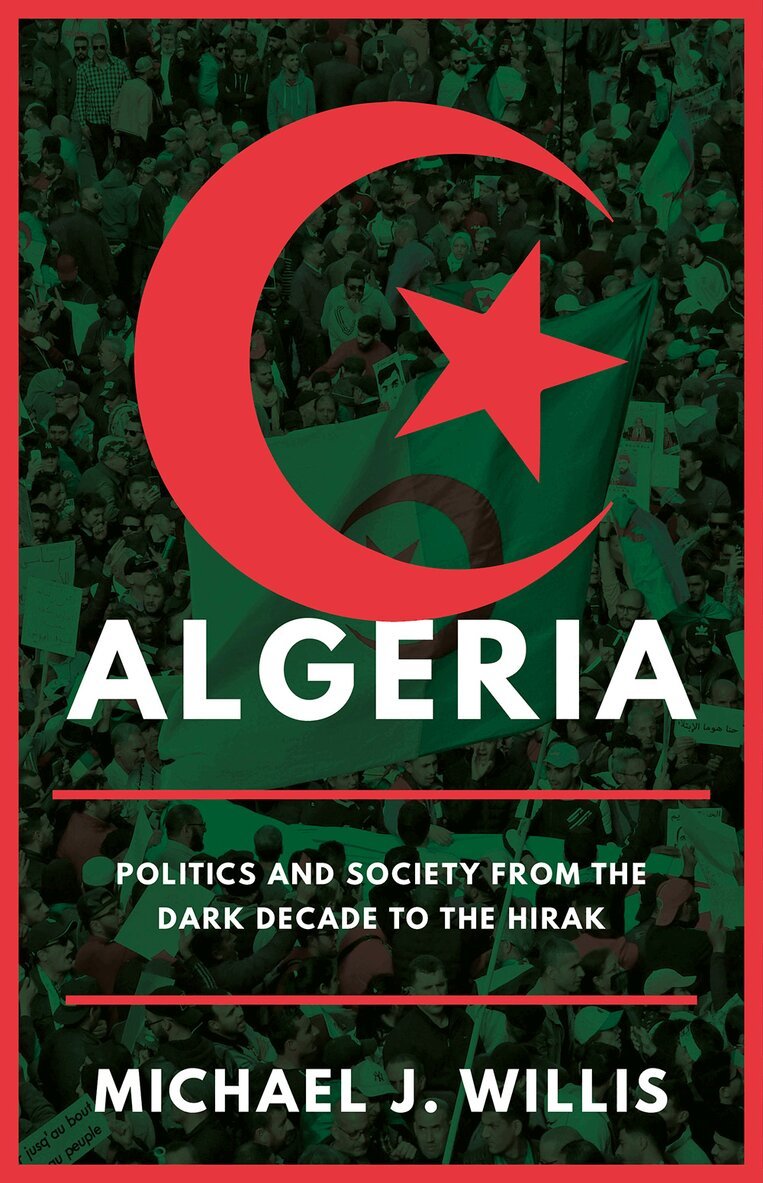
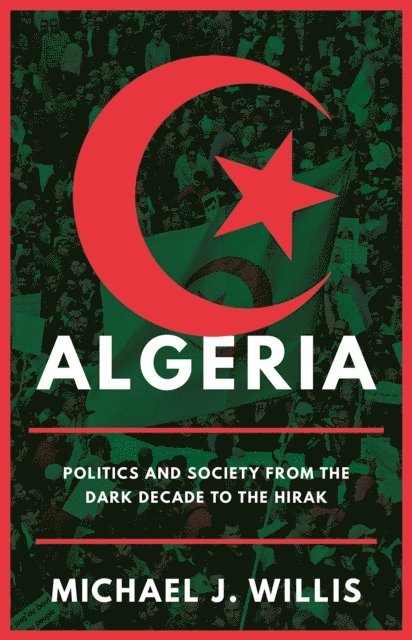
Algeria
Politics and Society from the Dark Decade to the Hirak
Inbunden, 2022
603 kr
Lägg i varukorg
When mass protests erupted in Algeria in 2019, on a scale unseen anywhere in the region since the Arab Spring, the outside world was taken by surprise. Algeria had been largely unaffected by the turmoil that engulfed its neighbours in 2011, and it was widely assumed that the population was too …
Algeria
Politics and Society from the Dark Decade to the Hirak
E-bok, 2022
347 kr
Lägg i varukorg
When mass protests erupted in Algeria in 2019, on a scale unseen anywhere in the region since the Arab Spring, the outside world was taken by surprise. Algeria had been largely unaffected by the turmoil that engulfed its neighbours in 2011, and it was widely assumed that the population was too …