Michael Lucey – författare
Visar alla böcker från författaren Michael Lucey. Handla med fri frakt och snabb leverans.
18 produkter
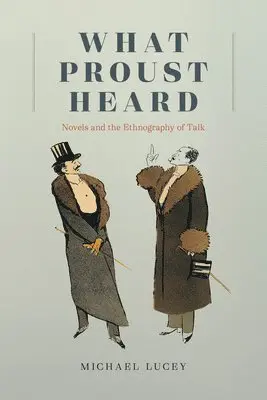
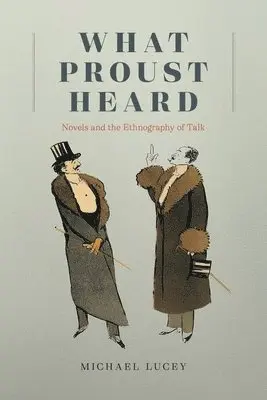
What Proust Heard
Novels and the Ethnography of Talk
Häftad, 2022
340 kr
Lägg i varukorg
Michael Lucey offers a linguistic anthropological analysis of Proust’s In Search of Lost Time. What happens when we talk? This deceptively simple question is central to Marcel Proust’s monumental novel In Search of Lost Time. Both Proust’s narrator and the novel that houses him devote considerable …
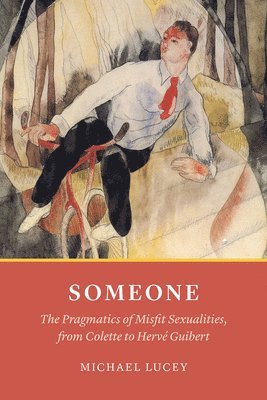
Someone
The Pragmatics of Misfit Sexualities, from Colette to Herv Guibert
Inbunden, 2019
849 kr
Lägg i varukorg
Imagine trying to tell someone something about yourself and your desires for which there are no words. What if the mere attempt at expression was bound to misfire, to efface the truth of that ineluctable something? In Someone, Michael Lucey considers characters from twentieth-century French …
Gide's Bent
Sexuality, Politics, Writing
Inbunden, 1995
3495 kr
Lägg i varukorg
Gide's Bent investigates the place of sexuality in the writings of André Gide, one of the first "out" modern writers. Focusing on his writing of the 1920s and 1930s, the years in which Gide wrote most openly about his homosexuality and also the years of his most notable left-wing political …
Gide's Bent
Sexuality, Politics, Writing
Häftad, 1995
1685 kr
Lägg i varukorg
Gide's Bent investigates the place of sexuality in the writings of André Gide, one of the first "out" modern writers. Focusing on his writing of the 1920s and 1930s, the years in which Gide wrote most openly about his homosexuality and also the years of his most notable left-wing political …
On the Grid
Climate Change and the Utopia of Green Energy
Av Michael Warner, Michael Lucey
Inbunden, 2026
292 kr
Lägg i varukorg
What kind of future would the utopian idea of unlimited green energy bring about? On the Grid, based on Michael Warner's Berkeley Tanner Lectures, raises critical questions about the sharp turn in environmental thought which addresses climate change through the form of a new power grid, driven by …
On the Grid
Climate Change and the Utopia of Green Energy
Av Michael Warner, Michael Lucey
E-bok, 2025
299 kr
Lägg i varukorg
What kind of future would the utopian idea of unlimited green energy bring about? On the Grid, based on Michael Warner's Berkeley Tanner Lectures, raises critical questions about the sharp turn in environmental thought which addresses climate change through the form of a new power grid, driven by …
On the Grid
Climate Change and the Utopia of Green Energy
Av Michael Warner, Michael Lucey
E-bok, 2025
299 kr
Lägg i varukorg
What kind of future would the utopian idea of unlimited green energy bring about? On the Grid, based on Michael Warner's Berkeley Tanner Lectures, raises critical questions about the sharp turn in environmental thought which addresses climate change through the form of a new power grid, driven by …
Someone
The Pragmatics of Misfit Sexualities, from Colette to Herv Guibert
Häftad, 2019
279 kr
Lägg i varukorg
Imagine trying to tell someone something about yourself and your desires for which there are no words. What if the mere attempt at expression was bound to misfire, to efface the truth of that ineluctable something? In Someone, Michael Lucey considers characters from twentieth-century French …
Someone
The Pragmatics of Misfit Sexualities, from Colette to Hervé Guibert
E-bok, 2019
609 kr
Lägg i varukorg
Imagine trying to tell someone something about yourself and your desires for which there are no words. What if the mere attempt at expression was bound to misfire, to efface the truth of that ineluctable something? In Someone , Michael Lucey considers characters from twentieth-century French …
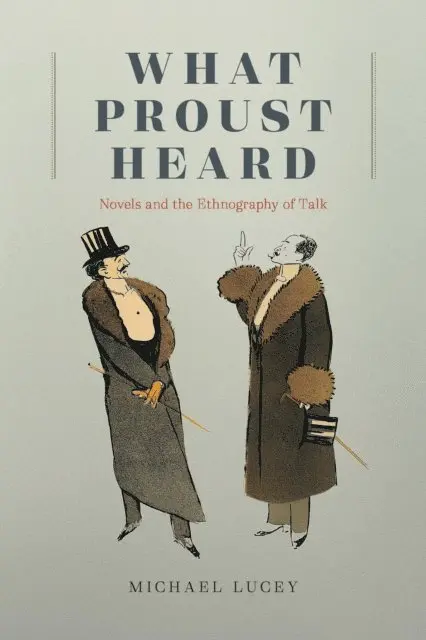
What Proust Heard
Novels and the Ethnography of Talk
Inbunden, 2022
1103 kr
Lägg i varukorg
Michael Lucey offers a linguistic anthropological analysis of Proust’s In Search of Lost Time. What happens when we talk? This deceptively simple question is central to Marcel Proust’s monumental novel In Search of Lost Time. Both Proust’s narrator and the novel that houses him devote considerable …
What Proust Heard
Novels and the Ethnography of Talk
E-bok, 2022
723 kr
Lägg i varukorg
Michael Lucey offers a linguistic anthropological analysis of Proust’s In Search of Lost Time . What happens when we talk? This deceptively simple question is central to Marcel Proust’s monumental novel In Search of Lost Time . Both Proust’s narrator and the novel that houses him devote …
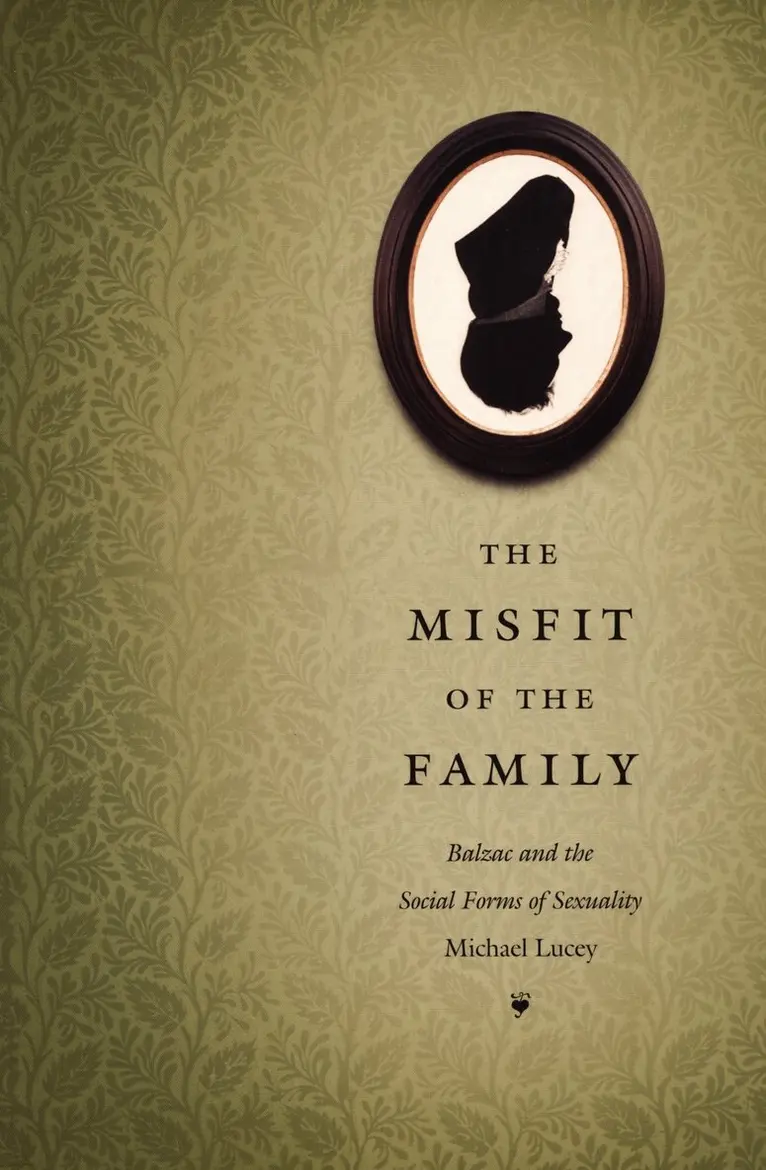
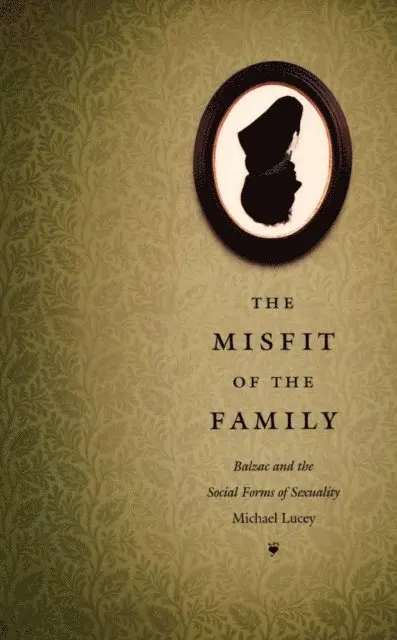
Misfit of the Family
Balzac and the Social Forms of Sexuality
Häftad, 2003
443 kr
Lägg i varukorg
In more than ninety novels and novellas, HonorÉ de Balzac (1799–1850) created a universe teeming with over two thousand characters. The Misfit of the Family reveals how Balzac, in imagining the dense, vividly rendered social world of his novels, used his writing as a powerful means to understand …
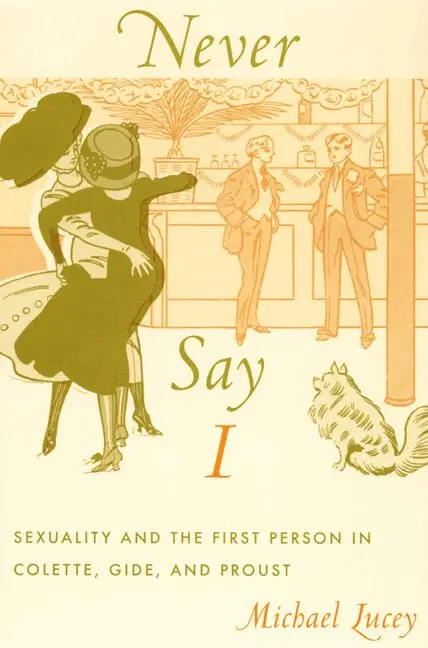
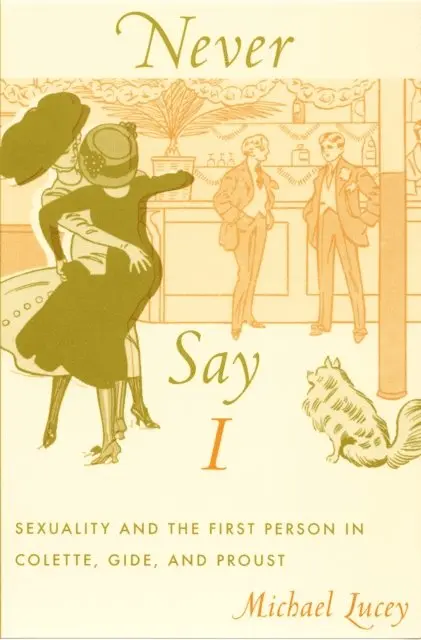
Never Say I
Sexuality and the First Person in Colette, Gide, and Proust
Häftad, 2006
443 kr
Lägg i varukorg
Never Say I reveals the centrality of representations of sexuality, and particularly same-sex sexual relations, to the evolution of literary prose forms in twentieth-century France. Rethinking the social and literary innovation of works by Marcel Proust, AndrÉ Gide, and Colette, Michael Lucey …
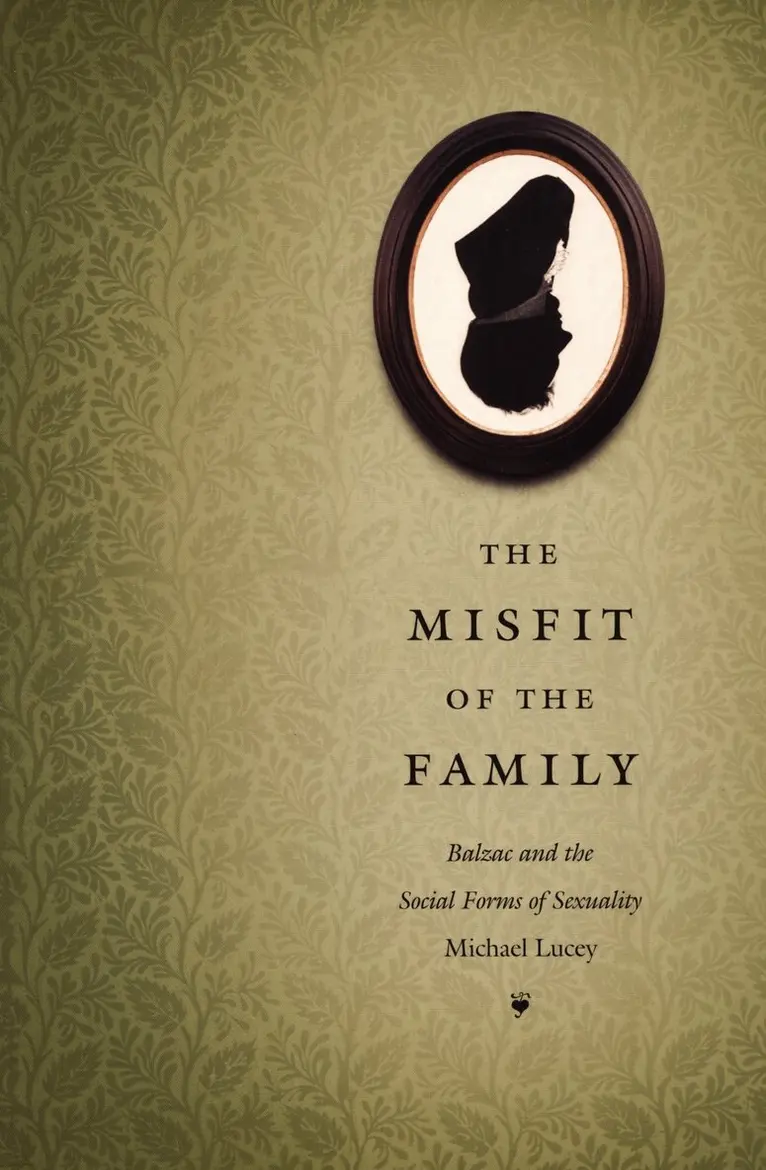
Misfit of the Family
Balzac and the Social Forms of Sexuality
E-bok, 2003
655 kr
Lägg i varukorg
In more than ninety novels and novellas, Honoré de Balzac (1799–1850) created a universe teeming with over two thousand characters. The Misfit of the Family reveals how Balzac, in imagining the dense, vividly rendered social world of his novels, used his writing as a powerful means to understand …
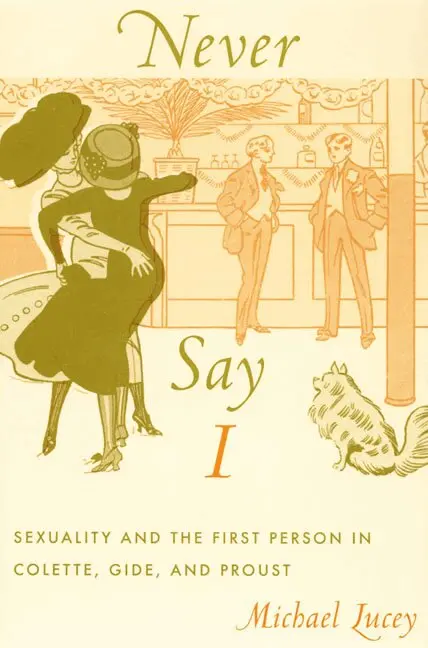
Never Say I
Sexuality and the First Person in Colette, Gide, and Proust
E-bok, 2006
655 kr
Lägg i varukorg
Never Say I reveals the centrality of representations of sexuality, and particularly same-sex sexual relations, to the evolution of literary prose forms in twentieth-century France. Rethinking the social and literary innovation of works by Marcel Proust, André Gide, and Colette, Michael Lucey …
Misfit of the Family
Balzac and the Social Forms of Sexuality
Inbunden, 2003
1523 kr
Tillfälligt slut
In more than ninety novels and novellas, HonorÉ de Balzac (1799–1850) created a universe teeming with over two thousand characters. The Misfit of the Family reveals how Balzac, in imagining the dense, vividly rendered social world of his novels, used his writing as a powerful means to understand …
Never Say I
Sexuality and the First Person in Colette, Gide, and Proust
Inbunden, 2006
1523 kr
Tillfälligt slut
Never Say I reveals the centrality of representations of sexuality, and particularly same-sex sexual relations, to the evolution of literary prose forms in twentieth-century France. Rethinking the social and literary innovation of works by Marcel Proust, AndrÉ Gide, and Colette, Michael Lucey …