Michael Tugendhat – författare
Visar alla böcker från författaren Michael Tugendhat. Handla med fri frakt och snabb leverans.
3 produkter
3 produkter
3 800 kr
Skickas inom 5-8 vardagar
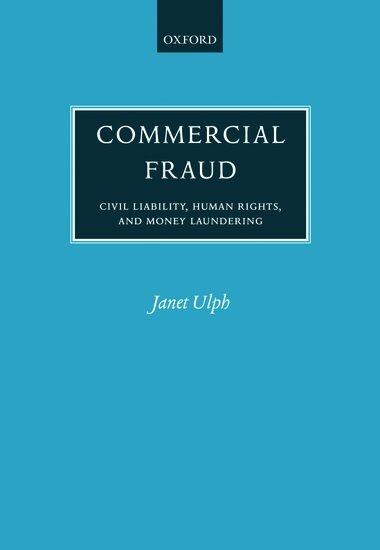
Theft, deception, bribery, rogue trading and money laundering present massive and apparently insuperable problems for governments worldwide. On a national and international scale, these types of activities may have social, economic and political repercussions. This new book is primarily concerned with the impact of these activities upon private individuals. The text analyses the position of the victim, the fraudster, recipients of property and accessories. The focus is upon the civil law aspects of fraud and the increasing significance of money laundering legislation and the law of human rights. The main theme of this book is an examination of the extent to which fraudulent activity triggers special rules which are exceptions to the general principles of civil law. There is the further question of the extent to which theft and fraud affect transactions which are interlinked. Policy issues are weighed in the balance, such as the protection of property rights against the need to ensure the free circulation of goods and the security of good faith purchase, and the demand for certainty in the law against the need to deter fraud.
1 392 kr
Skickas
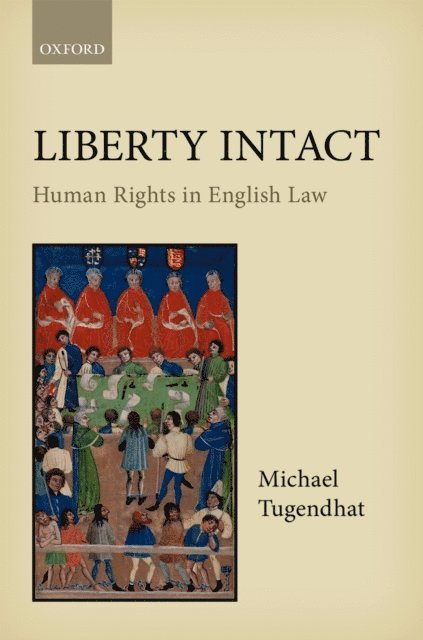
What are the connections between conceptions of rights found in English law and those found in bills of rights around the World? How has English Common Law influenced the Universal Declaration of Human Rights (UDHR) 1948 and the European Convention on Human Rights (ECHR) 1950? These questions and more are answered in Michael Tugendhat's historical account of human rights from the eighteenth century to present day. Focusing specifically on the first modern declarations of the rights of mankind- the 'Virginian Declaration of Rights', 1776, the French 'Declaration of the Rights of Man and of the Citizen', 1789, and the 'United States Bill of Rights', 1791- the book recognises that the human rights documented in these declarations of the eighteenth century were already enshrined in English common law, many originating from English law and politics of the fifteenth century. The influence of English Common Law , taken largely from Blackstone's Commentaries on the Laws of England, can also be realised in the British revolutions of 1642 and 1688; the American and French Revolutions of 1776 and 1789 respectively; and through them, on the UDHR and ECHR. Moreover, Tugendhat argues that British law, in all but a few instances, either meets or exceeds human rights standards, and thus demonstrates that human rights law is British law and not a recent invention imported from abroad. Structured in three sections, this volume (I) provides a brief history of human rights; (II) examines the rights found in the American and French declarations and demonstrates their ancestry with English law; and (III) discusses the functions of rights and how they have been, and are, put to use.
1 654 kr
Skickas inom 5-8 vardagar
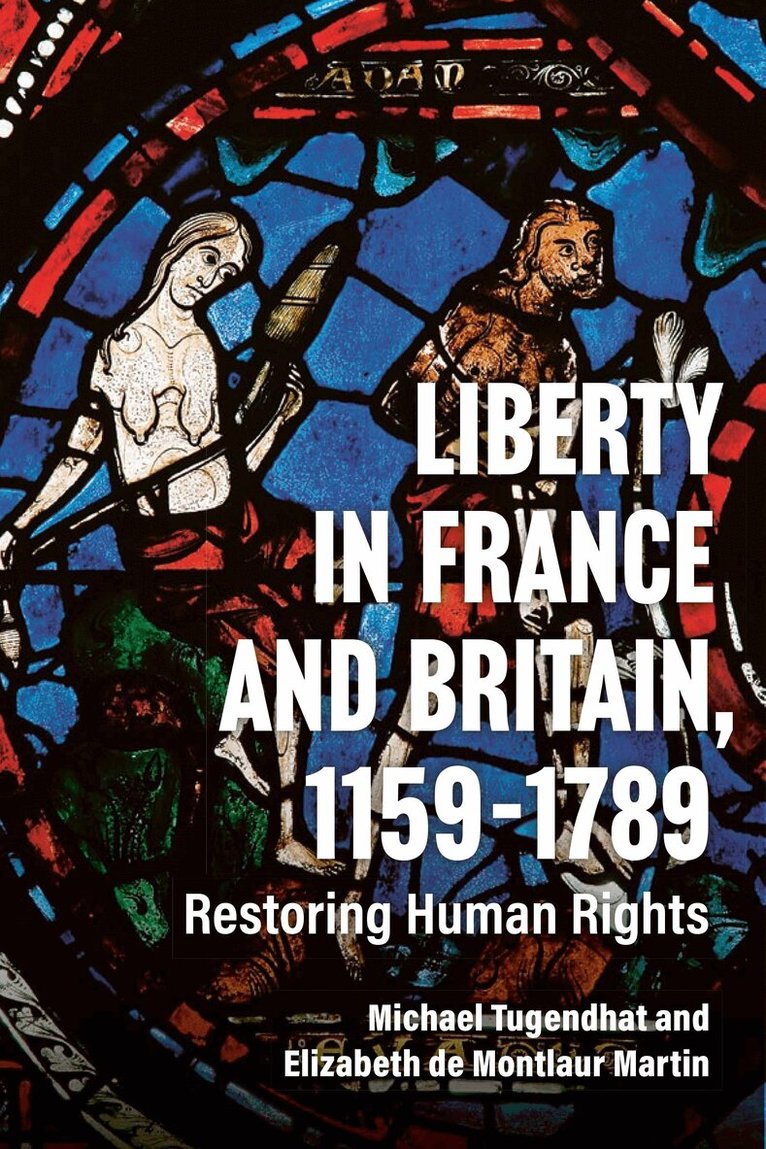
Documents the influence Britain and France had on the ideas of liberty and human rights from the twelfth century to the French Revolution.This book innovatively challenges the widely held perception that the idea of Human Rights and their protection was invented in the long eighteenth century. Liberty, Equality, Fraternity, the motto of the French Republic, encapsulates the 1789 Declaration of the Rights of Man. The authors trace the history of each article in that Declaration to the twelfth to the sixteenth centuries. In that period French-speaking Norman rulers in England introduced the common law based on reason and natural rights, government by limited monarchy and habeas corpus; and in both France and England the right to a fair trial or due process replaced trials by ordeal and battle, chattel slavery disappeared, and the rule of law and republican government were developed. The authors show that the ideas the French and British shared in that period were deployed to justify the rebellions and revolutions in the Netherlands and Britain in the sixteenth and seventeenth centuries, and in France and America in the eighteenth century. These ideas inspired human rights declarations, treaties and national laws in the twentieth century. The authors draw on the Policraticus (1159) of John of Salisbury and (among others) Thomas More's Utopia (1516), Jean Bodin's Six Books of the Republic (1576), John Locke's Treatises on Government (c.1689), Montesquieu's Spirit of the Laws (1748) and William Blackstone's Commentaries on the Laws of England (1765-69).