Michael Valdez Moses - Böcker
Visar alla böcker från författaren Michael Valdez Moses. Handla med fri frakt och snabb leverans.
4 produkter
4 produkter
1 518 kr
Skickas inom 7-10 vardagar
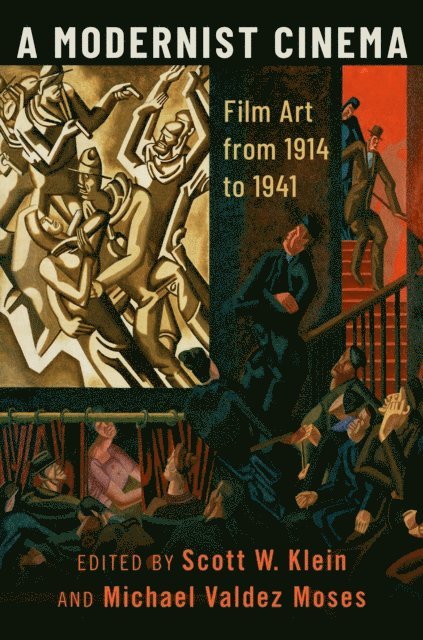
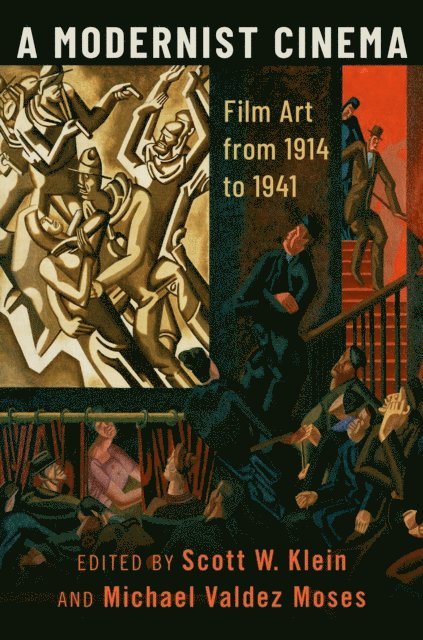
In A Modernist Cinema, sixteen distinguished scholars in the field of the New Modernist Studies explore the interrelationships among modernism, cinema, and modernity. Focusing on several culturally influential films from Europe, America, and Asia produced between 1914 and 1941, this collection of essays contends that cinema was always a modernist enterprise. Examining the dialectical relationship between a modernist cinema and modernity itself, these essays reveal how the movies represented and altered our notions and practices of modern life, as well as how the so-called crises of modernity shaped the evolution of filmmaking. Attending to the technical achievements and formal qualities of the works of several prominent directors - Giovanni Pastrone, D. W. Griffith, Sergei Eisenstein, Fritz Lang, Alfred Hitchcock, F. W. Murnau, Carl Theodore Dreyer, Dziga Vertov, Luis Buñuel, Yasujiro Ozu, John Ford, Jean Renoir, Charlie Chaplin, Leni Riefenstahl, and Orson Welles - these essays investigate several interrelated topics: how a modernist cinema represented and intervened in the political and social struggles of the era; the ambivalent relationship between cinema and the other modernist arts; the controversial interconnection between modern technology and the new art of filmmaking; the significance of representing the mobile human body in a new medium; the gendered history of modernity; and the transformative effects of cinema on modern conceptions of temporality, spatial relations, and political geography.
504 kr
Skickas inom 5-8 vardagar
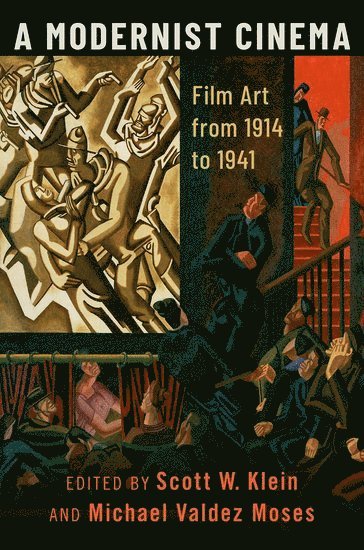
In A Modernist Cinema, sixteen distinguished scholars in the field of the New Modernist Studies explore the interrelationships among modernism, cinema, and modernity. Focusing on several culturally influential films from Europe, America, and Asia produced between 1914 and 1941, this collection of essays contends that cinema was always a modernist enterprise. Examining the dialectical relationship between a modernist cinema and modernity itself, these essays reveal how the movies represented and altered our notions and practices of modern life, as well as how the so-called crises of modernity shaped the evolution of filmmaking. Attending to the technical achievements and formal qualities of the works of several prominent directors - Giovanni Pastrone, D. W. Griffith, Sergei Eisenstein, Fritz Lang, Alfred Hitchcock, F. W. Murnau, Carl Theodore Dreyer, Dziga Vertov, Luis Buñuel, Yasujiro Ozu, John Ford, Jean Renoir, Charlie Chaplin, Leni Riefenstahl, and Orson Welles - these essays investigate several interrelated topics: how a modernist cinema represented and intervened in the political and social struggles of the era; the ambivalent relationship between cinema and the other modernist arts; the controversial interconnection between modern technology and the new art of filmmaking; the significance of representing the mobile human body in a new medium; the gendered history of modernity; and the transformative effects of cinema on modern conceptions of temporality, spatial relations, and political geography.
Modernism, Postcolonialism, and Globalism
Anglophone Literature, 1950 to the Present
Inbunden, Engelska, 2018
1 820 kr
Skickas inom 5-8 vardagar
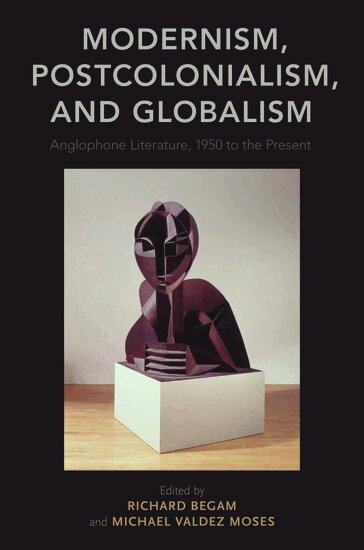
As England withdrew from its empire after World War II, how did writers living outside the United Kingdom respond to the history of colonialism and the aesthetics of modernism within a global context? In fourteen original essays, edited by Richard Begam and Michael Valdez Moses, a distinguished group of scholars considers these questions in relation to novelists, playwrights, and poets living in English-speaking countries around the world. Modernism, Postcolonialism, and Globalism not only examines how modernism and postcolonialism evolved over several generations, but also situates the writers analyzed in terms of canonical realignments inspired by the New Modernist Studies and an array of emerging methodologies and approaches. While this volume highlights social and political questions connected with the end of empire, it also considers the aesthetics of postcolonialism, detailing how writers drew upon, responded to and, sometimes reacted against, the formal innovations of modernism. Many of the essays consider the influence modernist artists and movements exercised on postcolonial writers, from W. B. Yeats, Joseph Conrad, Franz Kafka, Marcel Proust, James Joyce, T. S. Eliot, and Virginia Woolf to Impressionism, Expressionism, Surrealism, and Abstractionism. Modernism, Postcolonialism, and Globalism is organized around six geographic locales and includes essays on Africa (Chinua Achebe, Ngugi wa Thiong'o, Nadine Gordimer, J. M. Coetzee), Asia (Salman Rushdie, Arundhati Roy), the Caribbean (Jean Rhys, Derek Walcott, V. S. Naipaul), Ireland (Samuel Beckett, Seamus Heaney), Australia/New Zealand (David Malouf, Keri Hulme) and Canada (Michael Ondaatje). Examining how Anglophone writers engaged with the literary, intellectual, and cultural heritage of modernism, this volume offers a vital and distinctive intervention in ongoing discussions of modern and contemporary literature.
Modernism, Postcolonialism, and Globalism
Anglophone Literature, 1950 to the Present
Häftad, Engelska, 2018
478 kr
Skickas inom 5-8 vardagar
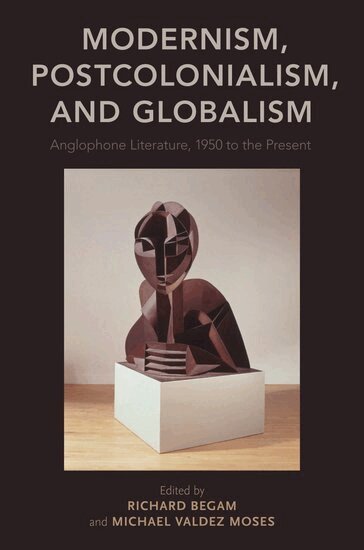
As England withdrew from its empire after World War II, how did writers living outside the United Kingdom respond to the history of colonialism and the aesthetics of modernism within a global context? In fourteen original essays, edited by Richard Begam and Michael Valdez Moses, a distinguished group of scholars considers these questions in relation to novelists, playwrights, and poets living in English-speaking countries around the world. Modernism, Postcolonialism, and Globalism not only examines how modernism and postcolonialism evolved over several generations, but also situates the writers analyzed in terms of canonical realignments inspired by the New Modernist Studies and an array of emerging methodologies and approaches. While this volume highlights social and political questions connected with the end of empire, it also considers the aesthetics of postcolonialism, detailing how writers drew upon, responded to and, sometimes reacted against, the formal innovations of modernism. Many of the essays consider the influence modernist artists and movements exercised on postcolonial writers, from W. B. Yeats, Joseph Conrad, Franz Kafka, Marcel Proust, James Joyce, T. S. Eliot, and Virginia Woolf to Impressionism, Expressionism, Surrealism, and Abstractionism. Modernism, Postcolonialism, and Globalism is organized around six geographic locales and includes essays on Africa (Chinua Achebe, Ngugi wa Thiong'o, Nadine Gordimer, J. M. Coetzee), Asia (Salman Rushdie, Arundhati Roy), the Caribbean (Jean Rhys, Derek Walcott, V. S. Naipaul), Ireland (Samuel Beckett, Seamus Heaney), Australia/New Zealand (David Malouf, Keri Hulme) and Canada (Michael Ondaatje). Examining how Anglophone writers engaged with the literary, intellectual, and cultural heritage of modernism, this volume offers a vital and distinctive intervention in ongoing discussions of modern and contemporary literature.