Scott W. Klein – författare
Visar alla böcker från författaren Scott W. Klein. Handla med fri frakt och snabb leverans.
10 produkter
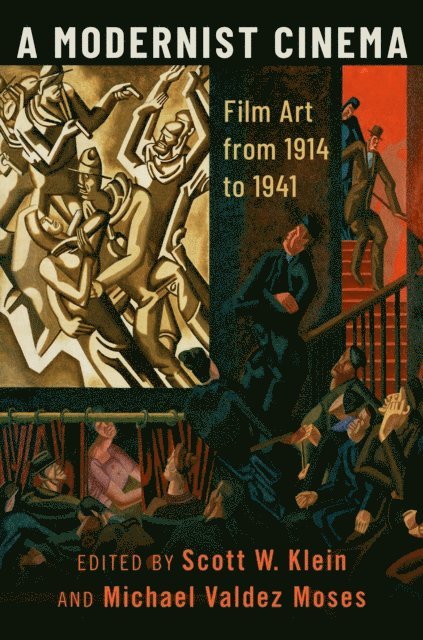
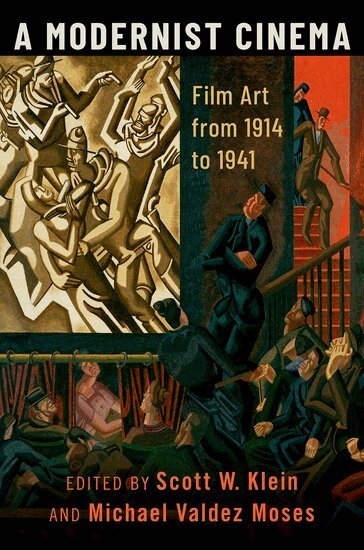
Modernist Cinema
Film Art from 1914 to 1941
Av Michael Valdez Moses, Scott W. Klein
E-bok, 2021
487 kr
Lägg i varukorg
In A Modernist Cinema , sixteen distinguished scholars in the field of the New Modernist Studies explore the interrelationships among modernism, cinema, and modernity. Focusing on several culturally influential films from Europe, America, and Asia produced between 1914 and 1941, this collection of …
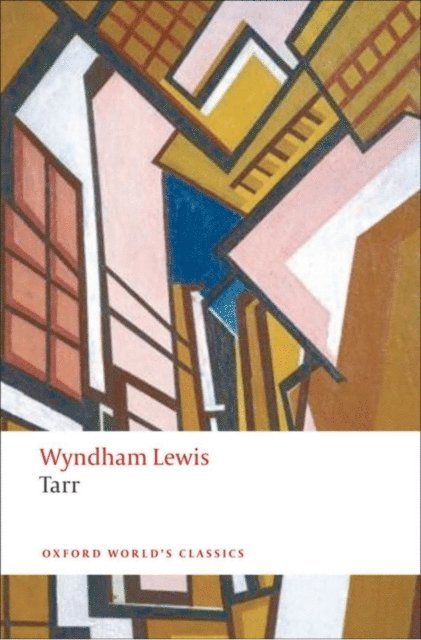
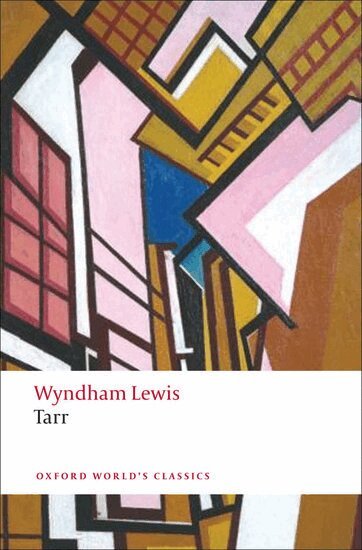
Tarr
Av Wyndham Lewis, Scott W. Klein
E-bok, 2010
116 kr
Lägg i varukorg
''The nearest the general run get to art is Action : sex is their form of art: the battle for existence is their picture.'' Tarr tells the blackly comic story of the lives and loves of two artists, played out against the backdrop of Paris before the start of the First World War - the English enfant …
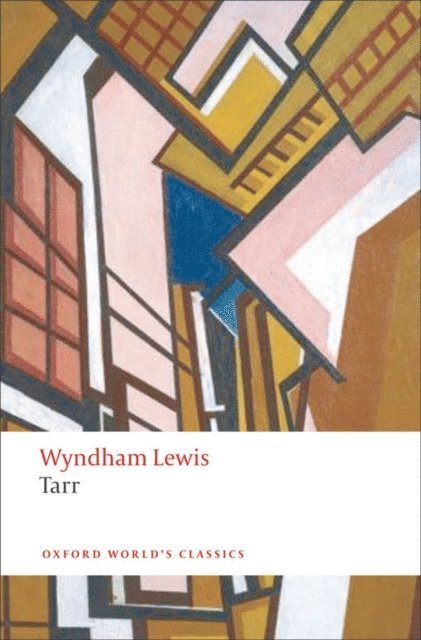
Tarr
Av Wyndham Lewis, Scott W. Klein
E-bok, 2010
116 kr
Lägg i varukorg
''The nearest the general run get to art is Action : sex is their form of art: the battle for existence is their picture.'' Tarr tells the blackly comic story of the lives and loves of two artists, played out against the backdrop of Paris before the start of the First World War - the English enfant …
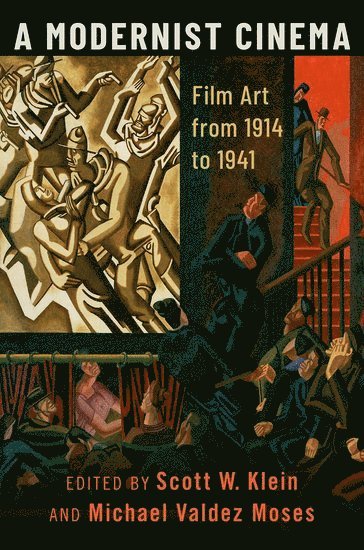
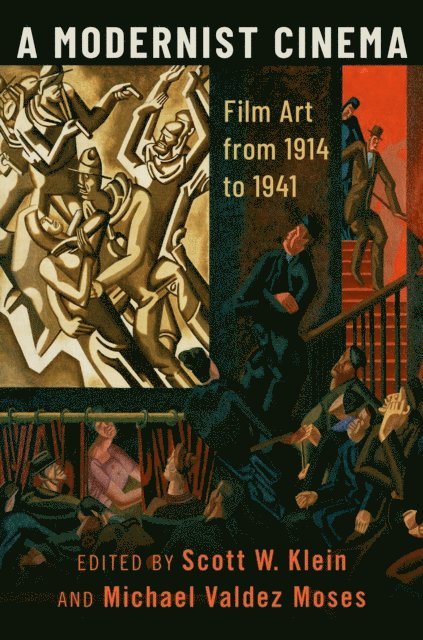
A Modernist Cinema
Film Art from 1914 to 1941
Av Scott W. Klein, Michael Valdez Moses
Inbunden, 2022
1672 kr
Lägg i varukorg
In A Modernist Cinema, sixteen distinguished scholars in the field of the New Modernist Studies explore the interrelationships among modernism, cinema, and modernity. Focusing on several culturally influential films from Europe, America, and Asia produced between 1914 and 1941, this collection of …
A Modernist Cinema
Film Art from 1914 to 1941
Av Scott W. Klein, Scott W. Klein m. fl.
Häftad, 2022
552 kr
Lägg i varukorg
In A Modernist Cinema, sixteen distinguished scholars in the field of the New Modernist Studies explore the interrelationships among modernism, cinema, and modernity. Focusing on several culturally influential films from Europe, America, and Asia produced between 1914 and 1941, this collection of …
Modernist Cinema
Film Art from 1914 to 1941
Av Michael Valdez Moses, Scott W. Klein
E-bok, 2021
487 kr
Lägg i varukorg
In A Modernist Cinema , sixteen distinguished scholars in the field of the New Modernist Studies explore the interrelationships among modernism, cinema, and modernity. Focusing on several culturally influential films from Europe, America, and Asia produced between 1914 and 1941, this collection of …
Tarr
Av Wyndham Lewis, Scott W. Klein
Häftad, 2010
142 kr
Lägg i varukorg
'The nearest the general run get to art is Action: sex is their form of art: the battle for existence is their picture.'Tarr tells the blackly comic story of the lives and loves of two artists, played out against the backdrop of Paris before the start of the First World War - the English enfant …
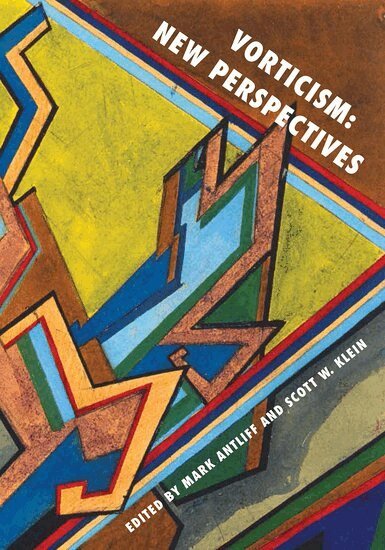
Vorticism
New Perspectives
Av ANTLIFF, Mark Antliff m. fl.
Inbunden, 2013
2283 kr
Lägg i varukorg
The London-based avant-garde movement Vorticism, like its continental counterparts Cubism and Futurism and its English rival Bloomsbury was created by artists, poets, writers, and artist-writers, as a project that defied disciplinary boundaries. Vorticism: New Perspectives is the first volume to …
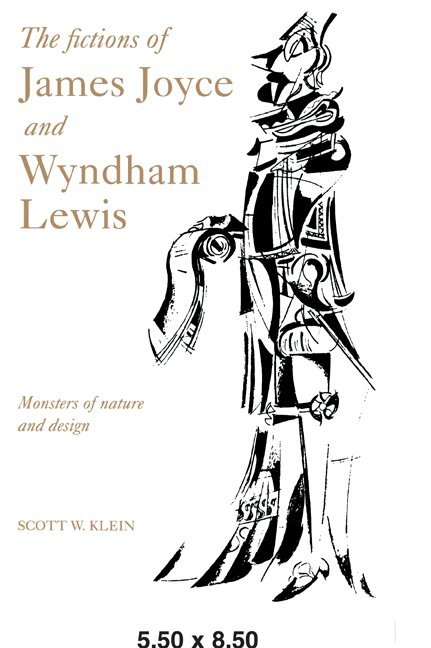
The Fictions of James Joyce and Wyndham Lewis
Monsters of Nature and Design
Häftad, 2006
804 kr
Lägg i varukorg
The literary relationship of James Joyce and Wyndham Lewis has previously been described in merely biographical terms. In The Fictions of James Joyce and Wyndham Lewis Scott W. Klein takes Wyndham Lewis's criticism of Ulysses in Times and Western Man and Joyce's implicit response to Lewis in …
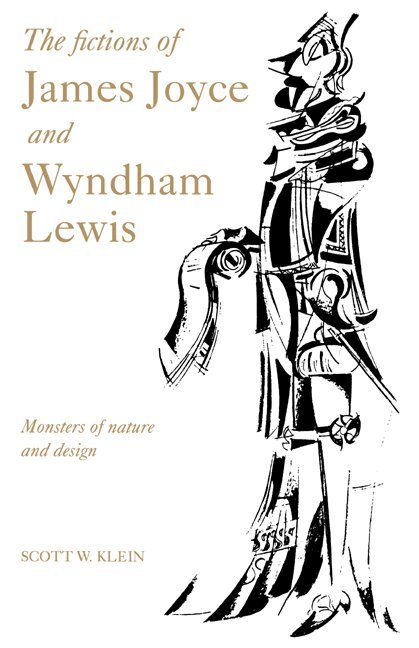
The Fictions of James Joyce and Wyndham Lewis
Monsters of Nature and Design
Inbunden, 1994
1872 kr
Lägg i varukorg
The literary relationship of James Joyce and Wyndham Lewis has previously been described in merely biographical terms. In The Fictions of James Joyce and Wyndham Lewis Scott W. Klein takes Wyndham Lewis's criticism of Ulysses in Times and Western Man and Joyce's implicit response to Lewis in …