Michael W Graves – författare
Visar alla böcker från författaren Michael W Graves. Handla med fri frakt och snabb leverans.
6 produkter
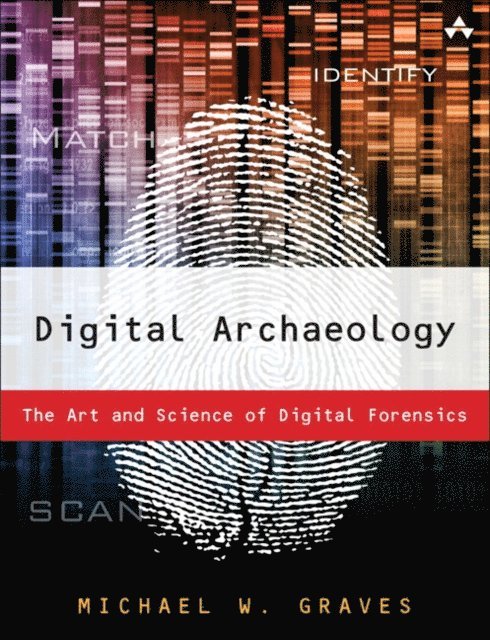
Digital Archaeology
The Art and Science of Digital Forensics
E-bok, 2013
881 kr
Lägg i varukorg
The Definitive, Up-to-Date Guide to Digital Forensics The rapid proliferation of cyber crime is increasing the demand for digital forensics experts in both law enforcement and in the private sector. In Digital Archaeology, expert practitioner Michael Graves has written the most thorough, realistic, …
Digital Archaeology
The Art and Science of Digital Forensics
E-bok, 2013
708 kr
Lägg i varukorg
The Definitive, Up-to-Date Guide to Digital Forensics The rapid proliferation of cyber crime is increasing the demand for digital forensics experts in both law enforcement and in the private sector. In Digital Archaeology, expert practitioner Michael Graves has written the most thorough, realistic, …
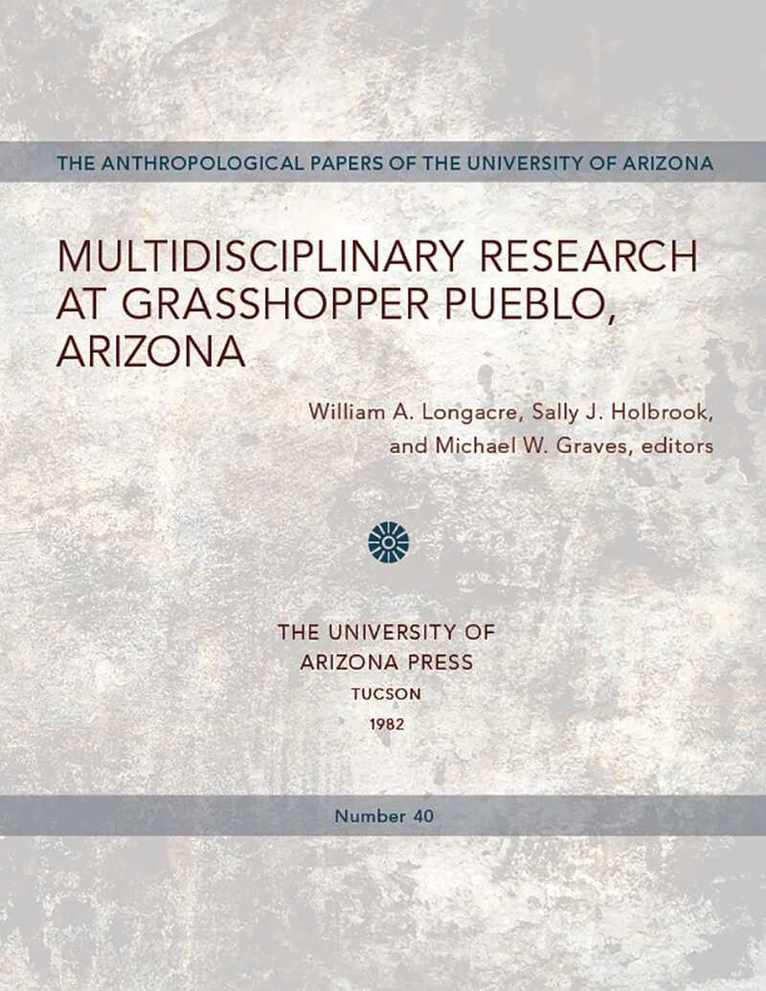
Multidisciplinary Research at Grasshopper Pueblo, Arizona
Av William A. Longacre, Sally J. Holbrook m. fl.
Häftad, 2015
309 kr
Tillfälligt slut
The Anthropological Papers of the University of Arizona is a peer-reviewed monograph series sponsored by the School of Anthropology. Established in 1959, the series publishes archaeological and ethnographic papers that use contemporary method and theory to investigate problems of anthropological …
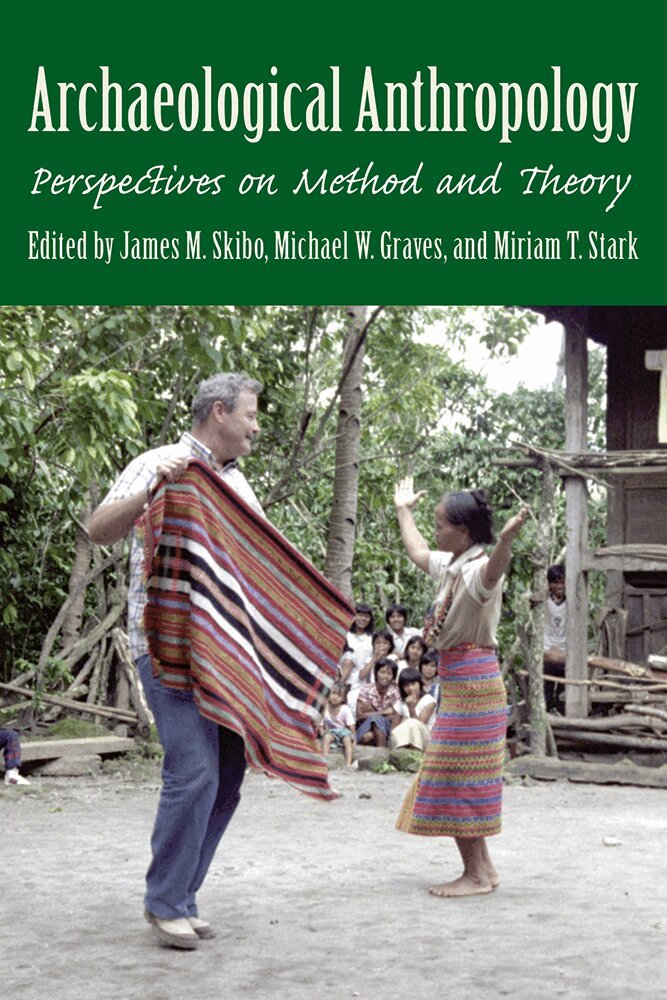
Archaeological Anthropology
Perspectives on Method and Theory
Av James M. Skibo, Michael W. Graves m. fl.
Häftad, 2016
352 kr
Tillfälligt slut
For centuries, the goal of archaeologists was to document and describe material artifacts, and at best to make inferences about the origins and evolution of human culture and about prehistoric and historic societies. During the 1960s, however, a number of young, primarily American archaeologists, …
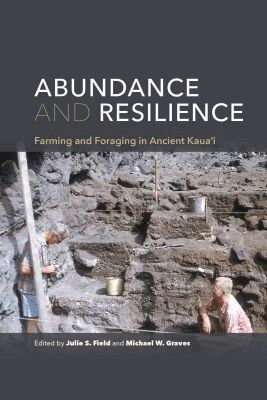
Abundance and Resilience
Farming and Foraging in Ancient Kaua`i
Av Julie Field, Michael W. Graves
Häftad, 2015
884 kr
Tillfälligt slut
At the base of a steep cliff towering some 500 feet above the coast of the remote N? Pali district on the island of Kaua'i, lies the spectacular historical and archaeological site at Nu'alolo Kai. First excavated by Bishop Museum archaeologists between 1958 and 1964, the site contained the …
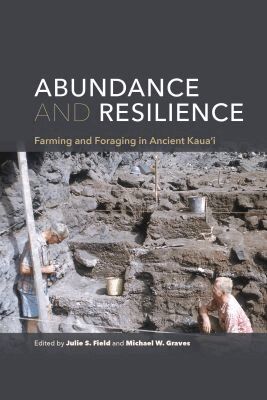
Abundance and Resilience
Farming and Foraging in Ancient Kaua'i
Av Julie Field, Michael W. Graves
Häftad, 2017
309 kr
Tillfälligt slut
At the base of a steep cliff towering some 500 feet above the coast of the remote Na Pali district on the island of Kaua'i, lies the spectacular historical and archaeological site at Nu'alolo Kai. First excavated by Bishop Museum archaeologists between 1958 and 1964, the site contained the …