Michel Picard – författare
2 253 kr
Skickas inom 10-15 vardagar
283 kr
Skickas inom 10-15 vardagar
992 kr
Läs direkt efter köp
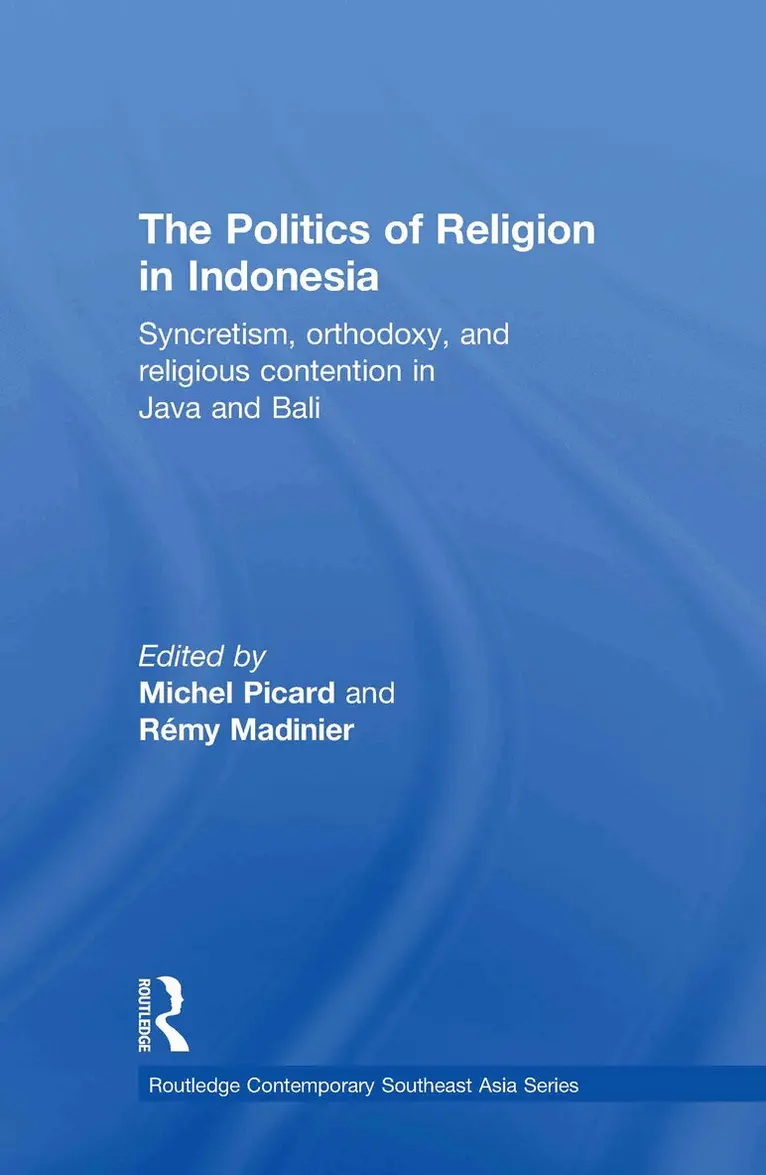
Indonesia is a remarkable case study for religious politics. While not being a theocratic country, it is not secular either, with the Indonesian state officially defining what constitutes religion, and every citizen needing to be affiliated to one of them. This book focuses on Java and Bali, and the interesting comparison of two neighbouring societies shaped by two different religions - Islam and Hinduism.
The book examines the appropriation by the peoples of Java and Bali of the idea of religion, through a dialogic process of indigenization of universalist religions and universalization of indigenous religions. It looks at the tension that exists between proponents of local world-views and indigenous belief systems, and those who deny those local traditions as qualifying as a religion. This tension plays a leading part in the construction of an Indonesian religious identity recognized by the state. The book is of interest to students and scholars of Southeast Asia, religious studies and the anthropology and sociology of religion.
992 kr
Läs direkt efter köp
Indonesia is a remarkable case study for religious politics. While not being a theocratic country, it is not secular either, with the Indonesian state officially defining what constitutes religion, and every citizen needing to be affiliated to one of them. This book focuses on Java and Bali, and the interesting comparison of two neighbouring societies shaped by two different religions - Islam and Hinduism.
The book examines the appropriation by the peoples of Java and Bali of the idea of religion, through a dialogic process of indigenization of universalist religions and universalization of indigenous religions. It looks at the tension that exists between proponents of local world-views and indigenous belief systems, and those who deny those local traditions as qualifying as a religion. This tension plays a leading part in the construction of an Indonesian religious identity recognized by the state. The book is of interest to students and scholars of Southeast Asia, religious studies and the anthropology and sociology of religion.
836 kr
Skickas inom 10-15 vardagar
256 kr
Skickas inom 5-8 vardagar
416 kr
Skickas inom 5-8 vardagar
1 509 kr
Skickas inom 10-15 vardagar
1 416 kr
Läs direkt efter köp
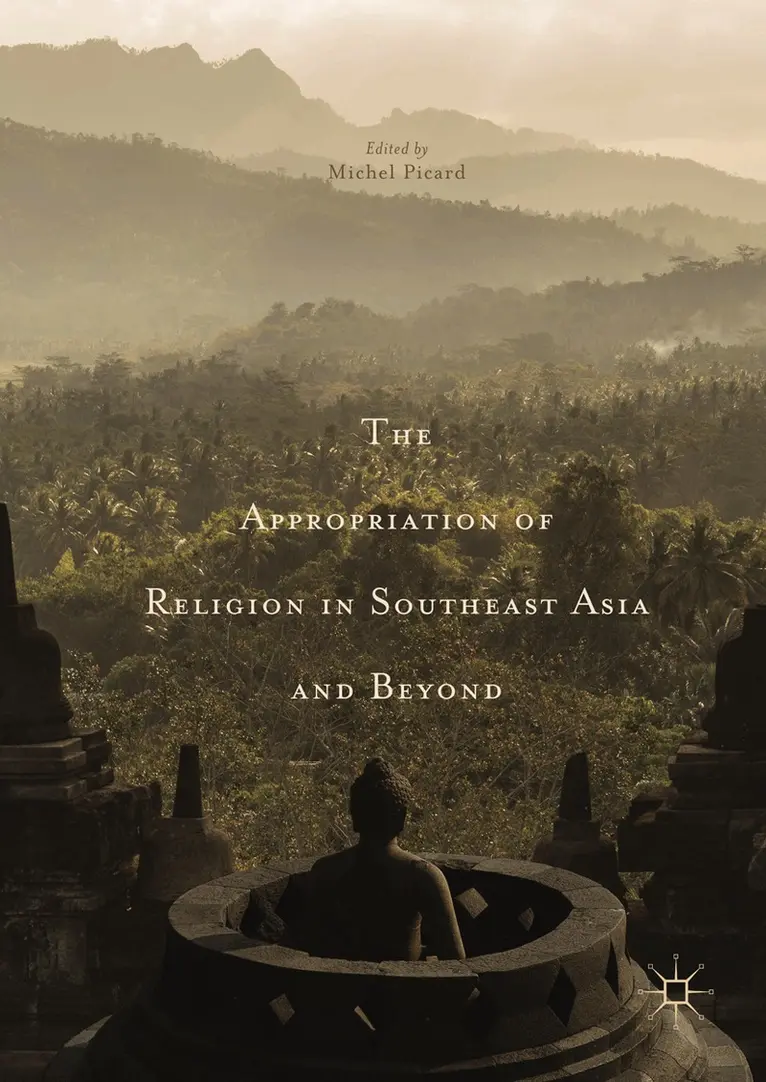
This volume investigates various processes by which world religions become localized, as well as how local traditions in Southeast Asia and Melanesia become universalized. In the name of modernity and progress, the contemporary Southeast Asian states tend to press their populations to have a ‘religion,'' claiming that their local, indigenous practices and traditions do not constitute religion. Authors analyze this ‘religionization,’ addressing how local people appropriate religion as a category to define some of their practices as differentiated from others, whether they want to have a religion or are constrained to demonstrate that they profess one. Thus, ‘religion’ is what is regarded as such by these local actors, which might not correspond to what counts as religion for the observer. Furthermore, local actors do not always concur regarding what their religion is about, as religion is a contested issue. In consequence, each of the case studies in this volume purposes to elucidatewhat gets identified and legitimized as ‘religion’, by whom, for what purpose, and under what political conditions.
1 112 kr
Skickas inom 10-15 vardagar