Michelle D. Miller - Böcker
Visar alla böcker från författaren Michelle D. Miller. Handla med fri frakt och snabb leverans.
4 produkter
4 produkter
174 kr
Skickas inom 7-10 vardagar
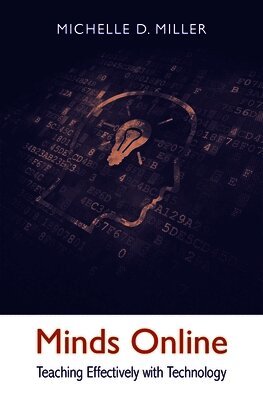
From wired campuses to smart classrooms to massive open online courses (MOOCs), digital technology is now firmly embedded in higher education. But the dizzying pace of innovation, combined with a dearth of evidence on the effectiveness of new tools and programs, challenges educators to articulate how technology can best fit into the learning experience. Minds Online is a concise, nontechnical guide for academic leaders and instructors who seek to advance learning in this changing environment, through a sound scientific understanding of how the human brain assimilates knowledge.Drawing on the latest findings from neuroscience and cognitive psychology, Michelle Miller explores how attention, memory, and higher thought processes such as critical thinking and analytical reasoning can be enhanced through technology-aided approaches. The techniques she describes promote retention of course material through frequent low‐stakes testing and practice, and help prevent counterproductive cramming by encouraging better spacing of study. Online activities also help students become more adept with cognitive aids, such as analogies, that allow them to apply learning across situations and disciplines. Miller guides instructors through the process of creating a syllabus for a cognitively optimized, fully online course. She presents innovative ideas for how to use multimedia effectively, how to take advantage of learners’ existing knowledge, and how to motivate students to do their best work and complete the course.For a generation born into the Internet age, educational technology designed with the brain in mind offers a natural pathway to the pleasures and rewards of deep learning.
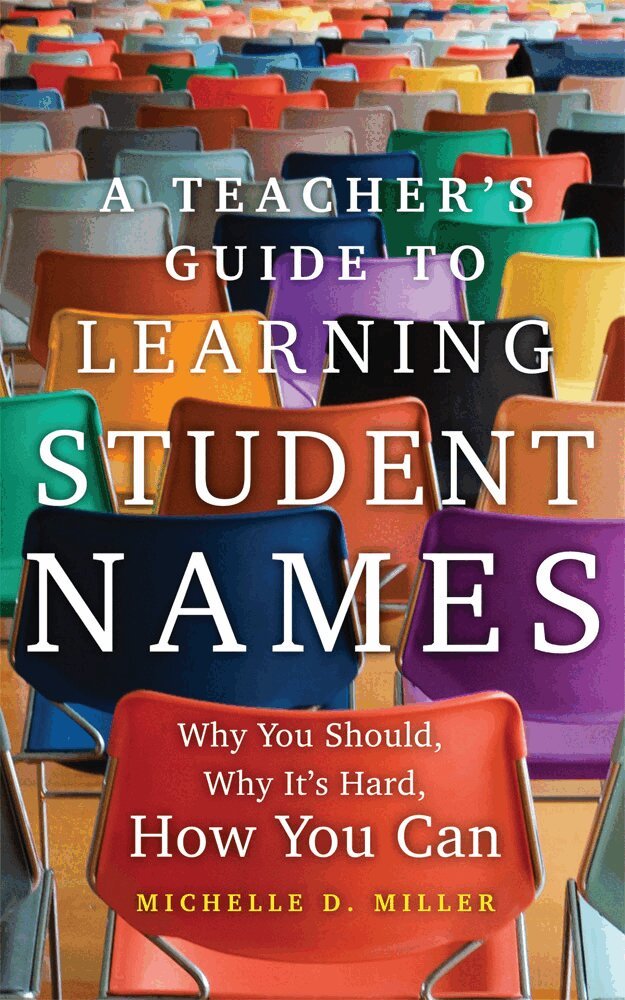
Teacher's Guide to Learning Student Names Volume 2
Why You Should, Why It's Hard, How You Can
Häftad, Engelska, 2024
149 kr
Skickas inom 10-15 vardagar
If teachers want an inclusive, engaging classroom, they must learn their students’ names. Sound advice, certainly, but rarely does it come with practical guidance—which is precisely what this book offers. Eschewing the random tips and mnemonic tricks that invariably fall short, Michelle D. Miller offers teachers a clear explanation of what is really going on when we learn a name, and a science-based approach for using this knowledge to pedagogical advantage.Drawing on a deep background in the psychology of language and memory, Miller gives a lively overview of the surprising science of learning proper names, along with an account of why the practice is at once so difficult and yet so critical to effective teaching. She then sets out practical techniques for learning names, with examples of activities and practices tailored to a variety of different teaching styles and classroom configurations. In her discussion of certain factors that can make learning names especially challenging, Miller pays particular attention to neurodivergence and the effects of aging on this special form of memory. A Teacher’s Guide to Learning Student Names lays out strategies for putting these techniques into practice, suggests technological aids and other useful resources, and explains how to make name learning a core aspect of one’s teaching practice.With its research-based strategies and concrete advice, this concise and highly readable guide provides teachers of all disciplines and levels an invaluable tool for creating a welcoming and productive learning environment.
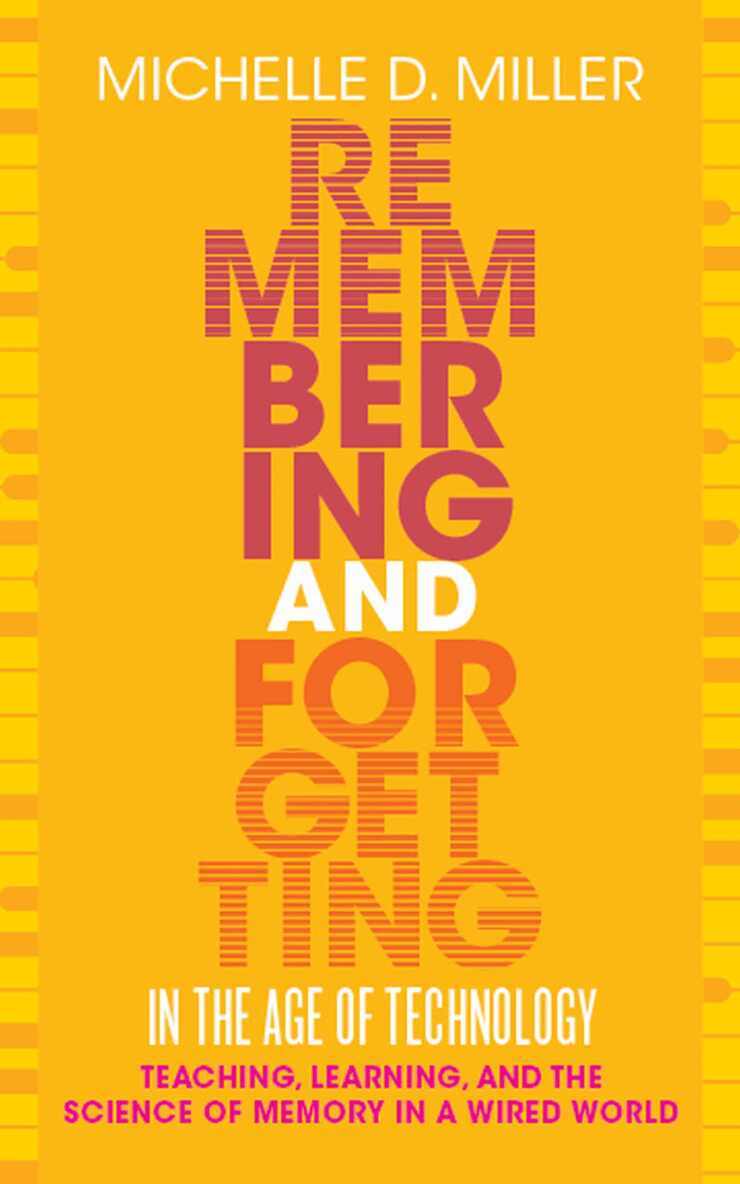
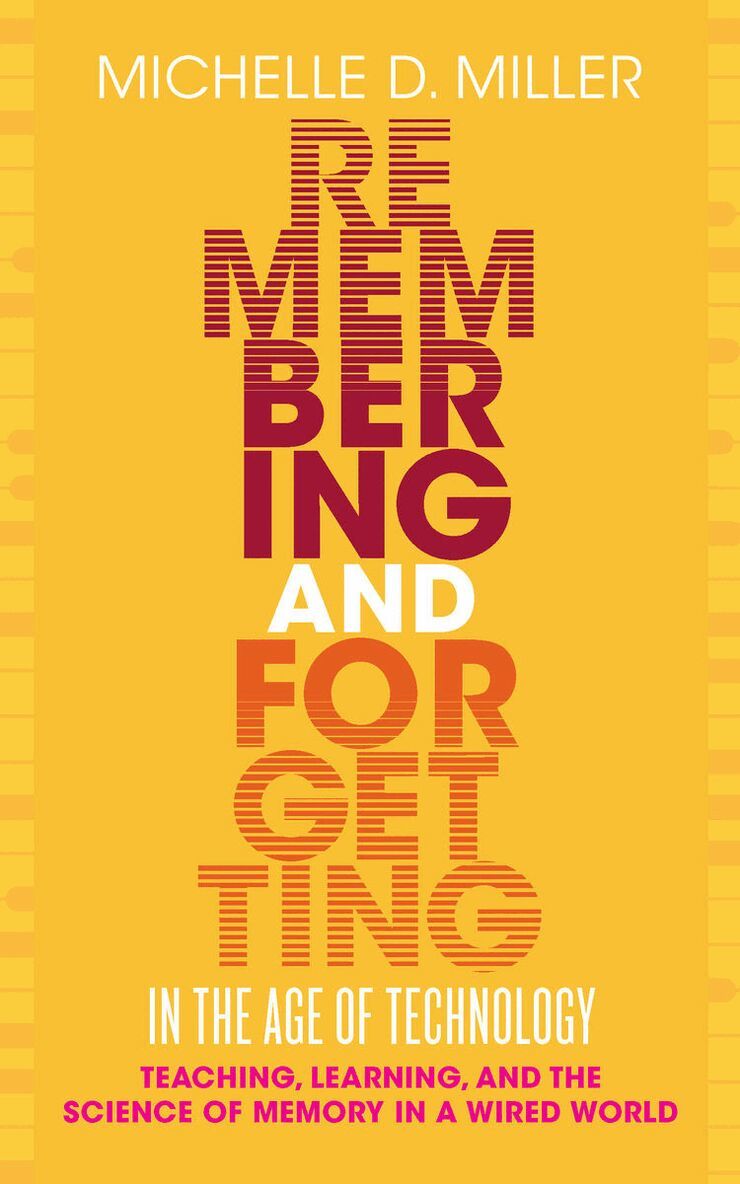
Remembering and Forgetting in the Age of Technology
Teaching, Learning, and the Science of Memory in a Wired World
Inbunden, Engelska, 2022
1 038 kr
Skickas inom 10-15 vardagar
What does memory mean for learning in an age of smartphones and search engines?Human minds are made of memories, and today those memories have competition. Biological memory capacities are being supplanted, or at least supplemented, by digital ones, as we rely on recording—phone cameras, digital video, speech-to-text—to capture information we'll need in the future and then rely on those stored recordings to know what happened in the past. Search engines have taken over not only traditional reference materials but also the knowledge base that used to be encoded in our own brains. Google remembers, so we don't have to. And when we don't have to, we no longer can. Or can we?Remembering and Forgetting in the Age of Technology offers concise, nontechnical explanations of major principles of memory and attention—concepts that all teachers should know and that can inform how technology is used in their classes. Teachers will come away with a new appreciation of the importance of memory for learning, useful ideas for handling and discussing technology with their students, and an understanding of how memory is changing in our technology-saturated world.
Remembering and Forgetting in the Age of Technology
Teaching, Learning, and the Science of Memory in a Wired World
Häftad, Engelska, 2022
252 kr
Skickas inom 10-15 vardagar
What does memory mean for learning in an age of smartphones and search engines?Human minds are made of memories, and today those memories have competition. Biological memory capacities are being supplanted, or at least supplemented, by digital ones, as we rely on recording—phone cameras, digital video, speech-to-text—to capture information we'll need in the future and then rely on those stored recordings to know what happened in the past. Search engines have taken over not only traditional reference materials but also the knowledge base that used to be encoded in our own brains. Google remembers, so we don't have to. And when we don't have to, we no longer can. Or can we?Remembering and Forgetting in the Age of Technology offers concise, nontechnical explanations of major principles of memory and attention—concepts that all teachers should know and that can inform how technology is used in their classes. Teachers will come away with a new appreciation of the importance of memory for learning, useful ideas for handling and discussing technology with their students, and an understanding of how memory is changing in our technology-saturated world.