Michelle Woods – författare
2 786 kr
Skickas inom 10-15 vardagar
816 kr
Skickas inom 10-15 vardagar
751 kr
Skickas inom 10-15 vardagar
239 kr
Skickas inom 3-6 vardagar
928 kr
Läs direkt efter köp
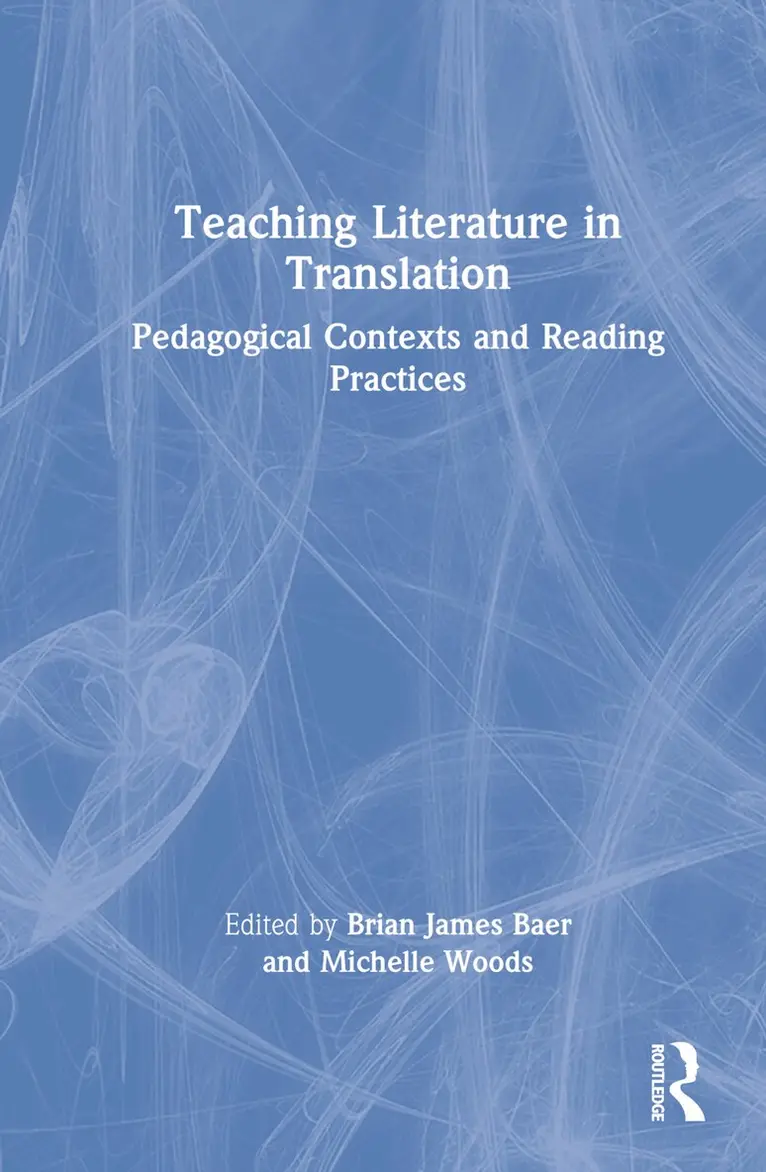
The teaching of texts in translation has become an increasingly common practice, but so too has the teaching of texts from languages and cultures with which the instructor may have little or no familiarity. The authors in this volume present a variety of pedagogical approaches to promote translation literacy and to address the distinct phenomenology of translated texts. The approaches set forward in this volume address the nature of the translator’s task and how texts travel across linguistic and cultural boundaries in translation, including how they are packaged for new audiences, with the aim of fostering critical reading practices that focus on translations as translations.
The organizing principle of the book is the specific pedagogical contexts in which translated texts are being used, such as courses on a single work, survey courses on a single national literature or a single author, and courses on world literature. Examples are provided from the widest possible variety of world languages and literary traditions, as well as modes of writing (prose, poetry, drama, film, and religious and historical texts) with the aim that many of the pedagogical approaches and strategies can be easily adapted for use with other works and traditions. An introductory section by the editors, Brian James Baer and Michelle Woods, sets the theoretical stage for the volume.
Written and edited by authorities in the field of literature and translation, this book is an essential manual for all instructors and lecturers in world and comparative literature and literary translation.
928 kr
Läs direkt efter köp
The teaching of texts in translation has become an increasingly common practice, but so too has the teaching of texts from languages and cultures with which the instructor may have little or no familiarity. The authors in this volume present a variety of pedagogical approaches to promote translation literacy and to address the distinct phenomenology of translated texts. The approaches set forward in this volume address the nature of the translator’s task and how texts travel across linguistic and cultural boundaries in translation, including how they are packaged for new audiences, with the aim of fostering critical reading practices that focus on translations as translations.
The organizing principle of the book is the specific pedagogical contexts in which translated texts are being used, such as courses on a single work, survey courses on a single national literature or a single author, and courses on world literature. Examples are provided from the widest possible variety of world languages and literary traditions, as well as modes of writing (prose, poetry, drama, film, and religious and historical texts) with the aim that many of the pedagogical approaches and strategies can be easily adapted for use with other works and traditions. An introductory section by the editors, Brian James Baer and Michelle Woods, sets the theoretical stage for the volume.
Written and edited by authorities in the field of literature and translation, this book is an essential manual for all instructors and lecturers in world and comparative literature and literary translation.
2 754 kr
Skickas inom 10-15 vardagar
890 kr
Läs direkt efter köp
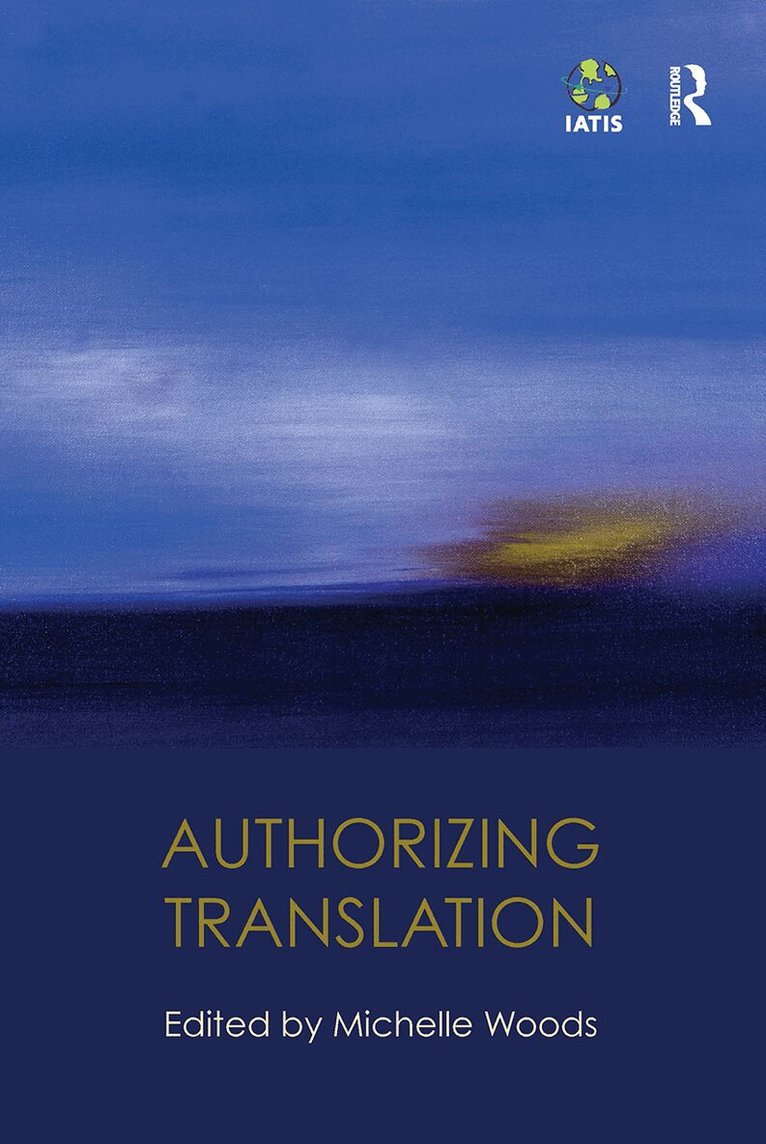
Authorizing Translation applies ground-breaking research on literary translation to examine the intersection between Translation Studies and literary criticism, rethinking ways in which analyzing translation and the authority of the translator can provide nuanced micro and macro readings of literary work and the worlds through which it moves. A substantial introduction surveys the field and suggests possible avenues for future research, while six case-study-based chapters by a new generation of Literature and Translation Studies scholars focus on the question of authority by asking:
Who authors translations?
Who authorizes translations?
What authority do translations have in different cultural contexts?
What authority does Literary Translation Studies have as a field?
The hermeneutic role of the translator is explored through the literary periods of Romanticism, Modernism, and Postmodernism, and through different cultures and languages. The case studies focus on data-centered analysis of reviews of translated literature, ultimately illustrating how the translator’s authority creates and hybridizes literary cultures.
Authorizing Translation will be of interest to students and researchers of Literary Translation and Translation Studies. Additional resources for Translation and Interpreting Studies are available on the Routledge Translation Studies Portal: http://cw.routledge.com/textbooks/translationstudies.
580 kr
Skickas inom 10-15 vardagar
627 kr
Läs direkt efter köp
505 kr
Läs direkt efter köp
505 kr
Läs direkt efter köp
2 074 kr
Skickas inom 10-15 vardagar
627 kr
Läs direkt efter köp
469 kr
Skickas inom 10-15 vardagar
1 280 kr
Skickas inom 10-15 vardagar
2 392 kr
Skickas inom 10-15 vardagar
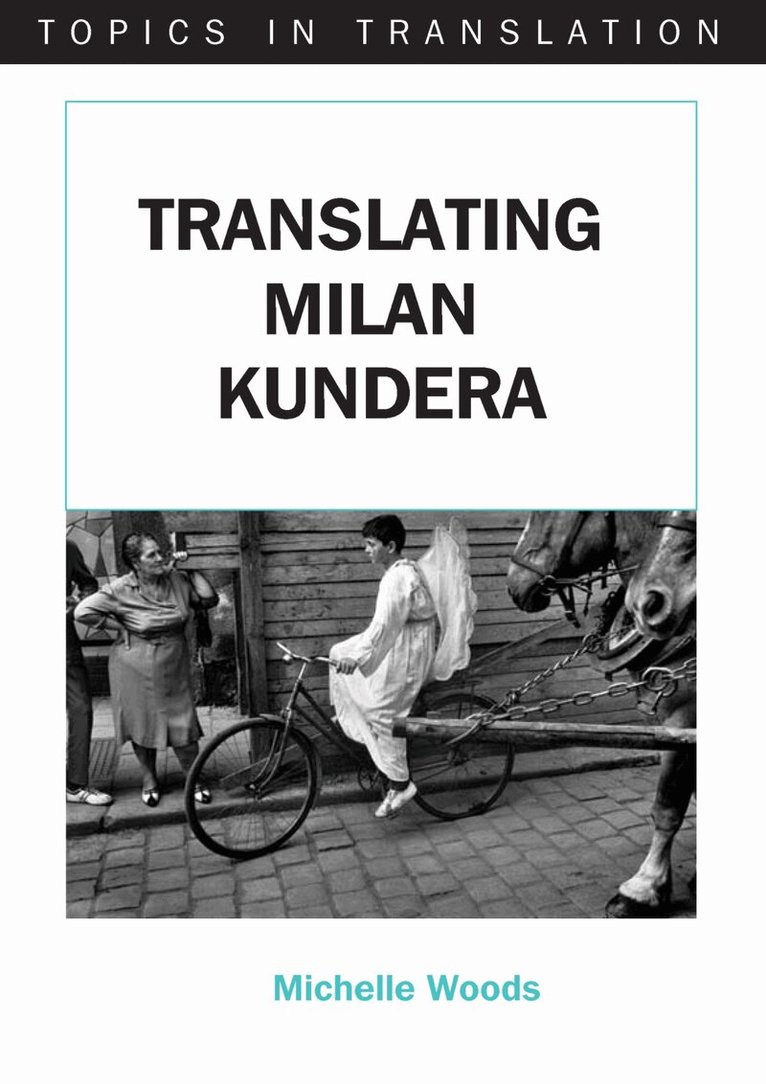
Translating Milan Kundera
558 kr
Skickas inom 5-8 vardagar
1 219 kr
Skickas inom 10-15 vardagar
447 kr
Skickas inom 10-15 vardagar
1 219 kr
Skickas inom 10-15 vardagar
337 kr
Skickas inom 5-8 vardagar
2 445 kr
Tillfälligt slut
Translating Milan Kundera uses new archival research to view the wider cultural scope of the translation issue involving the controversies surrounding Kundera’s translated novels. It focuses on the language of the novels, Kundera’s ‘lost’ works, writing as translation, interpretation, exile, censorship and the social responses to translated fiction in the Anglophone world.
2 445 kr
Tillfälligt slut
2 445 kr
Tillfälligt slut
Translating Milan Kundera uses new archival research to view the wider cultural scope of the translation issue involving the controversies surrounding Kundera’s translated novels. It focuses on the language of the novels, Kundera’s ‘lost’ works, writing as translation, interpretation, exile, censorship and the social responses to translated fiction in the Anglophone world.