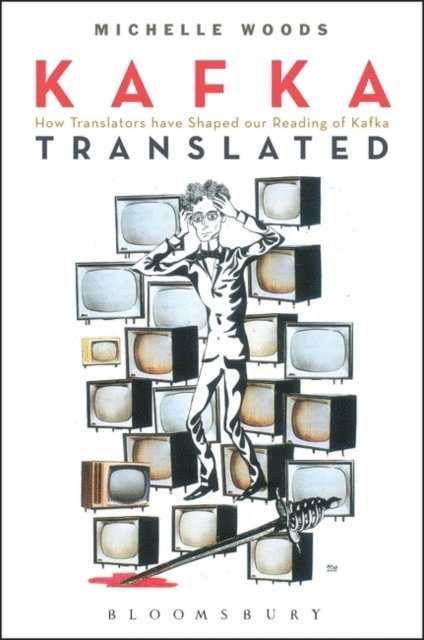
E-bok, Engelska, 2013
Kafka Translated
How Translators Have Shaped Our Reading of Kafka
520 kr
Läs direkt i Bokus Reader – eller ladda ned till din enhet (PDF kräver ofta zoom och scroll på små skärmar).
Beskrivning
Produktinformation
- Utgivningsdatum: 2013-11-07
- Språk: Engelska
- Antal sidor: 304
- Filformat: PDF
- Kopieringsskydd: LCP
- ISBN: 9781441133441
- Förlag: Bloomsbury Publishing PLC (Digital)
Utforska kategorier
Mer om författaren
Michelle Woods is Associate Professor of English at The State University of New York, New Paltz, USA. Previously she was Director of the Centre for Translation and Textual Studies at Dublin City University, Republic of Ireland. She is the author of Translating Milan Kundera (2006) and Censoring Translation: Censorship, Theatre, and the Politics of Translation (2012).
Recensioner i media
Though Kafka's language takes center stage in this insightful, well-researched book, Woods (former director, Centre for Translation and Textual Studies, Dublin City Univ., Ireland) Also provides a sustained analysis of the process of literary translation, putting the practice of literary translation into the service of textual criticism and interpretation. She compares the cultural and historical backgrounds of two of kafkas first translators, Milena Jesenka and Willa Muir, and contemporary translators, Mark Harman and Michael Hofmann, Transforming the polemics of competing or differing translations-what she calls the 'gotcha game' of finding errors- into positive dialectical process that yields refreshing insights into aspects of Kafka's writing. Woods is less interested in interpretive transgressions and infidelities to the source of texts than she is in exploring how supposed "mistakes can shed light on textual intricacies and interpretive resistance that confound Kafka's readers. Woods complements her literary analysis with an exemplary foray into the cinematic adaptation of Kafka work by focusing on controversial appropriations by such luminaries as Orson Welles, Federico Fellini, and Steven Soderbergh, who like their literary co-conspirators have shaped the way one reads and visualizes Kafka. Summing Up: Recommended. Graduate students, researchers, general readers.--
Betyg & recensioner
0 recensioner
Inga recensioner tillgängliga.