Mikkel Borch-Jacobsen - Böcker
Visar alla böcker från författaren Mikkel Borch-Jacobsen. Handla med fri frakt och snabb leverans.
10 produkter
10 produkter
1 289 kr
Tillfälligt slut
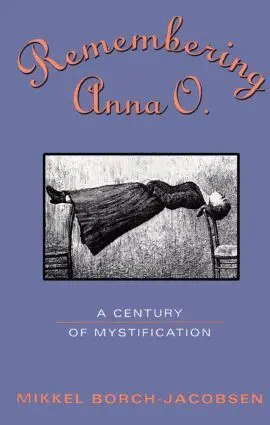
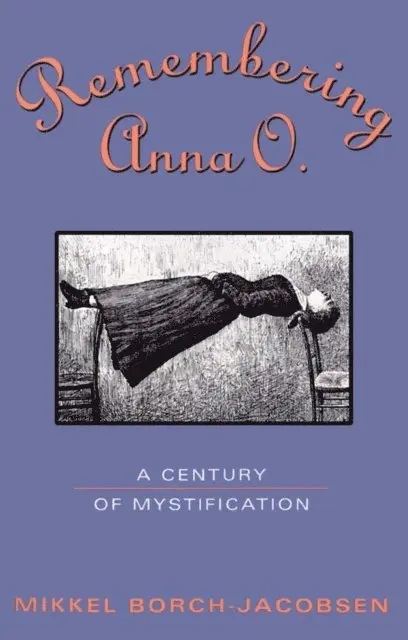
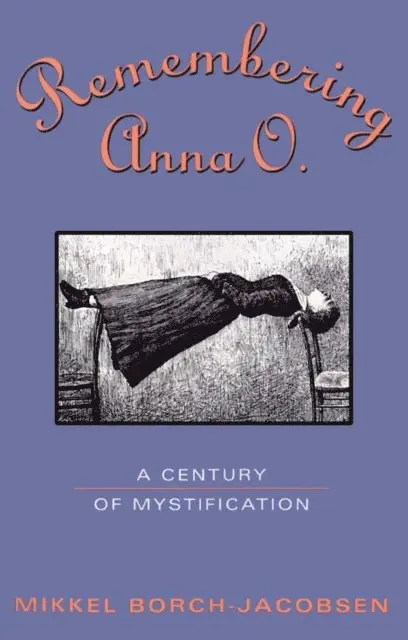
Remembering Anna O. offers a devastating examination of the very foundations of psychoanalytic theory and practice, which was born with the publication of Breuer and Freud's Studies on Hysteria in 1895. Breuer described the case of Anna O., a young woman afflicted with a severe hysteria whom he had cured of her symptoms by having her recount under hypnosis the traumatic events that precipitated her illness. Drawing on the most recent Freud scholarship and on long-secret documents, Borch-Jacobsen demonstrates, however, that Anna O. (Bertha Pappenheim) was never cured by Breuer's "talking cure" and that both Breuer and Freud knowingly falsified the historical record. Borch-Jacobsen points out the numerous inconsistencies in Breuer's account that suggests that Anna O.'s symptoms were simulated to meet Breuer's theoretical expectations and that her famed "reminiscences" were in fact fictitious memories induced by Breuer in the course of a hypnotic treatment.
523 kr
Skickas inom 10-15 vardagar
Remembering Anna O. offers a devastating examination of the very foundations of psychoanalytic theory and practice, which was born with the publication of Breuer and Freud's Studies on Hysteria in 1895. Breuer described the case of Anna O., a young woman afflicted with a severe hysteria whom he had cured of her symptoms by having her recount under hypnosis the traumatic events that precipitated her illness. Drawing on the most recent Freud scholarship and on long-secret documents, Borch-Jacobsen demonstrates, however, that Anna O. (Bertha Pappenheim) was never cured by Breuer's "talking cure" and that both Breuer and Freud knowingly falsified the historical record. Borch-Jacobsen points out the numerous inconsistencies in Breuer's account that suggests that Anna O.'s symptoms were simulated to meet Breuer's theoretical expectations and that her famed "reminiscences" were in fact fictitious memories induced by Breuer in the course of a hypnotic treatment.
1 011 kr
Skickas inom 7-10 vardagar
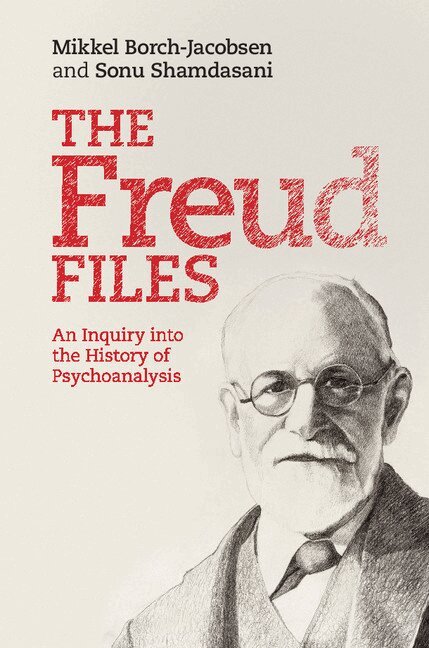
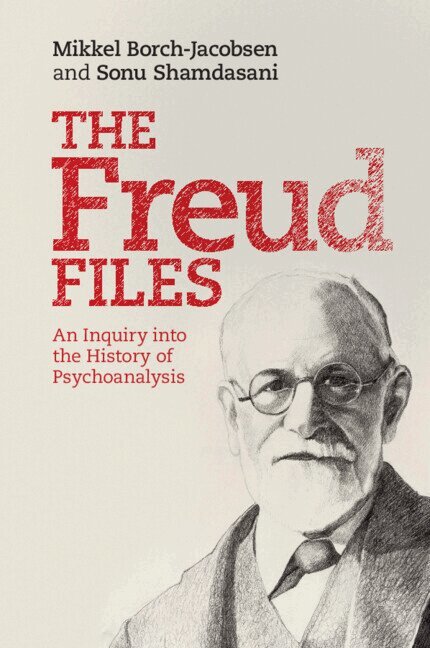
How did psychoanalysis attain its prominent cultural position? How did it eclipse rival psychologies and psychotherapies, such that it became natural to bracket Freud with Copernicus and Darwin? Why did Freud 'triumph' to such a degree that we hardly remember his rivals? This book reconstructs the early controversies around psychoanalysis and shows that rather than demonstrating its superiority, Freud and his followers rescripted history. This legend-making was not an incidental addition to psychoanalytic theory but formed its core. Letting the primary material speak for itself, this history demonstrates the extraordinary apparatus by which this would-be science of psychoanalysis installed itself in contemporary societies. Beyond psychoanalysis, it opens up the history of the constitution of the modern psychological sciences and psychotherapies, how they furnished the ideas which we have of ourselves and how these became solidified into indisputable 'facts'.
508 kr
Skickas inom 7-10 vardagar
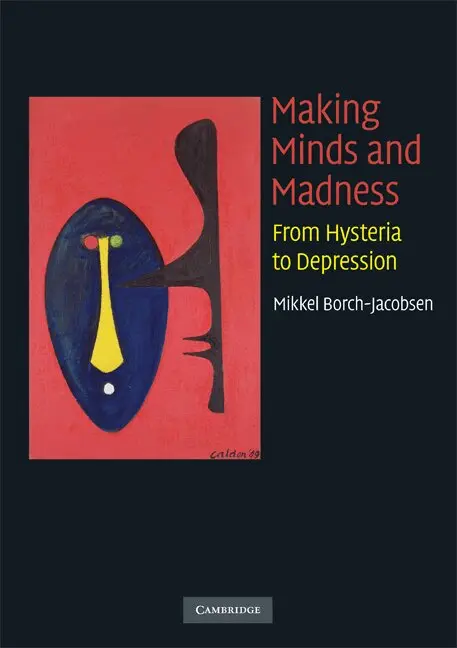
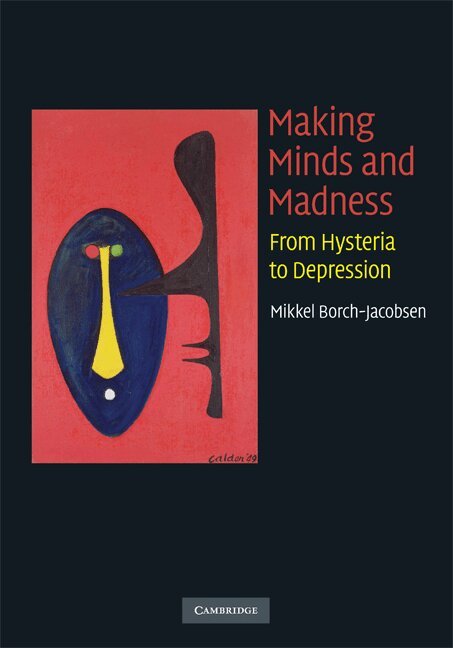
Why do 'maladies of the soul' such as hysteria, anxiety disorders, or depression wax and wane over time? Through a study of the history of psychiatry, Mikkel Borch-Jacobsen provocatively argues that most mental illnesses are not, in fact, diseases but the product of varying expectations shared and negotiated by therapists and patients. With a series of fascinating historical vignettes, stretching from Freud's creation of false memories of sexual abuse in his early hysterical patients to today's promotion and marketing of depression by drug companies, Making Minds and Madness offers a powerful critique of all the theories, such as psychoanalysis and biomedical psychiatry, that claim to discover facts about the human psyche while, in reality, producing them. Borch-Jacobsen proposes such objectivizing approaches should be abandoned in favor of a constructionist and relativist psychology that recognizes the artifactual and interactive character of psychic productions instead of attempting to deny or control it.
318 kr
Skickas inom 7-10 vardagar
How did psychoanalysis attain its prominent cultural position? How did it eclipse rival psychologies and psychotherapies, such that it became natural to bracket Freud with Copernicus and Darwin? Why did Freud 'triumph' to such a degree that we hardly remember his rivals? This book reconstructs the early controversies around psychoanalysis and shows that rather than demonstrating its superiority, Freud and his followers rescripted history. This legend-making was not an incidental addition to psychoanalytic theory but formed its core. Letting the primary material speak for itself, this history demonstrates the extraordinary apparatus by which this would-be science of psychoanalysis installed itself in contemporary societies. Beyond psychoanalysis, it opens up the history of the constitution of the modern psychological sciences and psychotherapies, how they furnished the ideas which we have of ourselves and how these became solidified into indisputable 'facts'.
762 kr
Skickas inom 7-10 vardagar
Why do 'maladies of the soul' such as hysteria, anxiety disorders, or depression wax and wane over time? Through a study of the history of psychiatry, Mikkel Borch-Jacobsen provocatively argues that most mental illnesses are not, in fact, diseases but the product of varying expectations shared and negotiated by therapists and patients. With a series of fascinating historical vignettes, stretching from Freud's creation of false memories of sexual abuse in his early hysterical patients to today's promotion and marketing of depression by drug companies, Making Minds and Madness offers a powerful critique of all the theories, such as psychoanalysis and biomedical psychiatry, that claim to discover facts about the human psyche while, in reality, producing them. Borch-Jacobsen proposes such objectivizing approaches should be abandoned in favor of a constructionist and relativist psychology that recognizes the artifactual and interactive character of psychic productions instead of attempting to deny or control it.
302 kr
Skickas inom 7-10 vardagar
A Stanford University Press classic.
1 031 kr
Skickas inom 7-10 vardagar
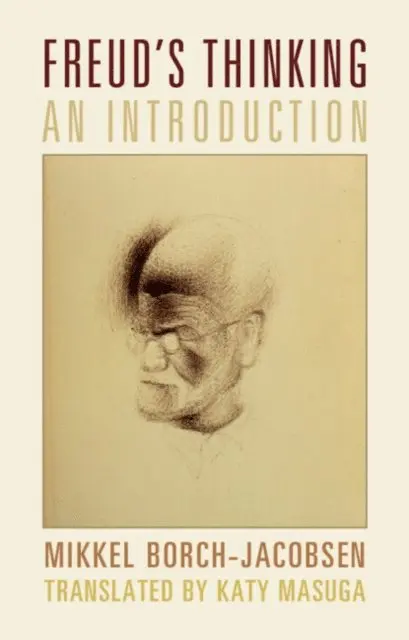
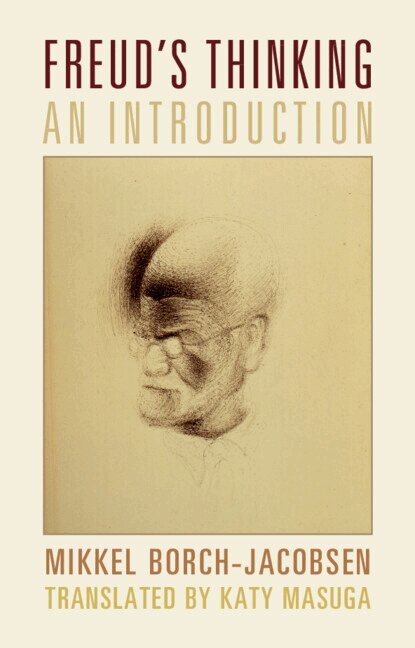
In this brief but comprehensive introduction to Freud's theories, Mikkel Borch-Jacobsen provides a step-by-step overview of his ideas regarding the unconscious, the cure, sexuality, drives, and culture, highlighting their indebtedness to contemporary neurophysiological and biological assumptions. The picture of Freud that emerges is very different from that of the fact-finding scientist he claimed to be. Bold conceptual innovations - repression, infantile sexuality, the Oedipus complex, narcissism, the death drive - were not discoveries made by Freud, but speculative constructs placed on clinical material to satisfy the requirements of the general theory of the mind and culture that he was building. Freud's Thinking provides a final accounting of this mirage of the mind that was psychoanalysis.
288 kr
Skickas inom 7-10 vardagar
In this brief but comprehensive introduction to Freud's theories, Mikkel Borch-Jacobsen provides a step-by-step overview of his ideas regarding the unconscious, the cure, sexuality, drives, and culture, highlighting their indebtedness to contemporary neurophysiological and biological assumptions. The picture of Freud that emerges is very different from that of the fact-finding scientist he claimed to be. Bold conceptual innovations - repression, infantile sexuality, the Oedipus complex, narcissism, the death drive - were not discoveries made by Freud, but speculative constructs placed on clinical material to satisfy the requirements of the general theory of the mind and culture that he was building. Freud's Thinking provides a final accounting of this mirage of the mind that was psychoanalysis.
235 kr
Skickas
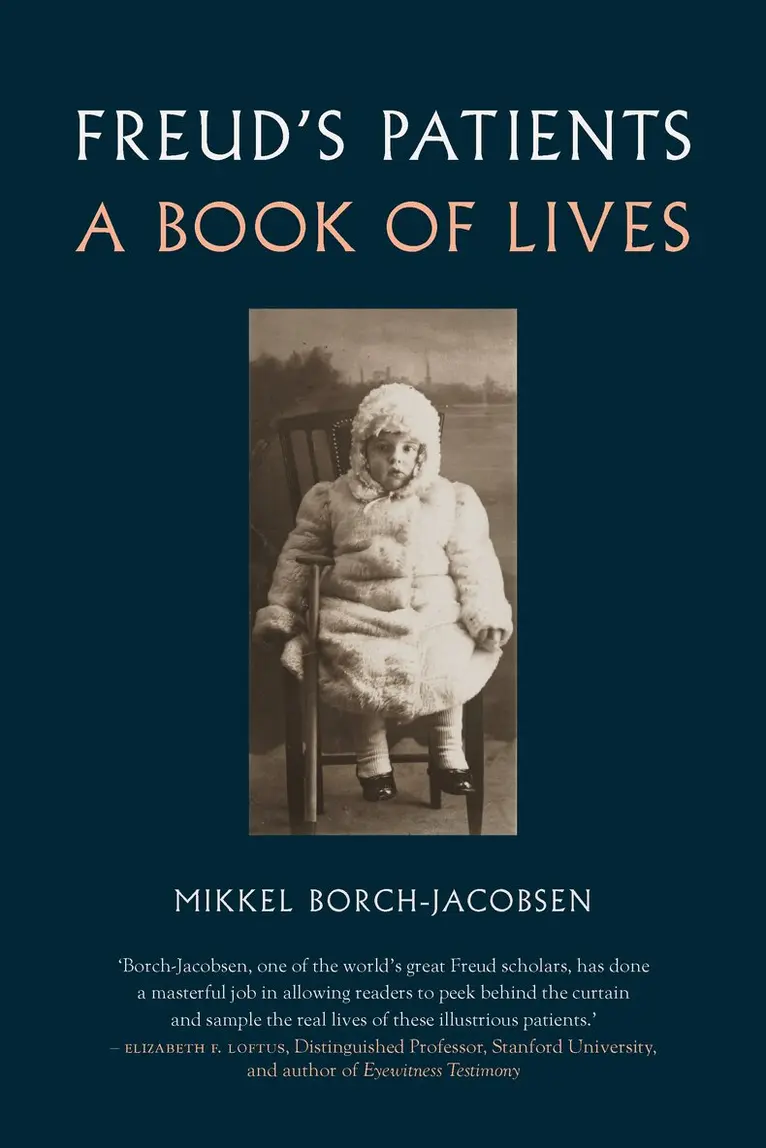
Everyone knows the characters described by Freud in his case histories: ‘Dora’, the ‘Rat Man’, the ‘Wolf Man’. But what do we know of the people, the lives behind these famous pseudonyms: Ida Bauer, Ernst Lanzer, Sergius Pankejeff? Do we know the circumstances that led them to Freud’s consulting-room, or how they fared – how they really fared – following their treatments?And what of those patients about whom Freud wrote nothing, or very little: Pauline Silberstein, who threw herself from the fourth floor of her analyst’s building; Elfriede Hirschfeld, Freud’s ‘grand-patient’ and ‘chief tormentor’; the fashionable architect Karl Mayreder; the psychotic millionaire Carl Liebmann; and so many others?In an absorbing sequence of portraits, Mikkel Borch-Jacobsen offers the stories of these men and women – some comic, many tragic, all of them deeply moving. In total, thirty-eight lives tell us as much about Freud’s clinical practice as his celebrated case studies, revealing too a darker and more complex Freud than is usually portrayed: the doctor as his patients, their friends and their families saw him.