Miranda Vickers – författare
Visar alla böcker från författaren Miranda Vickers. Handla med fri frakt och snabb leverans.
13 produkter
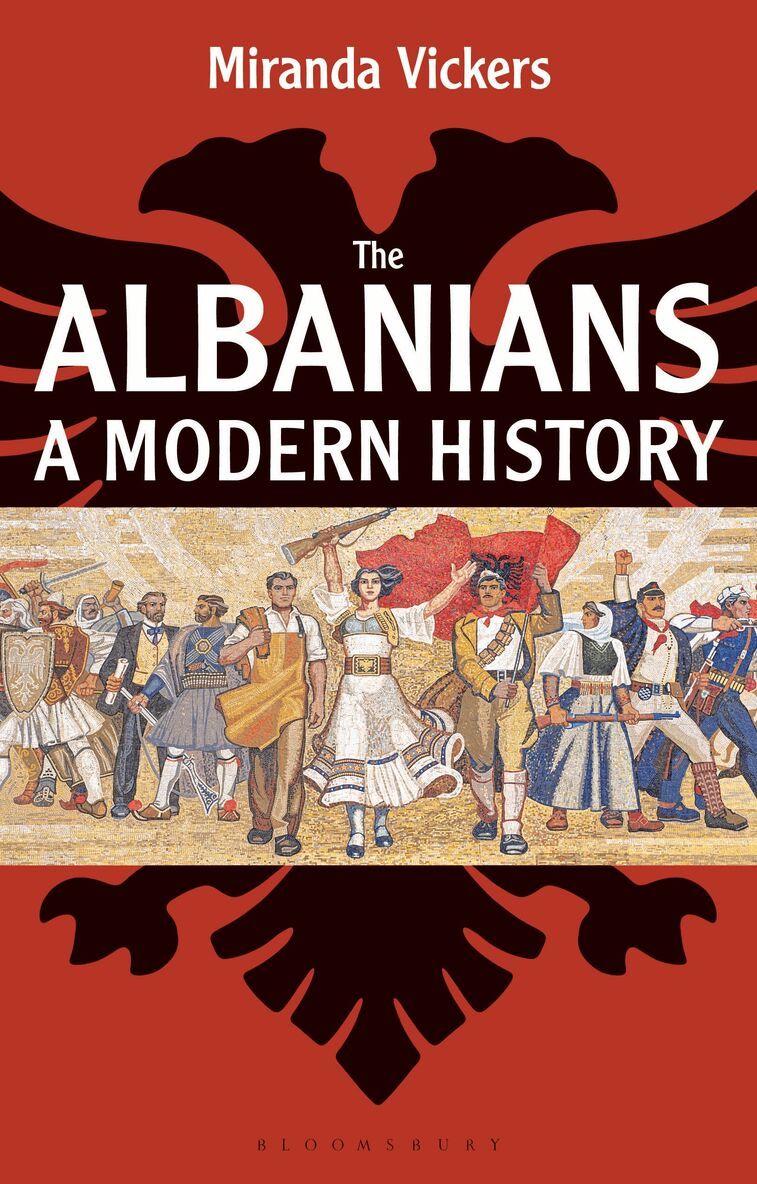
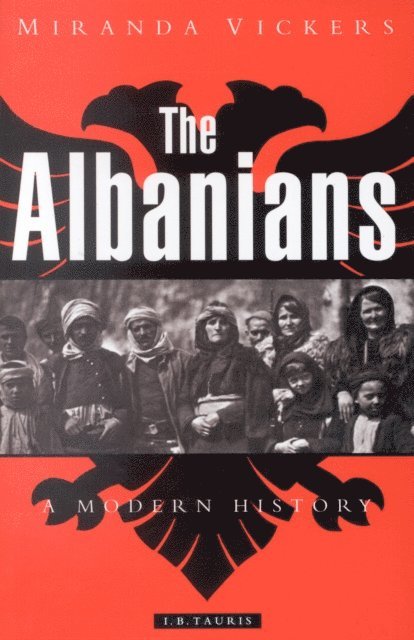
Albanians
A Modern History
Häftad, 2019
3,0 utav 5 stjärnor. Totalt antal röster: (1)
364 kr
Lägg i varukorg
This is the first full account of a country that, following decades of isolation, has undergone unprecedented changes to its political system: the collapse of communism, the progression to multi-party elections and the upheaval that followed the March 1997 uprising. Miranda Vickers traces the …
Eyots and Aits
Islands of the River Thames
Häftad, 2012
341 kr
Lägg i varukorg
For 10,000 years the River Thames meandered from source to sea, periodically throwing up mudbanks or carving parallel channels on the bends and creating islands along much of its length. There are around 180 islands altogether, some accessible by footbridge, some by road and others, like Pharaoh's …
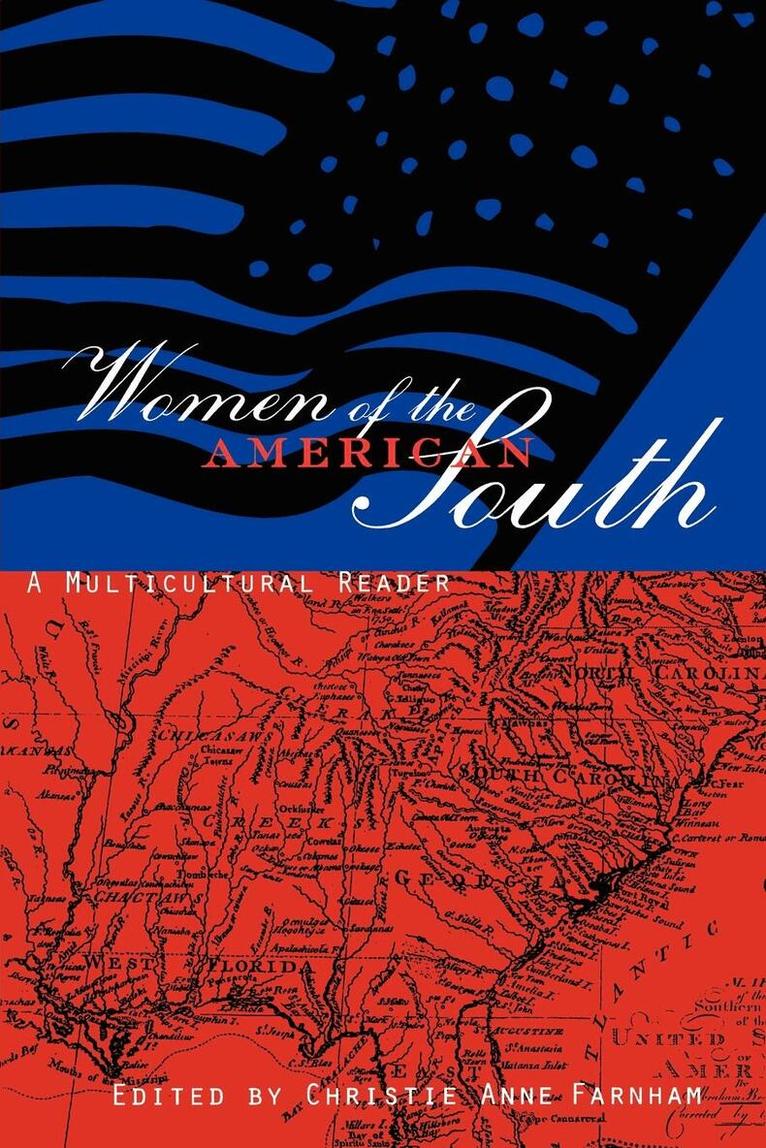
Women of the American South
A Multicultural Reader
Av Miranda Vickers, James Pettifer m. fl.
Häftad, 1997
439 kr
Lägg i varukorg
Among the most prominent icons of the American south is that of the southern belle, immortalized by such figures as Scarlett O'Hara, Dolly Madison, and Lucy Pickens (whose elegant image graced the Confederate $100 bill). And yet the women of America's south iave always defied pat generalization, no …
Albania
From Anarchy to Balkan Identity
Av Miranda Vickers, James Pettifer
Inbunden, 1997
1526 kr
Lägg i varukorg
Situated between Greece on the south, the former Yugoslavia on the north and east, and the Adriatic Sea on the west, Albania is the country the world forgot. Throughout this century, Albania has been perceived as primitive and isolationist by its neighbors to the west. When the country ended fifty …
Albania (with New Postscript)
From Anarchy to Balkan Identity
Av Miranda Vickers, James Pettifer
Häftad, 2000
487 kr
Lägg i varukorg
WITH A NEW POSTSCRIPT Situated between Greece on the south, the former Yugoslavia on the north and east, and the Adriatic Sea on the west, Albania is the country the world forgot. Throughout this century, Albania has been perceived as primitive and isolationist by its neighbors to the west. When …
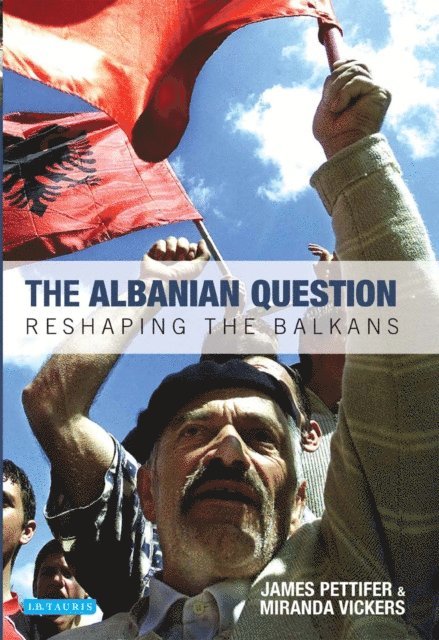
Albanian Question
Reshaping the Balkans
Av Miranda Vickers, James Pettifer
E-bok, 2006
409 kr
Lägg i varukorg
Kosovo's declaration of independence in 2008 - and the overt manipulation of this precedent by Russia in its war with Georgia and South Ossetia shortly afterwards - has focused the world's attention once again on the Balkans. But Albania's role within the region remains little known and less …
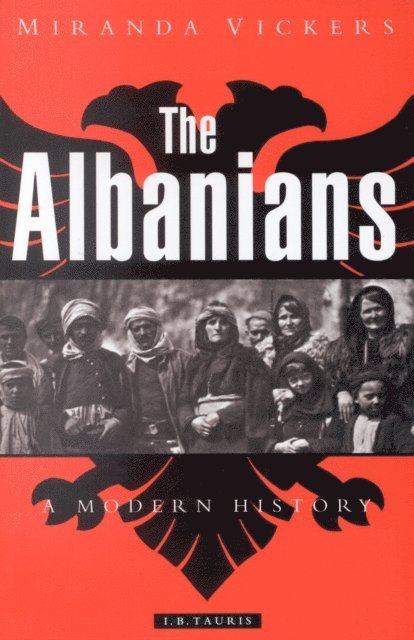
Albanians
A Modern History
E-bok, 2011
434 kr
Lägg i varukorg
This is the first full account of a country that, following decades of isolation, has undergone unprecedented changes to its political system: the collapse of communism, the progression to multi-party elections and the upheaval that followed the March 1997 uprising. Miranda Vickers traces the …
Albanians
A Modern History
E-bok, 2011
424 kr
Lägg i varukorg
This is the first full account of a country that, following decades of isolation, has undergone unprecedented changes to its political system: the collapse of communism, the progression to multi-party elections and the upheaval that followed the March 1997 uprising. Miranda Vickers traces the …
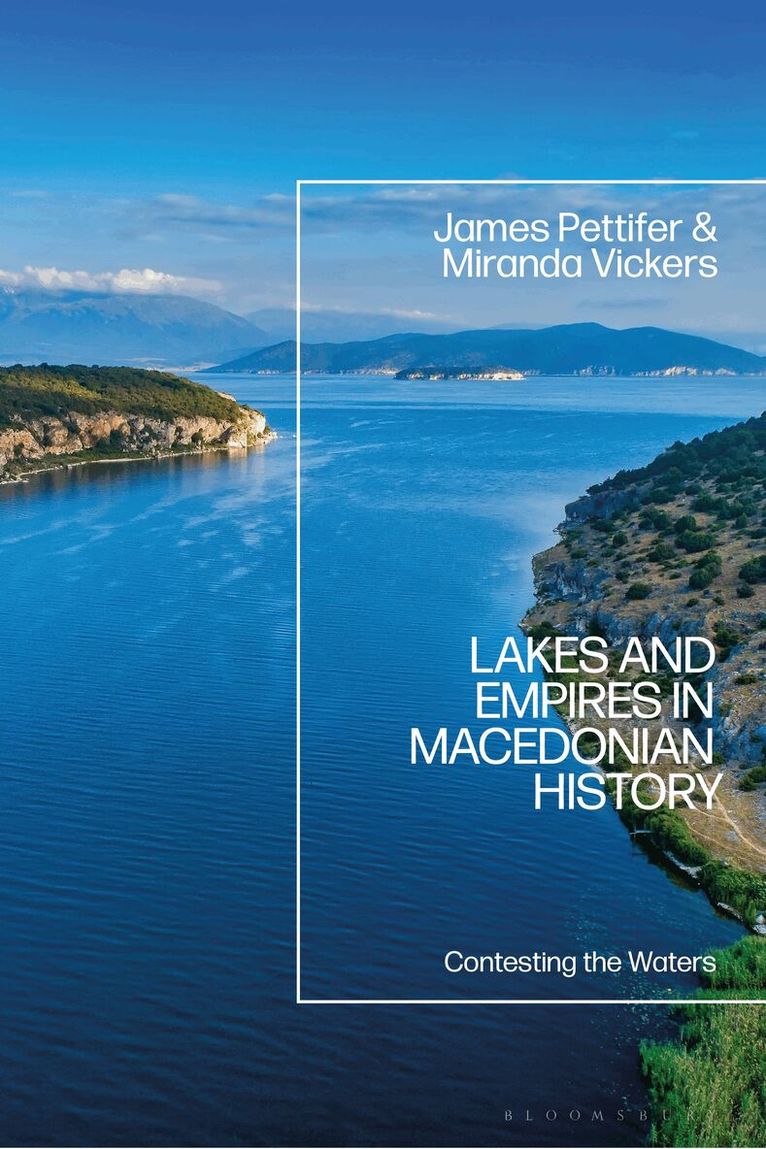
Lakes and Empires in Macedonian History
Contesting the Waters
Av James Pettifer, Miranda Vickers
Inbunden, 2021
1462 kr
Lägg i varukorg
Lakes and Empires in Macedonian History: Contesting the Waters tells the story of Psarades, a lakeside village in Macedonian Greece on the shores of the Prespa lake. This village, which is in many ways a completely typical Greek settlement and yet remains unconventional in its way of life, embodies …
Lakes and Empires in Macedonian History
Contesting the Waters
Av James Pettifer, Miranda Vickers
E-bok, 2021
482 kr
Lägg i varukorg
Lakes and Empires in Macedonian History: Contesting the Waters tells the story of Psarades, a lakeside village in Macedonian Greece on the shores of the Prespa lake. This village, which is in many ways a completely typical Greek settlement and yet remains unconventional in its way of life, embodies …
Lakes and Empires in Macedonian History
Contesting the Waters
Av James Pettifer, Miranda Vickers
E-bok, 2021
482 kr
Lägg i varukorg
Lakes and Empires in Macedonian History: Contesting the Waters tells the story of Psarades, a lakeside village in Macedonian Greece on the shores of the Prespa lake. This village, which is in many ways a completely typical Greek settlement and yet remains unconventional in its way of life, embodies …
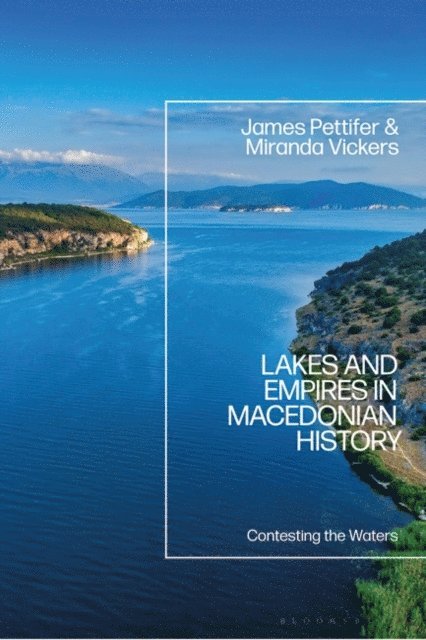
Lakes and Empires in Macedonian History
Contesting the Waters
Av James Pettifer, Miranda Vickers
Häftad, 2023
444 kr
Lägg i varukorg
Lakes and Empires in Macedonian History: Contesting the Waters tells the story of Psarades, a lakeside village in Macedonian Greece on the shores of the Prespa lake. This village, which is in many ways a completely typical Greek settlement and yet remains unconventional in its way of life, embodies …
Albanian Question
Reshaping the Balkans
Av Miranda Vickers, James Pettifer
Häftad, 2009
387 kr
Lägg i varukorg
Kosovoa's declaration of independence in 2008 and the overt manipulation of this precedent by Russia in its war with Georgia and South Ossetia shortly afterwards has focused the worlda's attention once again on the Balkans. But Albaniaa's role within the region remains little known and less …