James Pettifer – författare
Visar alla böcker från författaren James Pettifer. Handla med fri frakt och snabb leverans.
20 produkter
20 produkter
E-bok
Engelska, 2012111 kr
Läs direkt efter köp
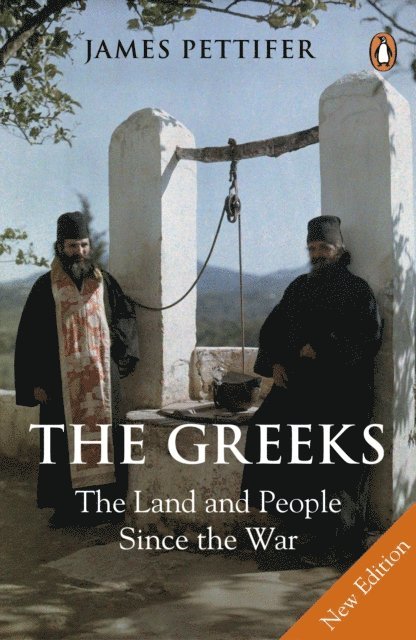
Our perception of Greece conjures up many potent images: an ancient civilization brought alive by fable, hillsides dotted with sunbaked villages, lazy beaches lapped by crystal blue waters, the warmth and humour of its people. Yet if we look behind the picture-postcard imagery, the painful contradictions of the country begin to emerge. James Pettifer's classic text on Greece, now revised and updated with extensive new material, argues that it is vital to understand this country's present by looking at the far-reaching effects of its troubled past. He surveys the roots of Greek social, economic and political realities with intelligence and convincing clarity.
E-bok
Engelska, 201239 kr
Läs direkt efter köp
Penguin Specials are designed to fill a gap. Written to be read over a long commute or a short journey, they are original and exclusively in digital form.The financial and social crisis in Greece has deep roots in the country's society and history. In this newly revised edition James Pettifer, the leading Balkan commentator and Oxford University historian brings us up to date with recent events in Greece. He explores the reasons for Greece's current situation, tracing the deep fissures caused by unresolved issues dating back to the Second World War, Greece's often difficult relationships with Turkey and the Balkan neighbours to the north, and its problematic position in the European Union. In 1981, Greece became the tenth member of what was then the European Economic Community, and for a time seemed to be making good progress in democratisation and economic development. Now that achievement is at serious risk.The author has extensive experience in Greece dating back to the time of the Colonels dictatorship in the early 1970s and its bitter aftermath. The Making of the Greek Crisis sets the scene for the country's intractable financial crisis and associated conflict with the European Union institutions in Brussels, and explains the practical, difficult choices facing the Greek people at this important turning point in their history.
Häftad, Engelska, 1997
431 kr
Skickas inom 5-8 vardagar
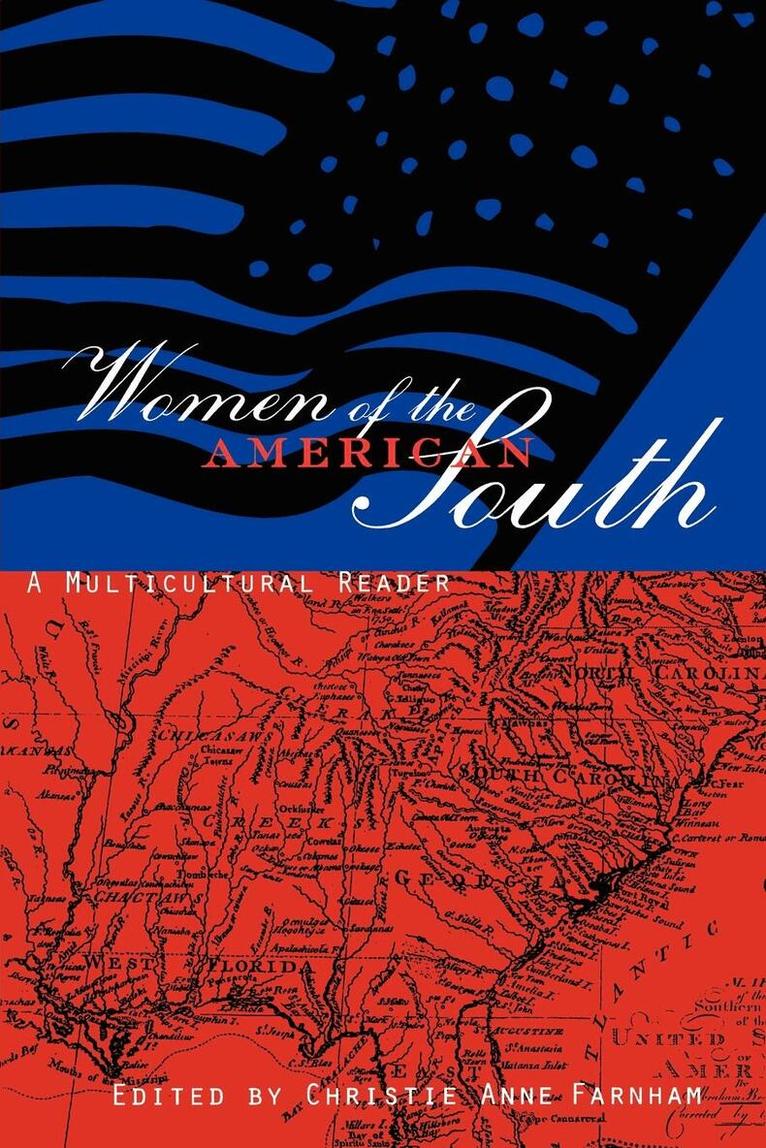
Among the most prominent icons of the American south is that of the southern belle, immortalized by such figures as Scarlett O'Hara, Dolly Madison, and Lucy Pickens (whose elegant image graced the Confederate $100 bill). And yet the women of America's south iave always defied pat generalization, no more readily forced into facle categories than women in the country's other regions.Never before has a book of southern history so successfully integrated the experiences of white and non-white women. Among the myriad subjects addressed in the book are black women's suffrage, the economic realities of Choctaw women, female kin and female slaves in planters's wills, the northern myth of the rebel girl, second wave feminism in the South, and southern lesbians. Bringing to light the lives of Cherokee women, Appalachian "coal daughters," and Jewish women in the South, the essays all but one published in this book for the first time, ensure that monolithic representations of southern womanhood are a thing of the past.Filling a crucial gap in southern history and women's history, Women of the American South is a valuable reference and pedagogical aid for a wide range of scholars and students.
Inbunden, Engelska, 1997
1 482 kr
Skickas inom 5-8 vardagar
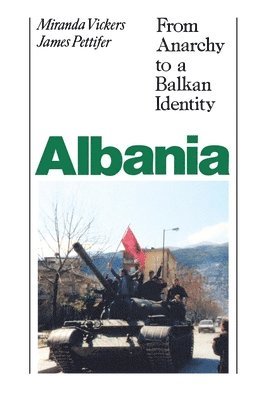
Situated between Greece on the south, the former Yugoslavia on the north and east, and the Adriatic Sea on the west, Albania is the country the world forgot. Throughout this century, Albania has been perceived as primitive and isolationist by its neighbors to the west. When the country ended fifty years of communist rule in 1992, few outsiders took interest. Deemed unworthy of membership in the European Union and overlooked by multinational corporations, Albania stands today as one of the poorest and most ignored countries in Europe. Miranda Vickers and James Pettifer take us behind the veil of former President Enver Hoxha's isolationist policies to examine the historic events leading up to Albania's transition to a parliamentary government. Beginning with Hoxha's death in 1985, Albania traces the last decade of Albania's shaky existence, from the anarchy and chaos of the early nineties to the victory of the Democratic Alliance in 1992 and the programs of the current government.The authors provide us with an analysis of how the moral, religious, economic, political and cultural identity of the Albanian people is being redefined, and leave no question that the future of Albania is inextricably linked to the future of the Balkans as a whole. In short, they tell us why Albania matters.
Häftad, Engelska, 2000
473 kr
Skickas inom 5-8 vardagar
WITH A NEW POSTSCRIPT Situated between Greece on the south, the former Yugoslavia on the north and east, and the Adriatic Sea on the west, Albania is the country the world forgot. Throughout this century, Albania has been perceived as primitive and isolationist by its neighbors to the west. When the country ended fifty years of communist rule in 1992, few outsiders took interest. Deemed unworthy of membership in the European Union and overlooked by multinational corporations, Albania stands today as one of the poorest and most ignored countries in Europe. Miranda Vickers and James Pettifer take us behind the veil of former President Enver Hoxha's isolationist policies to examine the historic events leading up to Albania's transition to a parliamentary government. Beginning with Hoxha's death in 1985, Albania traces the last decade of Albania's shaky existence, from the anarchy and chaos of the early nineties to the victory of the Democratic Alliance in 1992 and the programs of the current government.The authors provide us with an analysis of how the moral, religious, economic, political and cultural identity of the Albanian people is being redefined, and leave no question that the future of Albania is inextricably linked to the future of the Balkans as a whole. In short, they tell us why Albania matters.
E-bok
PDF, Engelska, 2006405 kr
Läs direkt efter köp
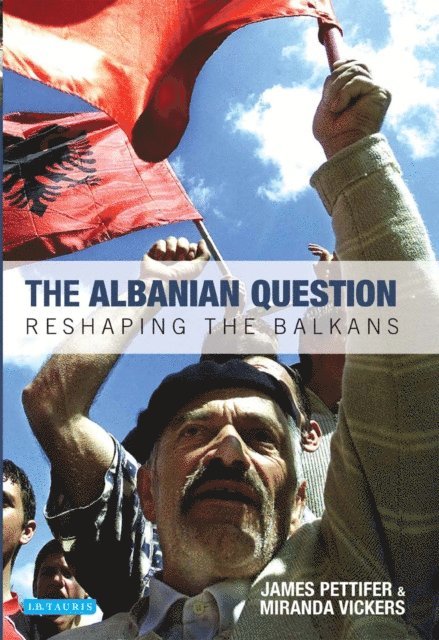
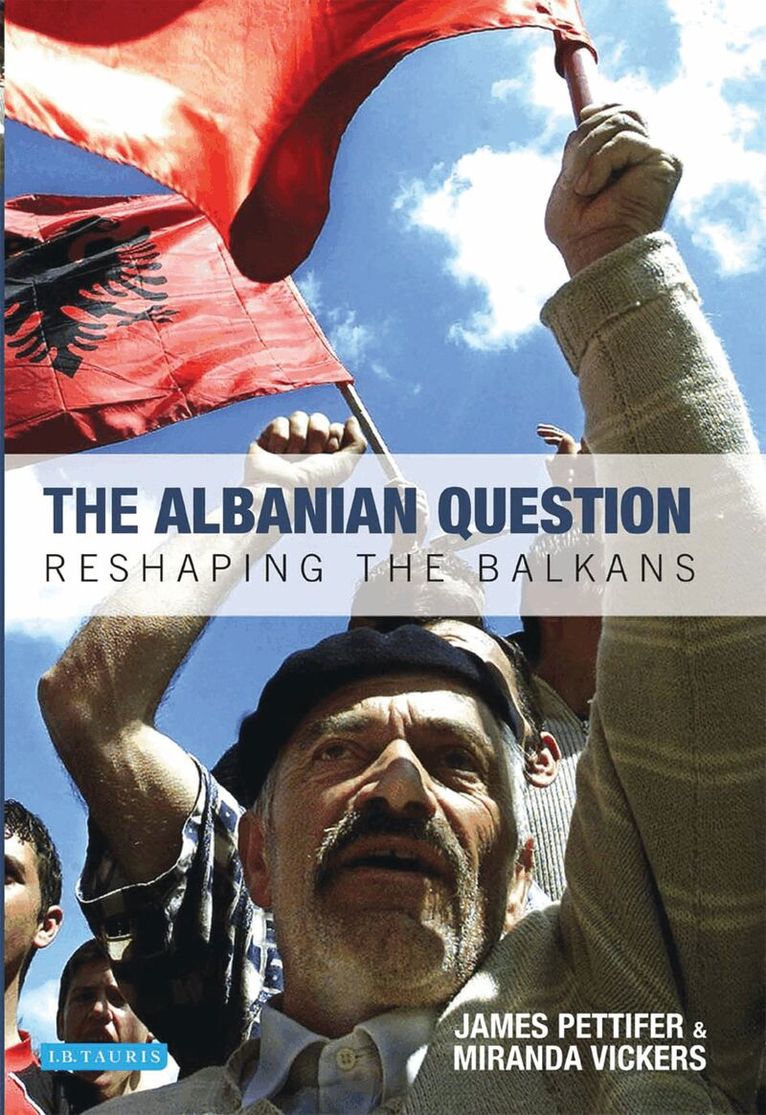
Kosovo's declaration of independence in 2008 - and the overt manipulation of this precedent by Russia in its war with Georgia and South Ossetia shortly afterwards - has focused the world's attention once again on the Balkans. But Albania's role within the region remains little known and less understood. In this revised edition of a major work of contemporary history, two well-known and internationally-respected authorities elucidate Albania's place in the Balkans, from the explosion of violence in the 1990s, which brought the country to the brink of civil war, to the present day. Since 1997, the Albanian region has been forced simultaneously to come to terms with the realities of a post-Communist world and the threat of Slobodan Milosevic's 'Greater Serbia' project. Its people, the authors, argue are involved in the process of national self-emancipation: the re-establishment of free markets and ending of Communist border controls have renewed long dormant cultural and economic links between the Albanian people and the wider region.The future of the Albanians in the Balkans is the most pressing issue in the region today, a fact which the West must pay close heed to if this long neglected nation is to become a European partner. Indeed, the authors argue, in this rapidly evolving political climate, failure to come to terms with the importance of the Albanian question could return the region as a whole to armed conflict.
E-bok
PDF, Engelska, 2015530 kr
Läs direkt efter köp
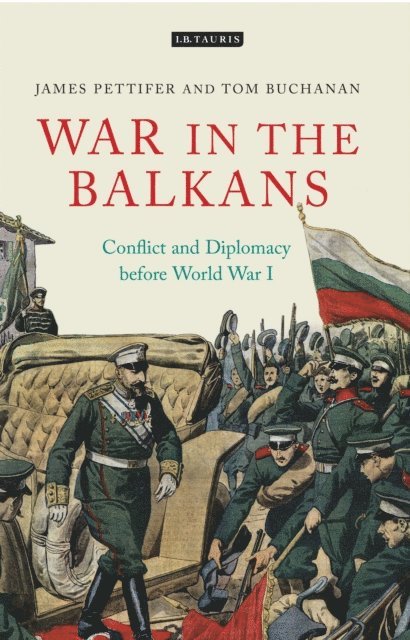
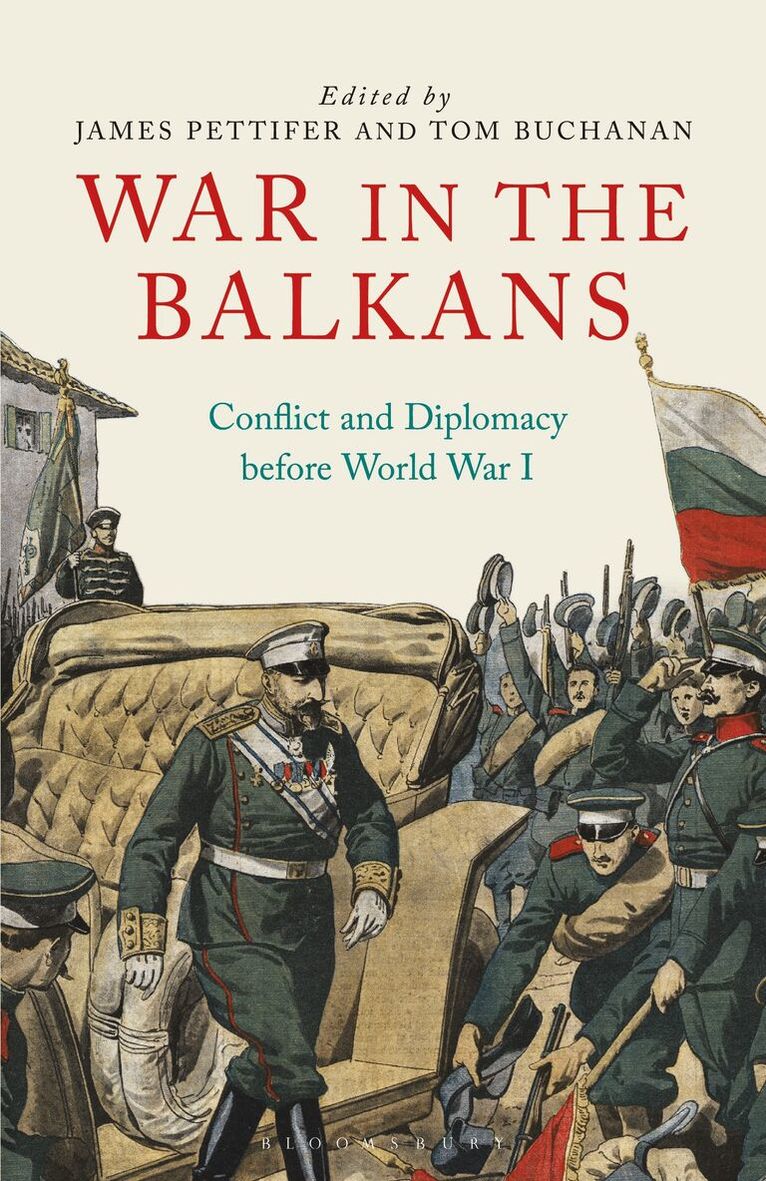
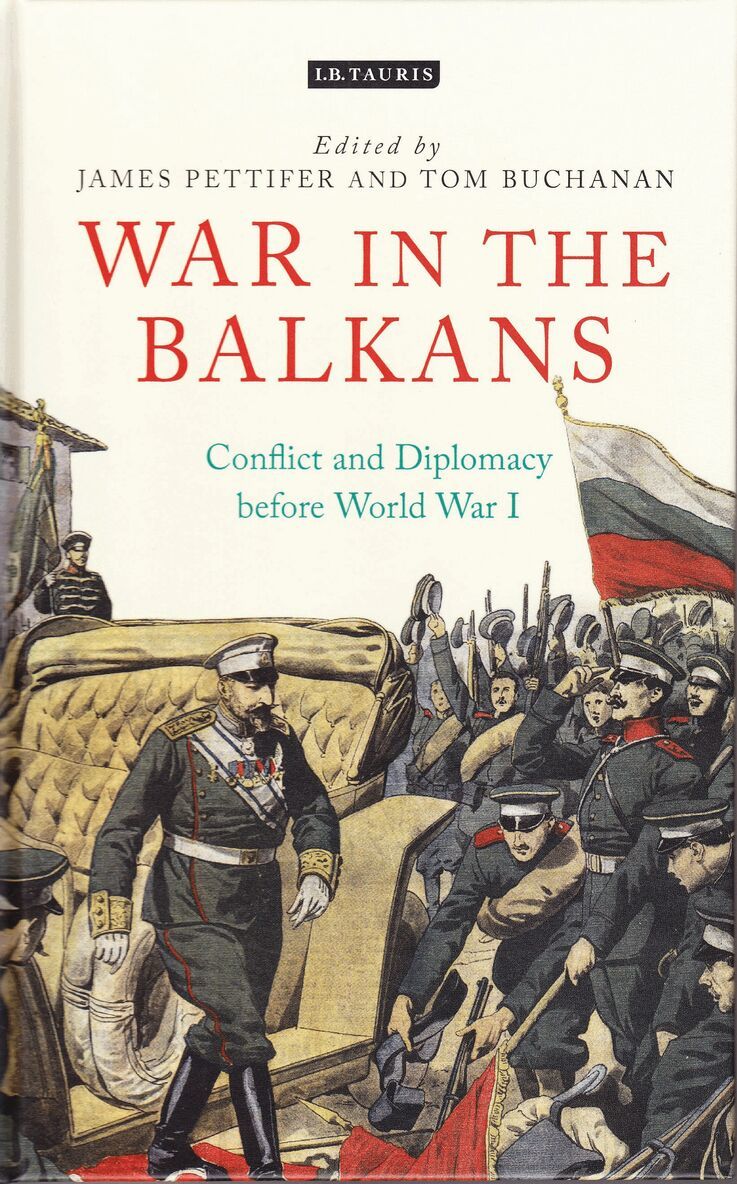
The history of the Balkans incorporates all the major historical themes of the 20th Century--the rise of nationalism, communism and fascism, state-sponsored genocide and urban warfare. Focusing on the centuries opening decades, War in the Balkans seeks to shed new light on the Balkan Wars through approaching each regional and ethnic conflict as a separate actor, before placing them in a wider context. Although top-down 'Great Powers' historiography is often used to describe the beginnings of the World War I, not enough attention has been paid to the events in the region in the years preceding the Archduke Ferdinand's assassination. The Balkan Wars saw the defeat of the Ottoman Empire, the end of the Bulgarian Kingdom (then one of the most powerful military countries in the region), an unprecedented hardening of Serbian nationalism, the swallowing up of Slovenes, Croats and Slovaks in a larger Balkan entity, and thus set in place the pattern of border realignments which would become familiar for much of the twentieth century.
E-bok
Engelska, 2015530 kr
Läs direkt efter köp
The history of the Balkans incorporates all the major historical themes of the 20th Century--the rise of nationalism, communism and fascism, state-sponsored genocide and urban warfare. Focusing on the centuries opening decades, War in the Balkans seeks to shed new light on the Balkan Wars through approaching each regional and ethnic conflict as a separate actor, before placing them in a wider context. Although top-down 'Great Powers' historiography is often used to describe the beginnings of the World War I, not enough attention has been paid to the events in the region in the years preceding the Archduke Ferdinand's assassination. The Balkan Wars saw the defeat of the Ottoman Empire, the end of the Bulgarian Kingdom (then one of the most powerful military countries in the region), an unprecedented hardening of Serbian nationalism, the swallowing up of Slovenes, Croats and Slovaks in a larger Balkan entity, and thus set in place the pattern of border realignments which would become familiar for much of the twentieth century.
Häftad, Engelska, 2020
494 kr
Skickas inom 10-15 vardagar
The history of the Balkans incorporates all the major historical themes of the 20th Century--the rise of nationalism, communism and fascism, state-sponsored genocide and urban warfare. Focusing on the centuries opening decades, War in the Balkans seeks to shed new light on the Balkan Wars through approaching each regional and ethnic conflict as a separate actor, before placing them in a wider context. Although top-down 'Great Powers' historiography is often used to describe the beginnings of the World War I, not enough attention has been paid to the events in the region in the years preceding the Archduke Ferdinand's assassination. The Balkan Wars saw the defeat of the Ottoman Empire, the end of the Bulgarian Kingdom (then one of the most powerful military countries in the region), an unprecedented hardening of Serbian nationalism, the swallowing up of Slovenes, Croats and Slovaks in a larger Balkan entity, and thus set in place the pattern of border realignments which would become familiar for much of the twentieth century.
Inbunden, Engelska, 2021
1 440 kr
Skickas inom 10-15 vardagar
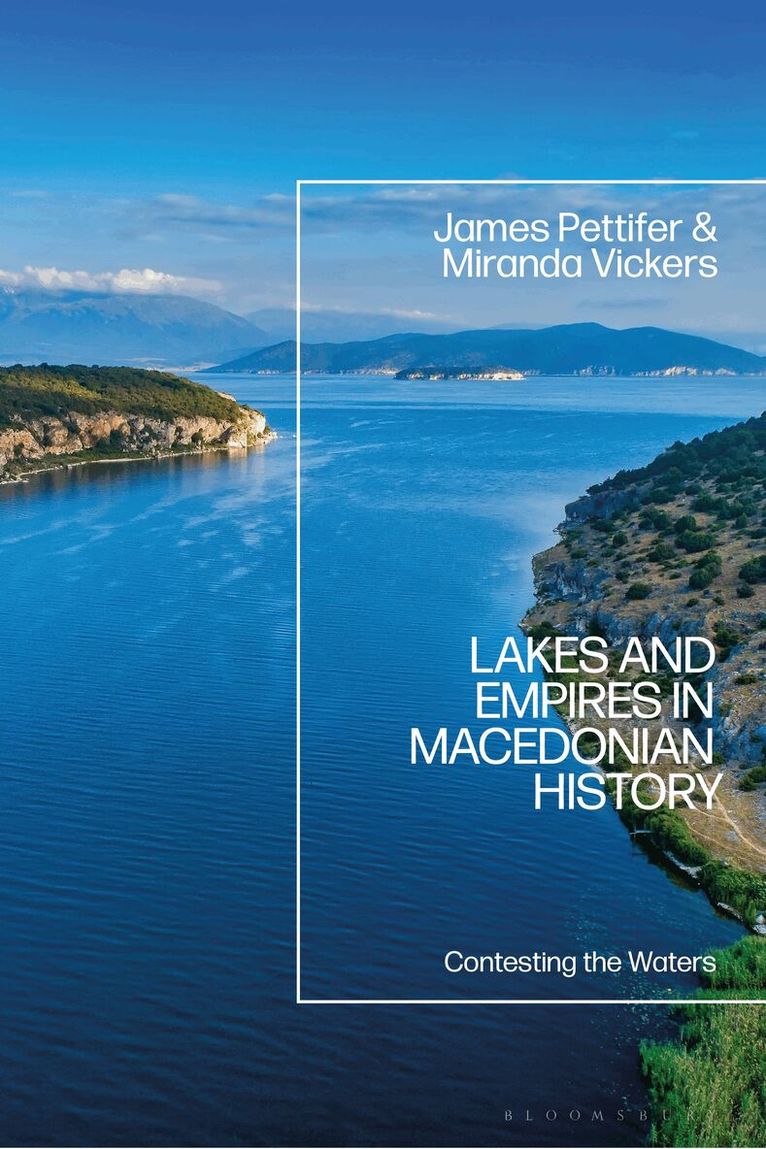
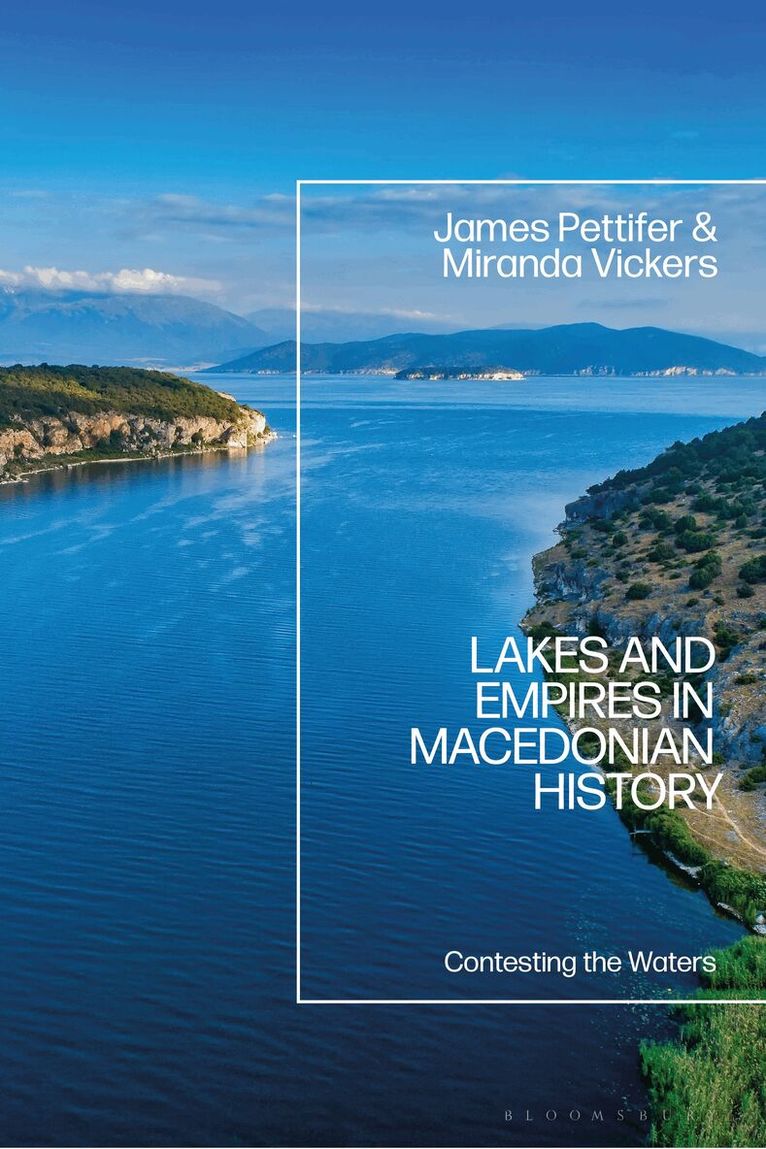
Lakes and Empires in Macedonian History: Contesting the Waters tells the story of Psarades, a lakeside village in Macedonian Greece on the shores of the Prespa lake. This village, which is in many ways a completely typical Greek settlement and yet remains unconventional in its way of life, embodies the many contradictions of modern history and in exploring its roots James Pettifer and Miranda Vickers skilfully uncover the wider social, cultural and political history of this lake region.Drawing from oral testimonies and attentive to the construction of national histories, this book considers how the development of international borders, movement of people and role of national identities within imperial borderlands shaped Macedonia today. What is more, by centering the lakes and making use of an innovative environmental historical methodology, Pettifer and Vickers offer the first environmental history of this multi-ethnic borderland region shared by Greece, North Macedonia and Albania. The result is a nuanced and sophisticated transnational account of Macedonia from prehistory to the 21st century which will be essential reading for all Balkan scholars.
E-bok
PDF, Engelska, 2021468 kr
Läs direkt efter köp
Lakes and Empires in Macedonian History: Contesting the Waters tells the story of Psarades, a lakeside village in Macedonian Greece on the shores of the Prespa lake. This village, which is in many ways a completely typical Greek settlement and yet remains unconventional in its way of life, embodies the many contradictions of modern history and in exploring its roots James Pettifer and Miranda Vickers skilfully uncover the wider social, cultural and political history of this lake region.Drawing from oral testimonies and attentive to the construction of national histories, this book considers how the development of international borders, movement of people and role of national identities within imperial borderlands shaped Macedonia today. What is more, by centering the lakes and making use of an innovative environmental historical methodology, Pettifer and Vickers offer the first environmental history of this multi-ethnic borderland region shared by Greece, North Macedonia and Albania. The result is a nuanced and sophisticated transnational account of Macedonia from prehistory to the 21st century which will be essential reading for all Balkan scholars.
E-bok
Engelska, 2021468 kr
Läs direkt efter köp
Lakes and Empires in Macedonian History: Contesting the Waters tells the story of Psarades, a lakeside village in Macedonian Greece on the shores of the Prespa lake. This village, which is in many ways a completely typical Greek settlement and yet remains unconventional in its way of life, embodies the many contradictions of modern history and in exploring its roots James Pettifer and Miranda Vickers skilfully uncover the wider social, cultural and political history of this lake region.Drawing from oral testimonies and attentive to the construction of national histories, this book considers how the development of international borders, movement of people and role of national identities within imperial borderlands shaped Macedonia today. What is more, by centering the lakes and making use of an innovative environmental historical methodology, Pettifer and Vickers offer the first environmental history of this multi-ethnic borderland region shared by Greece, North Macedonia and Albania. The result is a nuanced and sophisticated transnational account of Macedonia from prehistory to the 21st century which will be essential reading for all Balkan scholars.
Häftad, Engelska, 2023
437 kr
Skickas inom 10-15 vardagar
Lakes and Empires in Macedonian History: Contesting the Waters tells the story of Psarades, a lakeside village in Macedonian Greece on the shores of the Prespa lake. This village, which is in many ways a completely typical Greek settlement and yet remains unconventional in its way of life, embodies the many contradictions of modern history and in exploring its roots James Pettifer and Miranda Vickers skilfully uncover the wider social, cultural and political history of this lake region.Drawing from oral testimonies and attentive to the construction of national histories, this book considers how the development of international borders, movement of people and role of national identities within imperial borderlands shaped Macedonia today. What is more, by centering the lakes and making use of an innovative environmental historical methodology, Pettifer and Vickers offer the first environmental history of this multi-ethnic borderland region shared by Greece, North Macedonia and Albania. The result is a nuanced and sophisticated transnational account of Macedonia from prehistory to the 21st century which will be essential reading for all Balkan scholars.
Inbunden, Engelska, 2007
2 302 kr
Skickas inom 3-6 vardagar
It has long been a common place of Balkan Studies and historical writing about the Balkans to state that religion is often a major factor in conflicts. Some contemporary authors have seen it as the decisive factor. In the context of the bloody debacle of the wars of the 1990’s in ex-Yugoslavia which was analysed as a conflict between Roman Catholic Croatia and Orthodox Serbia, or the Bosnian war in terms of re-emerging Islam. The longstanding reputation of Albania and Albanians for tolerance in religious matters is important, and deserves scholarly study and debate. In the period of the emergence of Albania from the chaos and turmoil of the 1989-1992 period and the end of the one-party state, the main priority for Albanians was the reestablishment of religion in Albania after the years of enforced atheism under the Hoxha regime. In the main this process went very well, with a successful programme of church and mosque construction taking place. This publication illuminates the background to this emerging and complex religious culture in Albania and also touches upon subjects of importance in relevant neighbouring nations (Greece and Montenegro). It includes papers by a number of prominent local scholars, and invited foreign experts on Albania and its history.
Inbunden, Engelska, 2015
2 013 kr
Skickas inom 10-15 vardagar
The history of the Balkans incorporates all the major historical themes of the 20th Century--the rise of nationalism, communism and fascism, state-sponsored genocide and urban warfare. Focusing on the centuries opening decades, War in the Balkans seeks to shed new light on the Balkan Wars through approaching each regional and ethnic conflict as a separate actor, before placing them in a wider context. Although top-down 'Great Powers' historiography is often used to describe the beginnings of the World War I, not enough attention has been paid to the events in the region in the years preceding the Archduke Ferdinand's assassination. The Balkan Wars saw the defeat of the Ottoman Empire, the end of the Bulgarian Kingdom (then one of the most powerful military countries in the region), an unprecedented hardening of Serbian nationalism, the swallowing up of Slovenes, Croats and Slovaks in a larger Balkan entity, and thus set in place the pattern of border realignments which would become familiar for much of the twentieth century.
Häftad, Engelska, 2009
380 kr
Skickas inom 10-15 vardagar
Kosovoa's declaration of independence in 2008 and the overt manipulation of this precedent by Russia in its war with Georgia and South Ossetia shortly afterwards has focused the worlda's attention once again on the Balkans. But Albaniaa's role within the region remains little known and less understood. In this revised edition of a major work of contemporary history, two well-known and internationally-respected authorities elucidate Albania's place in the Balkans, from the explosion of violence in the 1990s, which brought the country to the brink of civil war, to the present day. The future of the Albanians in the Balkans is the most pressing issue in the region today, a fact which the West must pay close heed to if this long neglected nation is to become a European partner. Indeed, the authors argue, in this rapidly evolving political climate, failure to come to terms with the importance of the Albanian question could return the region as a whole to armed conflict.
Häftad, Engelska, 2006
442 kr
Skickas inom 5-8 vardagar
Häftad, Engelska, 2001
381 kr
Skickas inom 5-8 vardagar
Häftad, Engelska, 2022
160 kr
Tillfälligt slut
The Oxford academic and foreign correspondent James Pettifer has been an international authority on and historian of modern Greece and its Balkan neighbours for over thirty years. At the same time, he has been an eye-witness to many of the events that led to the ex-Yugoslav Wars. This book, bringing together some of his most important papers and reports, explores the evolution of the Macedonian crisis, the chaos and anarchy in Albania linked to the war in Kosovo, and the recent debt crisis in Greece. It also analyses the region's turbulent history with seminal papers on historiography and the evolution of British foreign policy towards Greece and the wider region in the twentieth century, the nature of Montenegrin identity at the time of independence, and the changing role of Albania in the Balkans. The key paper on the emergence of the New Macedonian Question, which has set the parameters for all later analysis, is also included in this collectionThe end of the Cold War after 1990 was expected to herald an era of stability and liberal democratic development, but in reality the Southern Balkans have experienced intermittent crises during these years, from the implosion of impoverished Albania and the gradual collapse of Yugoslavia into fragmentation and violent conflict, to the chain of events in Greece that led to the post-2010 financial crisis and the ensuing imposition of international control over the economy. These issues have emerged against the background of deteriorating relations with Turkey and an alarming climate of militarization and instability throughout the Eastern Mediterranean. This collection, which includes material hitherto difficult to access, will be an essential tool for all students of the history, international relations and contemporary politics of an increasingly critical region on the interface of Europe and the Middle East.
Häftad, Engelska, 2014
312 kr
Tillfälligt slut
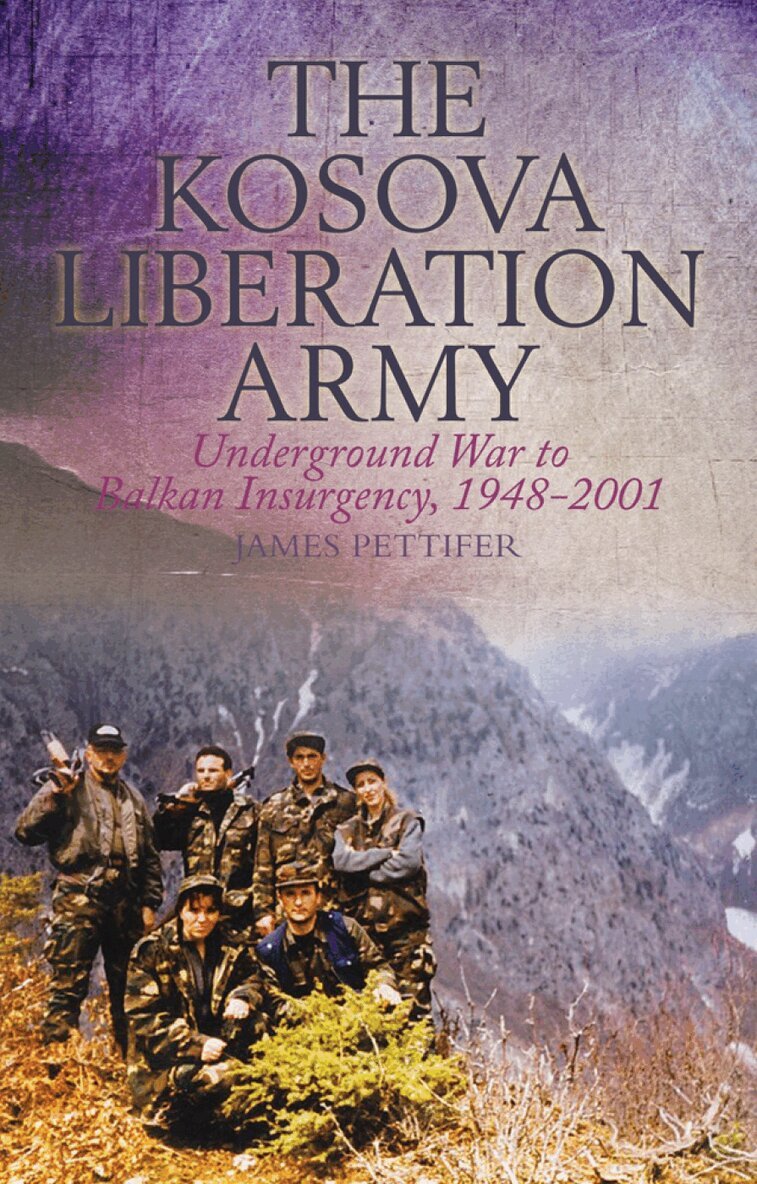
The Kosova Liberation Army (KLA) was the first successful insurgent movement in Europe since the Second World War. In the struggle against Milosevic's Serbia it developed from a tiny group in the Swiss political underground in the 1980s to an 18,000 strong military force that was allied with NATO between 1997 and 1999. The KLA drew on deep historical traditions of resistance to Serbian rule in Kosova, but in other respects was highly innovative and was the first postmodern insurgency for which the image it carried in the media was almost as important as its achievements in the campaign. In this ground-breaking and innovative history, James Pettifer traces the development of the force using previously unknown documents from Russian, American, Serbian and Swiss archives, numerous interviews with participants and observers, and eye-witness material. The book focuses in particular depth on the work of the KLA leaders in secret organisations prior to the war, and how Milosevic misunderstood the nature of the opponent he was facing. This also applied to many NATO nations, who often saw the unique Kosova struggle as an extension of the earlier Bosnian and Croatian conflicts. James Pettifer draws on years of study of the region and personal knowledge of many of the KLA and other leaders involved to write what will become the standard account of the origins of the conflict.