Miriam Udel - Böcker
Visar alla böcker från författaren Miriam Udel. Handla med fri frakt och snabb leverans.
3 produkter
3 produkter
332 kr
Skickas inom 7-10 vardagar
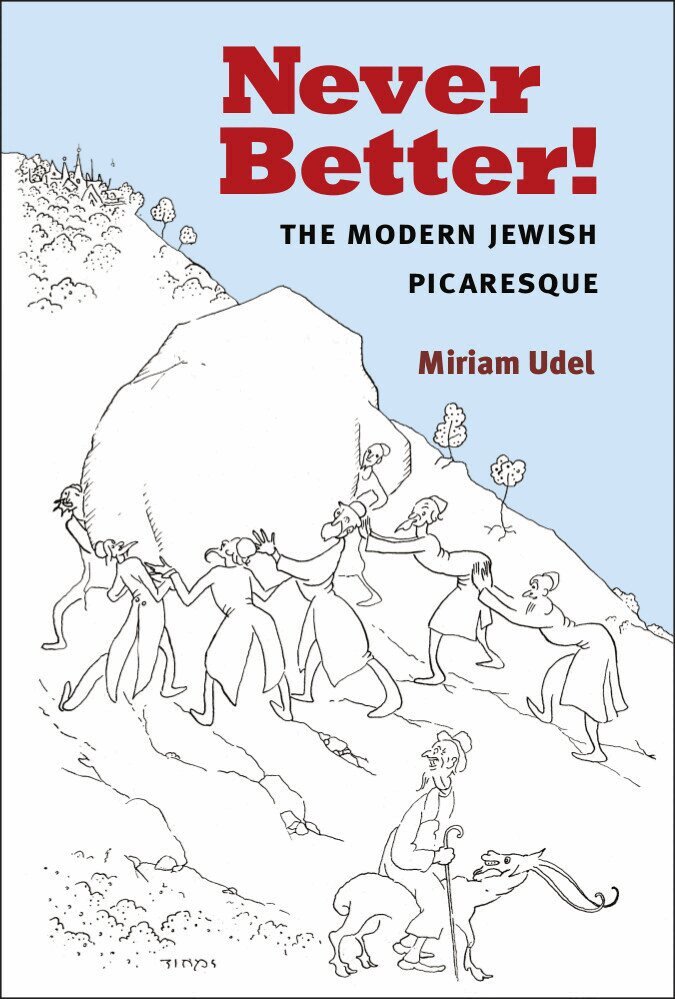
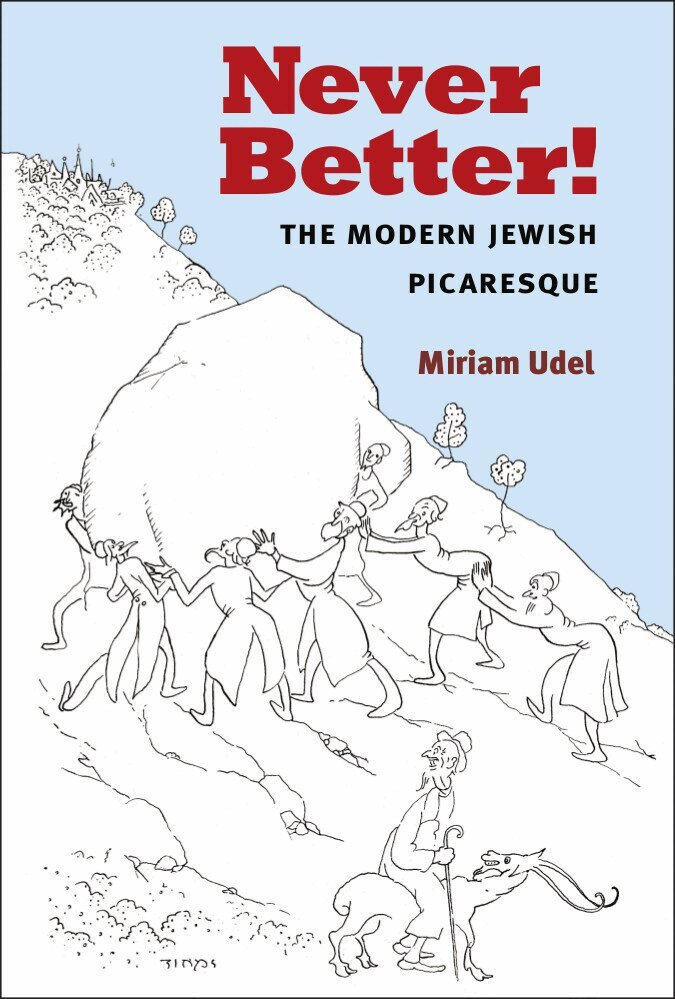
It was only when Jewish writers gave up on the lofty Enlightenment ideals of progress and improvement that the Yiddish novel could decisively enter modernity. Animating their fictions were a set of unheroic heroes who struck a precarious balance between sanguinity and irony that author Miriam Udel captures through the phrase “never better.” With this rhetorical homage toward the double-voiced utterances of Sholem Aleichem, Udel gestures at these characters’ insouciant proclamation that things had never been better, and their rueful, even despairing admission that things would probably never get better.The characters defined by this dual consciousness constitute a new kind of protagonist: a distinctively Jewish scapegrace whom Udel denominates the polit or refugee. Cousin to the Golden Age Spanish pícaro, the polit is a socially marginal figure who narrates his own story in discrete episodes, as if stringing beads on a narrative necklace. A deeply unsettled figure, the polit is allergic to sentimentality and even routine domesticity. His sequential misadventures point the way toward the heart of the picaresque, which Jewish authors refashion as a vehicle for modernism—not only in Yiddish, but also in German, Russian, English and Hebrew. Udel draws out the contours of the new Jewish picaresque by contrasting it against the nineteenth-century genre of progress epitomized by the Bildungsroman.While this book is grounded in modern Jewish literature, its implications stretch toward genre studies in connection with modernist fiction more generally. Udel lays out for a diverse readership concepts in the history and theory of the novel while also explicating the relevant particularities of Jewish literary culture. In addressing the literary stylistics of a “minor” modernism, this study illuminates how the adoption of a picaresque sensibility allowed minority authors to write simultaneously within and against the literary traditions of Europe.
369 kr
Skickas inom 7-10 vardagar
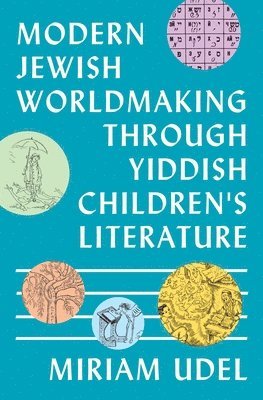
How modern Yiddish children’s literature gave expression to emerging forms of Jewish identityAs migration carried Yiddish to several continents during the long twentieth century, an increasingly global community of speakers and readers clung to Jewish heritage while striving to help their children make sense of their lives as Jews in the modern world. Miriam Udel traces how the stories and poems written for these Yiddish-speaking children underpinned new formulations of secular Jewishness.Udel provides the most comprehensive study to date of this corpus of nearly a thousand picture books, chapter books, story and poetry collections, and anthologies. Moving geographically from Europe to the Americas and chronologically through the twentieth century, she considers this emerging canon in relation to the deep Jewish past and imagined Jewish futures before reckoning with the tragedy of the Holocaust. Udel discusses how Yiddish children’s literature espoused political ideologies ranging from socialism to Zionism and constituted a project of Jewish cultural nationalism, one shaped equally by the utopianism of the Jewish left and important shifts in the Western understanding of children, childhood, and family life.Modern Jewish Worldmaking Through Yiddish Children’s Literature shows how Yiddish authors, educators, and cultural leaders, confronting practical limits on their ability to forge a fully realized nation of their own, focused instead on making a symbolic and conceptual world for Jewish children to inhabit with dignity, justice, and joy.
445 kr
Skickas inom 7-10 vardagar
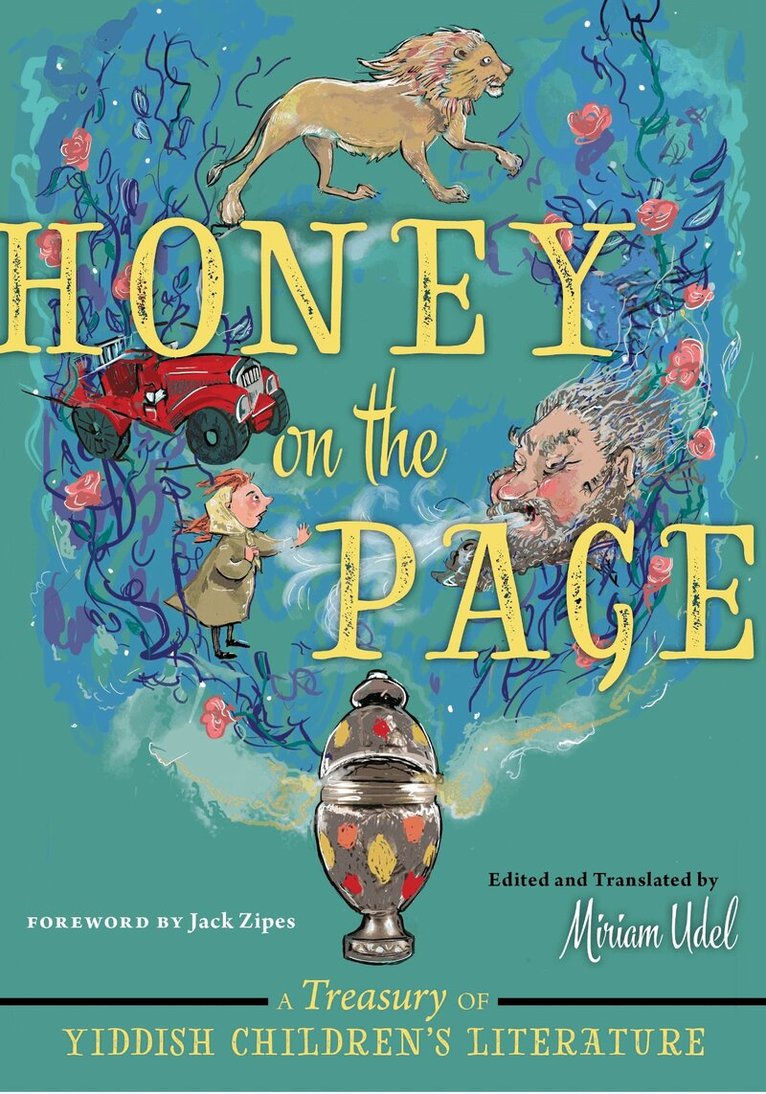
Winner, 2021 Reference & Bibliography Award in the 'Reference' Section, given by the Association of Jewish LibrariesAn unprecedented treasury of Yiddish children's stories and poems enhanced with original illustrationsWhile there has been a recent boom in Jewish literacy and learning within the US, few resources exist to enable American Jews to experience the rich primary sources of Yiddish culture. Stepping into this void, Miriam Udel has crafted an exquisite collection: Honey on the Page offers a feast of beguiling original translations of stories and poems for children. Arranged thematically—from school days to the holidays—the book takes readers from Jewish holidays and history to folktales and fables, from stories of humanistic ethics to multi-generational family sagas. Featuring many works that are appearing in English for the first time, and written by both prominent and lesser-known authors, this anthology spans the Yiddish-speaking globe—drawing from materials published in Eastern Europe, New York, and Latin America from the 1910s, during the interwar period, and up through the 1970s. With its vast scope, Honey on the Page offers a cornucopia of delights to families, individuals and educators seeking literature that speaks to Jewish children about their religious, cultural, and ethical heritage.Complemented by whimsical, humorous illustrations by Paula Cohen, an acclaimed children's book illustrator, Udel's evocative translations of Yiddish stories and poetry will delight young and older readers alike.