Mitra Sharafi – författare
Visar alla böcker från författaren Mitra Sharafi. Handla med fri frakt och snabb leverans.
6 produkter
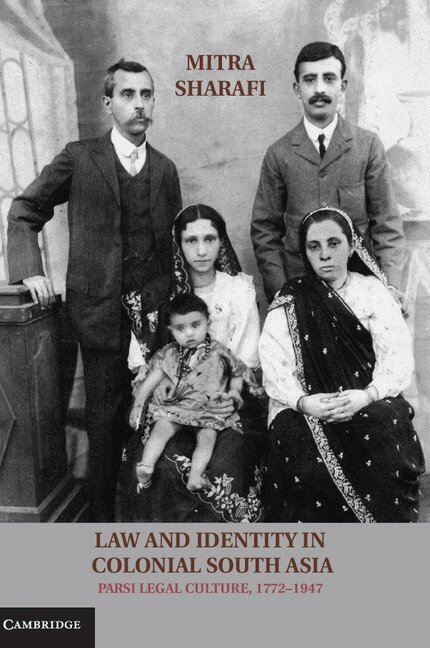
Law and Identity in Colonial South Asia
Parsi Legal Culture, 1772-1947
Inbunden, 2014
1928 kr
Lägg i varukorg
This book explores the legal culture of the Parsis, or Zoroastrians, an ethnoreligious community unusually invested in the colonial legal system of British India and Burma. Rather than trying to maintain collective autonomy and integrity by avoiding interaction with the state, the Parsis sank deep …
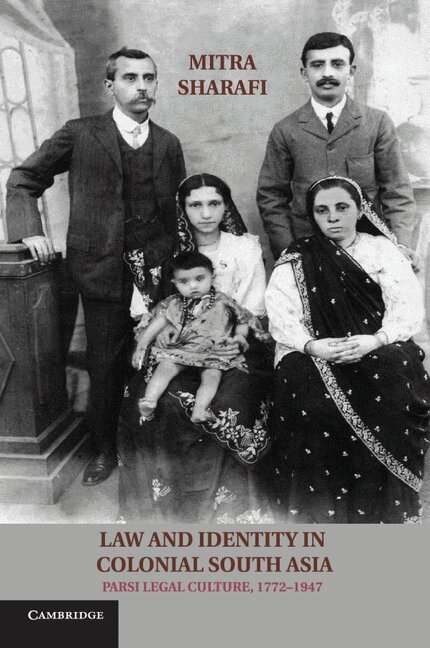
Law and Identity in Colonial South Asia
Parsi Legal Culture, 1772-1947
Häftad, 2016
687 kr
Lägg i varukorg
This book explores the legal culture of the Parsis, or Zoroastrians, an ethnoreligious community unusually invested in the colonial legal system of British India and Burma. Rather than trying to maintain collective autonomy and integrity by avoiding interaction with the state, the Parsis sank deep …
Law and Identity in Colonial South Asia
Parsi Legal Culture, 1772–1947
E-bok, 2014
657 kr
Lägg i varukorg
This book explores the legal culture of the Parsis, or Zoroastrians, an ethnoreligious community unusually invested in the colonial legal system of British India and Burma. Rather than trying to maintain collective autonomy and integrity by avoiding interaction with the state, the Parsis sank deep …
Law and Identity in Colonial South Asia
Parsi Legal Culture, 1772–1947
E-bok, 2014
657 kr
Lägg i varukorg
This book explores the legal culture of the Parsis, or Zoroastrians, an ethnoreligious community unusually invested in the colonial legal system of British India and Burma. Rather than trying to maintain collective autonomy and integrity by avoiding interaction with the state, the Parsis sank deep …
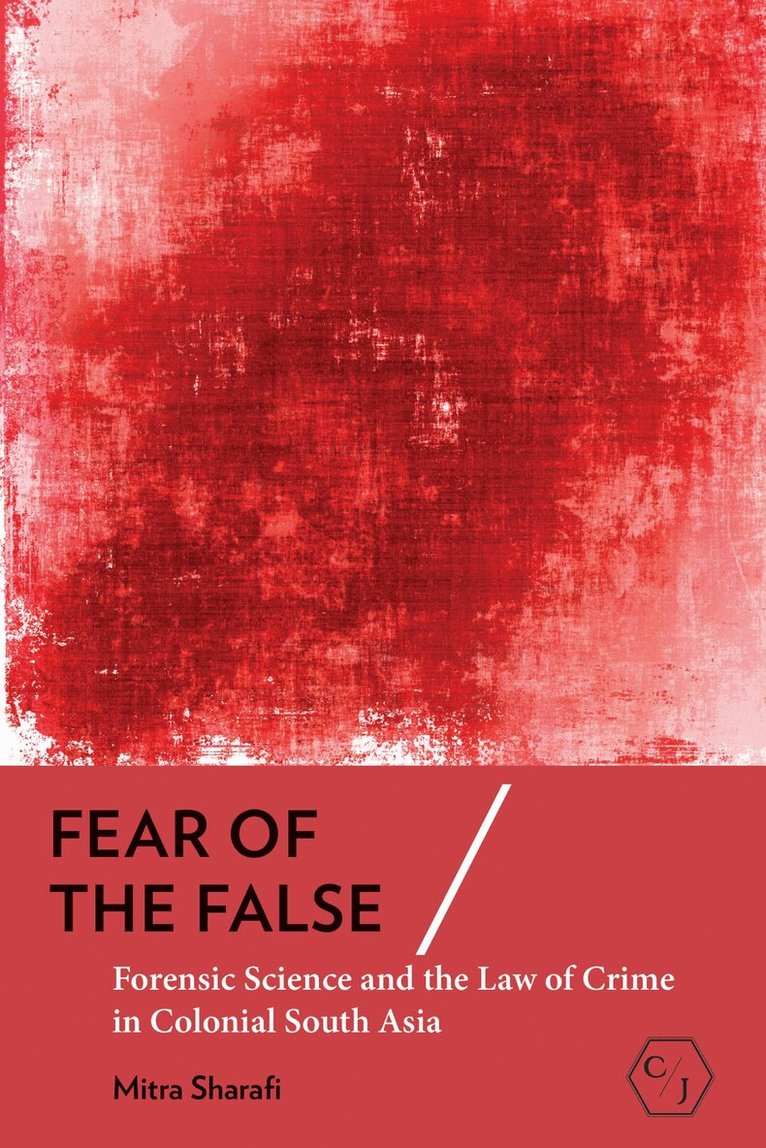
Fear of the False
Forensic Science and the Law of Crime in Colonial South Asia
Inbunden, 2026
1696 kr
Lägg i varukorg
Fear of the False uncovers colonial South Asia's critical role in the development of forensic science. Around 1900, the government of British India created a web of institutions for the scientific detection of crime. Driven by anxieties about "native mendacity," newly minted forensic analysts …
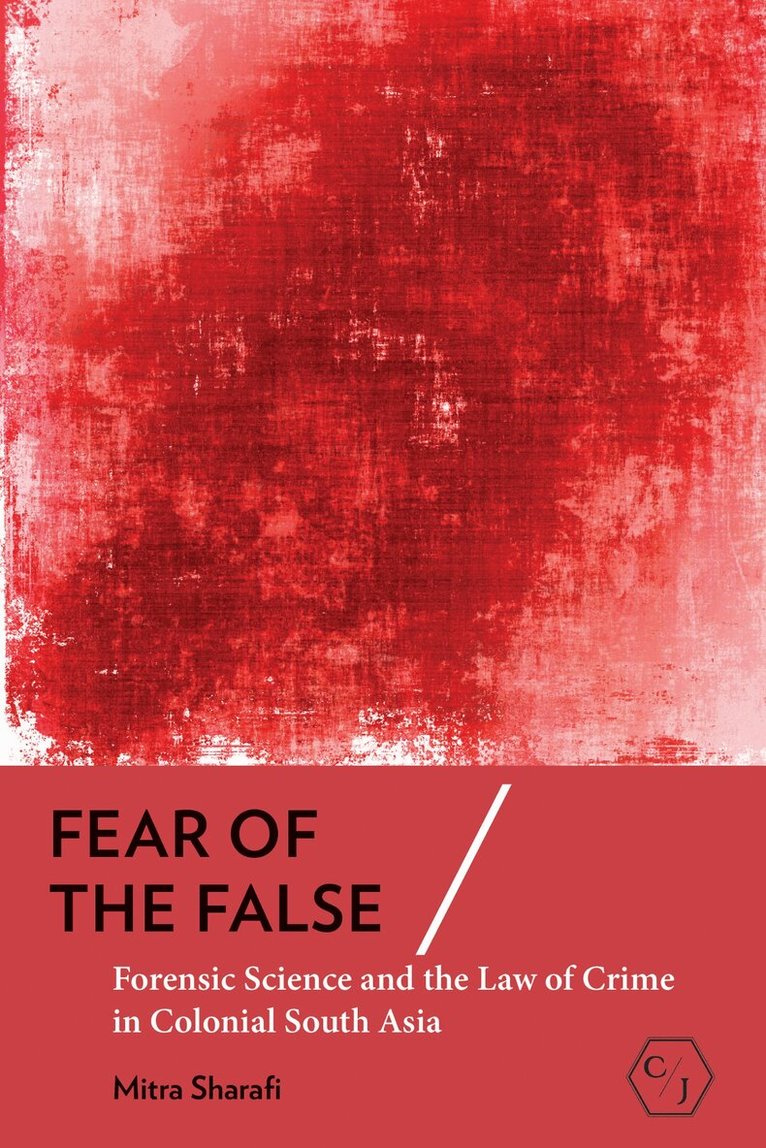
Fear of the False
Forensic Science and the Law of Crime in Colonial South Asia
Häftad, 2026
313 kr
Lägg i varukorg
Fear of the False uncovers colonial South Asia's critical role in the development of forensic science. Around 1900, the government of British India created a web of institutions for the scientific detection of crime. Driven by anxieties about "native mendacity," newly minted forensic analysts …