Mohammad Mizanur Rahman - Böcker
Visar alla böcker från författaren Mohammad Mizanur Rahman. Handla med fri frakt och snabb leverans.
5 produkter
5 produkter
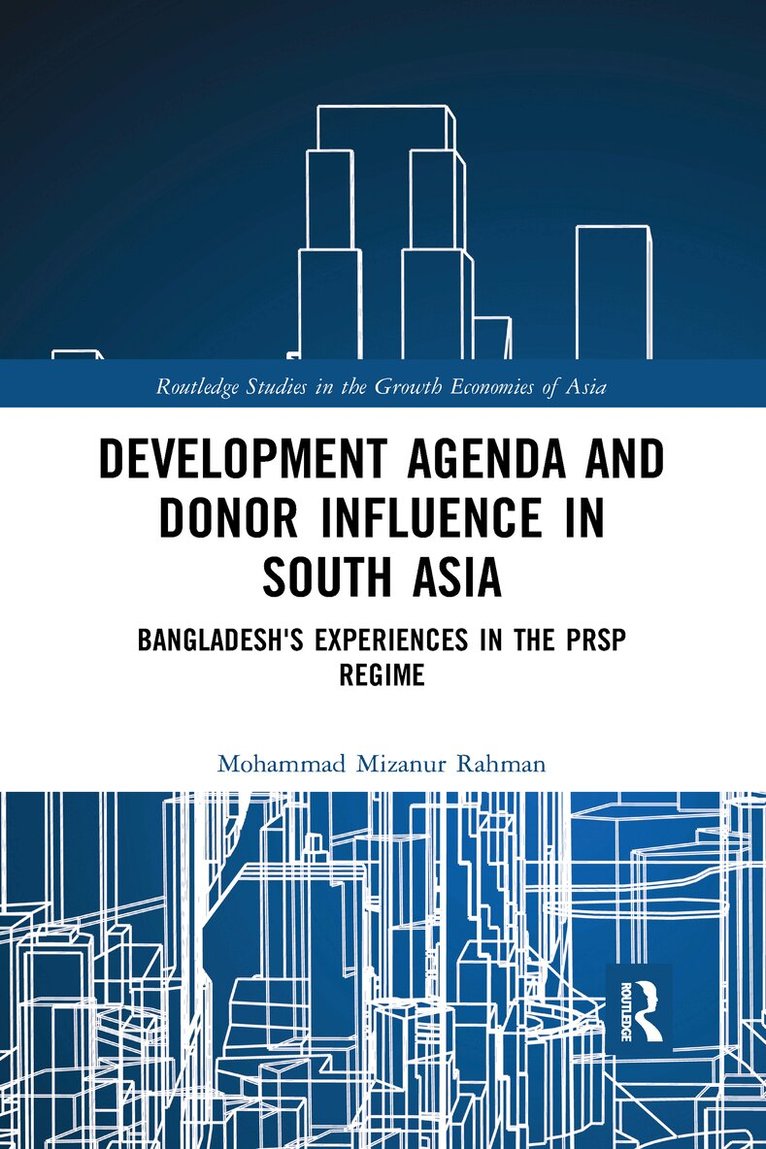
Development Agenda and Donor Influence in South Asia
Bangladesh's Experiences in the PRSP Regime
Häftad, Engelska, 2020
618 kr
Skickas inom 10-15 vardagar
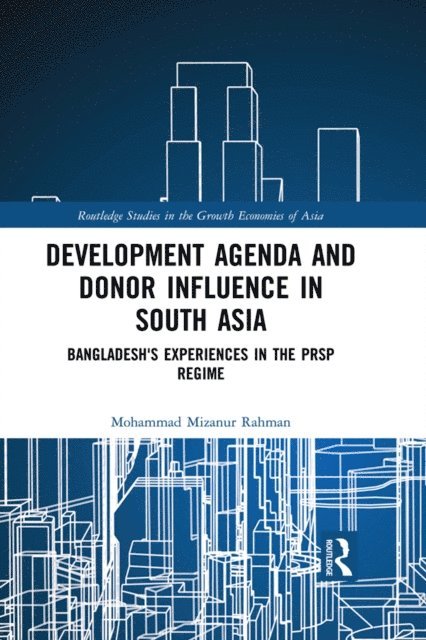
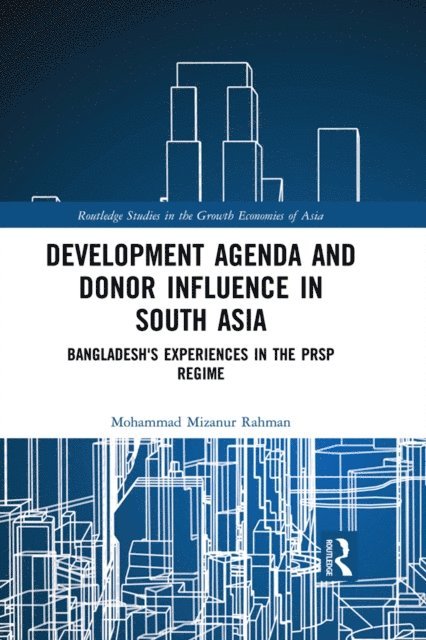
Policy ownership of development agenda emerged as an important aspect in international development cooperation during the 1990s in the wake of evident failures of reform initiatives in developing countries steered by donor agencies, particularly the international financial institutions (IFIs), the World Bank (WB) and the International Monetary Fund (IMF).The principal focus of this book is to examine Bangladesh’s policy ownership in its PRSP by broadly analyzing the dynamics in the formulation process and examining the principal actors’ contribution to the formulation process. This book also deals with several other dimensions of foreign aid and its changing features including the shifts in WB-IMF’s approach to development cooperation. This book argues that the WB-IMF strongly influence Bangladesh’s development strategies and agendas and in general the WB-IMF have not changed much in their aid relationship despite clear limitations of their previous reform models. Building on Bangladesh’s current level of development the book advocates that Bangladesh needs to adopt a new model for development agenda setting. Illustrating the influences of donor communities on the creation of development strategies in developing countries, this book presents a macro dynamics of the political economy of international development cooperation. It will be of interest to academics and professionals working on political economy, governance, public policy and development cooperation as well as South Asian Studies.
1 909 kr
Skickas inom 10-15 vardagar
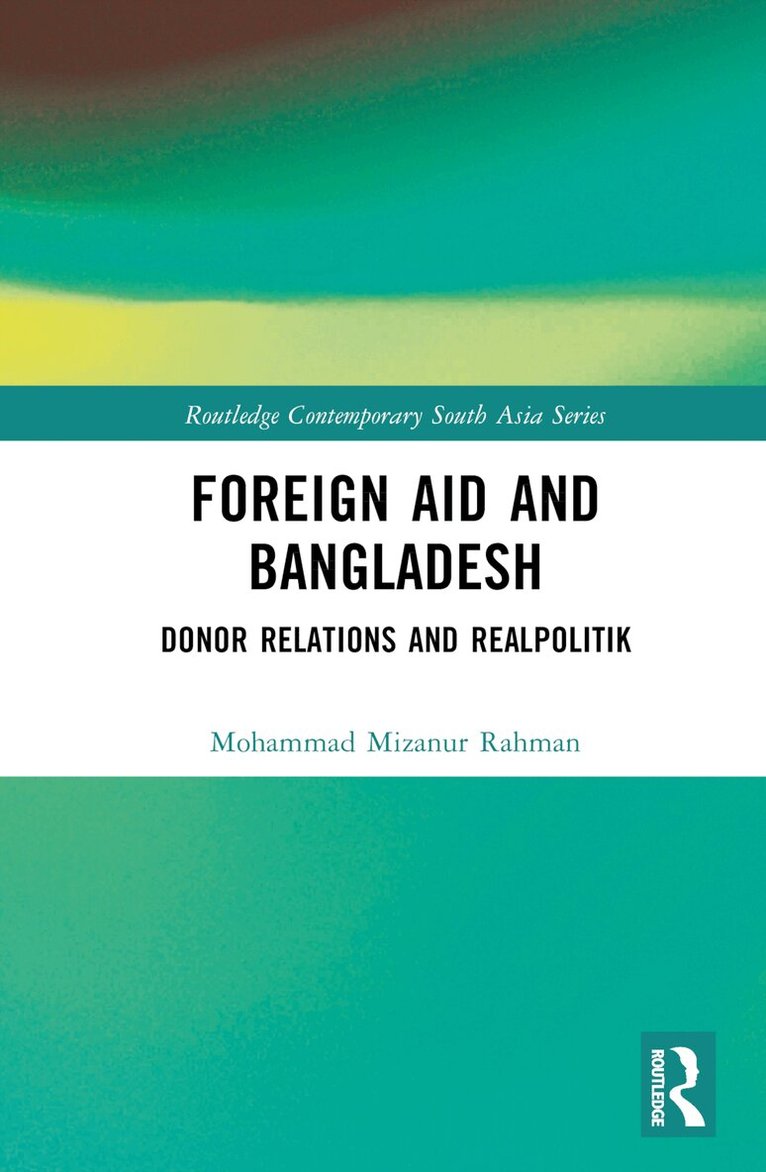
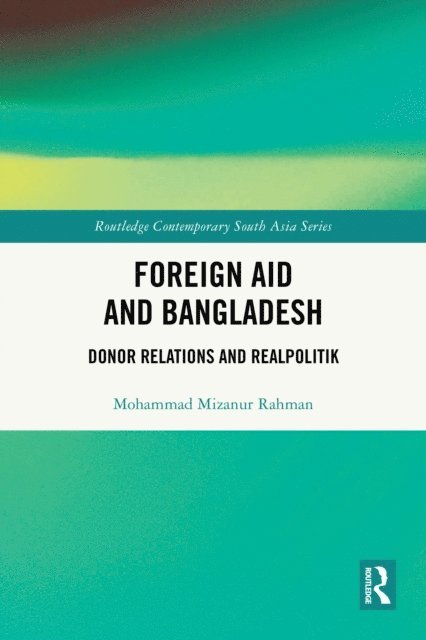
Foreign Aid and Bangladesh offers a rich combination of aid history – from the evolution of aid as a global agenda after WWII to the rise of different multilateral, bilateral, and emerging donors and their policy shifts – and a nuanced perspective of aid partnerships at the country level. Drawing on first-hand experiences and insights, the author deeply investigates the realities of a longstanding aid recipient, Bangladesh, and argues that without a political economy approach, one cannot understand the realpolitik of development aid. As an emerging economy from the Global South, Bangladesh has been a longstanding partner and recipient of international aid since 1971. Bangladesh has also been active in the global discussions leading to redefining the new narrative and arguments for the new aid regime since the beginning of this century. Building on the analysis of Bangladesh's aid relations, the book shows that there has not been any qualitative shift in aid behavior in the new aid regime that set new norms after the end of the Cold War to ensure recipients' ownership and welcomed an expanding aid landscape by integrating emerging economies from the Global South for achieving better development results. The book analyzes the role of different actors in the development partnership, both traditional and emerging donors - such as China and India, and their partnership practices. It examines different forms of aid and their changing perspective, particularly technical assistance. Based on more than two decades of research and profound insider observations, the book debunks the myth that Southern providers could be more benign to their partners. The arguments placed in the book expose that there is no difference between traditional and emerging donors in ensuring donors' business and strategic interests. While donors continue to ensure their interests in providing aid, the Realpolitik of the situation in the recipient country shows that there is a specific economic and political agenda in pursuing aid. Presenting a comprehensive picture of Bangladesh's aid partnership, through the lens of new development partnership principles and narratives of development aid, this book will be of interest to scholars and researchers of aid and development studies and political science as well as South Asian Studies. Donor officials, civil servants, and national and international policy communities will also benefit from this book.
632 kr
Skickas inom 10-15 vardagar
Foreign Aid and Bangladesh offers a rich combination of aid history – from the evolution of aid as a global agenda after WWII to the rise of different multilateral, bilateral, and emerging donors and their policy shifts – and a nuanced perspective of aid partnerships at the country level. Drawing on first-hand experiences and insights, the author deeply investigates the realities of a longstanding aid recipient, Bangladesh, and argues that without a political economy approach, one cannot understand the realpolitik of development aid. As an emerging economy from the Global South, Bangladesh has been a longstanding partner and recipient of international aid since 1971. Bangladesh has also been active in the global discussions leading to redefining the new narrative and arguments for the new aid regime since the beginning of this century. Building on the analysis of Bangladesh's aid relations, the book shows that there has not been any qualitative shift in aid behavior in the new aid regime that set new norms after the end of the Cold War to ensure recipients' ownership and welcomed an expanding aid landscape by integrating emerging economies from the Global South for achieving better development results. The book analyzes the role of different actors in the development partnership, both traditional and emerging donors - such as China and India, and their partnership practices. It examines different forms of aid and their changing perspective, particularly technical assistance. Based on more than two decades of research and profound insider observations, the book debunks the myth that Southern providers could be more benign to their partners. The arguments placed in the book expose that there is no difference between traditional and emerging donors in ensuring donors' business and strategic interests. While donors continue to ensure their interests in providing aid, the Realpolitik of the situation in the recipient country shows that there is a specific economic and political agenda in pursuing aid. Presenting a comprehensive picture of Bangladesh's aid partnership, through the lens of new development partnership principles and narratives of development aid, this book will be of interest to scholars and researchers of aid and development studies and political science as well as South Asian Studies. Donor officials, civil servants, and national and international policy communities will also benefit from this book.
Development Agenda and Donor Influence in South Asia
Bangladesh's Experiences in the PRSP Regime
Inbunden, Engelska, 2018
2 113 kr
Skickas inom 10-15 vardagar
Policy ownership of development agenda emerged as an important aspect in international development cooperation during the 1990s in the wake of evident failures of reform initiatives in developing countries steered by donor agencies, particularly the international financial institutions (IFIs), the World Bank (WB) and the International Monetary Fund (IMF).The principal focus of this book is to examine Bangladesh’s policy ownership in its PRSP by broadly analyzing the dynamics in the formulation process and examining the principal actors’ contribution to the formulation process. This book also deals with several other dimensions of foreign aid and its changing features including the shifts in WB-IMF’s approach to development cooperation. This book argues that the WB-IMF strongly influence Bangladesh’s development strategies and agendas and in general the WB-IMF have not changed much in their aid relationship despite clear limitations of their previous reform models. Building on Bangladesh’s current level of development the book advocates that Bangladesh needs to adopt a new model for development agenda setting. Illustrating the influences of donor communities on the creation of development strategies in developing countries, this book presents a macro dynamics of the political economy of international development cooperation. It will be of interest to academics and professionals working on political economy, governance, public policy and development cooperation as well as South Asian Studies.
1 923 kr
Kommande
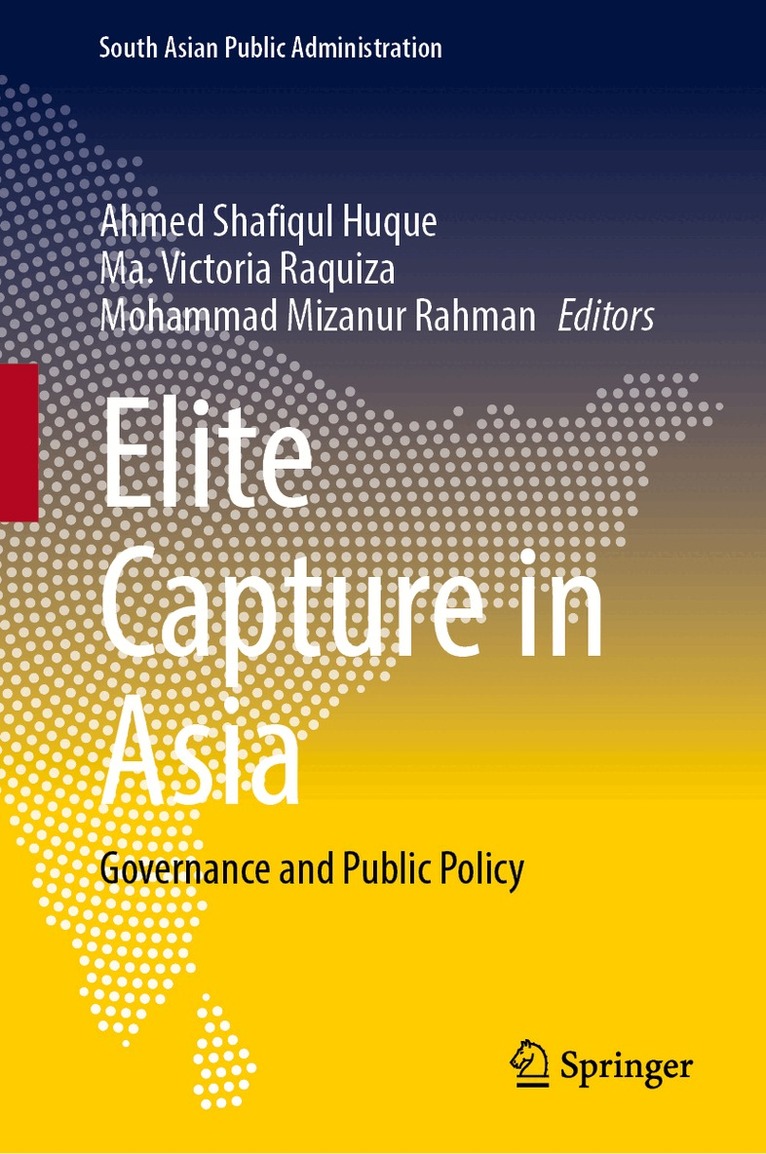
Elite Capture in Asia, drawing on experiences of eight Asian countries, explores the functioning of power in practice to demonstrate how public policy across South and Southeast Asia is influenced, directed, and often subverted by elites whose interests diverge from the broader public good. The book also makes efforts to venture beyond the state of elite capture to explore instances of resistance, reform, and potential for addressing the problem. Researchers in political economy, public policy, and development, policymakers and practitioners, students and engaged citizens can benefit from the empirical studies used in the book. This volume does not offer a single model or universal solution. Instead, it advances a shared analytical lens for understanding the extent of the challenge of policy capture and its consequences. The book aims to contribute to ongoing debates about governance in South and Southeast Asia.