Mordecai M. Kaplan - Böcker
Visar alla böcker från författaren Mordecai M. Kaplan. Handla med fri frakt och snabb leverans.
10 produkter
10 produkter
319 kr
Skickas inom 10-15 vardagar
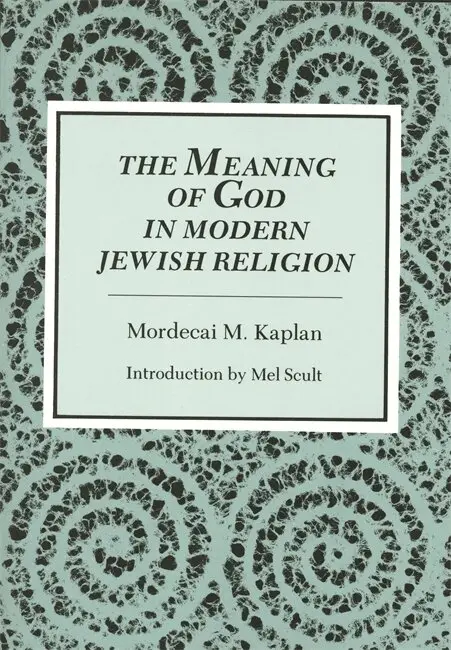
In this book, Kaplan enlarges on his notion of functional reinterpretation and then actually applies it to the entire ritual cycle of the Jewish year-a rarity in modern Jewish thought. This work continues to function as a central text for the Reconstructionist movement, whose influence continues to grow in American Jewry.
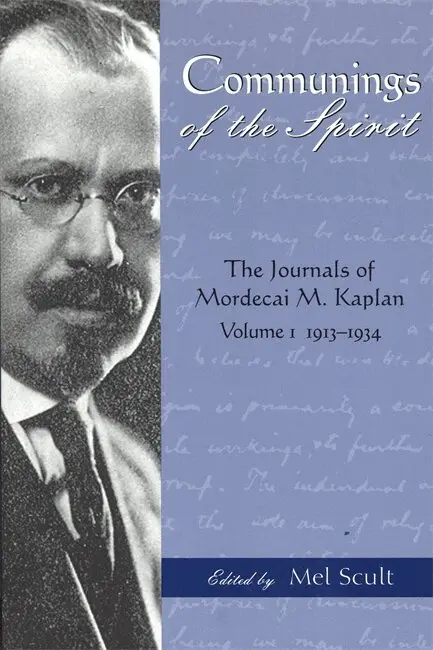
Communings of the Spirit Vol. 1
The Journals of Mordecai M.Kaplan, Volume. 1; 1913-1934
Häftad, Engelska, 2002
333 kr
Skickas inom 10-15 vardagar
This text provides selections from the diary of Rabbi Mordecai Kaplan, founder of Reconstructionism in America. It has been edited by Mel Scult, a professor of Judaic studies and history, whose previous work includes ""The American Judaism of Mordecai Kaplan"" and ""Judaism Faces the Twentieth Century: A Biography of Mordecai Kaplan"". The selections contained in this particular volume cover Mordecai Kaplan's writings between the years 1913 and 1934.
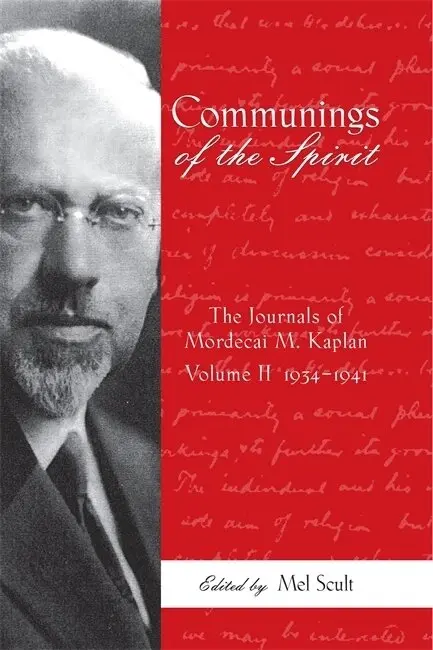
Communings of the Spirit Vol. 2
The Journals of Mordecai M. Kaplan, Volume 2: 1934 - 1941
Inbunden, Engelska, 2016
560 kr
Skickas inom 10-15 vardagar
Mordecai M. Kaplan (1881–1983), founder of Reconstructionism, is the preeminent American Jewish thinker and rabbi of our times. His life embodies the American Jewish experience of the first half of the twentieth century. With passionate intensity and uncommon candor, Kaplan compulsively recorded his experience in his journals, some ten thousand pages. At times, Kaplan thought his ideas were too radical or complex to share with his congregation, and what he could not share publicly he put into his journals. In this diary we find his uncensored thoughts on a variety of subjects. Thus, the diary was much more sophisticated and radical than anything he published while living.While in the first volume of Communings of the Spirit, editor Mel Scult covers Kaplan's early years as a rabbi, teacher of rabbis, and community leader, in the second volume we experience through Kaplan the economic problems of the thirties and their shattering impact on the Jewish community. It becomes clear that Kaplan, like so many others during this period, was attracted to the solutions offered by communism, notwithstanding some hesitation because of the anti-religiousnature of communist ideology. Through Kaplan we come to understand the Jewish community in the yishuv (Jews in Palestine) as Kaplan spent two years teaching at the Hebrew University in Jerusalem and his close circle of friends included Martin Buber, Judah Leon Magnes, and other prominent personalities. It is also during this time that the specter of Nazi Germany begins to haunt American Jews, and Kaplan, sensitive to the threats, is obsessed with Jewish security, both in Europe and Palestine.More than anything else, this diary is the chronicle of Kaplan’s spiritual and intellectual journey in the early 1930s and 1940s. With honesty and vivid detail,Kaplan explores his evolving beliefs on religious naturalism and his uncertainties and self-doubts as he grapples with a wide range of theological issues.
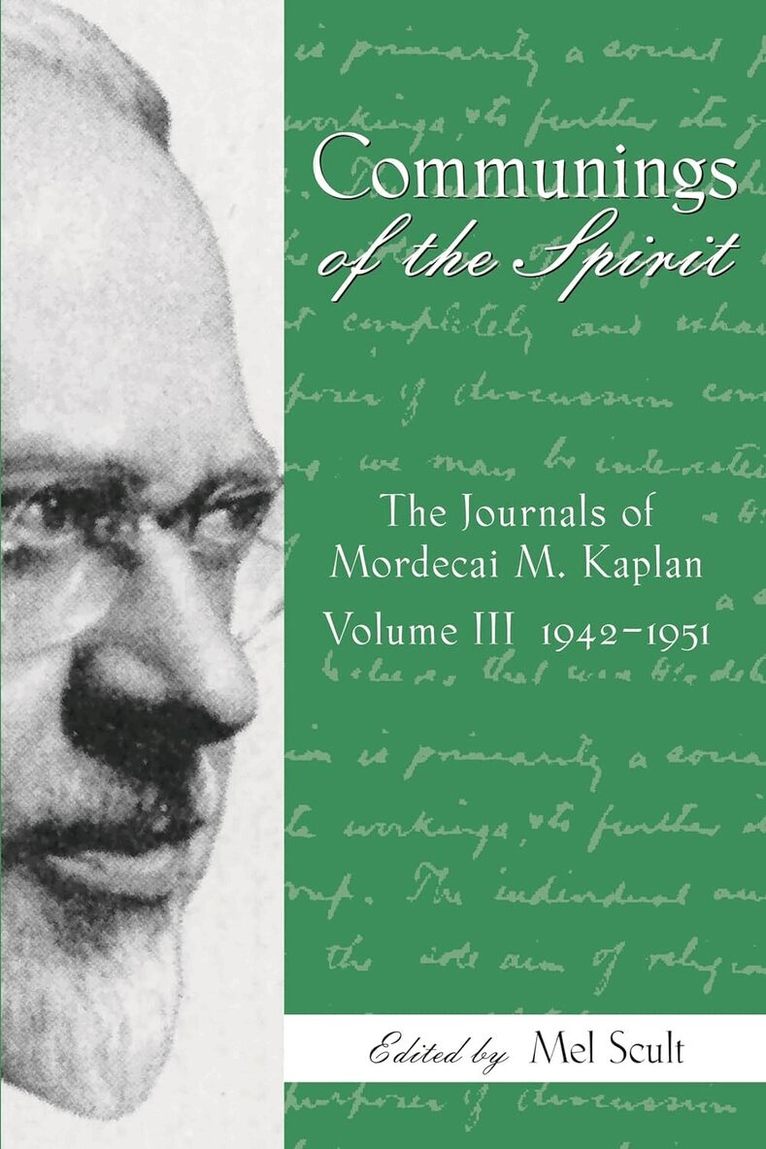
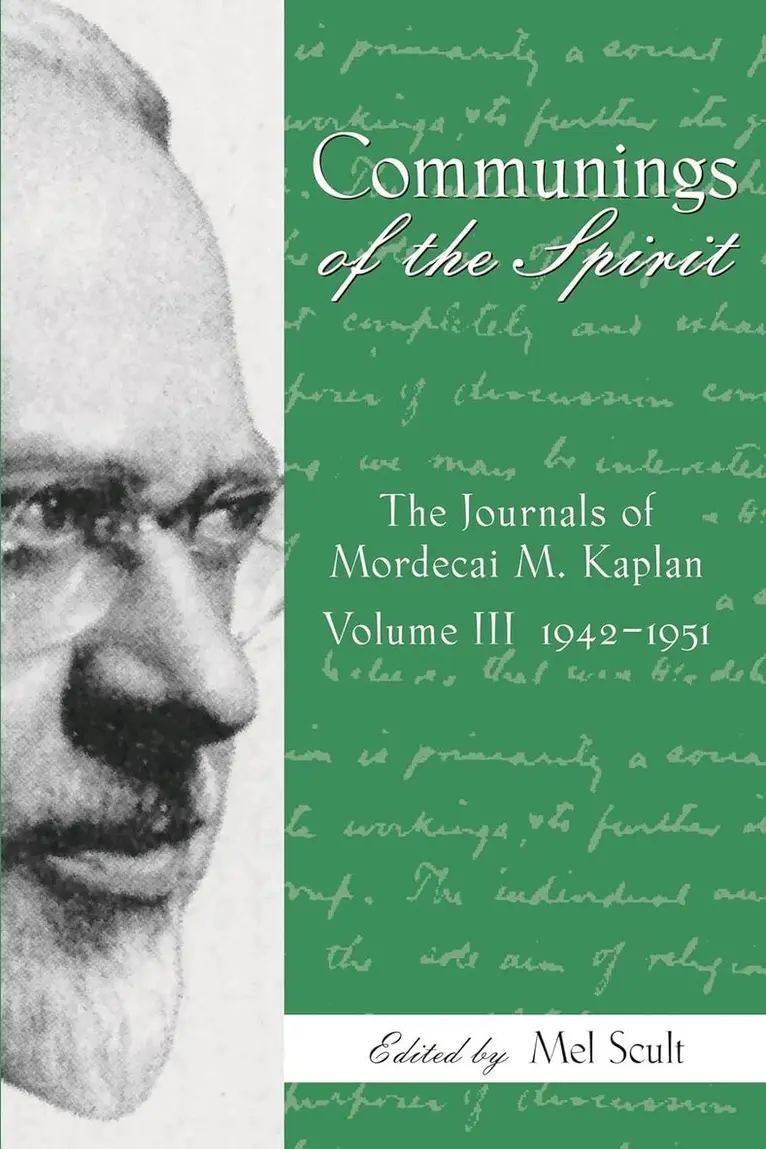
Communings of the Spirit, Volume III
The Journals of Mordecai M. Kaplan, 1942-1951
Inbunden, Engelska, 2020
1 074 kr
Skickas inom 10-15 vardagar
Mordecai M. Kaplan (1881-1983), founder of Reconstructionism and the rabbi who initiated the first Bat Mitzvah, also produced the longest Jewish diary on record. In twenty-seven volumes, written between 1913 and 1978, Kaplan shares not only his reaction to the great events of his time but also his very personal thoughts on religion and Jewish life.In Communings of the Spirit: The Journals of Mordecai M. Kaplan Volume III, 1942-1951, readers experience his horror at the persecution of the European Jews, as well as his joy in the founding of the State of Israel. Above all else, Kaplan was concerned with the survival and welfare of the Jewish people. And yet he also believed that the well-being of the Jewish people was tied to the safety and security of all people. In his own words, "Such is the mutuality of human life that none can be saved, unless all are saved".In the first volume of Communings of the Spirit, editor Mel Scult covers Kaplan's early years as a rabbi, teacher of rabbis, and community leader. In the second volume, readers experience the economic problems of the 1930s and their shattering impact on the Jewish community. The third volume chronicles Kaplan's spiritual and intellectual journey in the 1940s. With candour and vivid detail, Kaplan explores his evolving beliefs concerning a democratic Judaism; religious naturalism; and the conflicts, uncertainties, and self-doubts he faced in the first half of the twentieth century, including his excommunication by the ultra-Orthodox in 1945 for taking a more progressive approach to the liturgy.In his publications, Kaplan eliminated the time-honored declarations of Jewish chosen-ness as well as the outdated doctrines concerning the resurrection of the dead. He wanted a prayer book that Jews could feel reflected their beliefs and experiences; he believed that people must mean what they say when they pray. Kaplan was a man of contradictions, but because of that, all the more interesting and significant.Scholars of Judaica and rabbinical studies will value this honest look at the preeminent American Jewish thinker and rabbi of our times.
Communings of the Spirit, Volume III
The Journals of Mordecai M. Kaplan, 1942-1951
Häftad, Engelska, 2020
420 kr
Skickas inom 10-15 vardagar
Mordecai M. Kaplan (1881-1983), founder of Reconstructionism and the rabbi who initiated the first Bat Mitzvah, also produced the longest Jewish diary on record. In twenty-seven volumes, written between 1913 and 1978, Kaplan shares not only his reaction to the great events of his time but also his very personal thoughts on religion and Jewish life.In Communings of the Spirit: The Journals of Mordecai M. Kaplan Volume III, 1942-1951, readers experience his horror at the persecution of the European Jews, as well as his joy in the founding of the State of Israel. Above all else, Kaplan was concerned with the survival and welfare of the Jewish people. And yet he also believed that the well-being of the Jewish people was tied to the safety and security of all people. In his own words, "Such is the mutuality of human life that none can be saved, unless all are saved".In the first volume of Communings of the Spirit, editor Mel Scult covers Kaplan's early years as a rabbi, teacher of rabbis, and community leader. In the second volume, readers experience the economic problems of the 1930s and their shattering impact on the Jewish community. The third volume chronicles Kaplan's spiritual and intellectual journey in the 1940s. With candour and vivid detail, Kaplan explores his evolving beliefs concerning a democratic Judaism; religious naturalism; and the conflicts, uncertainties, and self-doubts he faced in the first half of the twentieth century, including his excommunication by the ultra-Orthodox in 1945 for taking a more progressive approach to the liturgy.In his publications, Kaplan eliminated the time-honored declarations of Jewish chosen-ness as well as the outdated doctrines concerning the resurrection of the dead. He wanted a prayer book that Jews could feel reflected their beliefs and experiences; he believed that people must mean what they say when they pray. Kaplan was a man of contradictions, but because of that, all the more interesting and significant.Scholars of Judaica and rabbinical studies will value this honest look at the preeminent American Jewish thinker and rabbi of our times.
474 kr
Skickas inom 10-15 vardagar
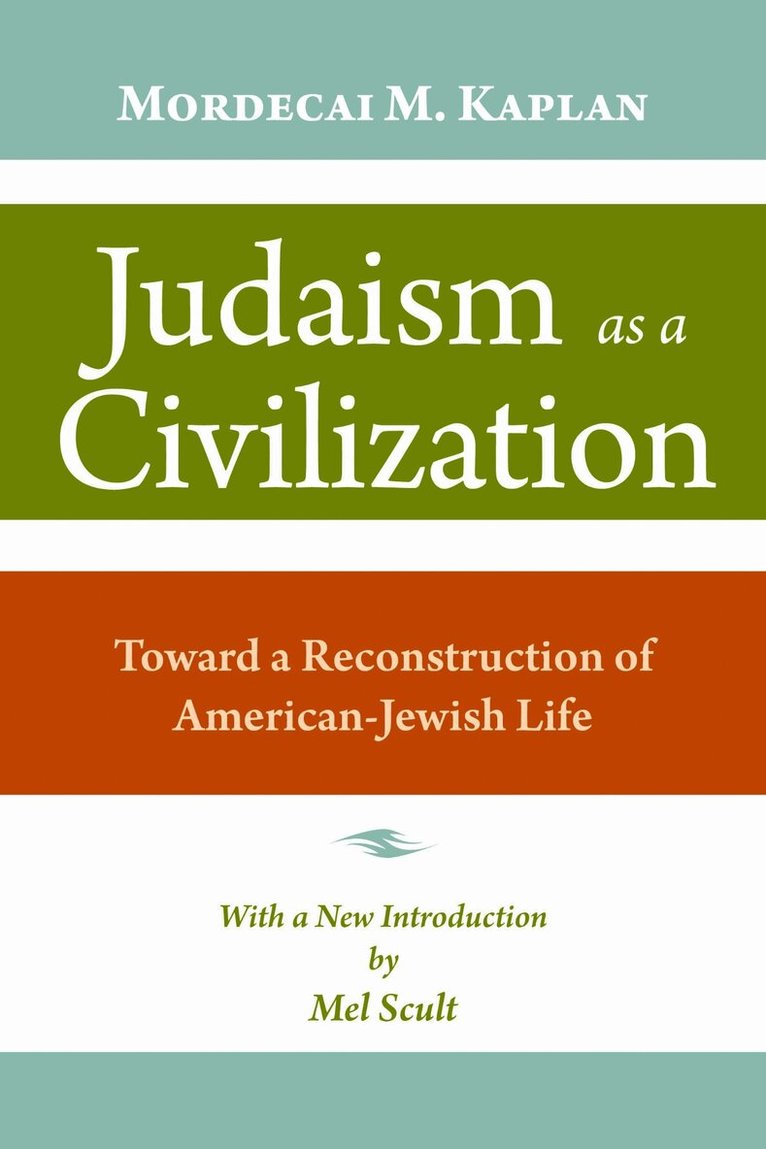
“...This classic work is widely considered the genesis of the Reconstructionist Movement, and remains one of the most original and stimulating contributions to modern Jewish thought.”- International Journal of Jewish Education ResearchJudaism as a Civilization is widely considered the genesis of the Reconstructionist Movement, representing a watershed moment in modern Judaism. In this classic book, Mordecai Kaplan introduced a new way of looking at Judaism: as an evolving religious civilization. His approach required innovation in liturgy and ritual, elimination of obsolete customs, and adjustment in light of prevailing social, political, and cultural conditions. Kaplan felt that all Jews-traditional and liberal, religious and secular-could play a part in this; “reconstruction.”; Judaism as a Civilization, first published in 1934, remains one of the most original and thought-provoking contributions to modern Jewish thought.
1 572 kr
Skickas inom 10-15 vardagar
876 kr
Skickas inom 5-8 vardagar
876 kr
Skickas inom 5-8 vardagar
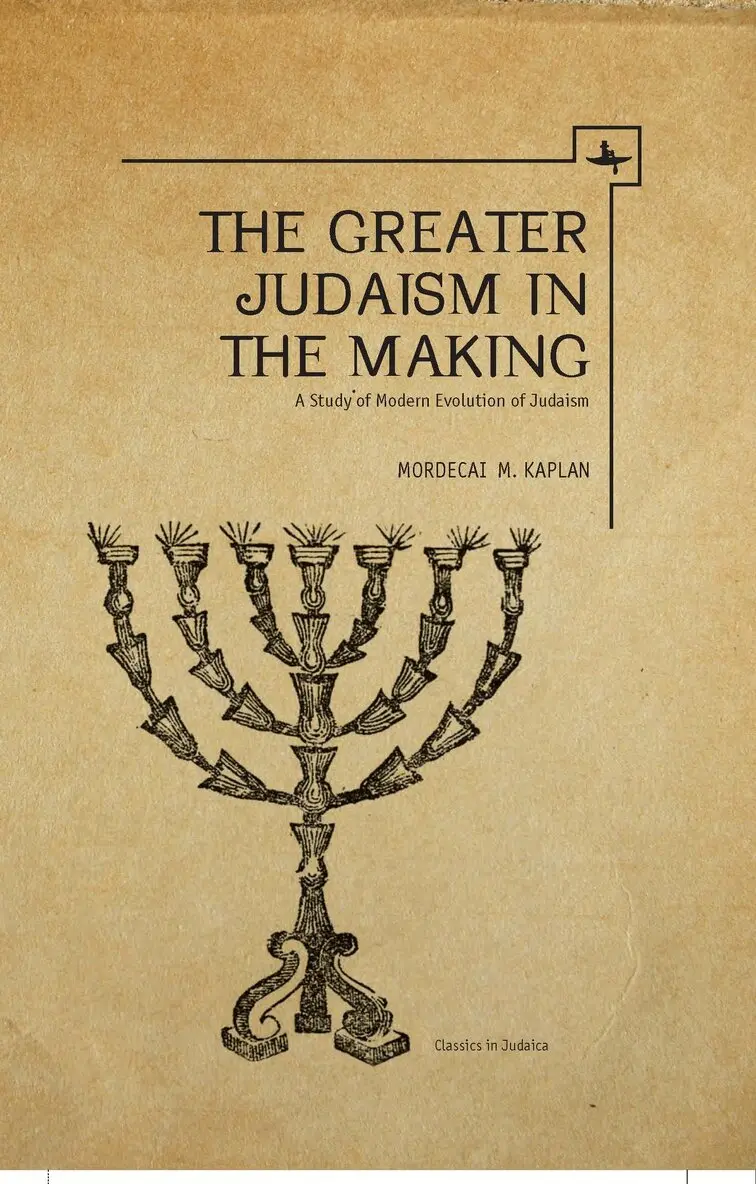
Throughout history, Judaism has been under attack by other religions, attacks which strengthened the identification of the group as a whole. Modern challenges, however, are coming from different directions, and are producing different results. Jewish identification is declining at the same time as more and more Jewish groups to identify with are rising. Rather than being a disaster, Kaplan argues that the multiplicity of threads in Jewish life today represents the process of a radical transformation “nothing less than metamorphosis”. It is in this way that Judaism is creating its own future, the greater Judaism in the making.
245 kr
Skickas inom 5-8 vardagar