Morris Rossabi – författare
Visar alla böcker från författaren Morris Rossabi. Handla med fri frakt och snabb leverans.
26 produkter
Mongols
A Very Short Introduction
E-bok, 2012
95 kr
Lägg i varukorg
In the thirteenth and fourteenth centuries, the Mongols carved out the largest land-based empire in world history, stretching from Korea to Russia in the north and from China to Syria in the south, and unleashing an unprecedented level of violence. But as Morris Rossabi reveals in this Very Short …
Mongols
A Very Short Introduction
E-bok, 2012
95 kr
Lägg i varukorg
In the thirteenth and fourteenth centuries, the Mongols carved out the largest land-based empire in world history, stretching from Korea to Russia in the north and from China to Syria in the south, and unleashing an unprecedented level of violence. But as Morris Rossabi reveals in this Very Short …
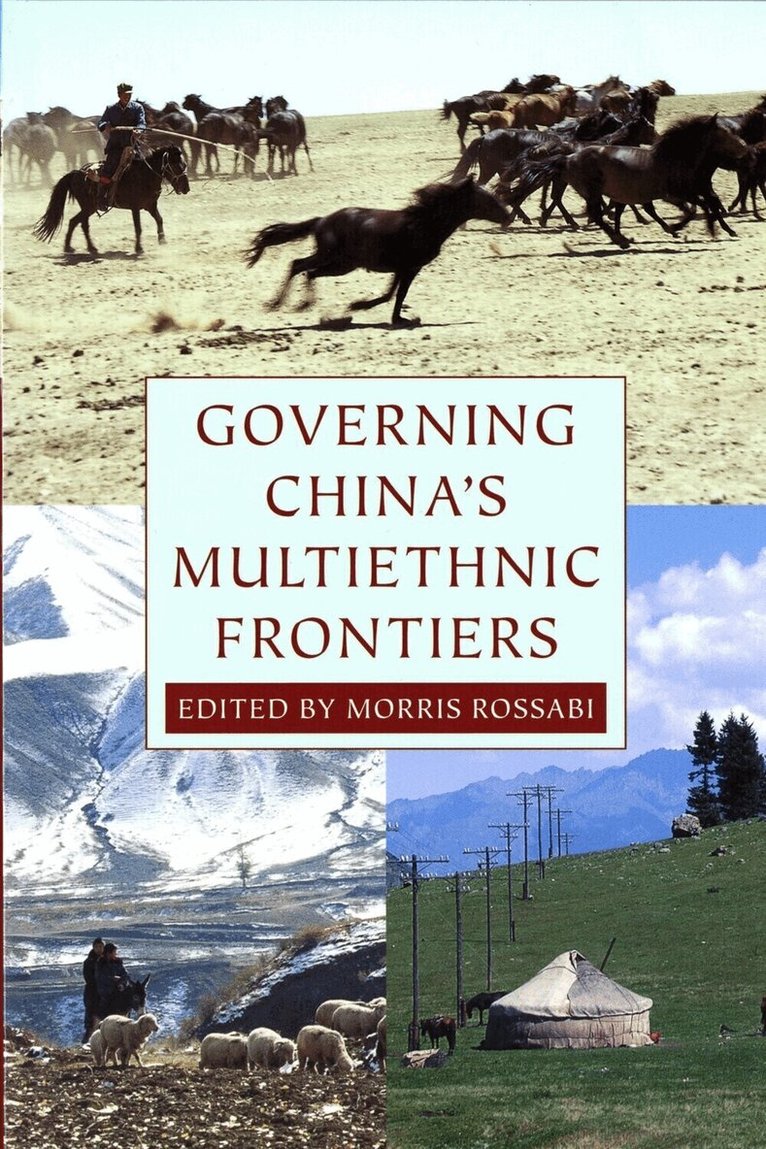
Governing China's Multiethnic Frontiers
Häftad, 2004
590 kr
Lägg i varukorg
Open-access edition: DOI 10.6069/9780295804057Upon coming to power in 1949, the Chinese Communist government proclaimed that its stance toward ethnic minorities--who comprise approximately eight percent of China’s population--differed from that of previous regimes and that it would help preserve …
From Ming to Ch'ing
Conquest, Region, and Continuity in Seventeenth-Century China
Av Jonathan D. Spence, Jerry Dennerline m. fl.
Häftad, 1981
662 kr
Lägg i varukorg
The collapse of the Ming dynasty and the takeover of China by Manchu rulers in the 1640s were of crucial importance in the late history of China. But because traditional Chinese sources arbitrarily divide the century at the change of dynasty in 1644, it has been difficult to form a clear picture of …
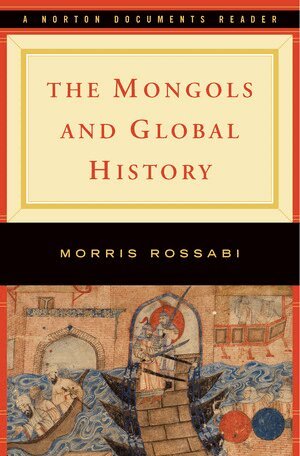
Mongols and Global History
Häftad, 2010
287 kr
Lägg i varukorg
The volume opens with a brief original essay by Morris Rossabi, one of the world’s foremost scholars on the Mongols. Rossabi’s essay gives a historical and interpretive overview of the Mongols and charts their invasions and subsequent rule over the largest contiguous land empire in world history. …
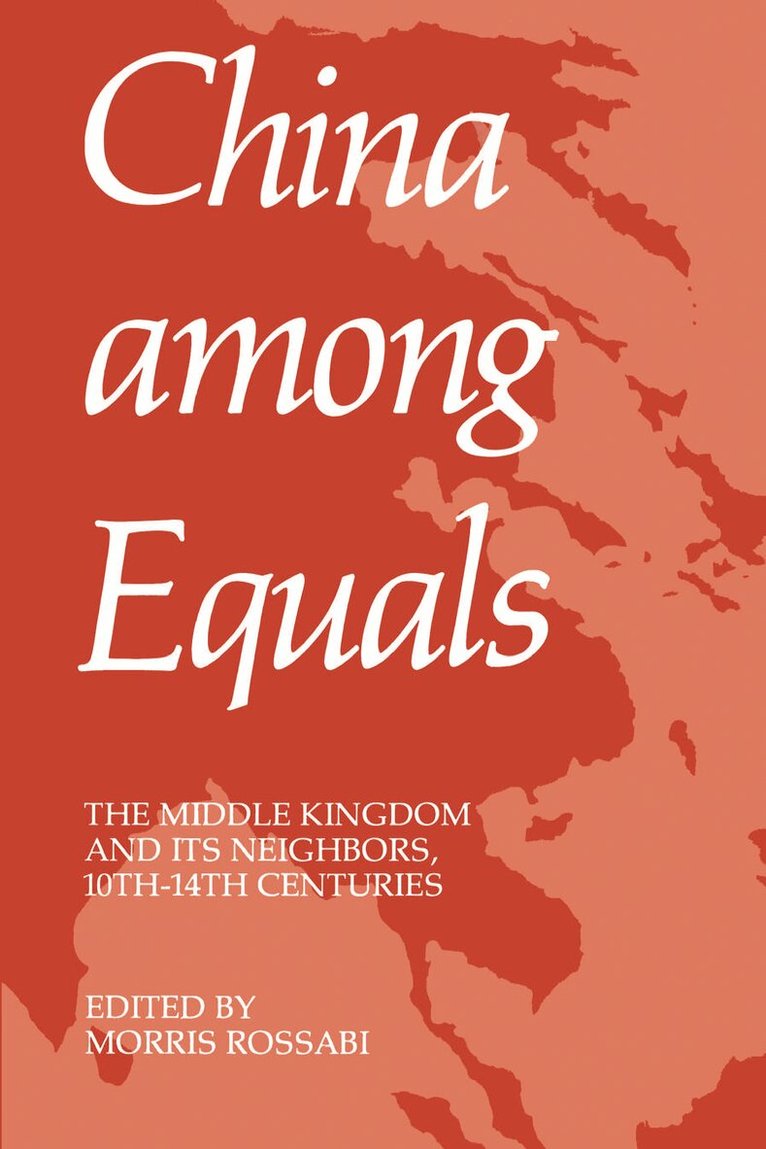
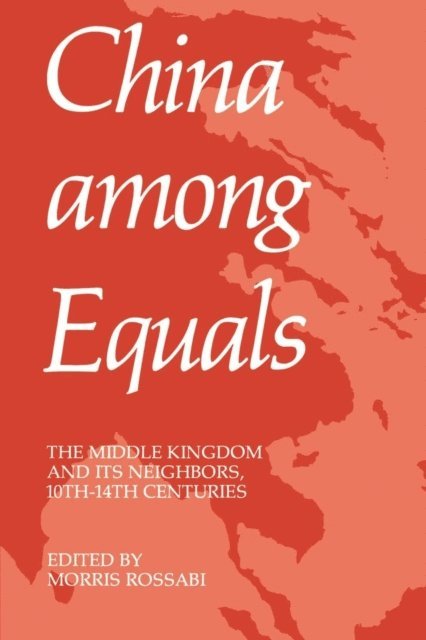
China Among Equals
The Middle Kingdom and Its Neighbors, 10th-14th Centuries
Häftad, 1983
334 kr
Lägg i varukorg
Scholars have long accepted China's own view of its traditional foreign relations: that China devised its own world order and maintained it from the second century B.C. to the nineteenth century. China ruled out equality with any nation: foreign rulers and their envoys were treated as subordinates …
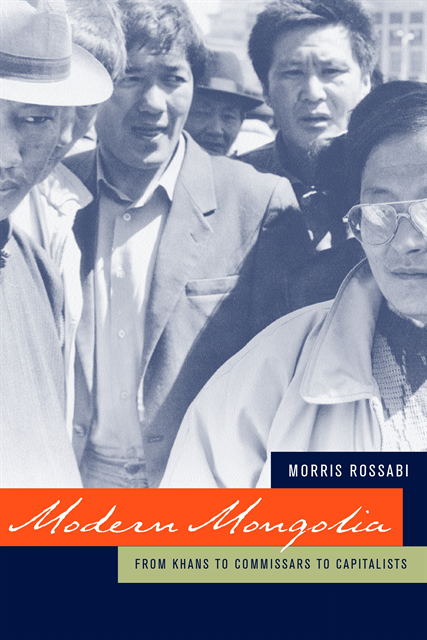
Modern Mongolia
From Khans to Commissars to Capitalists
Häftad, 2005
352 kr
Lägg i varukorg
Land-locked between its giant neighbors, Russia and China, Mongolia was the first Asian country to adopt communism and the first to abandon it. When the Soviet Union collapsed in the early 1990s, Mongolia turned to international financial agencies - including the International Monetary Fund, the …
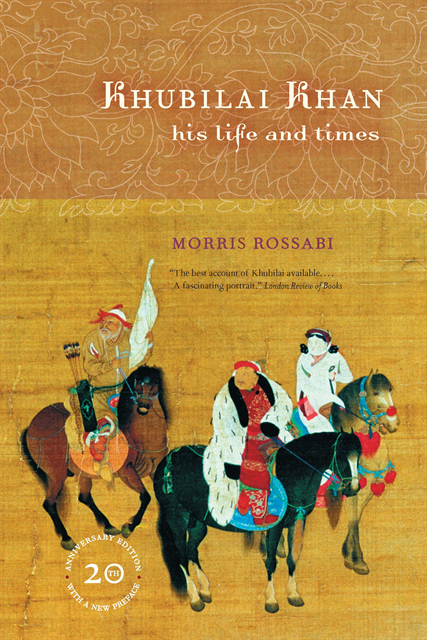
Khubilai Khan
His Life and Times, 20th Anniversary Edition, With a New Preface
Häftad, 2009
326 kr
Lägg i varukorg
Living from 1215 to 1294, Khubilai Khan is one of history's most renowned figures. Morris Rossabi draws on sources from a variety of East Asian, Middle Eastern, and European languages as he focuses on the life and times of the great Mongol monarch. This 20th anniversary edition is updated with a …
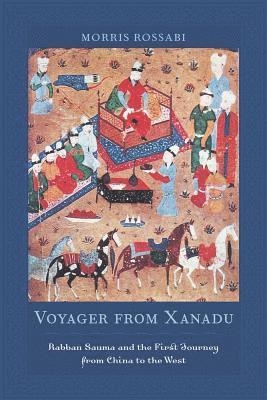
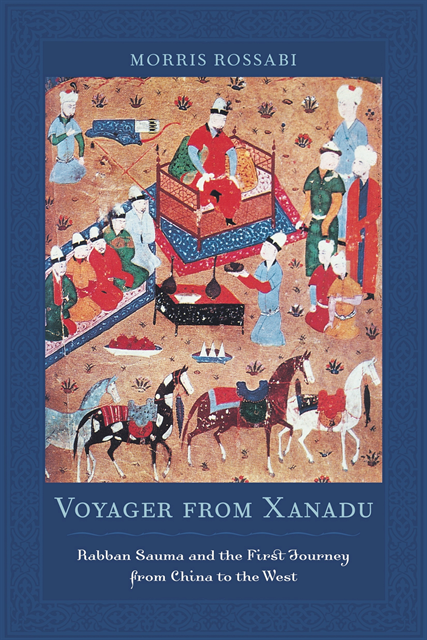
Voyager from Xanadu
Rabban Sauma and the First Journey from China to the West
Häftad, 2010
272 kr
Lägg i varukorg
Toward the end of the thirteenth century, at about the time Marco Polo was being received by the great Khubilai Khan, a Nestorian Christian monk from China called Rabban Sauma was making the reverse journey from the Mongol capital (what is now Beijing) to Jerusalem. Upon reaching Baghdad - the …
China Among Equals
The Middle Kingdom and Its Neighbors, 10th-14th Centuries
E-bok, 1983
536 kr
Lägg i varukorg
Scholars have long accepted China''s own view of its traditional foreign relations: that China devised its own world order and maintained it from the second century B.C. to the nineteenth century. China ruled out equality with any nation: foreign rulers and their envoys were treated as subordinates …
Modern Mongolia
From Khans to Commissars to Capitalists
E-bok, 2005
589 kr
Lägg i varukorg
Land-locked between its giant neighbors, Russia and China, Mongolia was the first Asian country to adopt communism and the first to abandon it. When the Soviet Union collapsed in the early 1990s, Mongolia turned to international financial agencies—including the International Monetary Fund, the …
Khubilai Khan
His Life and Times, 20th Anniversary Edition, With a New Preface
E-bok, 2009
535 kr
Lägg i varukorg
Living from 1215 to 1294, Khubilai Khan is one of history’s most renowned figures. Morris Rossabi draws on sources from a variety of East Asian, Middle Eastern, and European languages as he focuses on the life and times of the great Mongol monarch. This 20th anniversary edition is updated with a …
Voyager from Xanadu
Rabban Sauma and the First Journey from China to the West
E-bok, 2010
432 kr
Lägg i varukorg
Toward the end of the thirteenth century, at about the time Marco Polo was being received by the great Khubilai Khan, a Nestorian Christian monk from China called Rabban Sauma was making the reverse journey from the Mongol capital (what is now Beijing) to Jerusalem. Upon reaching Baghdad—the first …
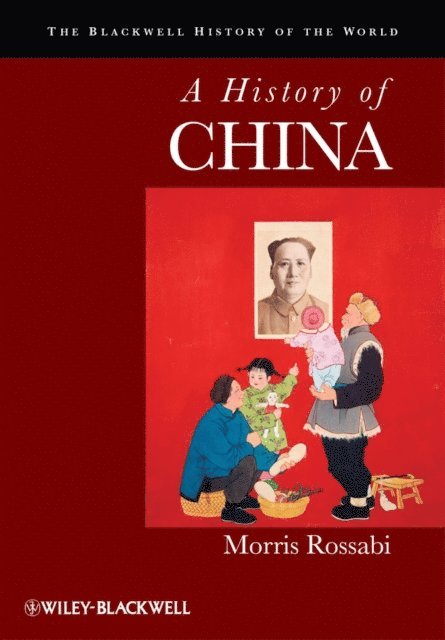
History of China
E-bok, 2013
1211 kr
Lägg i varukorg
Capturing China’s past in all its complexity, this multi-faceted history portrays China in the context of a larger global world, while incorporating the narratives of Chinese as well as non-Chinese ethnic groups and discussing people traditionally left out of the story—peasants, women, merchants, …
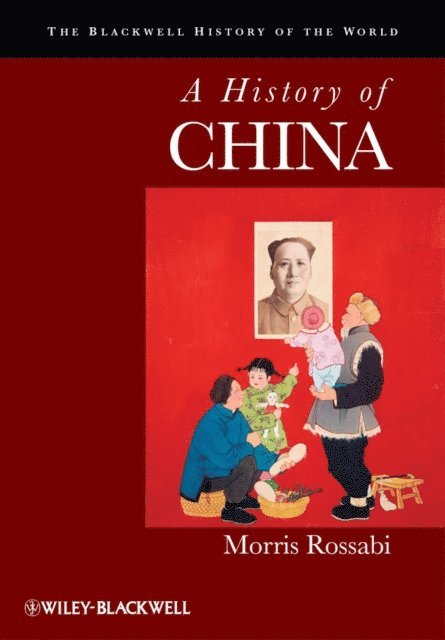
History of China
E-bok, 2013
382 kr
Lägg i varukorg
Capturing China’s past in all its complexity, this multi-faceted history portrays China in the context of a larger global world, while incorporating the narratives of Chinese as well as non-Chinese ethnic groups and discussing people traditionally left out of the story—peasants, women, merchants, …
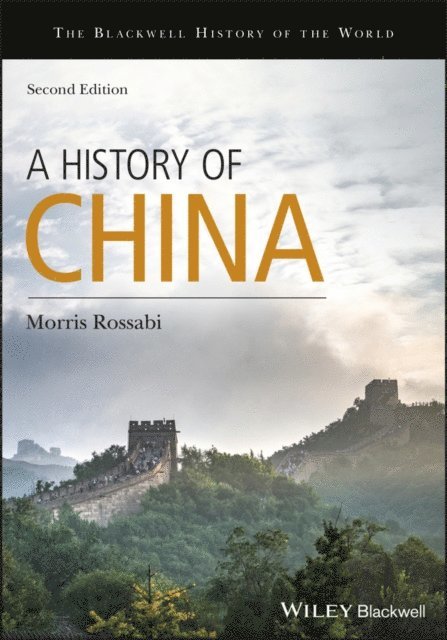
History of China
Häftad, 2021
982 kr
Lägg i varukorg
Discover the complexity of China’s past with this multi-faceted portrayal of the storied nation from a leading expert in the fieldThe newly revised Second Edition of A History of China delivers a comprehensive treatment of the political, economic, social, and cultural history of China that covers …
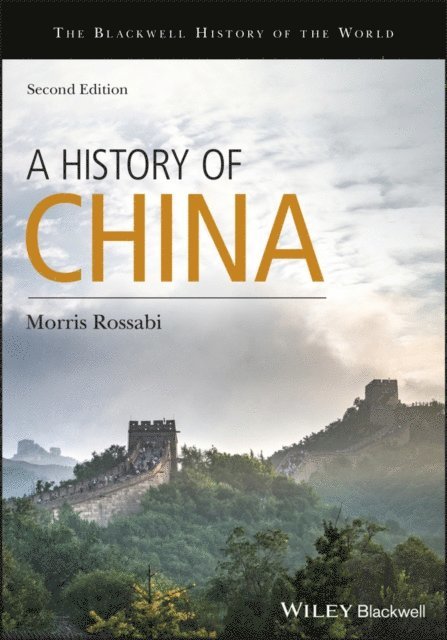
History of China
E-bok, 2021
738 kr
Lägg i varukorg
Discover the complexity of China’s past with this multi-faceted portrayal of the storied nation from a leading expert in the field The newly revised Second Edition of A History of China delivers a comprehensive treatment of the political, economic, social, and cultural history of China that covers …
History of China
E-bok, 2021
738 kr
Lägg i varukorg
Discover the complexity of China’s past with this multi-faceted portrayal of the storied nation from a leading expert in the field The newly revised Second Edition of A History of China delivers a comprehensive treatment of the political, economic, social, and cultural history of China that covers …
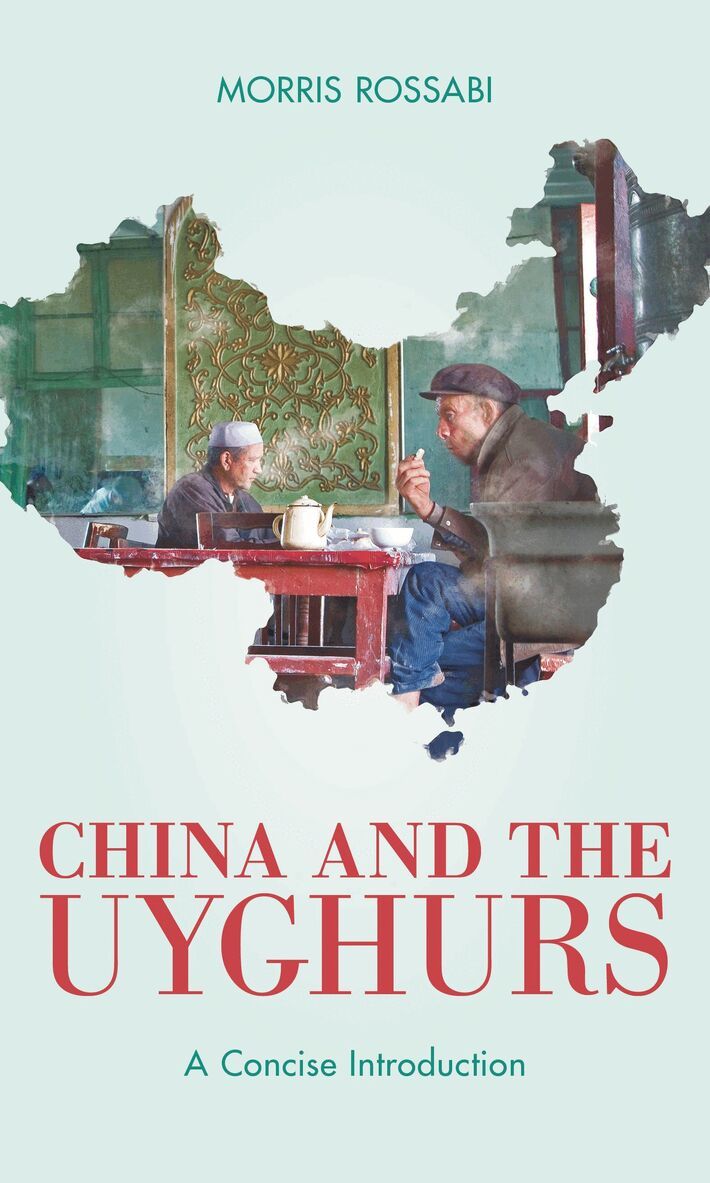
China and the Uyghurs
A Concise Introduction
Inbunden, 2022
1029 kr
Lägg i varukorg
This balanced history of Xinjiang and its Uyghur inhabitants traces the development of this ethnic group from imperial China to the present and its fraught relationship with the Chinese state. Morris Rossabi focuses especially on CCP policies, both progressive and repressive, toward the Uyghurs …
China and the Uyghurs
A Concise Introduction
Häftad, 2022
387 kr
Lägg i varukorg
This balanced history of Xinjiang and its Uyghur inhabitants traces the development of this ethnic group from imperial China to the present and its fraught relationship with the Chinese state. Morris Rossabi focuses especially on CCP policies, both progressive and repressive, toward the Uyghurs …
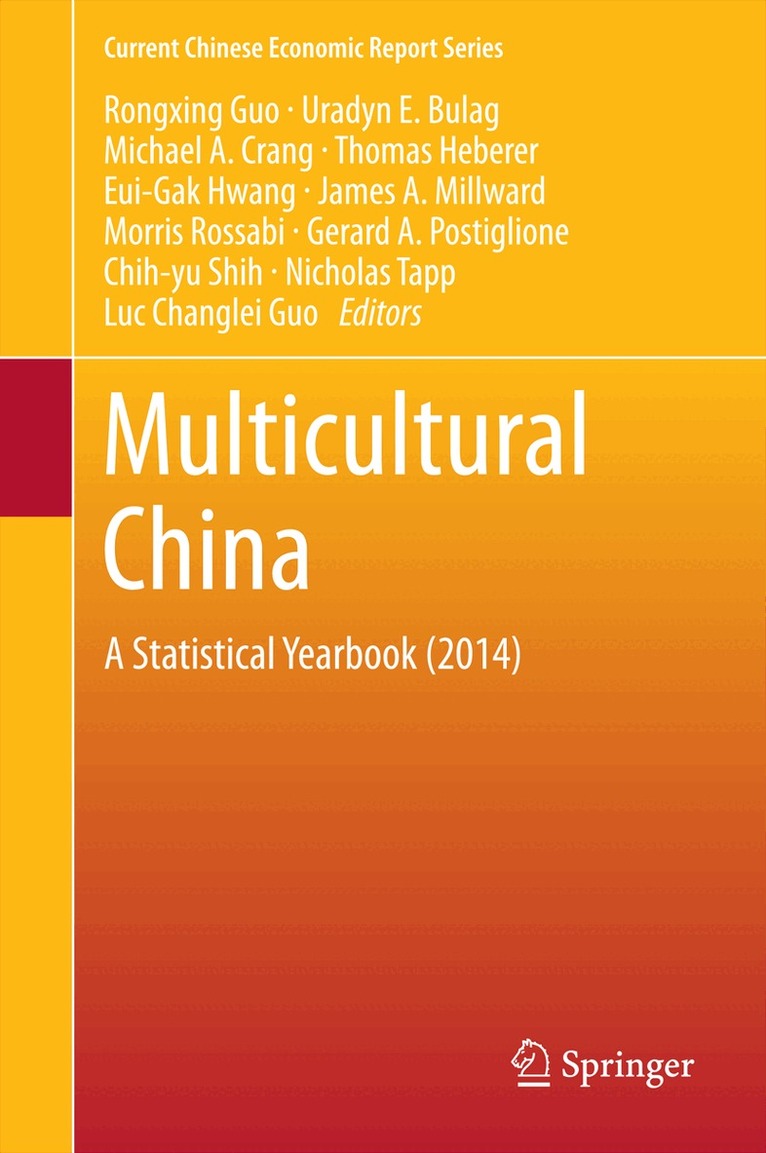
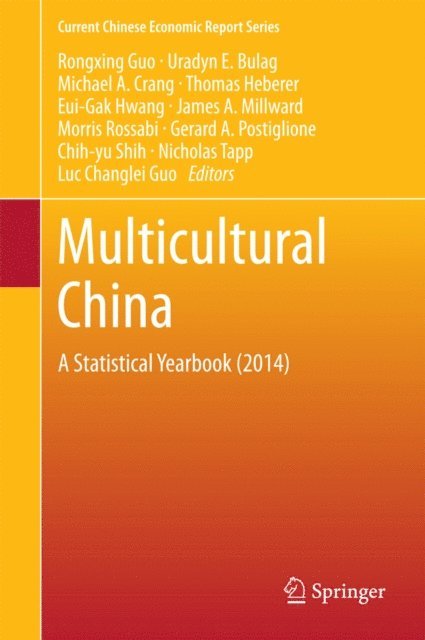
Multicultural China
A Statistical Yearbook (2014)
Av Rongxing Guo, Uradyn E. Bulag m. fl.
Inbunden, 2014
1098 kr
Lägg i varukorg
With its easy-to-use format, this book provides a collection of annual data on China’s 56 ethnic groups. It is a resource book that profiles the demography, employment and wages, livelihood, agriculture, industry, education, science and technology, culture, sports, and public health for each of …
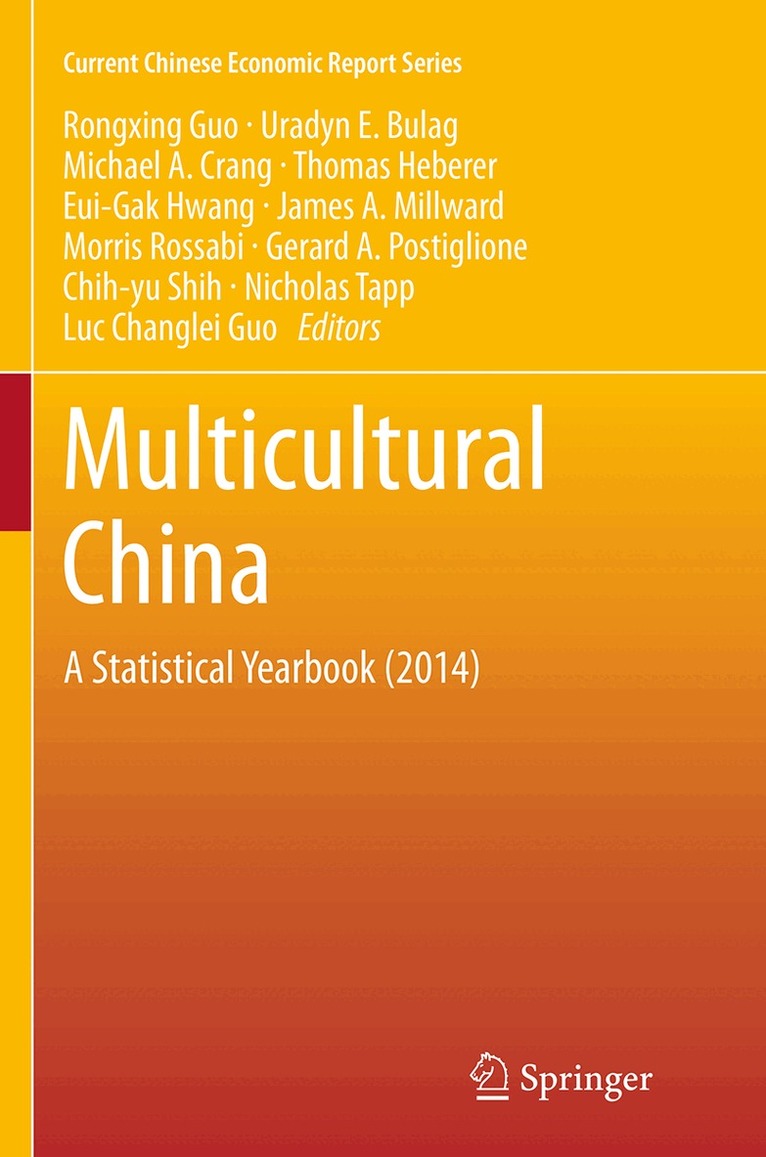
Multicultural China
A Statistical Yearbook (2014)
Av Luc Changlei Guo, Nicholas Tapp m. fl.
E-bok, 2014
1459 kr
Lägg i varukorg
With its easy-to-use format, this book provides a collection of annual data on China’s 56 ethnic groups. It is a resource book that profiles the demography, employment and wages, livelihood, agriculture, industry, education, science and technology, culture, sports, and public health for each of …
Multicultural China
A Statistical Yearbook (2014)
Av Rongxing Guo, Uradyn E. Bulag m. fl.
Häftad, 2016
1098 kr
Lägg i varukorg
With its easy-to-use format, this book provides a collection of annual data on China’s 56 ethnic groups. It is a resource book that profiles the demography, employment and wages, livelihood, agriculture, industry, education, science and technology, culture, sports, and public health for each of …
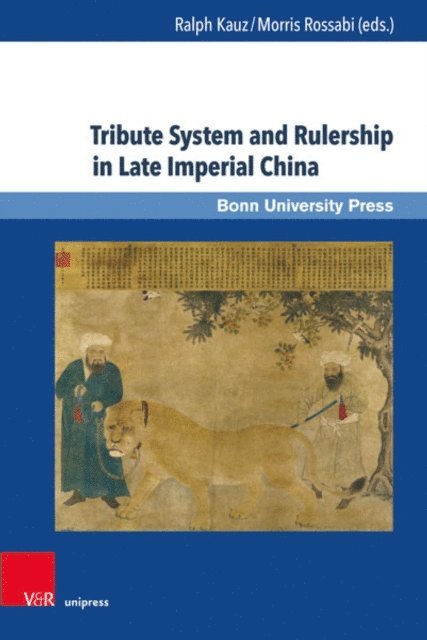
Tribute System and Rulership in Late Imperial China
E-bok, 2022
682 kr
Lägg i varukorg
Demanding and offering tribute is a most common feature in human societies and nothing special to China. In the course of the development of Neolithic and later societies social classes have developed where persons who achieved superior positions first could demand ''presents'' or tribute from …
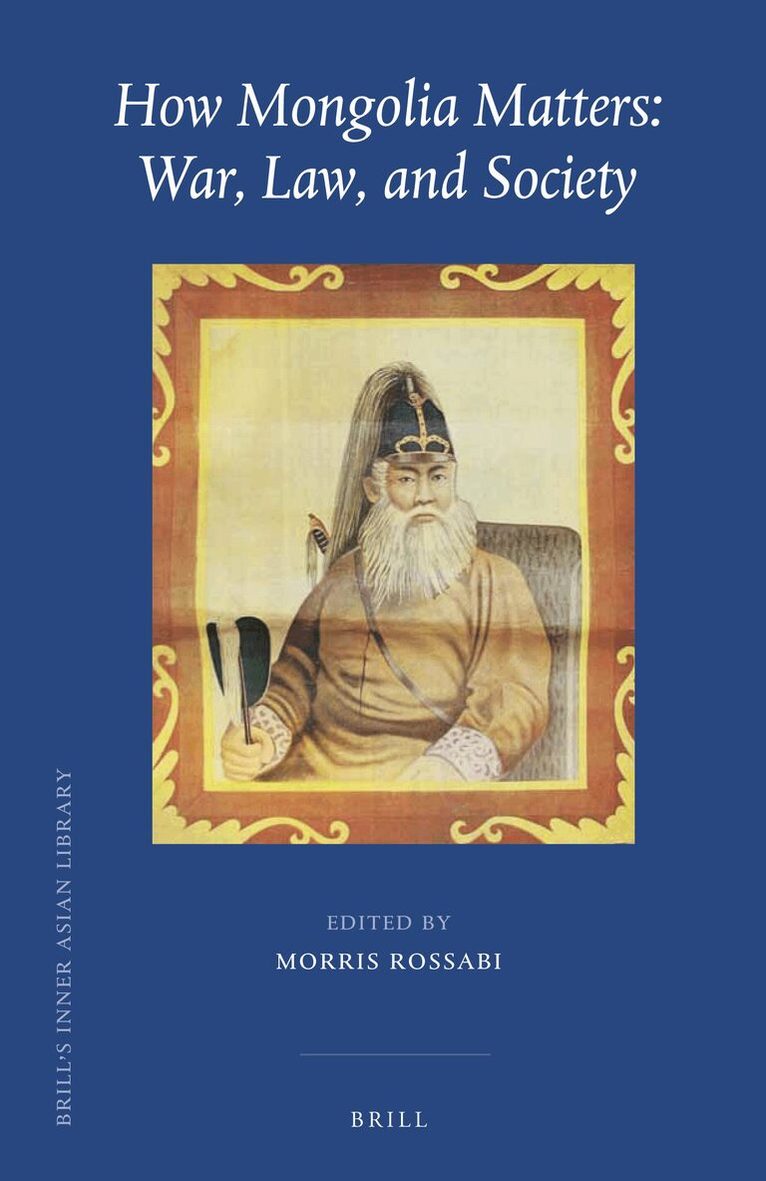
How Mongolia Matters: War, Law, and Society
Inbunden, 2017
2177 kr
Lägg i varukorg
The essays in this volume dispel some of the myths concerning the Mongolians and other Inner Asian peoples. This remarkable volume edited by and dedicated to Morris Rossabi challenges the depictions of these mostly nomadic pastoral groups as barbaric plunderers and killers while not denying the …
The Mongols
A Very Short Introduction
Häftad, 2012
113 kr
Tillfälligt slut
The Mongols carved out the largest land-based empire in world history, stretching from Korea to Russia in the north and from China to Syria in the south in the thirteenth century. Along with their leader Chinggis Khan they conjure up images of plunder and total destruction. Chinggis and his …